Beach Camping in the UK: 10 Best Sites and Safety Tips
There's something special about falling asleep to the sound of waves and waking up to fresh sea air. Beach camping in the UK offers a perfect mix of adventure, scenic views, and peaceful escapes from busy city life. From rugged coastlines to sandy shores, the UK has plenty of spots ideal for a seaside camping experience. Bringing practical gear, such as solar batteries, can also make your stay more comfortable by keeping lights, phones, and small devices powered throughout your trip. This guide covers 10 of the best beach camping sites along with essential safety tips to help you enjoy your trip comfortably and responsibly.
Is beach camping in the UK legal?
Beach camping in the UK is not always permitted, and the rules depend on the location. In most parts of England, camping on the beach is restricted unless you have permission from the landowner, especially in popular coastal areas. This is why it's important to check local guidelines before planning your trip.
In Scotland, access rights are more relaxed, making beach camping more possible in certain areas as long as it is done responsibly. In Wales, it is allowed only in specific locations, often with permission or within designated camping sites near the coast. To stay safe and avoid fines, always choose approved spots and respect local regulations.
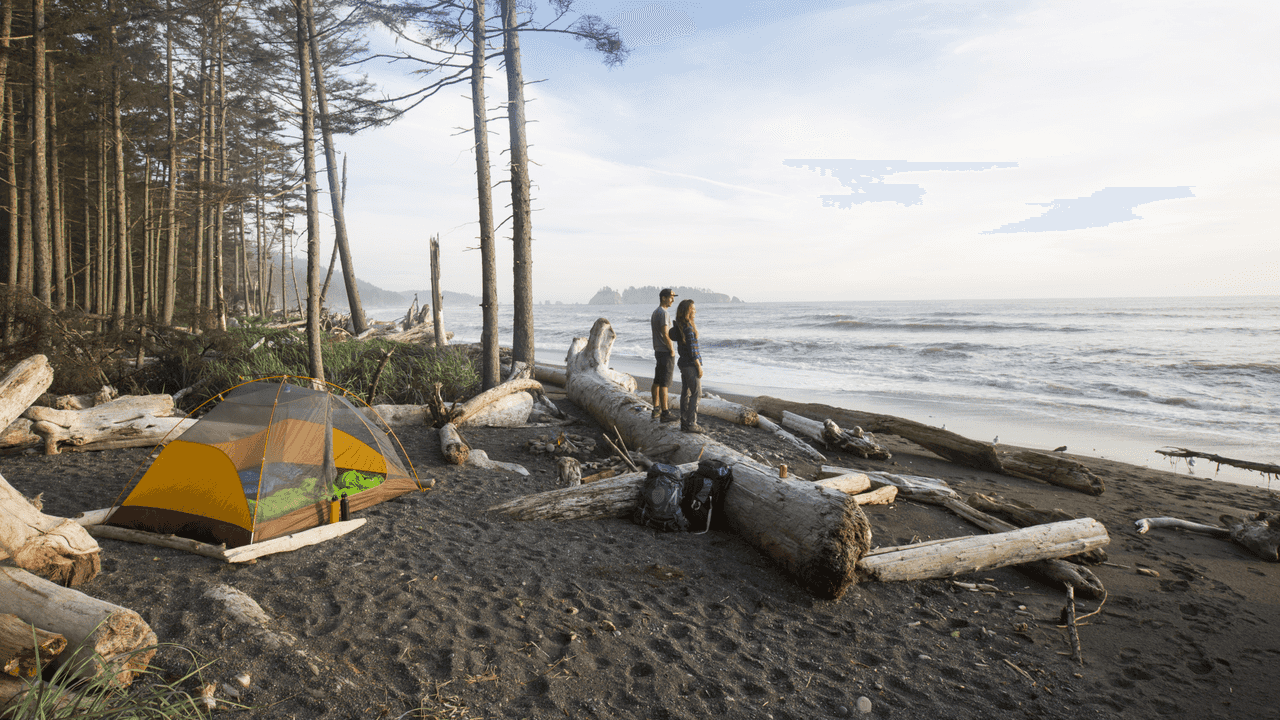
Top 10 places to camp near the beach in the UK
If you're planning a coastal escape, the UK offers some of the most scenic and diverse seaside camping spots. From wild Scottish shores to sandy Welsh bays, each destination brings a unique experience for beach lovers. Below are the top 10 places perfect for beach camping UK adventures.
Shell Island, Gwynedd, Wales
Shell Island is one of the most popular spots for beach camping in Wales in the UK, offering miles of open sandy coastline. It provides a huge space for pitching tents right beside the sea. The surrounding mountains and ocean views make it especially scenic. It's ideal for campers who enjoy freedom and wide natural landscapes.
Location: Gwynedd, North Wales
Best for: Large beach camping and coastal views
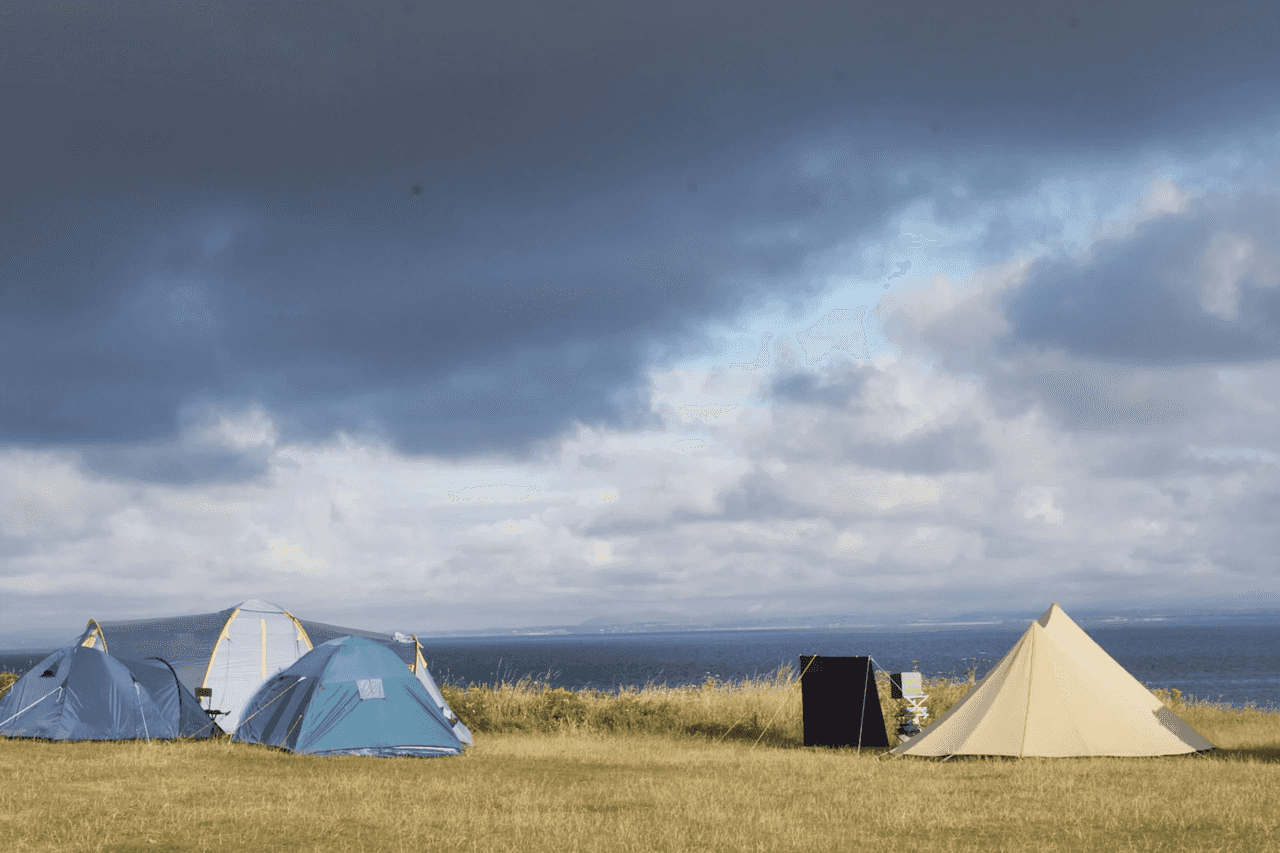
Sango Sands, Durness, Scotland
Sango Sands is a peaceful destination for camping on the beach, with experiences in the far north of Scotland. It offers dramatic cliffs and powerful Atlantic views. The quiet setting makes it perfect for relaxation away from crowds. Sunset views here are truly unforgettable.
Location: Durness, Scottish Highlands
Best for: Dramatic coastal scenery and remote camping

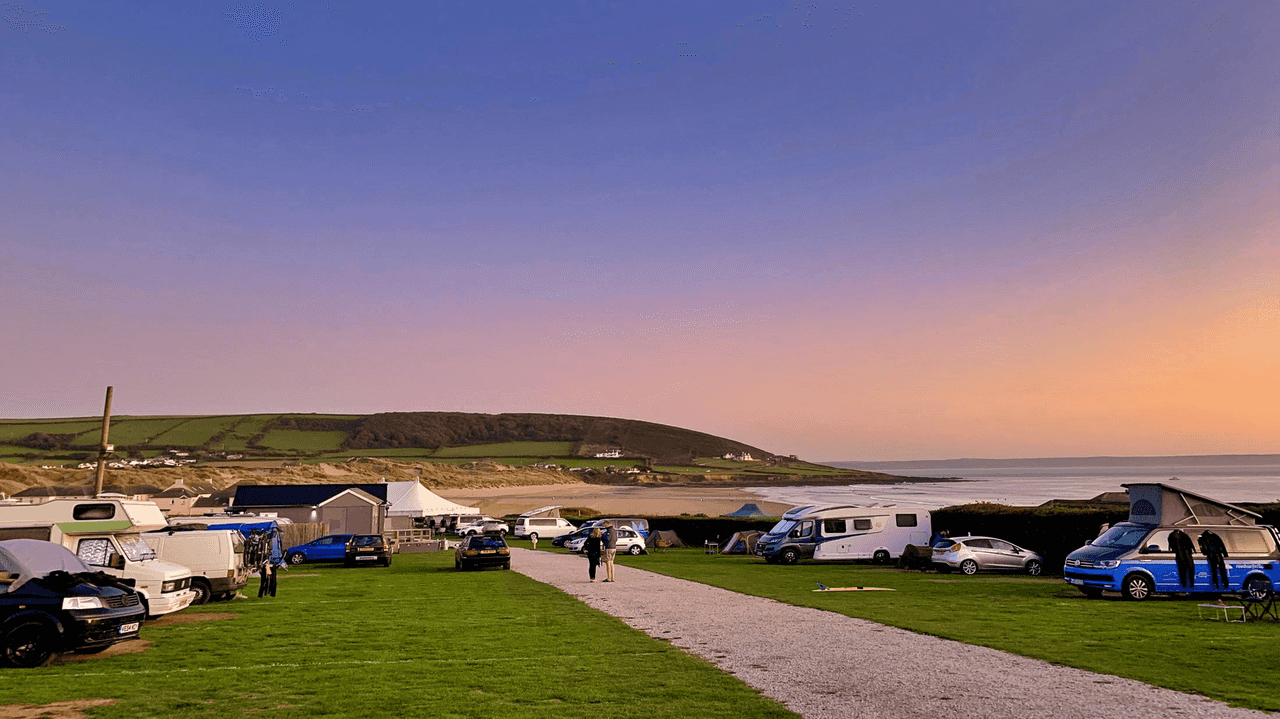
Ocean Pitch, Devon, England
Ocean Pitch is a top choice for camping near beach stays in England. It sits right above Croyde Bay, a famous surfing spot. The campsite has a relaxed, surf-friendly vibe with direct beach access. It's ideal for active and scenic coastal holidays.
Location: Croyde Bay, North Devon, England
Best for: Surfing and beachside camping
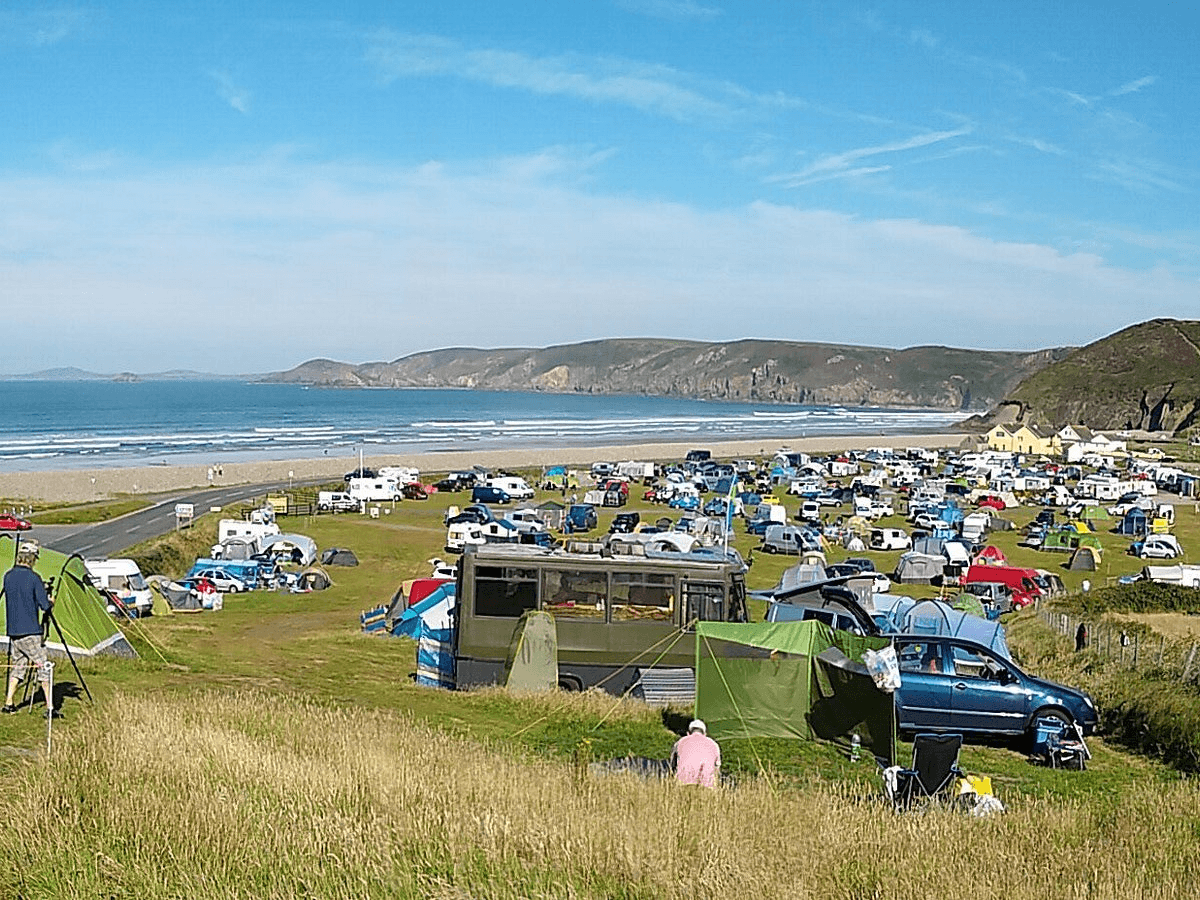
Newgale Campsite, Pembrokeshire, Wales
Newgale Campsite is perfect for places to camp near the beach in Wales. It stretches along a wide sandy shoreline ideal for walking and exploring. The national park surroundings add to its natural beauty. It's great for both adventure and relaxation.
Location: Pembrokeshire Coast National Park, Wales
Best for: Long sandy beaches and coastal walking
Clachtoll Beach Campsite, Scottish Highlands
Clachtoll is a remote escape known for true camping at the beach in wild Scottish scenery. The coastline is quiet, clean, and untouched. It offers a peaceful break from busy city life. Ideal for nature lovers and solitude seekers.
Location: Assynt, Scottish Highlands, Scotland
Best for: Wild beach camping and remote landscapes

Fairlight Glen Campsite, East Sussex, England
Fairlight Glen is a great option for camping near the beach in UK trips with a twist. It combines forest walks with direct coastal access. The mix of greenery and sea views feels refreshing and unique. Perfect for short nature getaways.
Location: Hastings, East Sussex, England
Best for: Woodland-to-beach hiking access

Treen Farm Campsite, Cornwall, England
Treen Farm is ideal for classic camping in England beach experiences. It sits near some of Cornwall's most stunning beaches. The cliffs and turquoise waters create postcard-perfect views. It's a great base for coastal exploration.
Location: Near Porthcurno Beach, Cornwall, England
Best for: Iconic Cornish beaches and cliff scenery

Broad Haven South Campsite, Pembrokeshire, Wales
Broad Haven South is a peaceful, family-friendly site for camping on beach holidays. It offers safe sandy shores and nature-filled surroundings. Wildlife spotting is common in the area. It's perfect for relaxed family trips.
Location: Pembrokeshire Coast National Park, Wales
Best for: Family beach camping and wildlife

St Cyrus Beach Campsite, Aberdeenshire, Scotland
St Cyrus is a great choice for beach camping near me, with stylish nature escapes in Scotland. The protected reserve is rich in birdlife and coastal beauty. The long, quiet beach is perfect for peaceful camping. It's ideal for photography and nature lovers.
Location: St Cyrus National Nature Reserve, Scotland
Best for: Wildlife and nature-focused beach camping
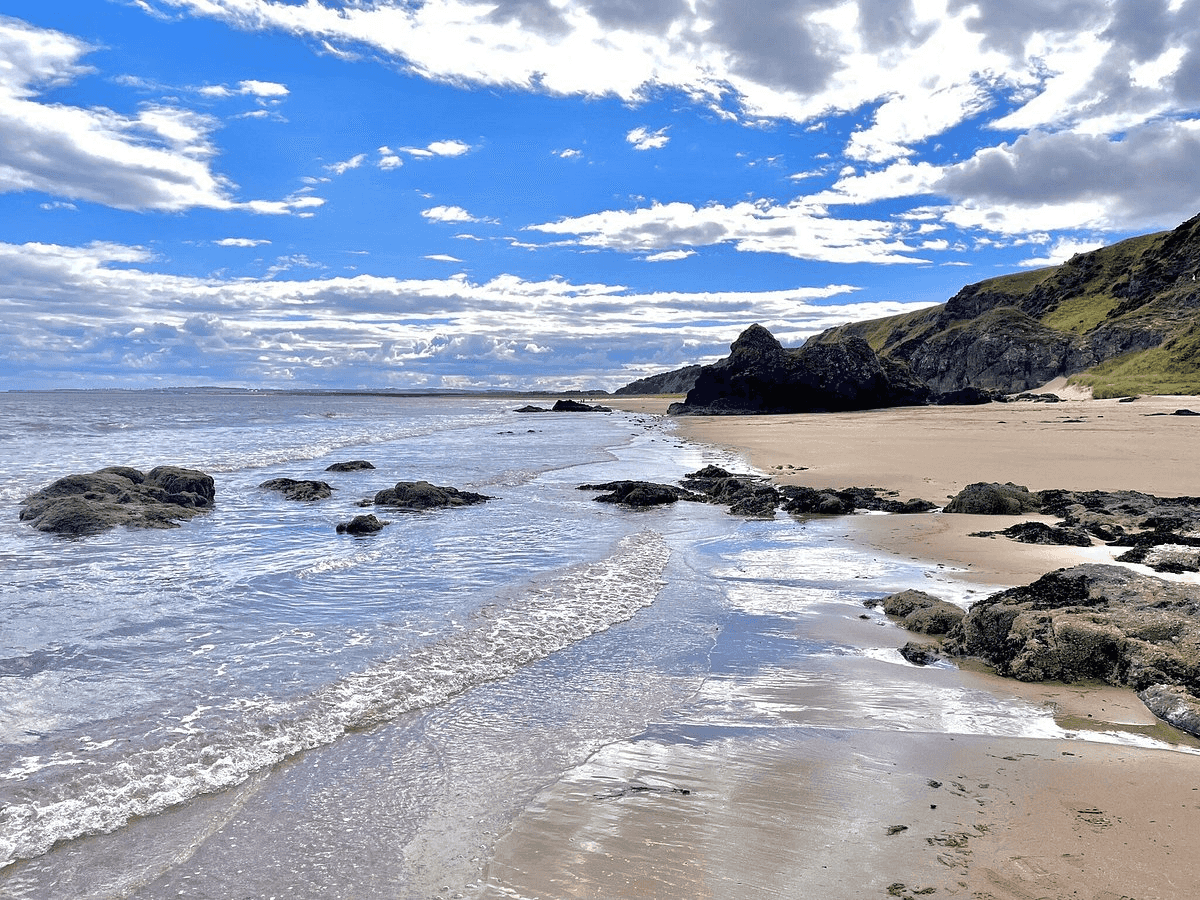
West Wittering Beach Camping Area, West Sussex, England
West Wittering is one of the most convenient spots for camping with a beach experience near London. It offers clean sandy shores and calm waters. The site is well-managed and family-friendly. Perfect for quick weekend seaside trips.
Location: West Wittering, South Downs Coast, England
Best for: Accessible beach camping near London
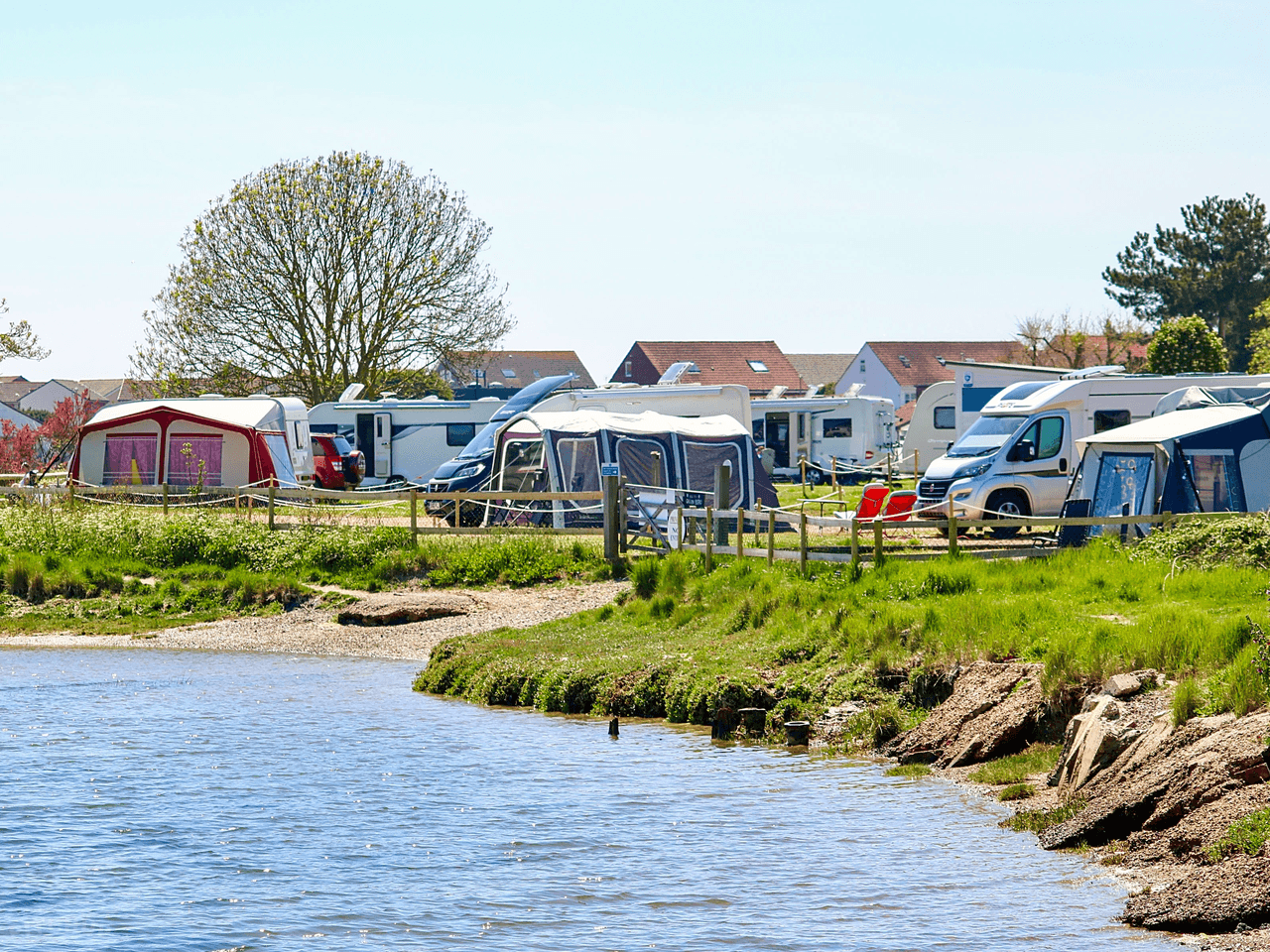
Essential gear for beach camping
Beach camping can be a rewarding experience, but coastal conditions can change quickly with wind, salt air, and shifting weather. Having the right gear ensures comfort, safety, and a smoother stay by the shore. Below is the essential equipment you should pack for a successful camping trip on a beach.
Wind-resistant tents for coastal conditions
Coastal winds can be strong and unpredictable, so a sturdy, wind-resistant tent is essential. Look for tents with reinforced poles, low-profile designs, and secure anchoring points to handle sandy ground. These features help prevent your shelter from shifting or collapsing during windy nights. A good tent ensures a stable and comfortable base for your beach camping UK experience.
Feature | Recommended Gear | Why It Matters |
Structure | Low-profile dome or tunnel tent | Reduces wind resistance on open beaches |
Poles | Reinforced aluminum or fiberglass poles | Improves stability in strong coastal winds |
Anchoring | Sand stakes, guylines, weight bags | Keeps the tent secure on loose sand |
Fabric | Waterproof and UV-resistant material | Protects from rain, salt air, and sun exposure |
Ventilation | Mesh panels and adjustable vents | Prevents condensation in humid coastal weather |
Clothing, layers, and footwear
Weather near the coast can change throughout the day, so layering is key. Pack lightweight, breathable clothing along with warm layers for evenings when temperatures drop. Waterproof jackets are also important for sudden rain or sea spray. Durable footwear, such as hiking boots or waterproof shoes, is essential for walking on sand and rocky coastal paths during camping near beach UK trips.
Category | Essential Items | Why It Matters |
Base Layer | Breathable T-shirts, moisture-wicking tops | Keeps you dry and comfortable during daytime activity |
Mid Layer | Fleece, light insulated jackets | Provides warmth during cooler evenings |
Outer Layer | Waterproof jacket, windbreaker | Protects against rain, wind, and sea spray |
Bottom Wear | Quick-dry trousers, leggings, shorts | Adapts to changing temperatures and wet conditions |
Footwear | Waterproof shoes, hiking boots, sandals | Supports walking on sand, rocks, and uneven terrain |
Accessories | Hat, gloves, sunglasses | Protects against sun, wind, and temperature shifts |
Power solutions for camping near a beach
Reliable energy is essential for lighting, charging devices, and running small appliances while camping by the coast. Since beach areas often lack electrical access, portable energy systems—such as solutions from EcoFlow—become very useful for comfort and safety. Below are two practical power solutions for camping near a beach that ensure uninterrupted electricity during your trip.
DELTA 3 Plus + Alternator Charger 800W – fast on-the-go charging for coastal trips
The DELTA 3 Plus + Alternator Charger 800W is designed for beach campers who travel between different coastal locations and need reliable power while on the move. Connecting directly to your vehicle, it allows recharging with up to 800W input, helping restore power efficiently during drives between campsites. This makes it especially useful for beach camping trips where access to electricity may be limited or unavailable.
Built with a 1024Wh LiFePO₄ battery, the system also supports expandable capacity up to 5kWh, offering flexibility for longer stays by the coast. With 1800W AC output (3600W surge), it can power essential beach camping equipment such as lighting, portable fridges, fans, and small cooking devices. The inclusion of X-Boost technology allows the unit to handle higher-wattage appliances when required.
This configuration is particularly suitable for campers who frequently move between multiple beach destinations, allowing them to recharge while driving and arrive at each location with dependable power ready to use.
DELTA 3 Plus + 220W Solar Panel – clean and reliable off-grid energy
The EcoFlow DELTA 3 Plus + 220W Solar Panel provides a practical off-grid energy solution for beach camping, where sunlight is abundant and access to grid electricity is often limited. With a 1024Wh battery capacity, it can reliably power essentials such as beach lighting, portable speakers, phone chargers, fans, and small cooking appliances used during seaside stays.
The included 220W solar panel enables clean energy generation throughout the day. Its foldable design and adjustable stand make it easy to position on sand or stable ground to capture maximum sunlight. This helps maintain a steady energy supply during extended beach stays without relying on traditional charging sources.
One of the major advantages of solar charging in beach environments is energy independence. The system supports up to 1000W solar input when multiple panels are connected, allowing faster charging speeds in strong sunlight conditions often found along coastlines. This makes it well-suited for longer off-grid stays where maintaining consistent power is essential.
Built with durable LFP battery technology rated for up to 4000 cycles, the system is designed for long-term reliability in outdoor environments. It also connects to the EcoFlow app, enabling real-time monitoring of battery levels, energy usage, and charging status for more efficient power management during your trip.
Safety tips for camping at the beach
Beach camping is exciting, but coastal environments come with unique risks like tides, strong winds, and sudden weather changes. Taking a few safety precautions can help you enjoy your trip without unexpected problems. Below are essential tips to keep your camping at the beach safe and stress-free.
Check tides and sea conditions before setting up
Always check tide schedules before pitching your tent, as water levels can rise quickly. Setting up too close to the shore can lead to flooding during high tide. Look for local tide charts or apps before arrival. This simple step can prevent damage to your gear and ensure a safer stay.
Choose a safe and elevated pitch location
Pick a spot that is slightly elevated and away from the waterline. Avoid low-lying areas where water can collect during rain or high tide. A stable, dry surface also improves comfort while sleeping. This is especially important for safe camping on beach setups.
Secure your tent against strong coastal winds
Beach areas often experience strong and sudden winds. Use sturdy pegs, sand anchors, or weighted bags to secure your tent properly. Position the tent facing away from the wind direction if possible. A well-secured tent prevents damage and keeps you protected overnight.
Be prepared for changing weather conditions
Coastal weather can shift quickly, even on clear days. Pack waterproof clothing, extra layers, and a reliable shelter. Sudden rain or temperature drops are common near the sea. Being prepared helps you stay comfortable throughout your trip.
Protect your belongings from sand and moisture
Sand and salty air can damage electronics and gear over time. Use waterproof bags or sealed containers to store valuables. Keep items elevated and covered when not in use. This helps maintain your equipment during longer beach camping UK trips.
Stay safe around water
Always be cautious when swimming or walking near the shoreline. Strong currents and waves can be unpredictable. Avoid swimming alone and follow local safety signs or warnings. Staying alert near water is essential for a safe camping experience.
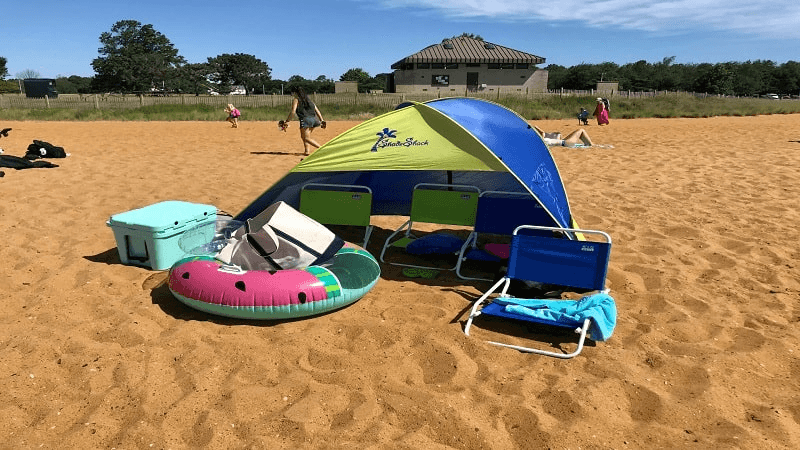
Conclusion
Beach camping in the UK offers a refreshing way to enjoy nature, combining scenic coastal views with a peaceful outdoor experience. With proper planning, from understanding local rules to choosing the right gear, you can make your trip smooth and enjoyable. Paying attention to tides, weather, and location helps you stay safe while fully enjoying camping at the beach.
To enhance your experience, having a reliable power solution like the EcoFlow DELTA 3 Plus keeps your essentials running even in remote areas. With the right preparation, camping near the beach in the UK becomes a comfortable and memorable adventure you'll want to repeat.
FAQs
What is the meaning of beach camping?
Beach camping refers to setting up a tent or shelter close to the shoreline, allowing you to stay overnight by the sea. It combines traditional camping with a coastal environment, offering scenic views and fresh air. Many people enjoy it because of its relaxing atmosphere and direct connection to nature.
Is it illegal to sleep overnight on a beach?
Sleeping overnight on a beach is not always illegal, but it depends on local laws and land ownership. In many parts of the UK, permission is required, especially in England. This is important to consider when planning camping on beach trips to avoid fines or restrictions.
Are there beaches where you can sleep on the beach?
Yes, there are certain beaches and coastal areas where overnight stays are allowed, usually within designated campsites. Locations in Scotland are more flexible due to access rights, while parts of Wales and England offer approved coastal camping areas. Always check local rules before planning your stay.