Chasing the Aurora Borealis: A Guide to Northern Lights Tourism in Canada
- Why Yellowknife Is Canada’s Premier Northern Lights Destination
- What to Expect on a Yellowknife Northern Lights Tour
- How Tour Operators Maximize Your Aurora Viewing Chances
- Capturing the Aurora: Photography Tips and On-Tour Services
- Practical Planning: Best Times, Weather, and Trip Duration
- Safety, Clothing, and Transportation Tips
- How EcoFlow Supports Northern Lights Adventures
- Frequently Asked Questions
- Experience the Magic of the Aurora in Canada
On crisp winter nights, when the sky deepens to inky black and the air hums with quiet anticipation, Canada’s northern heavens come alive. Curtains of green, violet, and pink (and sometimes even white) light ripple across the stars, and show you one of nature’s most amazing phenomena: the Aurora Borealis, or Northern Lights.
Canada offers some of the world’s most reliable and awe-inspiring opportunities to witness the Northern Lights. If you’re planning a trip to see them, research and find out how to make the best of your trip.
Why Yellowknife Is Canada’s Premier Northern Lights Destination
Yellowknife enjoys some of the highest chances in the world of seeing the aurora, often even dancing overhead rather than lingering on the horizon. Add to that clear, dry skies and long winter nights, and you have near-perfect viewing conditions.
What really sets Yellowknife apart, however, is its convenience for visitors. Despite its remote feel, the city has reliable flights, comfortable accommodations, and a tourism industry built around aurora chasing. You can step outside your hotel, join a guided tour to escape city lights, or warm up in a cozy lodge while waiting for the sky to ignite.
What to Expect on a Yellowknife Northern Lights Tour
A Northern Lights tour in Yellowknife is designed to make the experience both comfortable and unforgettable. Most tours run late in the evening and stretch into the early morning hours, when the aurora is most active. You’ll usually be driven away from city lights to a prime viewing spot. This could be a frozen lake, a forest clearing, or a cozy aurora lodge built specifically for light watching.
Don’t worry about standing in the cold the entire time. Many tours offer heated shelters, warm drinks, and even traditional snacks, allowing you to step outside when the lights appear and warm up when needed. Knowledgeable guides keep an eye on aurora forecasts, explain what you’re seeing in simple terms, and often share local stories and Indigenous perspectives tied to the lights.
If the aurora shows up, you can expect anything from gentle green waves to dramatic bursts of colour filling the sky. Remember, the Northern Lights can be temperamental: be patient!
How Tour Operators Maximize Your Aurora Viewing Chances
In Yellowknife, experienced tour operators use a mix of science, flexibility, and on-the-ground knowledge to give you the best possible shot to see the lights.
Aurora and weather monitoring: Guides track solar activity, cloud cover, and forecasts in real time to choose the best nights and viewing windows.
Mobility and flexibility: Many tours can relocate quickly and drive to clearer skies if clouds roll in at the original spot.
Prime viewing locations: Operators know secluded areas with minimal light pollution and wide-open skies.
Timing expertise: Tours are scheduled around peak aurora activity, typically late at night when displays are strongest.
Capturing the Aurora: Photography Tips and On-Tour Services
You don’t need to be a professional photographer to come home with stunning Northern Lights photos. Many Yellowknife tours offer on-the-spot camera help or even professional photo packages. At the same time, guides may share simple tips like how to use a tripod, slowing your shutter speed, and keeping your camera warm so you’re ready when the sky lights up.
Practical Planning: Best Times, Weather, and Trip Duration
Planning ahead can make a big difference when it comes to seeing the Northern Lights in Yellowknife. The best viewing season typically runs from late August to early April, when nights are dark enough, and aurora activity is strong. Winter offers longer nights and snowy scenery, while fall brings slightly milder temperatures and fewer crowds.
Weather is a key factor, and while Yellowknife is known for clear skies, it’s still wise to dress for extreme cold, especially from December through February.
Most travellers stay at least three to four nights, which gives you multiple chances to see the aurora and improves your odds if clouds or timing don’t cooperate.
Safety, Clothing, and Transportation Tips
Staying comfortable and safe makes the Northern Lights experience far more enjoyable. Pack smart, with warm and layered clothing, including insulated boots and gloves. Listen to your guide’s safety instructions when travelling on icy roads or frozen lakes, and rely on licensed tour operators for nighttime transportation.
Many lodges and facilities are well-prepared for northern conditions and are often equipped with essentials such as backup heat, portable power stations, or even a whole-home generator to handle extreme weather.
How EcoFlow Supports Northern Lights Adventures
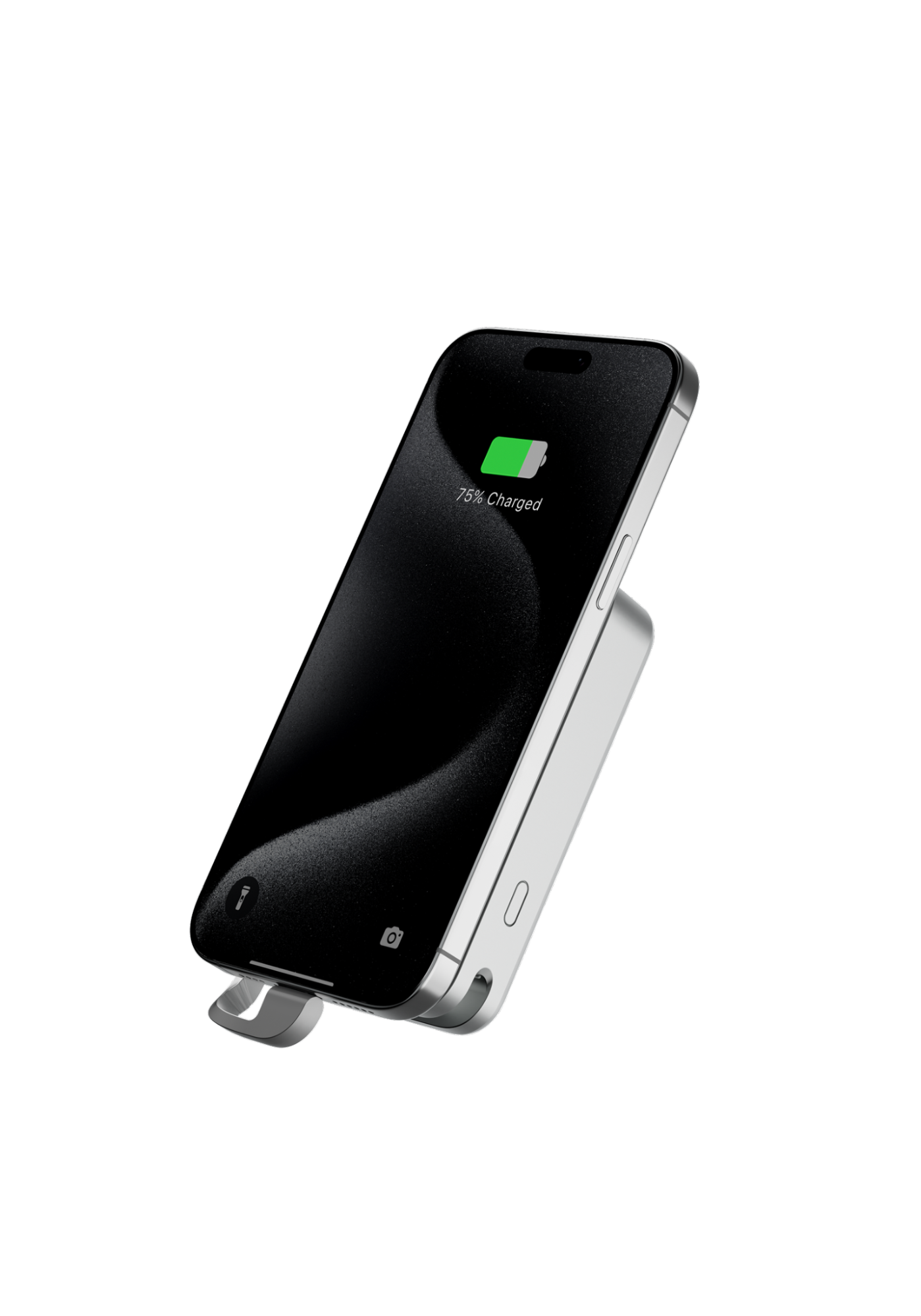
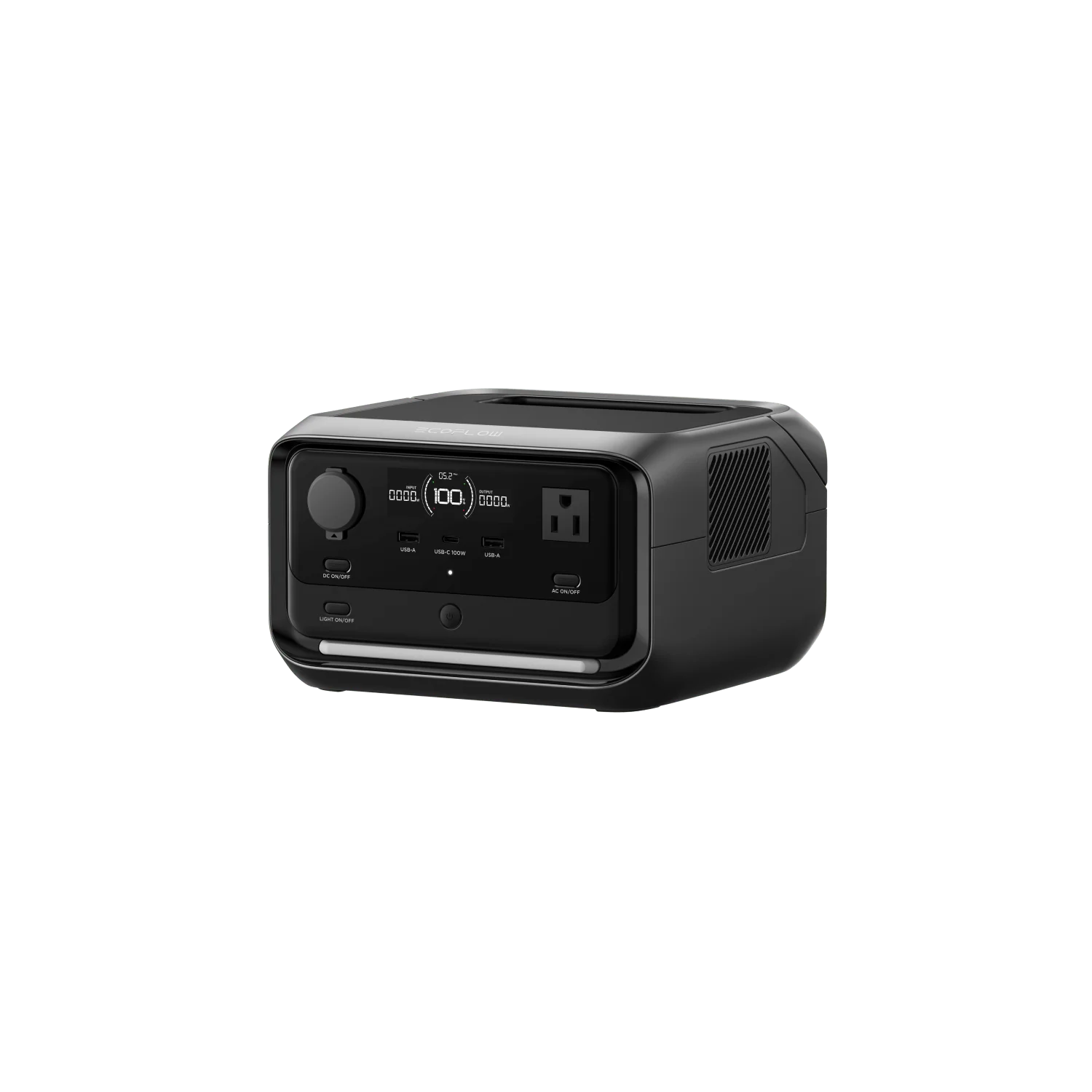
Reliable power matters when you’re chasing the aurora in remote, cold environments. EcoFlow’s portable power stations help keep cameras, phones, and essential gear charged during long nights outdoors, while portable solar panels offer a clean, renewable way to recharge during daylight hours.
Frequently Asked Questions
What Are the Odds of Seeing the Northern Lights in Yellowknife?
Yellowknife has some of the best odds in the world for seeing the Northern Lights. On clear nights from late August to early April, your chances are often 70–90%, thanks to its location directly under the auroral oval and low light pollution.
What City in Canada Has the Best Northern Lights?
While the Northern Lights can be seen in several parts of Canada, the city of Yellowknife in the Northwest Territories is widely considered the best spot. Its clear skies, low light pollution, and prime location under the Auroral Oval make it one of the most reliable places to see the aurora borealis.
How Long Will the Northern Lights Be Visible?
The Northern Lights are usually visible from late September to early April in areas near the Arctic Circle. On a given night, they can last anywhere from a few minutes to several hours, depending on solar activity and weather.
Experience the Magic of the Aurora in Canada
Witnessing the Northern Lights in Canada is an unforgettable adventure, with Yellowknife standing out as the premier destination. Tours combine comfort, expert guidance, and photography tips to help you capture the vibrant greens, pinks, and purples dancing across the sky.
Plan your trip between late August and early April, dress warmly, and stay multiple nights to maximize your chances of seeing this natural wonder. For those exploring remote locations, reliable power is essential. EcoFlow RIVER 3 Plus Portable Power Station and EcoFlow power banks keep your devices charged so you never miss a moment of the aurora.