What Causes Hail to Be Different Sizes in a Hail Storm
- How Does a Hail Storm Form and Where Do Hailstones Begin
- What Controls Hail Size in the Sky
- Hail Size Chart Basics and What Counts as Severe Hail
- What Damage Can Different Hail Sizes Cause
- What to Do During a Hail Storm to Stay Safe
- How to Prepare Before a Hail Storm and Reduce Outage Risk
- Plan for the Next Hail Storm
- FAQs
While in a hail storm, the size of the hailstones can vary from the size of peas in a matter of minutes to the size of coins. This is reflected in the potential damage that can be caused by hailstones, from car bodies and windshield glass to roof tiles and siding. This guide outlines the formation of hailstorms, the reasons for varying hailstone sizes in a given atmosphere, and using a hail size chart for risk evaluation.
How Does a Hail Storm Form and Where Do Hailstones Begin
A hail storm starts inside tall thunderstorm clouds, usually the kind that builds fast and looks like a tower from a distance. The engine inside that cloud is an updraft, a strong column of rising air that pushes moisture upward into colder layers of the sky.
Here’s the key: water droplets can exist below freezing without turning into ice right away. These are called supercooled droplets. When they collide with a tiny ice particle, they freeze in contact and begin building a hailstone.
Think of a hailstone as a growing ball that keeps getting lifted and dropped inside the storm:
Rising air carries small ice pieces upward into colder zones
Supercooled droplets stick and freeze, adding layers
The hailstone falls slightly, then gets pulled back up again
This repeats until the hailstone becomes too heavy to stay aloft
That last step decides what you see on the ground. If the updraft loses strength, the hailstone drops earlier and lands smaller. If the storm stays powerful, the hailstone has time to bulk up into damaging sizes.
What Controls Hail Size in the Sky
Hail size depends on a few conditions inside the cloud, and they work together like a checklist. Miss one piece and the hail stays small. When the full setup clicks, the hailstorm can produce large hailstones with real impact.
1. Updraft Strength and Stability
The stronger the updraft, the heavier a hailstone it can hold. A weak storm might only keep small hail suspended for a short time. A stronger storm can keep a hailstone cycling longer, giving it multiple chances to add new ice layers.
Updraft stability matters too. If the storm’s core stays organized, hailstones can keep re-entering the growth zone instead of falling out early.
2. Moisture Supply Inside the Storm
Hail needs fuel. That fuel is liquid water inside the cloud, especially supercooled droplets. When a storm has a rich supply of moisture, hailstones can grow faster.
3. The Freezing Level and the Warm Layer Below
The freezing level is the altitude where temperatures fall to 0°C. Above that, hail growth happens. Below that, melting begins. A thick warm layer can shrink hail size on the way down. That’s why two storms can have similar cloud processes yet produce different ground-level hail sizes.
4. Storm Structure and Wind Shear
Some storms are messy and short-lived. Others are organized with strong wind shear, helping the updraft stay upright and efficient. When the storm structure supports long cycling, hailstones have time to get bigger.
So when you see large hailstones during a hail storm, you’re seeing a storm with strong lift, plenty of moisture, and enough organization to keep hail growing before it falls.
Hail Size Chart Basics and What Counts as Severe Hail
During a hail storm, your brain tends to exaggerate hail size. That’s normal. A simple hail size chart keeps decisions practical, especially if you’re trying to judge risk quickly or document damage.
In Canada, coin comparisons are commonly used because they’re fast and consistent. Here’s a simple chart you can actually use outside.
Quick Hail Size Chart
| Approx. Diameter | Easy Comparison | What It Often Signals |
| 0.7 cm | Pea | Usually minor damage |
| 2.4 cm | Quarter | Dents possible, shingles at risk |
| 2.6 cm | Loonie | Higher risk for siding and soft metals |
| 2.8 cm | Toonie | Glass damage becomes more likely |
| 4.5 cm | Golf ball | Serious property damage risk |
What Counts as Severe Hail
A practical rule in Canada: once hail reaches about quarter-size (around 25 mm), the storm produces hail large enough to cause damage. That’s a level where you should treat the event seriously, even if the hail storm feels brief.
If you’re documenting hailstones, take photos with a coin beside them. It gives your pictures instant context and helps avoid disputes later.
What Damage Can Different Hail Sizes Cause
Hail damage isn’t only about size. Wind direction and impact speed matter too. Still, hail size is the fastest way to estimate the risk.
Small Hail (Pea to Marble)
Small hail can shred plants, clog downspouts, and scratch cheaper outdoor furniture. Most vehicles won’t show obvious damage, though fresh paint and thin trim can still take a hit.
Quarter-Size Hail and Larger
Once hail reaches quarter-size, dents become common. You’ll see it on hoods, roofs, and trunk lids. Homes can take damage in several places:
Shingles and roof edges
Vinyl or aluminum siding
Gutters and downspouts
Window screens and exterior trim
Wind-driven hail is especially rough on siding because it hits the wall at an angle rather than straight down.
Golf Ball-Size Hail and Bigger
This is where damage can spike quickly. Glass becomes vulnerable, including skylights and older windows. Roof damage can shift from cosmetic to functional, including cracked shingles and exposed underlayer sections.
Impact speeds rise as hail gets larger. Smaller hail tends to fall more slowly, while bigger hailstones can fall fast enough to crack glass and puncture weak roofing materials. If your hail storm reaches golf ball size, it’s smart to assume there may be damage even if nothing looks dramatic from the street.
The “Hidden Damage” People Miss
After a hail storm, some problems show up later:
Water stains on ceilings
Damp spots around window frames
Loose flashing around vents
Hairline cracks in skylight seals
Catching these early can prevent a small repair from turning into a full interior cleanup.
What to Do During a Hail Storm to Stay Safe
A hailstorm can injure people. Large hailstones can hit with enough force to cause serious harm, and shattered glass is an obvious hazard. Safety decisions should be fast and boring.
Here’s what works:
Move away from windows, skylights, and glass doors
Choose an interior room when possible
Keep kids and pets away from bright window areas
Avoid sunrooms and rooms with wide glass walls
If you’re driving, slow down and increase the distance from other vehicles
Don’t park under trees, since branches can break during strong storms
If you get official alerts, treat them as a reason to act, not a reason to stare at the radar. A hail storm can change intensity quickly, and the worst burst often doesn’t last long.
How to Prepare Before a Hail Storm and Reduce Outage Risk
A hail storm often comes with strong winds, heavy rain, and lightning. That combination can knock out power in a hurry, even if the hail itself is short-lived. People usually feel that outage pain immediately: a dead phone battery, no lights, no updates, and a fridge full of food getting warmer.
Preparation doesn’t need to be complicated. It works better when it’s simple.
Protect High-Risk Property First
If you have a few minutes before the storm hits, focus on what’s expensive and fragile.
Park your car in a garage or covered structure
Close curtains or blinds to reduce glass hazards
Bring in lightweight patio items
Secure anything that could become wind-driven debris
Charge and Stage Your Essentials
You’ll feel more in control during a hail storm when your basics are already handled:
Phone charged
Flashlight or lantern placed where you can find it quickly
Power bank topped up
Backup charging cables in one spot
Set Up a Small “Power Corner”
Pick one location in your home where you can keep essentials running during short outages. Many households prioritize the same three items:
A light source
Phone charging
Wi-Fi router access for updates and communication
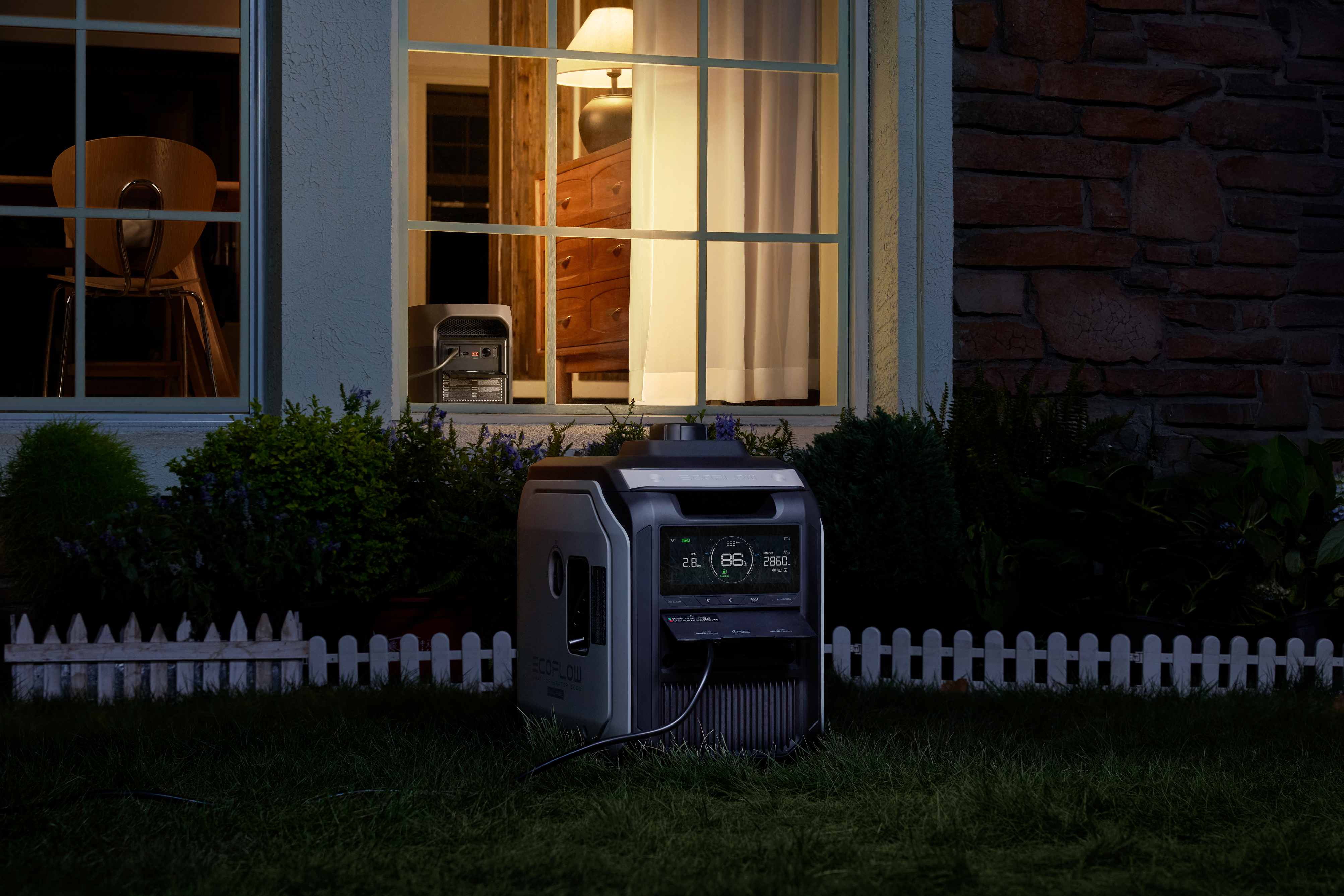
A portable power station can keep those essentials alive without scrambling for car chargers. If you want something designed with storms in mind, the EcoFlow DELTA 3 Max Plus (2048Wh) offers a Storm Guard Mode that can automatically activate backup power ahead of extreme weather.
For short outages, small loads make the biggest difference:
phone charging
LED lights
internet equipment
medical devices if needed
This approach supports the stuff you rely on immediately, without turning storm prep into a full renovation project.
Plan for the Next Hail Storm
After a hail storm, take a slow walk around your home and car before anything melts or gets cleaned up. Snap a few clear photos of any dents, cracked glass, roof issues, and siding marks, and include a coin in the frame to document hail size for your records. Indoors, watch for new water stains near ceilings and windows over the next day. Saving these notes makes the next hail storm easier to handle and speeds up any repairs or claims.
FAQs
Q1: Is it possible for hail to form when ground-level temperatures are above freezing?
Yes. Hail formation takes place at a high level within thunderstorm clouds and at a temperature well below 0 degrees Celsius, even though it may be warm at ground level. Hail can reach the ground with its size reduced or as cold rain if it passes through a thick warm layer at ground level. This is because hail falls at a rapid rate.
Q2: Is it necessary to record the size of hail, and how can it be done safely?
Yes. The actual observation of hailstone size helps in verifying the intensity of the storm and improving forecasts. Once the storm has ended, take pictures of several hailstones side by side using a coin or ruler as a reference. Do not stand near windows, trees, and power lines. If possible, use an object observation (such as a quarter, loonie, and/or golf ball), and record the time and location.
Q3: Can a portable power station be used indoors in a power outage caused by a storm?
Yes, in most cases. Portable power stations rely on batteries and don't create exhaust gases; this allows them to be used indoors compared to gas-powered generators. The power station should be placed in a dry and firm location with normal air flow and should be away from standing water, wet footwear, and damp basements. It should be used with undamaged cables and should not be used with high-wattage appliances unless it's compatible.
Q4: Can hail damage a roof even if you don’t see missing shingles right away?
Yes. Hail can damage shingles with bruises, remove granules, or compromise seals without necessarily opening obvious gaps. This is especially the case with old roofs, soft asphalt roofs, or roofs hit at a sharp angle by strong winds. In the following days following a hail storm, look for accumulations of granules in gutters, leaks, or water spots.
Q5: Does Comprehensive auto insurance typically cover hail damage in Canada?
Yes, if you have comprehensive coverage. Hail damage is usually covered in comprehensive policies, but not in basic liability policies. The next best thing to do is to take pictures of the dents and the broken glass, including a picture of the size of the hail, and contact the insurance company. Hold off on the quick fixes until the processing of the claim.