The Trans Canada Trail: Planning a Multi-Day Adventure
Stretching over 16,000 miles (24,000 kilometres), the Trans Canada Trail, which is also known as The Great Trail, offers one of the most expansive and diverse outdoor experiences in the world. This trail invites adventurers of all levels to explore its beauty, and you can experience amazing coastlines and serene lakes, dense forests, idyllic small towns, and everything in between.
Planning a multi-day journey along the trail demands careful preparation, route planning, and an understanding of the communities you’ll encounter along the way. It can be a truly unforgettable experience, as long as you’re prepared well.
Explore Canada’s Longest Recreational Network
The Trans Canada Trail connects communities and landscapes across the country, which makes it the longest recreational trail network in the world. So, if you’re a hiking fanatic, this might be one of the best destinations for you to experience. Travellers can experience everything from coastal paths and mountain ranges to riverside routes and urban greenways. It’s safe to say there’s a little something for everyone.
Planning a multi-day trip involves considering factors like trail difficulty, access points, accommodation options, and weather conditions. Depending on your chosen section, you may need to carry essentials for extended periods, including food, water, navigation tools, and reliable gear such as portable power stations for camping to support longer stretches off the grid.
Planning a Multi-Day Trip on the Trans Canada Trail
Taking on a multi-day journey along the Trans Canada Trail is a rewarding challenge, but it requires thorough planning in advance.
Start by choosing the section that matches your skill level and interests. Some parts are ideal for hiking, while others are better suited for cycling or paddling.
Map out your daily distances, rest stops, and potential accommodation or camping spots. Be sure to check local trail conditions and weather forecasts before you go.
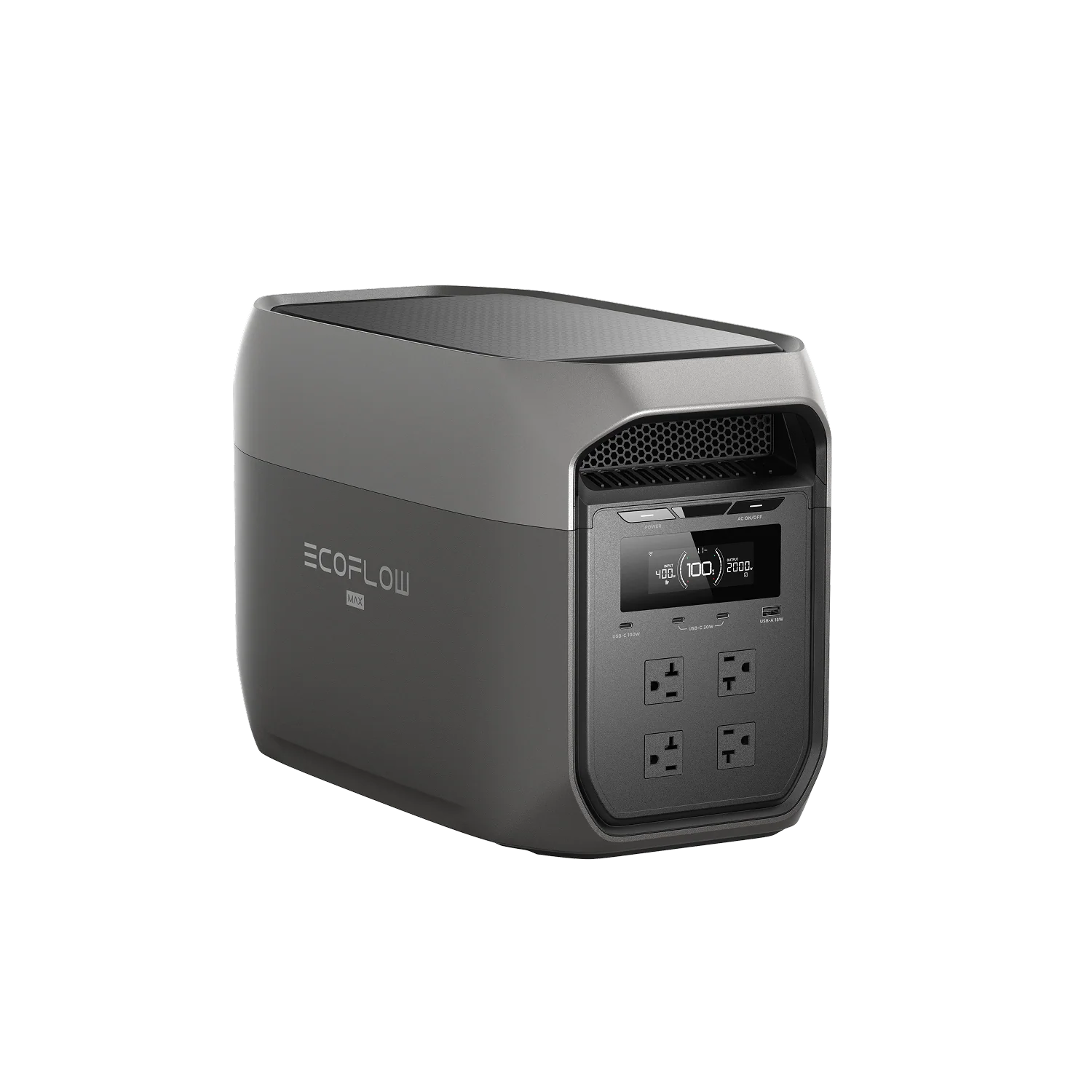
Packing smart is key. Along with food, water, clothing, and navigation tools, having reliable equipment like portable power stations can be essential for longer trips, especially in remote areas where access to electricity is limited. The EcoFlow DELTA Max Series is worth checking out for compact, reliable power on the go.
How Communities and Campaigns Support the Trans Canada Trail
The Trans Canada Trail is a network built and maintained by communities, volunteers, and dedicated campaigns across the country. Local organizations help keep the trail safe, clean, and accessible, while fundraising initiatives support expansion, maintenance, and trail improvements.
Many towns along the route offer services and amenities for travellers, from accommodations and cafes to bike repair stations and guided tours. By engaging with these communities and supporting trail campaigns, adventurers enjoy a better experience and also contribute to the trail’s ongoing preservation and growth.
So, if you’re planning a multi-day hike or cycling trip on the Trans Canada Trail, remember to support some small businesses along the way.
Funding, Grants, and Community Support
The Trans Canada Trail is a nationwide effort supported by countless communities, organizations, and volunteers. Maintaining such an extensive network requires significant resources, and funding comes from a combination of government grants, private donations, corporate sponsorships, and grassroots fundraising campaigns. These funds help build new trail sections, repair existing pathways, maintain signage, and ensure safety for everyone.
Local communities play a particularly important role. Volunteers often contribute their time to clear trails, monitor conditions, and organize events that both raise funds and bring people together. Community engagement keeps the trail in good shape and strengthens connections between travellers and the towns or neighbourhoods along the route. Many communities offer services and amenities such as camping sites, rest stops, equipment rentals, and guided tours.
For travellers planning extended trips, it’s useful to understand how these support systems work. Some remote sections may have limited access to electricity or modern conveniences, so being prepared with reliable gear is important. For example, a whole-home generator can provide essential backup power for longer stays or base camps, ensuring you have electricity for lighting, cooking, and charging devices, even in off-grid areas.
Frequently Asked Questions
How Long Would It Take To Walk the Entire Trans Canada Trail?
Walking the entire Trans Canada Trail, which spans about 16,777 miles (27,000 km), could take roughly 1.5 to 2 years if you walked around 12.4 miles (20 km) per day without major breaks. The time can vary depending on your pace, weather, and rest days. It’s a massive undertaking that requires careful planning and preparation.
Can You Bike the Entire Trans Canada Trail?
Yes, you can bike much of the Trans Canada Trail, but some sections are rough, remote, or better suited for hiking, so it’s not fully rideable end-to-end without detours. Many cyclists choose specific sections or plan alternate routes to avoid obstacles. Proper preparation, gear, and fitness are essential for tackling longer stretches safely.
Is There Cell Service Along the Trans Canada Trail?
Cell service along the Trans Canada Trail can be minimal and inconsistent. Coverage varies depending on the region, as parts of the trail pass through remote wilderness areas with little to no signal. In more populated or accessible sections, you may have service, but it’s not something you can rely on for the entire trail.
Power Your Multi-Day Adventure Sustainably with EcoFlow
A multi-day adventure along the Trans Canada Trail provides an opportunity to explore Canada’s stunning coastlines, forests, mountains, and small towns. With over 16,000 miles of connected paths, planning is key. Choose sections suited to your skill level, map daily distances and accommodations, and pack essentials like food, water, and navigation tools. Many parts of the trail are remote, so make sure to pack reliable gear.
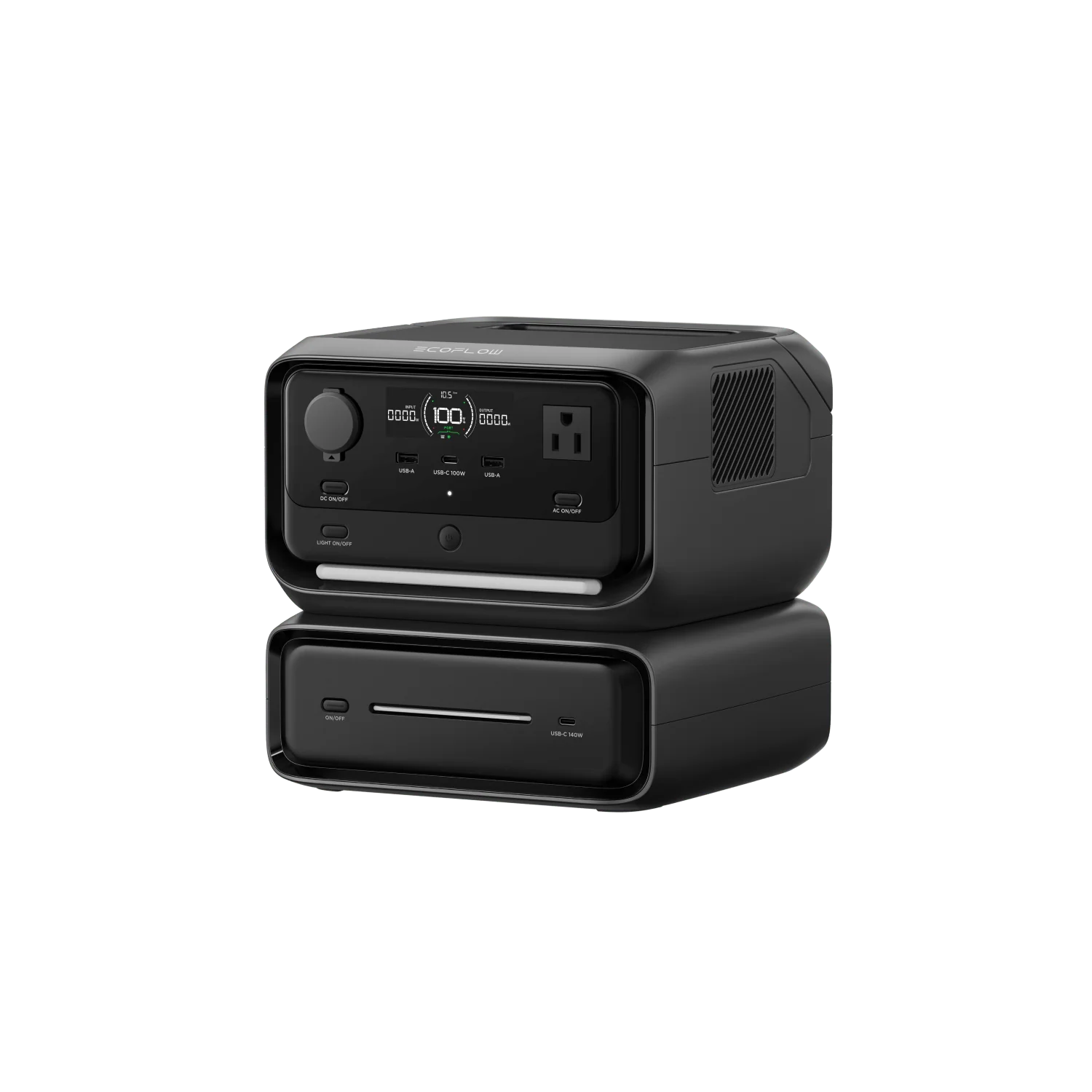
Ready to power your multi-day adventure sustainably? Explore EcoFlow’s portable power solutions, like the EcoFlow DELTA 3 Max Series for high-capacity power or the compact EcoFlow RIVER 3 Plus Portable Power Station. They’re perfect for off-grid trips.