Emergency Generator Installation: A Complete Step-by-Step Guide
Power outages are becoming a seasonal fact of life for Canadian homeowners. Whether it’s ice storms in Quebec and Ontario or heavy winds along the B.C. coast, keeping your household up and running when the grid goes down takes some advance planning. This guide covers what you need to know about setting up a reliable backup system, weighing clean‑energy options, and making sure your setup delivers long‑term value for your home.
Why Install an Emergency Generator in Canadian Homes
Unexpected power outages can happen anytime. A reliable backup power system keeps your essential devices running and your family safe until the grid is restored. While traditional gas models used to be the only option, modern emergency generators have evolved. Integrating a clean, silent solar generator into your home preparedness plan is now one of the most efficient ways to ensure long-term power security during outages.
Power Outages Are Common in Canada During Severe Weather
Extreme weather across Canada regularly knocks out regional power distribution. Freezing rain can weigh down lines with ice, while summer storms bring winds that send trees crashing into poles. When a major disruption hits, restoration can take days. That’s why having a backup power source right on site is the only dependable way to keep your home going through extended outages.
Generators Keep Essential Appliances Running
A reliable backup power system keeps the essential parts of your home running when the grid goes down. In winter, even a few hours without electricity can cause indoor temperatures to drop quickly, increasing the risk of frozen and burst pipes. Keeping your heating system, well pump, lights, and refrigerator powered helps prevent costly damage and keeps your home safe and comfortable.
Backup Power Improves Household Energy Resilience
Real residential resilience means taking charge of your own power, instead of waiting on the utility to get things back up and running. Today’s backup systems let you switch over smoothly the moment an outage hits. With an independent power loop in place, your family can keep up your daily routines, stay connected, and hold onto some peace of mind through just about any kind of weather‑related crisis.
Types of Emergency Generators for Canadian Users
When you’re picking a backup system for Canadian conditions, you need to balance your household’s power needs with the physical space you’ve got. Gas generators aren’t the default go‑to anymore. Next‑gen solar storage systems have become a clean, reliable, low‑maintenance option for smart homes. The installation process varies depending on whether you choose a portable or whole-home system.
Portable Solar Generators
For Canadian households that want something flexible, easy to set up, and fast to deploy, a good portable solar generator makes a solid first line of defense against blackouts. These units don’t need any hardwiring or electrical work, so they’re a great fit for urban townhomes, apartments, or places where permanent renovations aren’t practical.
The EcoFlow DELTA 3 Max (2048Wh) + 400W Solar Panel hits a nice balance between portability and real output. It delivers strong, instant power to keep essential devices running—such as a refrigerator, Wi-Fi router, lights, laptops, and phones—during a grid outage, depending on overall load and usage. The plug-and-play design means you can set the solar panel up in your yard or on a deck to recharge during the day, creating a self-sustaining energy loop without the noise, fumes, or fuel runs associated with traditional gas generators.
High-Capacity Solar Generator Systems
If your goal is comprehensive property protection and true energy independence, a high-capacity solar setup represents the gold standard in modern residential emergency preparation. These comprehensive installations are built to handle heavy, sustained electrical loads over extended periods, providing a premium defense system for large detached homes and rural properties.
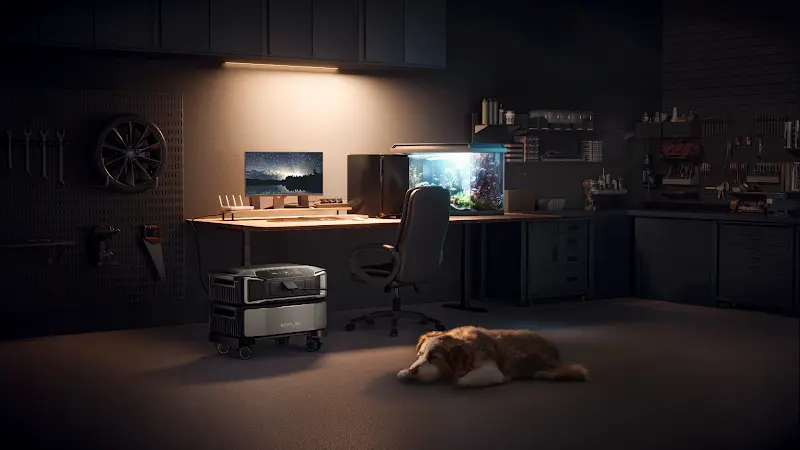
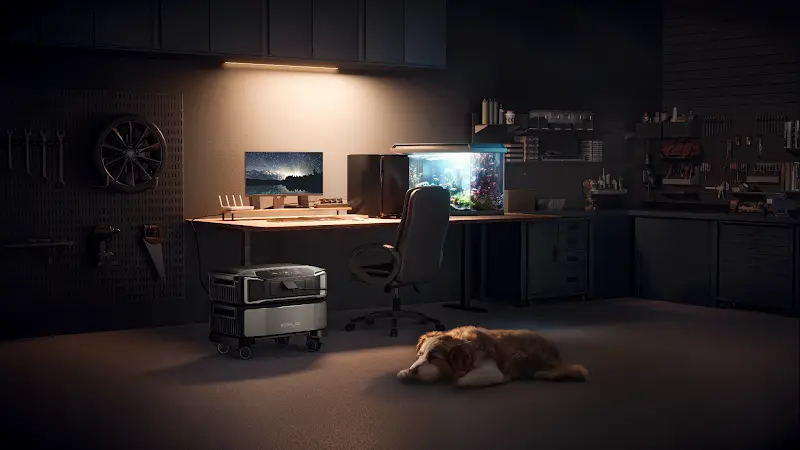
As an industry-leading whole-home power ecosystem, this ultra-high-capacity system EcoFlow DELTA Pro Ultra Whole-Home Backup Power designed to support key household circuits during extended blackouts. It delivers massive power outputs capable of running heavy-duty household appliances simultaneously, including central heating components, well pumps, and cooking equipment. Featuring a sophisticated modular architecture, homeowners can effortlessly scale their storage capacity by stacking additional battery blocks to match their specific household footprint, capable of powering selected high-demand appliances depending on configuration.
Step-by-Step Emergency Generator Installation Process
Setting up a solar‑based backup system is a lot simpler than installing a traditional gas or diesel generator—no fuel lines to run, no exhaust venting to figure out. Just follow a clear installation sequence, and you’ll get solid performance and safety when the grid drops out. Learning how to set up a solar backup generator does not require a specialized technical background, making it an accessible DIY process for most homeowners. Installation in this context includes both plug-and-play portable systems and professionally installed whole-home backup generator setups.
Step 1: Site Selection and Solar Exposure Considerations
Choose the right location for your power station and solar panels. Place the power station indoors in a cool, dry, well-ventilated space, such as a basement, utility room, or insulated garage. Install the solar panels where they’ll receive maximum sunlight, with minimal shade from trees or nearby buildings.
Step 2: Power Station Setup and Home Connection Options
Once you’ve got everything positioned, get your power station ready to connect to your daily setup. For a quick and simple approach, run heavy‑duty extension cords directly from the unit’s outlets to your key appliances. For a whole-home setup, a licensed electrician is required when the system is connected to a transfer switch or smart home panel, which reflects typical emergency generator installation requirements for safe and code-compliant operation. Portable systems, however, can be used straight out of the box without professional installation. Ultimately, deciding how to connect a backup power generator to your home depends entirely on whether you prefer immediate plug-and-play access or a fully integrated, automated circuit setup.
Step 3: Solar Panel Configuration and Charging Setup
Connect the solar panels using weather-resistant cables, ensuring all connections are secure and protected from the elements. Position the panels at an angle that suits your location, and increase the tilt slightly in winter to capture more sunlight when the sun sits lower in the sky. Route the solar cable safely indoors and connect it to the solar input port on your power station.
Step 4: System Testing and Load Management Verification
Before an actual emergency strikes, run a complete operational test to verify system integrity and load handling. A modern power station or backup system makes this process easier by providing real-time monitoring of output, battery status, and connected loads through a built-in display or mobile app. Disconnect your primary household power to simulate a blackout, turn on the backup system, and activate your target appliances one by one. Monitor real-time power usage to ensure the total load remains within safe operating limits.
Cost of Emergency Generator Installation in Canada
The overall emergency generator installation cost varies significantly depending on system size, battery capacity, and whether professional electrical installation is required. Clean‑energy systems do cost more upfront, but they wipe out ongoing fuel costs, yearly engine servicing, and mechanical repairs. Over time, that makes them a much more cost‑effective choice. The table below compares two common emergency backup solutions for Canadian homeowners based on power capacity, supported appliances, and estimated investment.
| System Type | Recommended Model | Battery Capacity / Output | Typical Appliances Powered | Estimated Price (CAD) |
|---|---|---|---|---|
| Portable Emergency Backup | EcoFlow DELTA 3 Max | 2 kWh / 2,400 W | Refrigerator, Wi-Fi router, laptops, phones, lights | ~$2,000–$3,500 |
| Whole-Home Backup System | EcoFlow DELTA Pro Ultra | 6–90 kWh / 7,200 W+ | Central heating, well pump, electric range, and most household appliances | ~$8,000–$20,000+ (system-dependent) |
Solar Generator System Cost vs. Capacity Breakdown
The price of your setup goes up with the battery capacity and power output you choose. Smaller, portable kits that cover your basics are an affordable way to get started with emergency backup. On the other hand, larger whole‑home systems that can run a full property for days or longer cost more upfront, but they offer serious protection and can save you a lot on utility bills over time.
Additional Costs (Solar Panels, Inverter Upgrades, Accessories)
When budgeting for a complete installation, factor in any supplementary equipment required to maximize your system’s utility. Adding extra solar panels increases charging speeds, while premium weatherized cables, heavy-duty outdoor mounts, and protective covers enhance overall durability. If you opt for an integrated setup, include the cost of a manual transfer switch or smart panel along with professional electrician installation fees.
Maintenance and Long-Term Reliability
To make sure your backup system is always ready to go when you need it, a simple upkeep routine goes a long way. Unlike gas‑powered units, solar systems don’t have moving parts, so maintenance is pretty straightforward and easy to stay on top of.
Routine Battery Health and System Testing
Every few months, check in on your system to review battery metrics and make sure everything’s ready to go. Power it up now and then to confirm it starts cleanly, and check the charge level to make sure it’s still in the recommended storage range. Keeping the firmware updated through the mobile app also ensures you’re getting the latest efficiency tweaks and battery management improvements.
Solar Panel Cleaning and Efficiency Maintenance
Keep your solar panels clean and free of debris to maximize solar production. Wash away dust, leaves, and pollen with water and a soft cloth or squeegee. During Canadian winters, clear heavy snow promptly to keep your system charging efficiently.
Proper Charge Management
To get the most out of your lithium‑based batteries, it’s worth following a few basic charge guidelines, especially if you’re storing them for a while. Try not to leave the unit completely drained or sitting at 100% for months on end when the grid’s stable. Keeping it between 20% and 80% during standby storage helps maintain the internal chemistry and gives you more cycles over the long run.


Conclusion
Installing an emergency backup system is one of the smartest moves you can make to protect your home from Canada’s unpredictable weather and grid issues. Moving to a solar‑based setup gives you clean, quiet, maintenance‑free power security. Pick the right capacity for your place, install it properly, and run regular checks and you’ll have real peace of mind knowing your family can ride out any storm in comfort and safety.
FAQ
Do Generators Need to Be Professionally Installed?
No, portable solar generators do not require professional installation because they operate as standalone, plug-and-play systems right out of the box. However, if you are integrating a high-capacity whole-home backup system directly into your property’s primary electrical panel, you must hire a licensed electrician to install a transfer switch safely and in full compliance with local building codes.
Are Solar Backup Generators Worth It?
Yes, solar backup generators are generally considered a worthwhile investment because they provide a reliable, fuel-free, and low-noise source of emergency power. They eliminate the need for gasoline, can be safely operated indoors since they produce no direct emissions, and require low maintenance compared to traditional fuel-powered generators.
How Many Hours Can a Solar Generator Last?
A solar generator can last anywhere from several hours to multiple days depending on the total capacity of its battery storage and the collective power draw of your connected appliances. By managing your energy loads efficiently and utilizing continuous daylight charging via connected solar panels, you can extend runtime significantly under suitable sunlight conditions.
How Does Solar Compare to Gas Generators for Power During Outages?
Solar generators provide a much cleaner, quieter, and safer alternative to gas generators because they do not require flammable fuel storage or create toxic exhaust fumes. While gas models can offer high initial starting power, solar options allow for safe indoor operation, require no ongoing fuel expenses, and run completely silent.
Does a Solar Generator Charge While in Use?
Yes, modern solar generators are fully engineered to support pass-through charging, meaning they can actively charge from solar panels while simultaneously delivering steady power to your electronics. This dual capability allows you to constantly replenish your available battery bank during daytime hours while keeping your essential household devices running without interruption.