The "Solar Cycle 25" Peak: Why 2026 is the Year for Aurora Hunting
If seeing the aurora is on your bucket list, now’s the time to cross it off. The northern lights will continue into this year with intense, bright colour displays. This might be the last time to see the lights so intensely until 2030.
Keep reading to learn what causes the light display, how the solar cycle impacts the aurora borealis, and what makes Solar Cycle 25 unique. Plus, see recommendations for the best viewing spots in Canada and when to plan your travel.
What Are The Northern Lights?
The northern lights, also known as the aurora borealis, are a vibrant display of colour in the night sky across the northern hemisphere during certain times of the year. The lights shimmer, shift, and ripple across the sky.
Charged particles released from the sun travel through space, eventually interacting with Earth’s magnetic field. The particles are guided toward the poles and collide with upper-atmospheric gases.
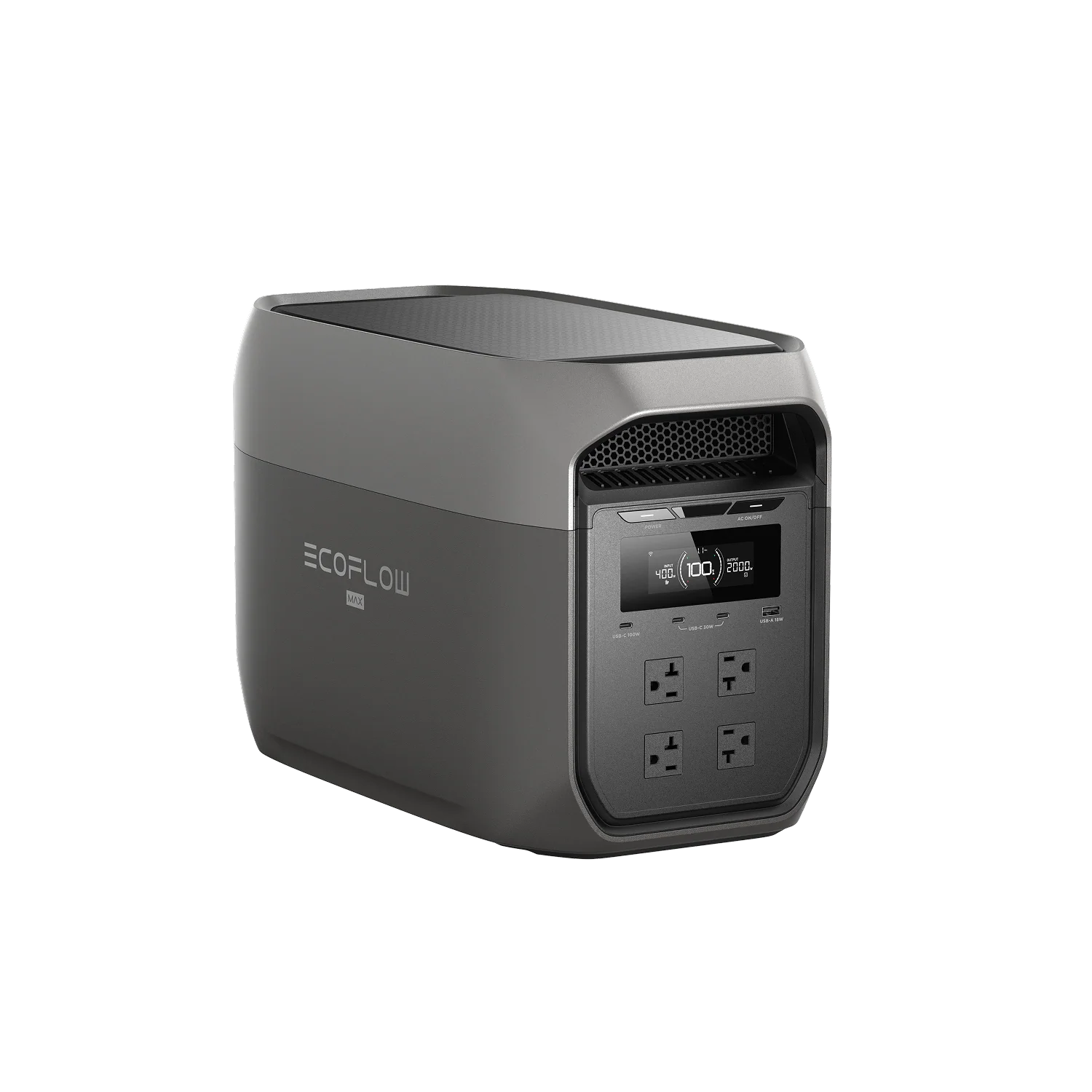
When particles collide with gas molecules (oxygen, nitrogen, etc.), they transfer energy. Over time, molecules lose their energy by releasing light: the aurora. When you’re out aurora-hunting, make sure your essential devices stay juiced up with the EcoFlow DELTA 3 Max Plus; it’s compact, powerful, and great for RV travel if you’re planning to roadtrip to your destination.
The Solar Cycle Explained
The sun’s activity rises and falls in a repetitive cycle called the solar cycle.
The Sun’s 11-Year Cycle
Every 11 years, the sun goes through a natural cycle of rising and falling magnetic activity. Here’s a breakdown of the current Solar Cycle 25 timeframe:
Solar Minimum: December 2019. The quietest point of the cycle, with few sunspots and solar activity.
Rising Phase: 2020-2023 Magnetic field activity begins to increase, thus more sunspots and solar activity.
Solar Maximum: 2024-2026. Magnetic fields are the most unstable, resulting in the highest levels of sunspots and solar activity.
Declining Phase: 2027-2030. Intense solar activity can still occur, but it becomes less frequent and weaker.
Next Minimum: 2030-2031. The sun’s magnetic field will balance and remain quiet until the next cycle begins.
Scientists track the phases of the cycle by counting sunspots and measuring solar activity such as solar flares and coronal mass ejections (CMEs).
The Solar Maximum and Aurora
During the solar maximum phase, the unstable magnetic fields generate the most sunspots. Sunspots release solar flares and CMEs, and during this phase, they are the strongest and most frequent.
CMEs trigger geomagnetic storms, where the sun’s particles interact with Earth’s magnetic field. The end result? Greater aurora opportunity.
Why 2026 Is An Aurora Golden Year
Initially, scientists predicted Solar Cycle 25 would be mild, but it has been the opposite. The solar maximum began in 2024 with a surge of activity and hasn’t slowed down.
Scientists believe this is a double-peak maximum event; instead of one solar maximum, there are two. This occurs when the southern and northern hemisphere magnetic fields don’t peak at the same time, extending the solar maximum phase.
When there’s a double peak, the solar maximum lasts longer, and there are more flares and CMEs. For hunters, this means more viewing time and more lights.
Plan Your Aurora Hunt
The Best Months For Viewing
December 2025 to February 2026: There is still time to hit this window for your hunt. These months offer the longest stretch of darkness for maximum viewing hours, upwards of 12 to 15 hours. The temperatures are the lowest during this time.
March and 2026: Aligning with the equinox effect, when the Earth’s magnetic field is best poised for solar particles due to the Russell-McPerron effect.
October 2026: If you need to wait for your hunt, October is a good month. Longer nights return increasing viewing opportunities. However, the cycle may enter the declining phase by this time.
You can always check the aurora forecast for geothermal storm ratings before heading out.
Top Places For Aurora Hunting In Canada
Jasper National Park, Alberta
Typically, this park is too far south, but during a solar maximum cycle, the lights reach farther. This national park is a dark sky preserve, and with minimal light pollution, the lights are clearer. People flock here for the aurora reflections of Pyramid Lake, and it’s not too remote.
Yellowknife, Northwest Territories
You’ll have the highest statistical chance of observation because of the flat terrain and arid climate. There are usually clear skies, so it’s a safe bet for first-timers. Check out Aurora Village for a convenient stay and viewing accommodations.
Churchill, Manitoba
This location is directly under the auroral oval, making the lights intense and visible many nights of the year. The Boreal Lounge has a glass viewing dome, which is great for anyone who doesn’t want to bear the Arctic temperatures.
Battle Harbour, Newfoundland and Labrador
Go here if you want a rugged hunting experience. Battle Harbour is a remote island with a quaint fishing village. It’s the perfect location for off-grid camping combined with aurora hunting.
Tips For Successful Aurora Hunting
Check the forecast. Look for cloud coverage and the level of geothermal storm. Higher storm ratings are better for the lights.
Avoid light pollution, as it competes with the northern lights. Use flashlights in red light mode.
Plan a 3 to 5-night trip, in case of bad cloud coverage for one night.
Sleep during the day and go out in the afternoons. It helps you stay up later.
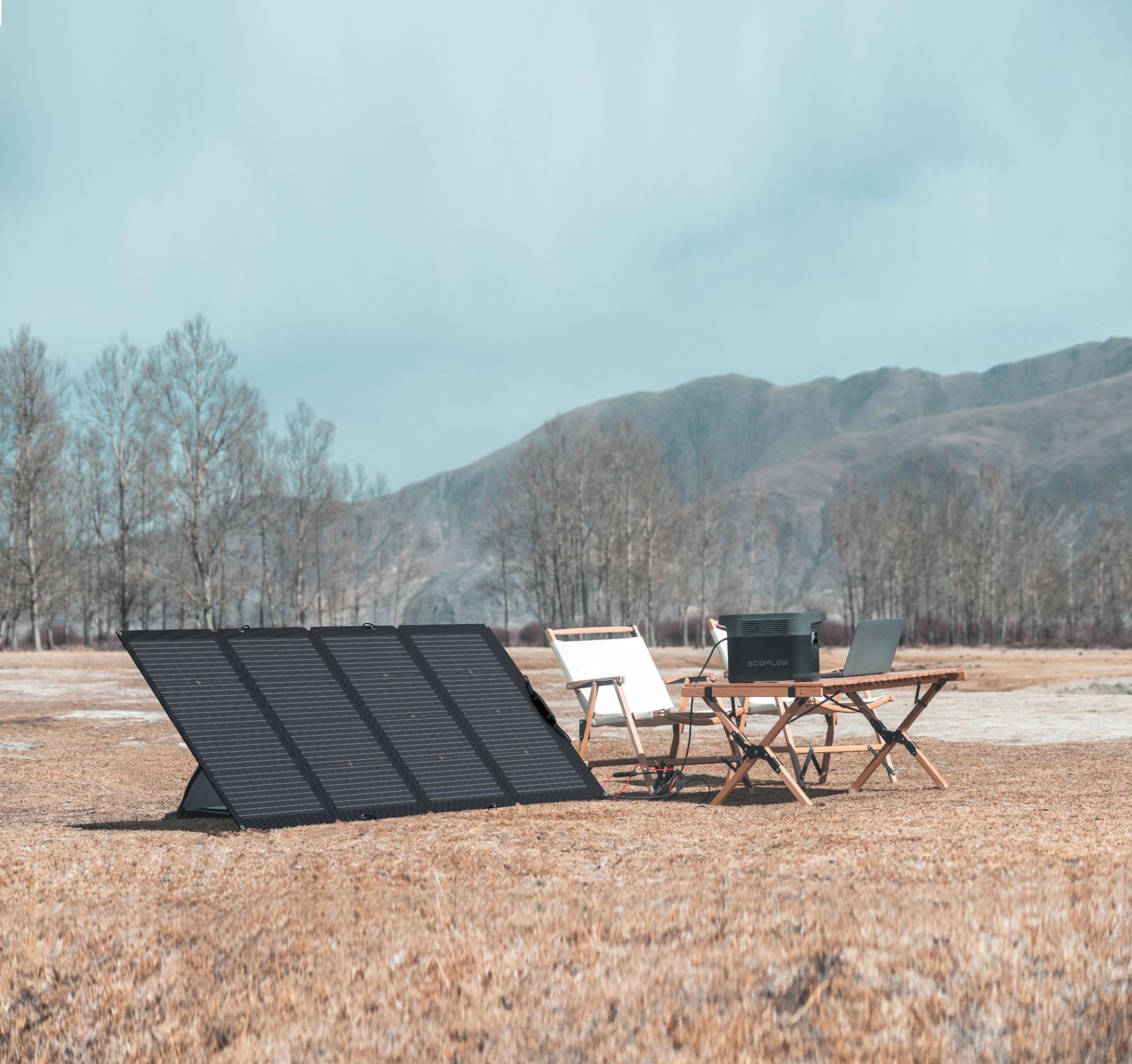
Set your phone’s camera to the correct settings to capture pictures. Use night mode and set the exposure to 3 seconds. Keep your phone’s battery topped off with an EcoFlow DELTA 3 Max Series, perfect for popping in your car or RV for on-the-go power.
Dress for the cold. Watching is a static activity, unlike skiing, biking, or hiking.
Ready to See the Aurora in 2026?
You shouldn’t wait too long before booking your aurora hunting experience this year. Thankfully, hunters can take advantage of the double peak maximum with Solar Cycle 25 and see excellent light displays well into March 2026, but once the decline starts, it’ll be another 11 years before a solar maximum phase comes again.
When planning your trip, check the weather beforehand, look for accommodations with good views, and dress for standing out in the cold. Use an EcoFlow DELTA 3 Max Plus Portable Power Station to bring reliable, robust power with you to the northern lights.