Solar Battery in Canada: Best Home Solar Storage Systems for 2026
- What Is the Best Solar Battery Storage for Canada in 2026?
- Why Are Canadian Power Grids Becoming Less Reliable?
- How to Ensure Whole Home Backup and Portable Flexibility?
- Which Battery Features Are Critical for the Canadian Climate?
- What Should You Consider Before Making a Final Decision in 2026?
- Conclusion
- FAQ
With extreme weather becoming increasingly common across North America, more Canadian homeowners are looking for reliable backup power at home. Solar panels alone don’t always provide the level of reliability people want during outages. You also need a battery system that can store power reliably when the grid goes down.
At the same time, Canada’s power grid is facing increasing strain from rising electricity demand and aging infrastructure, while provincial rebate policies continue to evolve. As a result, choosing the right solar battery storage system matters more than ever.
This guide explores the best home solar storage systems available in Canada for 2026. We’ll compare the top-performing options, explain why Canada’s power grid is under increasing pressure, show you how to balance whole-home backup with portable flexibility, and break down the key features you need to handle Canadian winters and temperature extremes.
What Is the Best Solar Battery Storage for Canada in 2026?
In 2026, Canada’s solar storage market will feature more efficient and flexible battery systems designed to help homeowners store solar energy, lower electricity costs, and maintain backup power during outages. A portable power station can also be used as a flexible backup option for basic household energy needs and emergency situations.
Review Top-Performing Solar Storage Units
The current market largely revolves around high-capacity Lithium Iron Phosphate (LFP) battery systems. They’re valued for their safety and long cycle life. Top systems in 2026 also focus on smart grid integration, helping homeowners optimize when they store electricity and when they draw power from the grid.
Most newer systems include app-based energy management tools. You can track electricity usage, control when the battery charges, and reduce consumption during peak pricing hours.
Calculate Regional Load During Summer Peaks
To size a system properly, start by calculating your household’s energy use during seasonal extremes. In Canada, summer peak loads have changed a lot. More homes now run high-tonnage heat pumps and central AC. Check your utility bills from July and August to calculate your kWh usage and understand your daily energy consumption. That way, you’ll know your solar battery can handle both the steady running load and the big spikes from cooling systems working hard.
Compare Modular vs. Fixed Wall Units
When you invest in a system, one key decision is choosing between a fixed wall-mounted unit and a modular expandable platform. Fixed wall units have a small footprint and a clean look. They work well in Toronto or Vancouver townhomes where space is tight.
Modular setups give you more flexibility over time. You can add battery blocks as your power needs grow, like when you get an electric vehicle. That flexibility matters if your energy needs change later on.
Evaluate Battery Efficiency in High Temperatures
Winter performance gets a lot of attention in Canada, but summer thermal management matters just as much. High heat can speed up battery degradation and cut into efficiency if the system doesn’t have proper cooling. The best 2026 systems use liquid cooling loops or advanced passive heatsinks to keep internal temperatures in check, which allows your investment to deliver full power even during a blistering summer heatwave.
Why Are Canadian Power Grids Becoming Less Reliable?
More Canadians are looking for home energy backup and greater energy independence as provincial power grids face growing pressure. Across the country, aging infrastructure, extreme weather, and rising electricity demand are making outages and grid instability more common.
Recent NERC Level 3 Alerts on Grid Stability
The North American Electric Reliability Corporation (NERC) has issued multiple high-level reliability alerts in recent years as grid operators across North America face growing pressure from extreme weather, rising electricity demand, and aging infrastructure. These warnings mean generation reserves are dangerously low. System operators often have to call for emergency conservation or prepare for rolling blackouts to keep the whole regional grid from collapsing.
Managing Peak Loads During Heatwaves
During major summer heatwaves, electricity demand rises fast as millions of homes run air conditioning at the same time. Utilities sometimes need to bring older backup plants online just to keep up. Much of the grid simply wasn’t built for this level of sustained summer demand.
Aging Transformers Failing in Heat
The weak points in Canada’s aging grid often lie in oil-cooled distribution transformers perched on local utility poles. Extreme summer heat can push these older units over the edge, causing power outages that affect entire blocks. In these conditions, homeowners need an emergency power solution that is both fast and reliable.
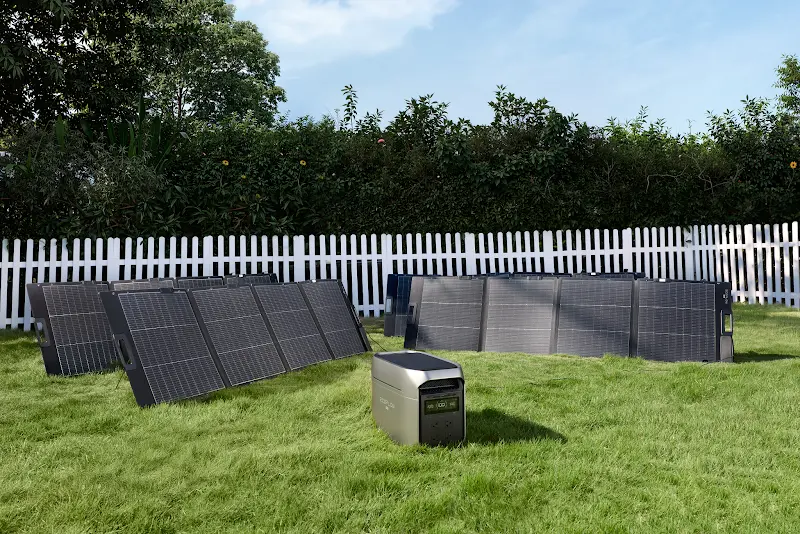
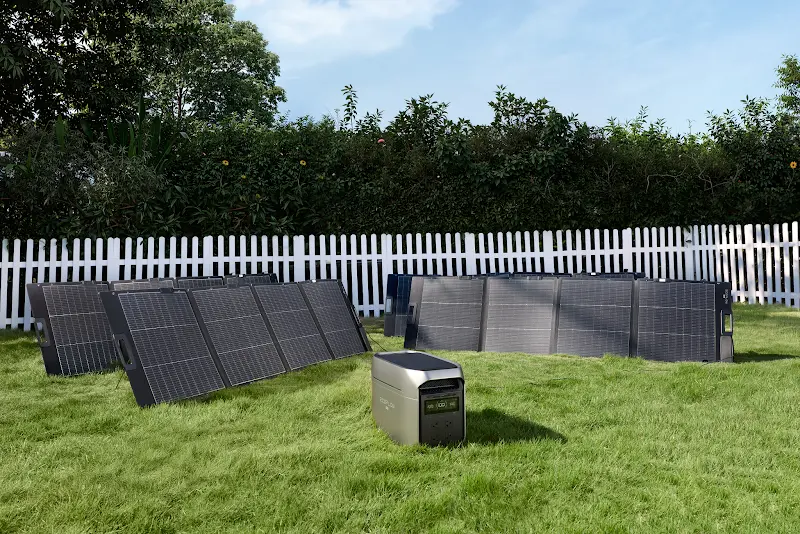
The EcoFlow DELTA 3 Max Plus (2048Wh) + 500W Solar Kit is designed to address these needs. It can quickly provide backup power for critical household loads, including full-sized refrigerators and essential medical equipment, the moment the grid goes down, helping keep essentials running during an outage.
But its value goes beyond standard home backup. Built for rugged durability and designed to be highly mobile, this system doubles as a reliable power source during summer wildfire evacuations or remote off-grid cottage trips. With the DELTA 3 Max Plus, your family can stay safely connected and fully powered, whether at home or on the move.
How to Ensure Whole Home Backup and Portable Flexibility?
In the past, picking a backup power system meant choosing between a big permanent home installation or a small limited portable generator. That trade off is gone now. New engineering has blurred the line. Hybrid systems give you heavy-duty home protection and mobile energy independence in one package.
Utilize One Unit for House and Trips
Today’s lifestyle needs flexible gear. A premium energy investment shouldn’t remain idle for most of the year. Real versatility means one system anchors your home’s emergency circuits during storm season, but can also unplug and ride in the back of a truck for a cross-country trip or an off-grid build.
Transition From Portable to Whole Home Backup
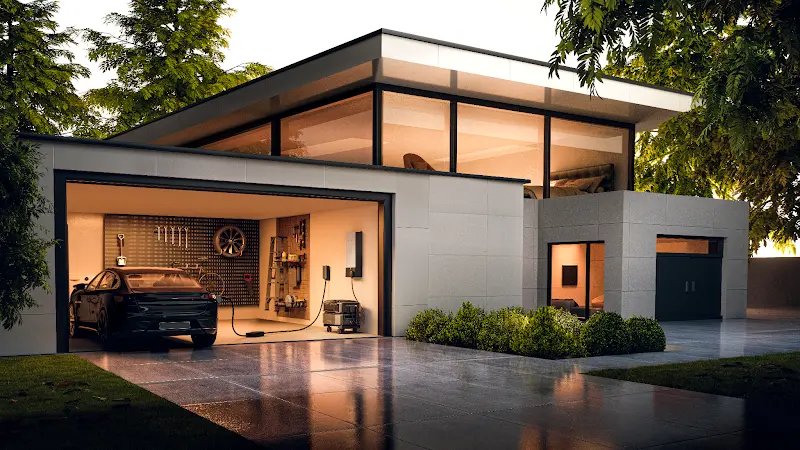
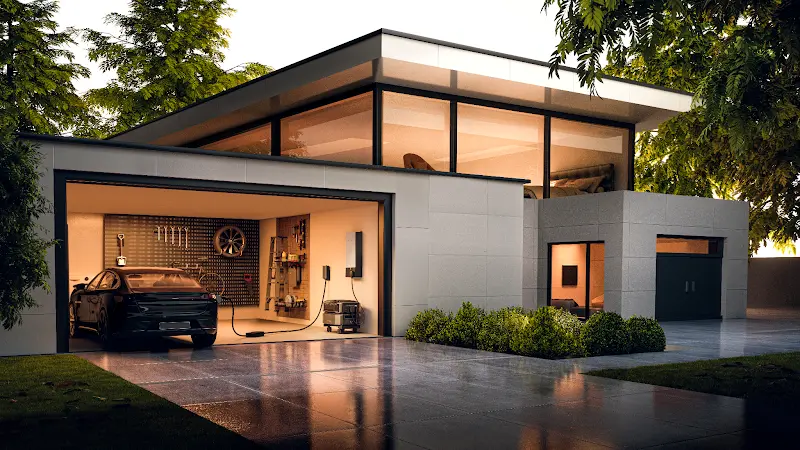
You don’t need to permanently install a bulky system in your basement to get full home backup power. The EcoFlow DELTA Pro Ultra Whole-Home Backup Power offers strong whole-home backup with a flexible, modular design.
When a major storm threatens your primary residence, it acts as a large backup system that can handle major 120V and 240V household appliances. But thanks to its modular architecture, battery modules can be detached and transported for off-grid use at cabins, remote job sites, or outdoor events. In just a few minutes, the system can shift from home backup duty to a mobile off-grid power station. It’s powerful enough to run heavy tools, outdoor cooking equipment, or even a full campsite entertainment setup.
Integrate Lightweight Units for Remote Off-Grid Cabins
For cabins or remote hunting camps deep in the bush, a smaller, simpler solar setup usually makes the most sense. Using a solar generator can be a practical way to harness clean energy without the smell or noise of gas engines. These units are easy to haul in over rough ground or by boat. Once connected, they can provide reliable power for lights, pumps, and communication devices. They are lightweight, quiet, and require no fuel handling, unlike traditional gas generators.
Scale Capacity With Modular Battery Expansions
As your family grows, your property expands, or your baseline energy consumption increases, your storage system should easily adapt alongside you. Modular battery expansions allow homeowners to systematically scale up their storage capacity without needing to replace the expensive core inverter unit. It also means you can expand your system later instead of replacing everything upfront.
Which Battery Features Are Critical for the Canadian Climate?
Canada’s weather is brutal on electrical gear. Humid summers, deep freeze winters, and everything in between. If you want a solar battery to last and actually work right, it needs to be built for what this country throws at it.
| Climate Challenge | Critical Battery Feature | Real-World Benefit in Canada |
|---|---|---|
| Sub-Zero Temperatures | Advanced LFP Chemistry | Maintains structural stability and prevents capacity degradation during deep winter freezes. |
| High Heat Charging | Integrated Thermal Management | Protects sensitive battery cells from degrading during rapid summer solar charging cycles. |
| Heavy Aircon Startup | High Peak Output (Surge Capacity) | Effortlessly handles the massive initial starting current required by central AC compressors. |
| Multi-Day Outages During Ice Storms or Wildfires | Scalable Modular Design | Allows expansion to sustain critical household infrastructure over multi-day winter or wildfire outages. |
Cold Weather Performance of LFP Cells
Lithium Iron Phosphate (LFP) batteries are now the go-to choice for Canadian homes. They’re stable and last a long time. But like most lithium cells, they don’t love freezing temps. If you’re putting the battery in an unheated garage, shed, or outside enclosure, pick an LFP system rated for a wide temperature range. That way, it won’t lose performance when winter hits.
Thermal Management for Summer Charging
Charging a battery during a heatwave can be risky. Peak summer sun pushes maximum current into the cells, and if the battery sits in a hot garage or outdoor enclosure, internal temperatures can spike. Standard lithium packs may throttle charging to avoid damage. Premium systems use liquid cooling or advanced heatsinks to dissipate heat, allowing fast, safe charging without reducing battery lifespan.
Peak Output for AC Compressor Starts
Running an appliance is easy. Starting one with a heavy motor takes a huge burst of power. Central AC compressors and big sump pumps can draw up to three times their normal wattage for that first second. Your home storage system needs a high peak output rating to handle those spikes without tripping its internal breakers.
Scale Capacity for Multi-Day Outages
A short afternoon blackout is just an inconvenience. But a multi-day outage from an ice storm or summer wildfire is a real threat to your property and safety. To get through that comfortably, your storage system needs enough capacity to hold several days of baseline power. That way, your essentials can keep running until utility crews restore power.
What Should You Consider Before Making a Final Decision in 2026?
Before you sign anything or lock in an install date, look past the upfront price. Think about how the system will perform over the next ten years. That’s what really matters.
Maintenance Needs Over the Long Term
The ideal solar battery should be a set it and forget it system. You shouldn’t have to mess with it often. Solid state cooling and good weather sealed enclosures mean fewer part replacements and no complicated cleaning. Your system just sits in the mechanical room and runs its daily cycles without you thinking about it.
Expansion Options for Future Demand
When your power needs grow, you don’t want to replace the whole thing. Find out how many expansion modules the main unit can handle, how easily they fit into your existing panel setup, and whether the system can take future battery upgrades or new smart home tech. This type of scalability is valuable for long-term energy planning.
Warranty and Lifecycle Expectations
A good residential solar battery should last for 3,000 to 6,000 full cycles before you see any real drop in capacity. Make sure the manufacturer backs that up with a solid long-term warranty that covers both the battery cells and the onboard electronics. This ensures your energy independence stays secure for at least ten years.
Conclusion
Switching your Canadian home to solar storage is the best way to guard against an unstable grid and shrink your environmental footprint. Run a careful power assessment and pick equipment built for Canada’s climate. That helps you stay prepared for outages without giving up day-to-day convenience.
Choose a portable system like the DELTA 3 Max Plus for home backup and weekend trips, or go with a whole home unit like the DELTA Pro Ultra for full residential security and off-grid capability. For many Canadian homeowners, solar storage is becoming a practical way to stay prepared for outages and reduce long-term electricity costs.
FAQ
What Is the Solar Battery Rebate in Ontario?
The federal Greener Homes Grant is officially closed to new applications. Low-to medium-income homeowners can now look into the new Canada Greener Homes Affordability Program (CGHAP) for no-cost home retrofits. For average-income households, while there are no direct battery rebates, Ontario’s Ultra-Low Overnight (ULO) rate serves as the best financial lever, allowing you to arbitrage energy by charging your battery at under 3¢/kWh overnight, then using that stored power to shave peak demand during expensive daytime hours.
What Size Backup Battery Can Run a Home for 48 Hours?
A 20–30 kWh battery bank can keep an average Canadian home running for two full days if you focus on essential loads such as refrigeration, water pumps, LED lighting, and communication devices. High-power appliances like electric dryers, hot tubs, or large HVAC systems should be avoided to preserve battery life.
How Long Do Battery Backups Last During a Power Outage?
A standard residential battery typically lasts 8–24 hours, but with smart energy management, like turning off non-essential devices and adjusting heating or cooling, it can often power essential loads for several days.
How Long Will a Solar Battery Run a Refrigerator?
A 2 kWh solar battery can often keep a modern Energy Star refrigerator running for roughly 24 hours or longer, depending on cycling conditions and ambient temperature. Since fridge compressors cycle on and off rather than running continuously, real-world energy consumption is efficient, making even a mid-sized battery sufficient to keep food safely refrigerated during extended outages.
What Is the Payback Period for Solar Battery Storage?
In Canada, residential solar battery systems generally have a payback period of 7–12 years, influenced by local electricity rates, how much sun your location receives, and whether you optimize energy usage to avoid expensive peak-hour rates. As battery prices decrease and utility programs evolve, the financial return is becoming increasingly attractive.