How to Maximize Savings with Ontario's Time-of-Use Pricing
- What are Time-of-Use (TOU) Electricity Rates?
- Why Does Ontario Use Time-of-Use (TOU) Pricing?
- Common Ontario TOU Time Periods and Prices
- How to Save Money With TOU Pricing in Ontario
- Charge EVs and Portable Power Overnight
- Pre-Heat or Pre-Cool Your Home Smartly
- Use Smart Plugs and Energy Management Tools
- FAQ for Time-of-Use in Ontario
- Conclusion
With the cost of living continuing to climb, Ontario households are looking for practical ways to cut monthly expenses. One area where you have real control is your electricity bill. The province’s Time of Use (TOU) pricing system makes it possible to lower costs simply by shifting when you use power.
By planning certain activities like running appliances, charging devices, or doing laundry during off peak hours, you can trim your energy bill without sacrificing comfort. Understanding how TOU works is the first step toward unlocking consistent savings.
What are Time-of-Use (TOU) Electricity Rates?
Time of Use (TOU) rates are Ontario’s way of linking electricity prices to when power is in highest demand. Rather than paying one flat fee, the cost of electricity shifts throughout the day, it is higher during peak periods when households and businesses are using the most energy, and lower during quieter hours when demand drops. This system not only encourages people to spread out their usage but also helps relieve strain on the provincial grid.
For families, it means that by paying attention to when you run appliances or charge devices, you can directly influence the size of your monthly bill. In other words, TOU gives you the flexibility to save simply by adjusting your daily habits.
Why Does Ontario Use Time-of-Use (TOU) Pricing?
Ontario’s move to Time of Use pricing is part of a broader effort to keep the province’s electricity system stable and sustainable. When demand surges like on a sweltering summer afternoon when air conditioners are running full tilt, the grid can quickly become overburdened. By raising rates during these high demand periods, the province encourages households and businesses to shift some of their electricity use to quieter hours.
This approach helps prevent Ontario outages, reduces stress on transmission infrastructure, and lowers the need for costly investments in new power plants that would otherwise be used only during short bursts of peak demand. In practice, TOU pricing empowers consumers to become active partners in managing the grid, supporting both reliability and long-term energy conservation across Ontario.
Common Ontario TOU Time Periods and Prices
Ontario’s Time of Use system splits electricity into Off Peak, Mid Peak, and On Peak rates, which shift depending on the season. In summer, afternoons are the most expensive, while in winter, mornings and evenings carry higher costs. Weekends and statutory holidays are always off peak, giving households a chance to run chores like laundry or dishwashing at the lowest rate. Knowing these schedules is the key to timing your usage and cutting down on monthly bills.
Summer Schedule (May 1 – Oct 31)
In the summer, electricity demand spikes in the afternoon as air conditioners run across the province. Ontario’s TOU schedule reflects this pattern:
On Peak (11 a.m. – 5 p.m.): The most expensive time of day, when demand is highest. Avoid running heavy appliances if possible.
Mid Peak (7 a.m. – 11 a.m. and 5 p.m. – 7 p.m.): Moderately priced hours that cover morning routines and early evenings.
Off Peak (7 p.m. – 7 a.m., plus weekends and statutory holidays): The cheapest period and the best time to do laundry, run the dishwasher, or charge devices.
Winter Schedule (Nov 1 – Apr 30)
In the colder months, electricity use climbs in the mornings and evenings when heating, lighting, and cooking are in full swing:
On Peak (7 a.m. – 11 a.m. and 5 p.m. – 7 p.m.): The priciest hours, overlapping with breakfast and dinner time.
Mid Peak (11 a.m. – 5 p.m.): A moderate rate, when many people are at work or school and demand dips slightly.
Off Peak (7 p.m. – 7 a.m., plus weekends and statutory holidays): The most affordable period, offering the best window to shift high-energy tasks.
To make Ontario’s Time-of-Use schedules easier to follow, here’s a quick reference chart that outlines both the summer and winter periods at a glance.
Ontario TOU (Time-of-Use) Rate Chart (Effective May 2025)
| Period | Summer (May 1-Oct 31) | Winter (Nov 1-Apr 30) | Weekends & Statutory Holidays |
|---|---|---|---|
| On-Peak | 11 a.m. – 5 p.m. | 7 a.m. – 11 a.m. & 5 p.m. – 7 p.m. | Off-Peak |
| Mid-Peak | 7 a.m. – 11 a.m. & 5 p.m. – 7 p.m. | 11 a.m. – 5 p.m. | Off-Peak |
| Off-Peak | 7 p.m. – 7 a.m. | 7 p.m. – 7 a.m. | All Day |
| Rate | ~$0.24/kWh (On-Peak) | ~$0.17/kWh (Mid-Peak) | ~$0.10/kWh (Off-Peak) |
Note: TOU rates are set by the Ontario Energy Board and may change over time. Exact prices can also vary slightly depending on your local utility provider. The above chart is provided for reference only.


How to Save Money With TOU Pricing in Ontario
Now that you know what TOU pricing is and why it exists, the real question is how to use it to your advantage. Cutting costs doesn’t mean giving up the appliances you rely on every day, it simply means using them at smarter times.
By shifting a few habits and planning around Ontario’s rate schedule, you can lower your electricity bill in your apartment without sacrificing comfort or convenience. Even small adjustments, like running laundry later in the evening or charging devices overnight, can add up to meaningful savings month after month.
Shift Appliance Use to Off-Peak Hours
One of the easiest ways to cut your bill is by timing when you run the biggest energy users in your home, appliances like the dishwasher, washing machine, and clothes dryer. Instead of turning them on right after dinner on a weekday, take advantage of the off peak window after 7 p.m. or save those chores for the weekend, when rates stay low all day. Most modern appliances include a delay start function, so you can load them earlier and let them run later automatically. This small adjustment shifts a large portion of your energy use away from expensive hours and into the cheapest rate periods, adding up to real savings over time.
Charge EVs and Portable Power Overnight
Electric vehicles and portable power stations are excellent tools for cutting emissions and building energy independence, but they also draw a lot of electricity. The trick is to be strategic about when you plug them in. Instead of starting a charge the moment you get home, wait until later in the evening and let them recharge overnight. By scheduling charging during off peak hours, you’ll be paying the lowest available rates, and your car will still be fully topped up by morning.
The same principle applies to portable power stations, such as EcoFlow units. These can be charged overnight at minimal cost and then used during the day to run laptops, Wi-Fi routers, or even a small fridge, helping you avoid expensive on peak usage. For Ontarians working from home, this approach can keep a full workstation running efficiently while keeping electricity costs under control.
Pre-Heat or Pre-Cool Your Home Smartly
Heating and cooling systems account for the largest share of electricity use in most Ontario households, so they’re the best place to target savings. Instead of adjusting the thermostat during the most expensive hours, use a programmable or smart thermostat to run your furnace or air conditioner during off peak times. In winter, for instance, you might schedule the furnace to come on around 6 a.m., warming the house before the on peak period begins.
The retained heat will carry you through the morning without needing to pay higher rates. In the summer, the same strategy works for cooling, pre-cool your home in the evening and let it stay comfortable well into the peak period. By planning ahead, you maintain comfort while avoiding the steepest prices.
Use Smart Plugs and Energy Management Tools
Smart home technology makes it easier than ever to take advantage of TOU pricing without constantly watching the clock. Smart plugs let you schedule when devices switch on and off, so you can, for instance, have an electric water heater or small space heater draw power overnight and shut down automatically before peak rates begin.
Pairing these with smart thermostats or connected appliances gives you even more control, as many now include built-in energy management settings. Once set up, the system quietly optimises your electricity use in the background, turning cost savings into a nearly effortless routine.
Avoid Heavy Appliance Use During Peak Hours
Certain appliances consume so much electricity that running them during peak times can cause your bill to climb quickly. Ovens, electric ranges, and clothes dryers are the biggest culprits. The easiest way to save is by shifting these tasks outside of peak windows, baking earlier in the day, using a slow cooker that runs during cheaper hours, or wait until after 7 p.m. to dry laundry. With just a bit of planning, you can keep your household routine intact while steering clear of the most expensive rates. Over the course of a month, those small choices add up to significant savings.
Consider Battery Storage Solutions
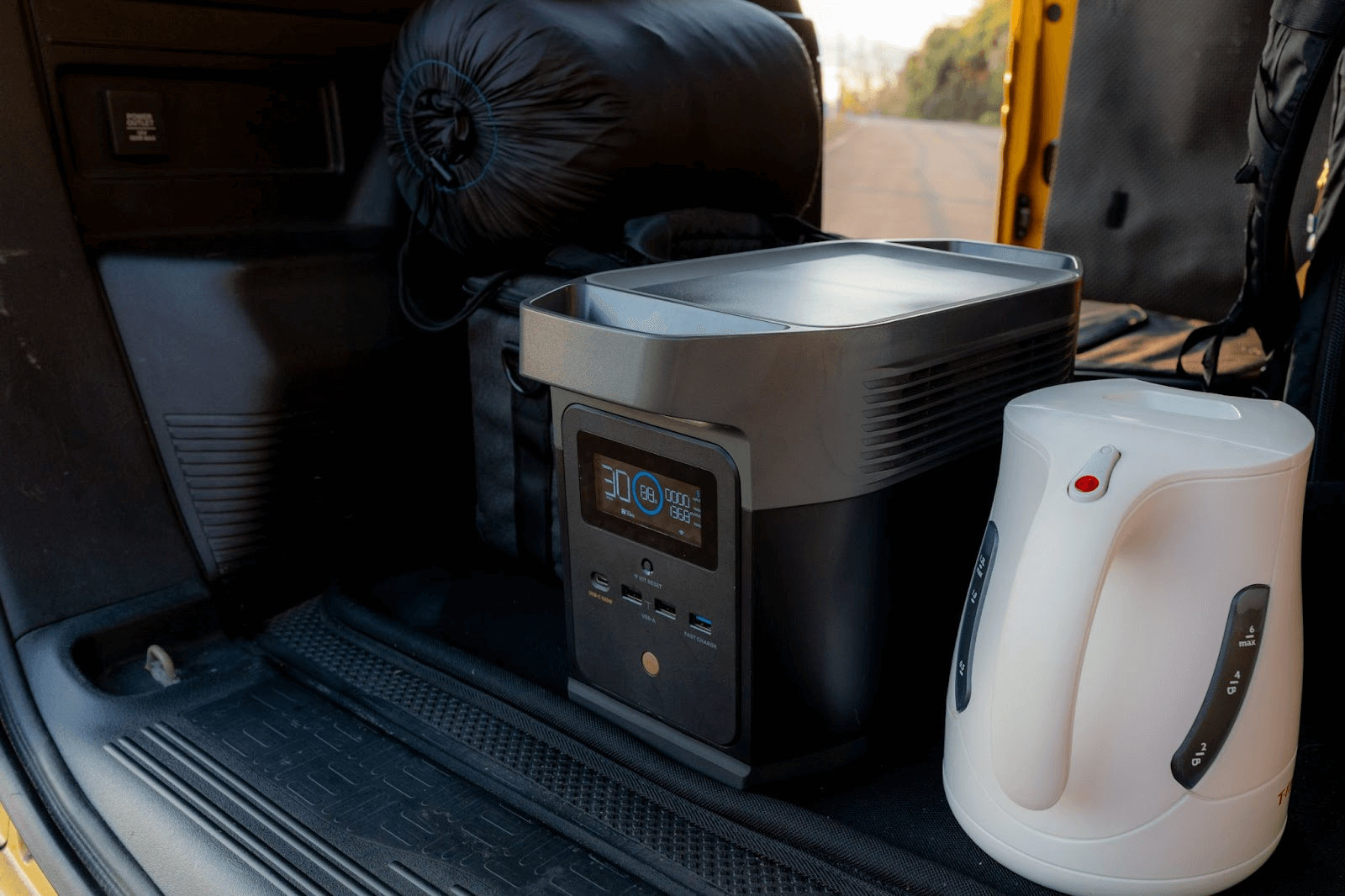
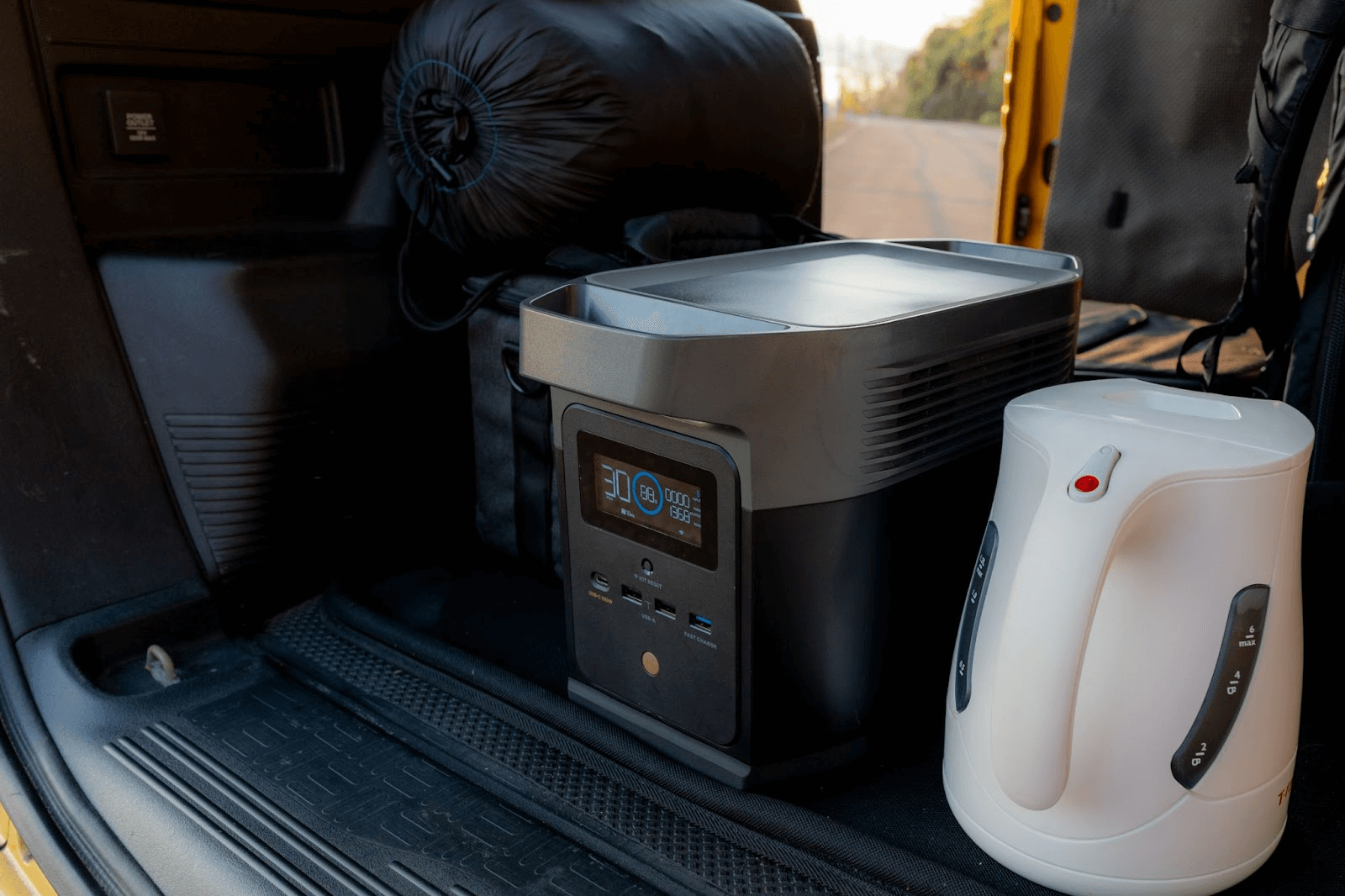
If you’re serious about lowering electricity costs and adding resilience to your home, a battery storage system is worth considering. These systems allow you to store cheap off peak electricity and use it when rates climb, effectively flattening your energy costs. For example, the EcoFlow DELTA 2 Portable Power Station can be charged overnight at rates as low as $0.08/kWh, then used during peak hours when prices are more than double. Over time, this approach can reduce household electricity expenses by as much as 50%.
With an expandable 1- 3 kWh capacity and an 1800W AC output (boosting to 2200W with X-Boost), the DELTA 2 has enough power to keep essentials like your fridge, lights, and Wi-Fi running through expensive periods or even during a blackout. For Canadian households looking to both save money and gain peace of mind, battery storage provides a flexible, future proof solution.
FAQ for Time-of-Use in Ontario
What is the Best Time to Use Electricity in Ontario, and Does It Affect Tasks Like Laundry?
In Ontario, electricity is cheapest during off-peak hours, which run from 7 p.m. to 7 a.m. on weekdays and continue all day on weekends and statutory holidays. These hours are the best time to schedule energy-intensive activities such as doing laundry, running the dishwasher, or charging an electric vehicle. Washers and dryers, in particular, use a large amount of power, so shifting these chores to evenings or weekends can make a noticeable difference on your monthly bill. By aligning your household routines with off peak pricing, you not only cut costs but also help reduce strain on the provincial grid during its busiest periods.
Do All Provinces Use TOU Pricing?
No, Time-of-Use pricing isn’t used everywhere in Canada. Ontario is the main province with a full TOU system, while Alberta relies on a competitive market where prices change hourly. In British Columbia and Quebec, most households pay flat or tiered rates instead. Each province takes a different approach, so it’s worth checking your local utility to understand how your rates work.
How do TOU Rate Strategies Help Reduce Energy Costs in Canada?
TOU strategies lower energy costs by shifting when you use electricity rather than how much you use. By running high demand appliances like laundry machines, dishwashers, or electric vehicle chargers during off peak hours, you’re billed at a lower rate per kilowatt hour. Over time, these small changes can lead to significant savings on your monthly bill. It’s essentially a reward system for using electricity more efficiently, helping households save money while also easing pressure on the power grid.
How Often Do Ontario TOU Rates Change?
In Ontario, TOU rates are set by the Ontario Energy Board (OEB) and usually change twice a year, once in May and again in November. These adjustments line up with the switch between the summer and winter schedules, when electricity demand patterns shift. The OEB announces the new rates ahead of time, giving households a chance to plan and adapt their energy habits before the changes take effect.
Conclusion
Maximising your savings with Ontario’s TOU pricing doesn’t require drastic lifestyle changes, it comes down to being intentional about when you use electricity. Simple, consistent habits like running laundry in the evening, charging devices overnight, or cooking outside of peak windows can lead to meaningful reductions on your monthly bill. At the same time, these shifts help strengthen the province’s electricity grid by spreading out demand more evenly, supporting a more sustainable system for everyone.
For households that want to take their savings further, portable power stations offer a practical way to gain extra flexibility. By charging units like the EcoFlow portable power station during low cost off peak hours, you create a dependable backup source that can keep essentials running during expensive peak periods or unexpected outages. It’s both a financial and practical investment, one that gives Canadian families more control over their energy use while adding peace of mind for the future.