Backcountry Camping in Alberta: Banff, Jasper, and Kananaskis Permit Guide with Off-Grid Power
- What Are Alberta's Backcountry Camping Permit Rules?
- Where Can You Legally Camp: National Parks, PLUZs, and Provincial Campgrounds
- What Are Typical Fees, Stay Limits, and Penalties?
- What to Pack: Navigation, Essential Gear, and Power Readiness
- Why Choose a Modern Off‑Grid Power Setup for Remote Campsites?
- Ready to Power Your Alberta Backcountry Adventures with EcoFlow DELTA 3 Classic?
- Frequently Asked Questions
- Boost Safety, Comfort, and Independence with Off‑Grid Power
Alberta is home to stunning scenery full of majestic mountain peaks, glacial rivers, and alpine meadows. Venturing out into the wilderness is a tempting proposition for adventurers, but it requires careful planning as well as a good understanding of local regulations.
This guide covers the essential backcountry camping rules in the province, plus how to plan for your adventure, including accessing off-grid portable power.
What Are Alberta's Backcountry Camping Permit Rules?
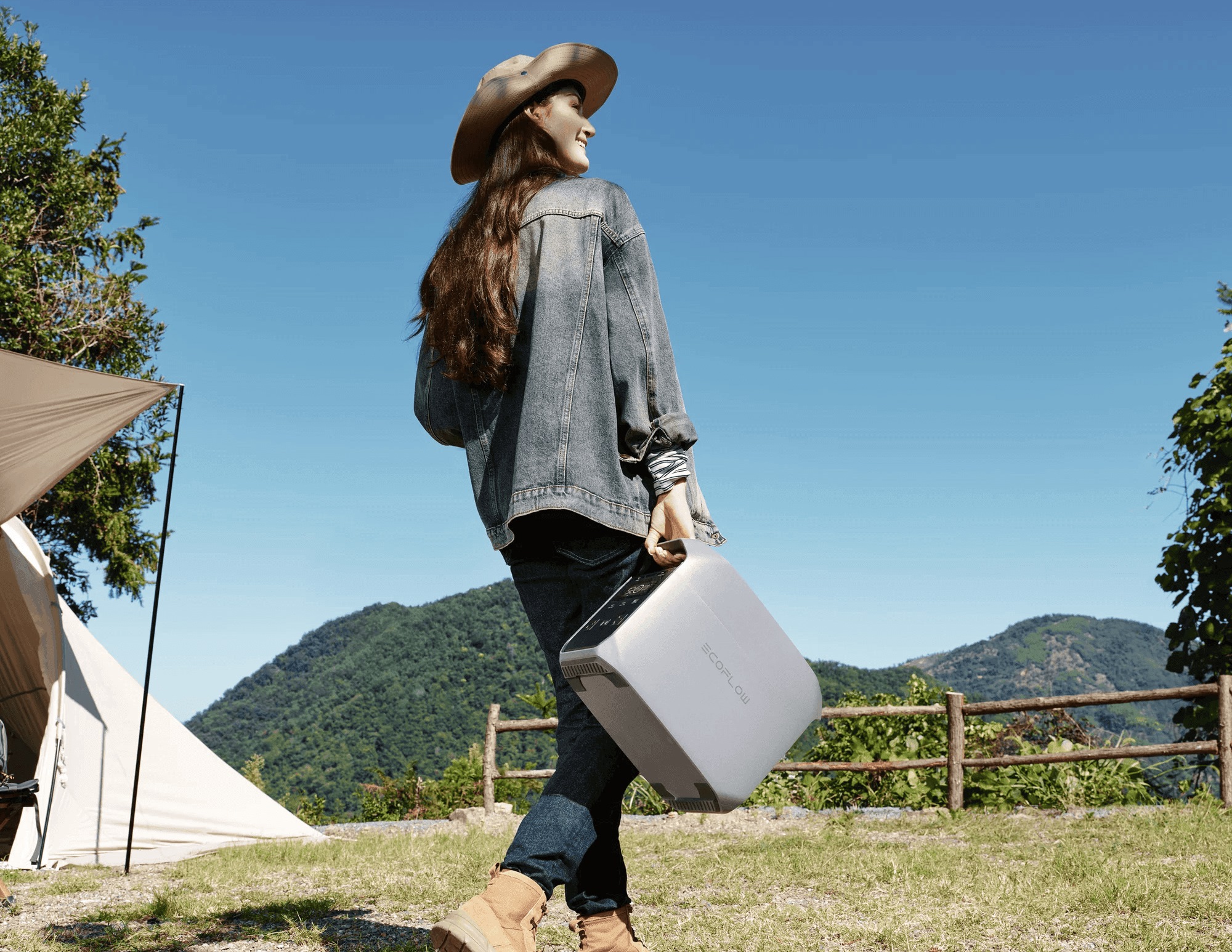
Heading out into the wilds of Alberta requires some careful planning, from stocking up on essential food and devices like phones and satellite messengers to ensuring you’ve got access to off-grid power in the form of a device like an EcoFlow DELTA 3 Classic.
One of the most important things to be clear about is Alberta's backcountry permit rules, which clarify what you can and cannot do out in the wild areas.
The territory is divided into:
National Parks (federally protected)
Provincial Parks (managed by the provincial authorities)
Wildland Areas (public)
You can’t just set up camp anywhere you want, and you need to follow the rules and get the correct authorization.
A Backcountry Camping Permit is needed for any overnight stay in federal territories like Banff and Jasper National Parks, and you’ll need to book in advance using the Parks Canada reservation system.
A similar system operates for provincial territories, which are managed via Alberta Parks, for areas like Kananaskis Country.
For camping on public land in Western Canada, you’ll still need a permit. In Alberta, this is the Public Lands Camping Pass.
Where Can You Legally Camp: National Parks, PLUZs, and Provincial Campgrounds
When camping in Alberta, the rules depend on the type of land you’re camping on.
National Parks (Banff, Jasper)
No random camping, or wild camping, is allowed in national parks, and you must stick to designated gravel tent pads in backcountry campgrounds, which come with facilities like communal fire rings and pit toilets.
Public Land Use Zones (PLUZs)
If you’re looking for free places to camp in Canada, PLUZs are sections of provincial Crown Land that are managed for recreation. Random camping is permitted, but there are no facilities or services. You just pick a spot that must be 30 metres away from water sources or trail infrastructure and at least one kilometre from any provincial park boundary.
Provincial Campgrounds and Wildland Parks
In Kananaskis Country, you’ll need to book backcountry campgrounds in advance and stick to your site. If you go into Wildland Provincial Parks, random tenting is allowed and it’s free.
However, you must camp at least a kilometre from roadways or formalized backcountry facilities.
What Are Typical Fees, Stay Limits, and Penalties?
Fees and stay limits vary based on where you go and the tier of land protection.
National parks: $15.00/person per night plus National Park Entry Pass, with a maximum stay usually of three nights.
Kananaskis Parks and Provincial Sites: $12.00/person per night with a maximum of 14 consecutive nights on any site. Then you must relocate to a different location if you want to continue camping. You will also need a Kananaskis Conservation Pass for your vehicle, which costs $15 per day or $90 for an annual registration that covers three vehicles.
Public Land Use Zones: $30.00/year for a Public Lands Camping Pass or $20.00 for a 3-day pass. You can stay for up to 14 consecutive nights in any spot before you have to move.
You need to carry proof of these permits, whether physical or digital, when camping. Park wardens and conservation officers patrol the trail networks and check compliance. On-the-spot fines range from $115 to $400, but the maximum fine is $25,000.
What to Pack: Navigation, Essential Gear, and Power Readiness
Alberta's rugged terrain is not to be taken lightly, and self-sufficiency is key for campers.
Navigation tools: These are a must. Start with a topographic paper map and magnetic compass, and pack a GPS unit with offline regional maps because you won’t get cellular service in many areas.
Survival gear: Pack a bear-proof food canister to reduce wildlife conflict risk, along with some bear spray. Take a water filtration pump because you won’t be carrying all your water, a sub-zero-rated sleeping bag, and a camp stove.
Power source: You’ll want to power up your essential equipment like your satellite messenger, smartphone, headlamp, and camera. Batteries can drain fast in cold temperatures, so take an off-grid power setup to keep everything charged.
Why Choose a Modern Off‑Grid Power Setup for Remote Campsites?
When you go backcountry camping, you need to have some access to power. However, a fuel-based combustion generator is simply impractical. So, opt for a clean and portable option instead.
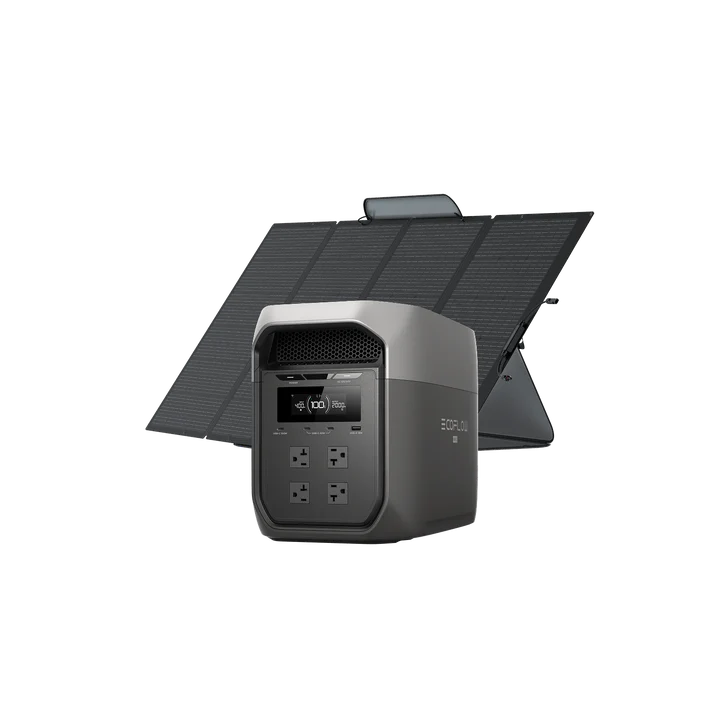
You could pack one that can be charged via solar panels, like the EcoFlow DELTA 3 Max Plus + 400w Solar Kit. Then you can keep it in your tent, charge it up during the day, and use it to keep everything powered when you need it.
Ready to Power Your Alberta Backcountry Adventures with EcoFlow DELTA 3 Classic?
Backcountry expeditions require a robust power supply that you can keep at your base camp, something you can rely on to keep your devices powered wherever you go.
The EcoFlow DELTA 3 Classic is a high-capacity choice for power resilience in demanding environments. Use it to run heaters, field gear, cooking appliances, and anything else you need.
If you’re setting up an extended base camp on an Alberta PLUZ, it gives you the silent, emission-free power you need to stay powered up.
Frequently Asked Questions
Can You Wild Camp in Alberta?
Yes, as long as you stick to designated areas, wild camping is permitted within Public Land Use Zones (PLUZs) as well as vacant Crown Land and also in some Wildland Provincial Parks. However, it’s illegal in national parks like Banff and Jasper.
Do I Need a Public Land Camping Permit for PLUZs?
Yes, you will need a valid Public Lands Camping Pass. All adults 18 and over require one of these for random camping on public land.
How Long Can I Camp in a PLUZ or On Crown Land?
14 consecutive days is the legal limit for camping in these areas. After that, you must dismantle your campsite and move your setup at least a kilometre away for at least 72 hours. This is to protect local vegetation as well as to prevent permanent land occupation.
Boost Safety, Comfort, and Independence with Off‑Grid Power
There’s nothing like wild Alberta camping and heading out into the backcountry for some adventure. Just make sure you have the correct permits in place and that you prepare properly and pack the equipment you’ll need.
Keep your essential electronics powered in even the most remote areas with a portable power station built for off-grid use. The EcoFlow DELTA 3 Max + 400W Solar Kit lets you charge from solar during the day and draw from stored power when you need it: no fuel, no noise, no grid required.