The "Right to Repair" in 2026: What New Canadian Laws Cover
Across the globe, the push for a “Right to Repair” is changing how much control consumers have over the devices they own.
In Canada, new federal legislation has amended the Copyright Act that prevented consumers from repairing devices themselves. These new laws give consumers the right to diagnose and repair products and include an interoperability exception for certain computer programs and embedded devices.
In addition to promoting consumer rights, this is a huge leap forward in sustainability by helping devices last longer instead of having to replace them with new ones every few years at the cost of the environment and our wallets.
What the “Right to Repair” Means
The Right to Repair is a movement that has been gaining worldwide momentum. It’s a concept that says consumers should have more choices and information about the repair options they have for products they own.
Some people may wonder why this law is even necessary. If we own it, why can’t we repair it?
It’s because Canada’s previous Technological Protection Measures (TPMs) — originally intended to prevent unauthorized copying or redistribution — were being used by copyright owners to prevent third-party technicians or device owners from repairing products. A scope far beyond what the TPMs originally intended.
Critics argued these measures were being inappropriately used to hinder interoperability, third-party repair, diagnostics, and overall innovation. People who violated the misapplied TPMs and repaired a device themselves had their warranties revoked and sometimes faced lawsuits.
So, two new Canadian laws were brought in to facilitate the Right to Repair movement:
Bill C-244 strengthens the right to repair, allowing individuals and third-party repair technicians to legally bypass the TPMs so they can maintain, diagnose, and repair a product or computer software themselves.
Bill C-294 enables interoperability, the compatibility of computer programs or devices with other devices, programs, or components, so you’re no longer restricted to the original brand you purchased.
These new laws remove some legal barriers to repair in certain circumstances, saving us money while encouraging a more sustainable future.
For more sustainability at home, consider solar panels and a whole-home backup system.

Why Right to Repair Laws Are Expanding in Canada
As the sustainability movement and economic uncertainty gain momentum, Canadians want the power to make their own choices about repairing their devices, rather than being forced to go to the manufacturer. This saves money and makes our purchases more sustainable.
Also, these changes bring Canada closer to policy developments in other jurisdictions, including the EU.
What New Canadian Laws May Require from Manufacturers
Manufacturers use software, registration keys, or physical objects to create digital locks that block access, effectively maintaining control over your device after purchase. These new laws allow limited access for individuals to bypass the manufacturer and make repairs.
This means manufacturers and retailers will soon need to ensure that replacement parts, services, and maintenance information are made available to consumers for a reasonable period following purchase. And those replacement parts need to be designed to be used with commonly available tools and without causing irreversible damage.
In other words, products will soon need to be designed to be repaired rather than the disposable electronics and planned obsolescence we still see today.
What Products Are Affected by Right to Repair Laws?
The new laws currently do not explicitly state which products are affected but rather give a broad description:
Consumer electronics (which may include phones, computers, TVs, and may also affect battery storage devices like a whole home generator, etc.)
Household appliances (which may include major appliances like dishwashers and refrigerators but also includes small appliances like coffee makers and blenders)
Agricultural equipment—talks are ongoing regarding how the law will apply.
How Right to Repair Benefits Consumers & Supports Sustainability
The Right to Repair movement fundamentally revolves around empowering consumers and promoting sustainability.
Consumers will now have the legal right to repair products themselves instead of buying a new one, and planned obsolescence will hopefully become obsolete.
For years now, we have been noticing that things just "don't last like they used to”.
We see it with phones, dishwashers, fridges, and more. But this new law means manufacturers must design products that are repairable.
Repairable products are far more sustainable since you can keep repairing them and have them last 5, 10, or even 20 years instead of 2 to 5 years.
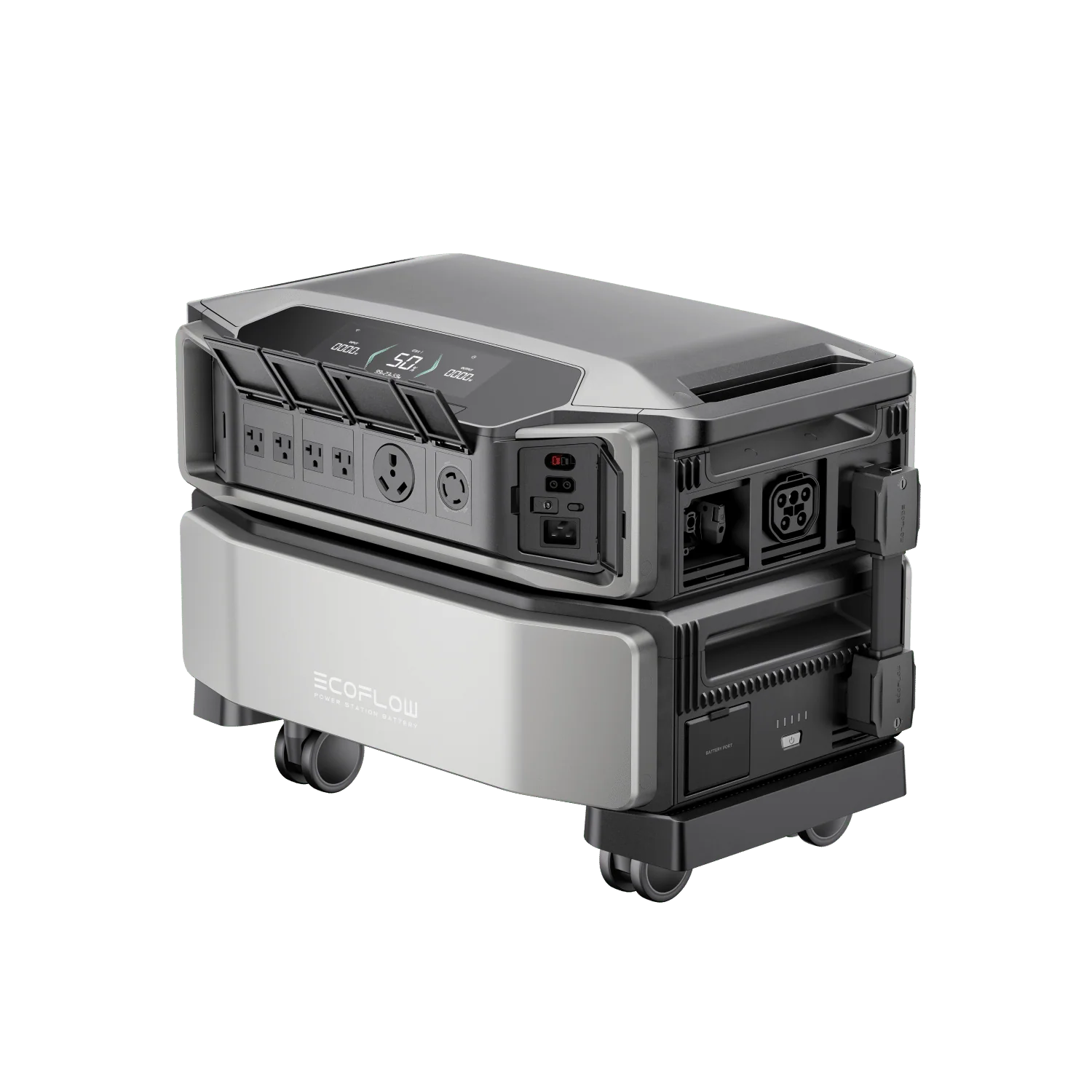
For more sustainability at home, consider energy independence with a home solar system and indoor-safe battery backup from the EcoFlow DELTA Pro Ultra. With up to 90 kWh of expandable storage capacity and up to 21.6 kW of output, it can run any appliance and power entire homes with ease.
Frequently Asked Questions
Can Consumers Legally Repair Their Own Devices?
In the past, Canadian consumers could face legal barriers when repairing devices protected by digital locks. The new Right to Repair laws enacted in 2024 (which amended an outdated and misapplied Copyright Act) now allow consumers the right to legally repair their own devices.
Do Right to Repair Laws Apply to All Electronics and Appliances?
Right to Repair laws are not yet applied to all electronics and appliances, as laws are vague about which consumer electronics, household appliances, and agricultural equipment they apply to. Consultations are ongoing, and more specific lists may be released.
Final Thoughts
Canada’s evolving Right to Repair laws represent a giant leap forward in consumer choice and rights, product longevity and compatibility, and environmental sustainability.
These legislative changes, by granting individuals and third-party technicians the legal ability to circumvent outdated copyright laws, are promoting fairness between manufacturers and consumers. As these laws develop, Canadians will start to see more and more products designed with repairability in mind.
For households interested in sustainability and saving money, the ability to repair rather than replace will play a significant role in reducing waste and building more sustainable homes.
For even more sustainability at home, consider a solar array and an indoor-safe battery storage device like the EcoFlow DELTA Pro Ultra.