Reverse Polarity: What It Means and Why It’s Dangerous
- Reverse Polarity Meaning in Electrical Systems
- Common Signs of Reverse Polarity
- Causes of Reverse Polarity
- Potential Risks and Hazards of Reverse Polarity
- Methods for Testing Reverse Polarity
- How to Fix Reverse Polarity Issues Safely
- How to Protect Your Electrical System from Reverse Polarity
- Conclusion
- FAQ
From the busy streets of Toronto to off grid cabins scattered across the Yukon, Canadians depend on electrical systems that are safe, stable, and predictable. Yet a hidden issue can exist in both household wiring and modern portable power setups: reverse polarity. While it may seem like a small wiring mistake, it can quietly turn a normally safe system into a serious hazard, increasing the risk of equipment failure, electric shock, or even fire.
Understanding reverse polarity, what it is, how it happens, how to identify it, and most importantly how to prevent it, is essential knowledge for homeowners, RV owners, cottage users, and DIYers who work with electrical or battery based systems across Canada.
Reverse Polarity Meaning in Electrical Systems
At its core, reverse polarity happens when electricity flows along the wrong path because the intended connections have been accidentally swapped. While power may still be present, the system is no longer operating in a safe or predictable way.
In AC (Alternating Current) systems, such as standard household outlets or RV hookups common across Canada, reverse polarity occurs when the hot wire (which carries live current) and the neutral wire (which returns current) are connected to the wrong terminals. Although the device may still appear to work, parts of the circuit that should be inactive when switched off can remain energized. This undermines built-in safety protections and significantly increases the risk of electric shock.
In DC (Direct Current) systems, including batteries, solar arrays, and portable power stations, reverse polarity means the positive (+) and negative (−) terminals are connected incorrectly. This forces current to flow backward through the system, placing stress on components that are not designed to handle reversed current. The result can range from immediate device failure to long-term internal damage or overheating.
Common Signs of Reverse Polarity
Catching reverse polarity early can prevent serious injury or costly damage. Some warning signs are immediately noticeable, while others are subtle and only become clear through proper testing.
Shock Hazards and Electrocution Risks
The most serious and immediate risk is electric shock. When the hot and neutral wires are reversed in an AC outlet, an appliance that appears to be switched off, such as a table lamp wired on the neutral side, may still have energized internal components or a live metal casing. Touching these surfaces can result in a dangerous shock, even though the device seems inactive.
Appliance Malfunction and Component Damage
Many modern electronics are designed with polarized plugs, internal fuses, or surge protection that assume correct polarity. When exposed to reversed wiring, these devices may stop working entirely, behave erratically, or suffer permanent internal damage almost instantly.
Abnormal Operating Temperatures
Unusual heat is a common red flag. If an appliance, outlet, or connector feels warm or hot during normal use, it may be a sign of stressed components or excessive current flow caused by reversed polarity. Over time, this heat buildup can degrade insulation and increase fire risk.
Lighting Irregularities
In lighting circuits, reverse polarity can cause switches to behave unpredictably. Fixtures may flicker, fail to turn off completely, or remain partially energized even when the switch is in the “off” position, conditions that are both confusing and unsafe.
Circuit Protection System Failure
Reverse polarity can also interfere with the normal operation of fuses, breakers, and other protective devices. Because current is flowing in an unintended path, these safeguards may not trip as designed during a fault, increasing the likelihood of overheating or electrical fires.
Detectable Clues and Testing Methods
Visual and physical clues can point to a problem, but they should never be your only line of defence.
Hot plugs or cords: A plug or cable that becomes warm during use is a strong warning sign.
Sparks: Any spark when plugging in or operating a device indicates a serious wiring issue and should be addressed immediately.
The only reliable method: Always confirm polarity with a dedicated outlet tester or multimeter. Proper testing is the only way to be certain the wiring is safe.
Causes of Reverse Polarity
Reverse polarity almost never happens on its own. In the vast majority of cases, it is caused by a mistake during installation, repair, modification, or manufacturing, often when attention to detail slips.
Incorrect Wiring
This is by far the most common cause. During the installation of outlets, switches, light fixtures, or DC terminal blocks, the hot or positive wire may be mistakenly connected to the neutral or negative terminal. This can happen in both professional work and DIY projects, especially when wiring is rushed or poorly labelled.
Human And User Error
Simple, real world mistakes are a frequent source of polarity reversal. Connecting jumper cables to the wrong battery terminals during a freezing Canadian winter morning, or reversing leads while installing a battery or charger, can easily result in a DC polarity issue, sometimes in just a split second of distraction.
Component Misplacement
In some cases, the error is hidden inside the device itself. A component may be assembled with its internal wiring incorrectly mapped to the external terminals or prongs, creating reverse polarity even when everything appears correctly connected from the outside.
Faulty Equipment
Although uncommon, manufacturing defects do occur. A mislabeled terminal, incorrect internal wiring, or poor quality control at the factory can introduce reverse polarity into a product before it ever reaches your home, RV, or off grid system.
Assembly Errors During Modifications
Reverse polarity frequently occurs during upgrades or repairs. Installing new plugs, replacing cords, extending wiring runs, or assembling custom battery cables without strictly following standard colour codes, black or red for hot/positive, white or blue for neutral/negative, and green for ground, can easily result in a swapped connection.
In nearly all cases, reverse polarity is preventable. Careful identification, double-checking connections, and following established wiring standards are the most effective ways to eliminate this risk before power is restored.


Potential Risks and Hazards of Reverse Polarity
The impact of reverse polarity can range from inconvenient equipment failure to serious, life threatening situations. What makes it particularly dangerous is that the problem is often invisible until damage has already occurred.
Electric Shock, Fire, and Explosion Risks
The most serious risk is electric shock. When polarity is reversed, components that are supposed to be electrically safe can remain energized, even when a device appears to be turned off. In high-power systems, such as battery banks, inverters, or vehicle electrical systems, a severe polarity reversal can create a direct short circuit. This may cause rapid overheating, melting of wires, ignition of surrounding materials, or, in extreme cases, battery rupture or explosion.
Equipment Damage
Reverse polarity can instantly destroy expensive appliances and sensitive electronics. Internal components such as microchips, capacitors, control boards, and power regulators are not designed to handle reverse current flow. Even brief exposure can result in permanent damage that is costly or impossible to repair.
Safety Feature Failure
Many electrical devices rely on switches, fuses, or breakers placed on the hot or positive side of the circuit to protect users. When polarity is reversed, these safety features may no longer interrupt the live conductor. As a result, equipment can remain dangerous even when switched off, defeating a critical layer of built in protection.
Battery Degradation
In DC systems, reversed polarity connections place extreme stress on batteries. Charging or loading a battery incorrectly can damage internal cells, reduce overall capacity, shorten service life, and increase the risk of overheating. In lithium based systems, this may escalate into thermal runaway under the wrong conditions.
Device Malfunction
Not all failures are immediate. Some devices may behave unpredictably, flickering, shutting down randomly, refusing to power on, or repeatedly tripping breakers or protection circuits. These symptoms often point to an underlying polarity issue that should be investigated before further use.
In short, reverse polarity is not just a wiring inconvenience. Left uncorrected, it can compromise safety, destroy equipment, and create hazards that put people and property at risk.
Methods for Testing Reverse Polarity
When it comes to electricity, assumptions are dangerous. Reverse polarity cannot be confirmed by sight alone, so proper testing is always required before using or restoring power to any circuit.
Using Simple Plug-In Outlet Testers
For AC household outlets, RV hookups, and campground pedestals commonly found across Canada, a plug in outlet tester is the fastest and safest option. These inexpensive tools use a specific pattern of indicator lights, usually two or three LEDs, to show whether wiring is correct. Within seconds, they can identify common faults such as reverse polarity, open ground, or open neutral, making them an essential item for homeowners and RV users alike.
Identifying Warning Signs Like Hot Plugs or Sparks
Although testing tools are essential, physical warning signs should never be ignored. A plug, cord, or outlet that feels hot during normal operation is a clear sign of a wiring problem. Visible sparks when plugging in a device or switching it on are another serious red flag. If you notice either, disconnect power immediately and do not continue using the circuit until it has been properly tested and corrected.
Safety Precautions Before Testing Any Circuit
Before performing any electrical test, basic safety practices are critical. Wear appropriate personal protective equipment, including insulated gloves and safety glasses, to reduce the risk of shock or injury. Always use tools that are correctly rated for the voltage and current you are testing, cheap or mismatched equipment can fail unpredictably. Finally, ensure your workspace is completely dry, as moisture dramatically increases the risk of electrical shock, especially in basements, garages, or outdoor setups common in Canadian homes and cottages. Testing takes only a few minutes, but it is the most reliable way to confirm polarity and prevent serious electrical hazards.
How to Fix Reverse Polarity Issues Safely
Correcting reverse polarity requires patience, attention to detail, and a strict focus on safety. If you are unsure at any point, or if the wiring looks unfamiliar or damaged, stopping and calling a licensed electrician is always the safest choice, especially in older Canadian homes, RVs, or off grid cabins.
Step 1: Gather Essential Tools and Safety Gear
Before starting, make sure you have the right equipment on hand. This includes a multimeter or plug in outlet tester, an insulated screwdriver, wire strippers or cutters, and basic personal protective gear such as insulated gloves and safety glasses. Having everything ready prevents rushed mistakes later.
Step 2: Disconnect Power at the Source
This step cannot be skipped. For AC systems, shut off the correct circuit breaker at the panel and label it if others are nearby. For DC systems, fully disconnect the battery or power source. Never rely on a switch alone, power must be cut at the source.
Step 3: Verify Zero Voltage with a Multimeter
Before touching any conductors, confirm the circuit is truly de-energized. Use your multimeter to check across the terminals and ensure the reading is 0V (AC or DC, depending on the system). This verification step protects against mislabeled breakers or back-fed circuits.
Step 4: Access the Connection Terminals
Carefully remove the outlet cover plate or open the DC junction box. Pull the device out slowly so you can clearly see the wiring and terminal connections without stressing or loosening other wires.
Step 5: Identify Correct Line Identification (Hot vs. Neutral / Pos vs. Negative)
For AC systems, the hot wire is typically black or red, the neutral is white, and the ground is bare copper or green. The hot wire should always connect to the brass terminal or the smaller slot on a receptacle.
For DC systems, confirm the positive (+) and negative (–) terminals, usually marked and colour-coded red and black. Double-check markings rather than relying on memory.
Step 6: Correct the Reversed Connections
Using an insulated screwdriver, loosen the terminal screws and move each wire to its correct position. Take your time, ensure the wire is fully seated, and tighten each connection firmly. Loose connections can create heat and future failures even if polarity is corrected.
Step 7: Reassemble and Validate the Fix
Once everything is secured, carefully reinstall the outlet or close the terminal box. Restore power, then immediately test the circuit with an outlet tester or multimeter to confirm that polarity is now correct. Only after verification should the outlet or system be put back into regular use. Taking a slow, methodical approach not only fixes the immediate issue but also reduces the risk of repeat problems or hidden electrical hazards down the line.
How to Protect Your Electrical System from Reverse Polarity
Prevention is always the smartest approach, especially when setting up or maintaining off grid power systems that are common across Canada’s cottages, RV setups, and remote recreational properties. A few careful habits and the right equipment can eliminate most polarity related risks before they become real problems.
Safe Wiring for Off-Grid Battery Systems
Building a dependable off grid setup, whether for an RV, a lakeside cabin, or a remote worksite, starts with both quality battery technology and disciplined wiring practices.
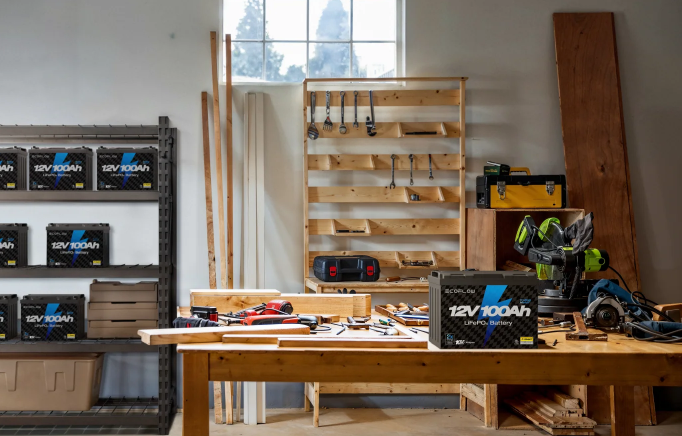
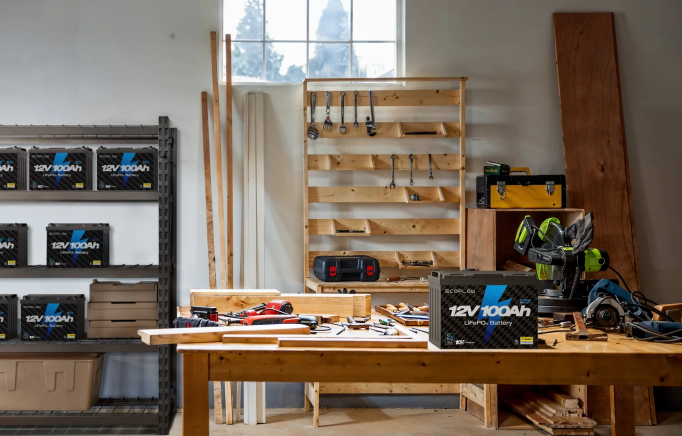
The EcoFlow Lithium 12V 100Ah Deep Cycle LiFePO4 Battery uses Lithium Iron Phosphate (LiFePO₄) cells, which are known for stability and long service life. Its built-in Battery Management System (BMS) continuously monitors voltage, current, and overall system health. Just as importantly, the battery features clearly marked terminals, making correct connections far more intuitive. When paired with proper wiring habits, this significantly reduces the likelihood of accidental reverse polarity. Using components designed with clarity and safety in mind is one of the most effective preventative measures.
Verifying Polarity Sequence for Solar Panel Integration
Before connecting solar panels in series or parallel, always confirm the polarity of each lead. Never assume factory labels or cable colours are correct. A multimeter should be used to verify that the voltage and polarity at the end of the array match the input requirements of your charge controller or portable power station. This simple check can prevent costly damage during initial setup or future expansions.
Leveraging Built-in Protection for Vehicle Charging
Charging auxiliary batteries from a vehicle alternator is common during long road trips, especially through areas like the Canadian Rockies where off grid power is essential. However, this is also one of the easiest moments to make a polarity mistake.
The EcoFlow 800W Alternator Charger includes built-in reverse polarity protection. If the positive and negative leads are accidentally connected incorrectly, the system immediately detects the error, triggers a warning indicator, and cuts power to the circuit. This protects both the vehicle’s alternator and the charging equipment, offering an extra layer of security when working in tight engine bays or low-light conditions.
Avoiding Connection Errors During Emergency Jump-Starts
Jump starting a vehicle is one of the most common scenarios for polarity mistakes. Always follow the correct sequence: connect positive to positive first, then connect the negative cable to a solid ground point or engine block. Avoid attaching the negative cable directly to the dead battery until the final step, and never rush the process, especially in cold Canadian winters when stress and low visibility increase error risk.
Managing Polarity Risks During Routine Maintenance and Upgrades
Any time you open an outlet, junction box, or battery compartment, slow down and verify every connection. Follow the “Check Twice, Connect Once” rule. Using coloured electrical tape, tags, or clear labels can make future maintenance safer and faster, especially if multiple people may work on the system over time. A few extra seconds spent confirming polarity can prevent damaged equipment, electrical hazards, and costly repairs, making it one of the simplest yet most effective safety habits you can adopt.
Conclusion
Reverse polarity is an invisible threat in electrical systems, but it’s also one of the easiest problems to identify and prevent with the right knowledge and habits. Whether you’re troubleshooting a standard wall outlet in your home or building a dependable off grid power system setup for an RV, cottage, or remote campsite, attention to polarity should never be optional. Using reliable equipment, such as the EcoFlow LFP Battery or the EcoFlow Alternator Charger, adds an extra layer of protection, but technology alone is not enough. Safe outcomes still depend on careful installation, proper testing, and strict adherence to wiring standards. By slowing down, double checking connections, and treating electricity with respect, you significantly reduce the risk of damage, injury, or fire. In the long run, a safety first mindset is the most valuable tool you can bring to any electrical project across Canada.
FAQ
1. Is reverse polarity dangerous in home and RV outlets?
Yes, it is highly dangerous and should never be ignored. In an AC outlet, reverse polarity allows electricity to remain present in parts of an appliance that are supposed to be safe when switched off, such as metal housings or internal wiring. In homes, RVs, and trailers, this dramatically increases the risk of electric shock, especially in damp environments like kitchens, bathrooms, or campgrounds.
2. How to fix reverse polarity safely without making it worse?
The safest and most reliable option is always to hire a certified electrician, particularly for residential or RV wiring. If you choose to fix it yourself, power must be shut off at the breaker panel first, not just at the switch. After confirming zero voltage with a multimeter, carefully reconnect the hot wire (typically black) to the brass terminal and the neutral wire (typically white) to the silver terminal. Any uncertainty is a reason to stop and seek professional help.
3. How to test for reverse polarity with a multimeter in AC and DC systems?
AC outlets: Insert one multimeter probe into the small (hot) slot and the other into the large (neutral) slot, then repeat the test between hot and ground. If voltage readings don’t align as expected, polarity may be incorrect, although a plug in outlet tester is faster and more foolproof for most homeowners.
DC systems: Place the red probe on the positive terminal and the black probe on the negative terminal. A positive voltage reading confirms correct polarity, while a negative reading clearly indicates reverse polarity. This simple test is essential before connecting batteries, solar panels, or chargers.
4. What happens if the speaker's polarity is reversed?
Reversed speaker polarity won’t damage the speaker itself, but it does degrade sound quality. When multiple speakers are out of phase, low frequencies cancel each other out, causing weak bass and a hollow or flat listening experience. Correct polarity ensures the speakers move in sync, delivering full, accurate sound.
5. How to prevent reverse polarity when connecting batteries and chargers?
Prevention starts with disciplined habits. Always follow standard colour coding, red for positive and black for negative, and reinforce this with clear labels on terminals and cables. Using equipment with built-in reverse polarity protection, such as advanced alternator chargers or power stations, adds an important safety net. Before making any final connection, a quick multimeter check can prevent costly mistakes and potential hazards.