Pure Sine Wave Inverter Guide: Keeping Your Home Powered Safely in Canada (2026)
- Why Reliable Backup Power Matters for Canadian Homes
- What Is a Pure Sine Wave Inverter? (Beginner-Friendly Explanation)
- Pure Sine Wave vs. Modified Sine Wave: Which One Do You Need?
- Common Use Cases in Canada: When You Need a Pure Sine Wave Inverter
- How to Choose the Right Pure Sine Wave Inverter
- Pure Sine Wave Inverter + Portable Power Stations: A Smarter Solution
- Recommended Pure Sine Wave Power Solutions for Canadian Homes (2026)
- How to Safely Use a Pure Sine Wave Inverter at Home
- Conclusion
- FAQS
From the frozen stretches of the Yukon to the wind-whipped Maritimes, Canadians know how to handle a storm. But let’s be honest: our homes have changed. A rusty flashlight and a bag of melting ice don’t cut it anymore when the Wi-Fi drops and the furnace stops clicking on. We’re more tech-dependent than ever. This guide digs into why Pure Sine Wave inverters became the mandatory standard for Canadian backup power, how they save your gear from expensive repair bills, and which setups actually survive a -30°C cold snap.
Why Reliable Backup Power Matters for Canadian Homes
In this country, reliable power is about safety. Period. As we move deeper into 2026, making sure your home can actually function during a grid failure is a top tier priority.
Increasing Power Outages Across Canada
Grid instability has moved past the headline stage. For a lot of provinces, it’s becoming a regular Tuesday. You’ve got the massive ice storms in Quebec, those “Pineapple Express” deluges flooding BC basements, and Ontario’s aging lines struggling under the heat. These events have evolved into something much worse than a few quick flickers. We’re seeing multi-day outages that really push your patience and your preparedness to the edge.
The Risks of Unstable Power for Modern Households
Most of the stuff we use daily, from high-end fridges to that home office setup in the GTA, runs on delicate microprocessors. “Dirty” electricity or sudden surges can fry these parts in a heartbeat. Without a clean, steady power source, a simple blackout might end with you paying $1,200 for a new furnace control board or a fried workstation. It’s a huge financial risk most people don’t think about until the screen stays black.
Backup Power Solutions Canadians Are Turning To
People are finally ditching those loud, smelly gas generators. They’re a pain to maintain and you can’t exactly run them in a Toronto condo or during a blizzard without worrying about carbon monoxide. Instead, there’s a massive move toward silent, battery based systems, often referred to as a portable power station. These are safe to keep right in the living room, which is a game-changer when it’s too cold to even step outside to check a fuel line.
What Is a Pure Sine Wave Inverter? (Beginner-Friendly Explanation)
Ever wonder how a battery, which stores direct current (DC), actually runs a standard Canadian appliance that needs alternating current (AC)? The inverter is the middleman doing all the heavy lifting. It takes that raw battery power and flips it into something your wall plugs can actually use.
Pure Sine Wave vs. Modified Sine Wave Explained
Think of a Pure Sine Wave as a smooth, rolling hill. It’s a perfect match for the “clean” electricity fed into your house by Hydro-Québec or BC Hydro. On the flip side, a Modified Sine Wave is a choppy, jagged “stair-step” mess. Sure, these units are cheaper at the hardware store, but that rough signal creates friction. It’s like trying to run your car on square wheels; it might move, but it’s going to be a bumpy, noisy ride for your electronics.
Quick Verdict: Who Should Choose Pure Sine Wave in Canada?
Unless you’re only planning to power an old-school toaster or a basic incandescent lightbulb, you need a Pure Sine Wave inverter. It’s really the only safe bet for protecting expensive laptops, medical gear like CPAP machines, or those high efficiency furnace blowers that Canadians rely on to keep the pipes from freezing.
How a Pure Sine Wave Inverter Works
The inverter uses internal components to “iron out” the raw DC energy. It perfectly mimics the 60Hz frequency of the Canadian grid. This process is fundamental to how an inverter generator works, ensuring that when the power cuts out and your backup kicks in, the transition is so smooth your appliances don’t even realize the source changed. No resets, no flickering, just steady power.
Why Pure Sine Wave Matters for Sensitive Devices
Modern tech is picky. Laptops, 4K TVs, and even high-end LED lights are “sensitive” loads. They crave that consistent, clean peak voltage. If you feed them a modified wave, you’ll start noticing weird stuff: humming sounds in your speakers, flickering screens, or devices that get strangely hot to the touch. Eventually, that heat leads to a “premature death” for your gadgets, which is a pricey mistake in this economy.
Pure Sine Wave vs. Modified Sine Wave: Which One Do You Need?
Deciding between these two usually involves weighing your budget against the gear you actually plan to plug in. While the price tag on a modified wave unit might look tempting at a big-box store, the reality of what it does to your electronics is a different story.
Key Differences in Performance and Safety
Pure Sine Wave inverters just run better. They stay cooler and operate more efficiently because the electrical wave perfectly matches what your appliances expect from the grid. Another thing to consider is the hum, motors in fans or fridges run at their intended speed without that annoying buzzing sound or the extra heat that a choppy “stair-step” signal creates. If your appliances are running hot, they’re dying faster.
Appliance Compatibility Comparison
Pure Sine Wave: This is the “yes” machine. It works with 100% of AC devices. We’re talking CPAP machines, microwaves with digital displays, variable-speed power tools, and high end coffee makers.
Modified Sine Wave: This is strictly for the basics. It’s okay for old-fashioned space heaters or simple incandescent lamps, but try to run a modern laptop or a furnace blower on it and you’re asking for trouble.
Cost vs. Value: Is Pure Sine Wave Worth It in Canada?
The upfront cost for a pure sine unit is a bit higher, but in a country where a blizzard can knock out the power for three days, the long-term value is massive. Think of it as an insurance policy, especially when integrated into a modern solar generator for sustainable backup. When you compare the cost of a high-end inverter to the price of replacing a fried smart fridge or a dead furnace motor in the middle of February, the pure sine wave pays for itself before the first outage is even over.
Common Use Cases in Canada: When You Need a Pure Sine Wave Inverter
Our massive landscape and seasonal mood swings create situations where “good enough” power just doesn’t cut it. In many parts of the country, having a clean signal is a flat-out requirement to keep things running when the grid decides to take a break.
Home Backup During Winter Storms & Blackouts
When a nasty ice storm hits Eastern Ontario or the Maritimes, the priority is usually staying warm. Here’s the reality: many modern gas furnaces or pellet stoves use sensitive blower motors that are surprisingly picky. If you try to jumpstart them with a cheap, modified wave inverter, they might hum for a second and then refuse to turn over, or worse, they’ll burn out entirely. Using a Pure Sine Wave unit means your heat actually kicks on when the mercury drops to -25°C.
Cottage, Cabin, and Off-Grid Living
If you’re lucky enough to spend time at a cabin in Muskoka or a retreat in the Laurentians, you know that off grid living is no longer aiming to rough it anymore. We want our Starlink internet to work so we can check emails by the lake, and we definitely want that morning espresso. Pure Sine Wave inverters let you run that high end tech deep in the bush without worrying about fried circuits. It’s the difference between a functional “work-from-the-lake” setup and a very expensive piece of dead plastic.
RV Travel and Outdoor Adventures
Canadians live for summer road trips. Whether you’re hauling a trailer through the Rockies or setting up camp in Algonquin Park, you’re likely carrying some decent gear. An inverter allows you to charge up e-bike batteries and run the RV’s AC unit using the same quality of power you get back home in the city. No flickering lights, no buzzing electronics, just smooth operation while you’re off the beaten path.
Emergency Preparedness for Canadian Families
The old school emergency kit in the basement is getting a 2026 makeover. More families are realizing that a clean power source is just as vital as bottled water and extra blankets. Keeping your phones charged and emergency radios clear of static is crucial when local towers are struggling. Having that clean energy on standby ensures you stay connected to the outside world when the local infrastructure fails.
How to Choose the Right Pure Sine Wave Inverter
Choosing the right unit is not just about grabbing the biggest number on the shelf. You’ve got to calculate your needs based on our specific, and often harsh, living conditions.
Power Capacity (Watts) and Surge Requirements
First, you need to check the Continuous Wattage for things that run non-stop, but don’t ignore the Surge (or Peak) Wattage. Here’s why: appliances with compressors, like that chest freezer in the garage full of moose meat or bulk groceries, need a massive, split-second burst of power just to kick the motor into gear. If your inverter can’t handle that initial punch, the freezer stays off, and your food starts thawing. Always aim for a unit that offers a surge capacity at least double its continuous rating.
Battery Compatibility and Runtime Considerations
An inverter is basically just a brain; the battery is the heart. In our climate, you need a setup that doesn’t wimp out when the temperature drops. Lithium Iron Phosphate (LiFePO4) batteries are the gold standard for 2026. They handle deep discharges better than old lead-acid blocks and, more importantly, they won’t leak or degrade nearly as fast during a long Ontario winter.
Portability vs. Whole-Home Solutions
Think about your actual lifestyle. Are you looking for a heavy duty “set it and forget it” system tied into your home’s panel, or do you need to lug that power out to a job site or the back of a truck? If you’re a weekend warrior heading into the bush, portability is king. If you’re strictly worried about the next multi-day blackout in the suburbs, a fixed, high capacity solution is the way to go.
Safety Features to Look For
Don’t cut corners here. Make sure any unit you buy carries a CSA or equivalent certification for use in Canada. You want an inverter that’s smart enough to shut itself down if it gets too hot or if you accidentally plug in too many things at once. Overload protection and short-circuit prevention aren’t just extra features, they’re what keep your house from becoming a fire hazard during an emergency.
Pure Sine Wave Inverter + Portable Power Stations: A Smarter Solution
The tech has evolved. Instead of messing around with separate batteries, messy wiring, and standalone inverters, 2026 is seeing a massive shift toward “All-in-One” systems. These units pack the inverter, the battery, and the charging controller into one sleek, manageable box, making the process of how to build a complete home solar system much simpler for the average homeowner.
Why All-in-One Power Stations Are Gaining Popularity in Canada
For families in the suburbs or anyone in a downtown condo, the “plug-and-play” nature of these stations is a lifesaver. You don’t need a degree in electrical engineering to get them running. You just plug it into the wall to charge, and when the grid fails, you plug your fridge or laptop directly into it. No “DIY headache,” no loose wires on the floor, just power when you need it.
Advantages Over Traditional Gas Generators
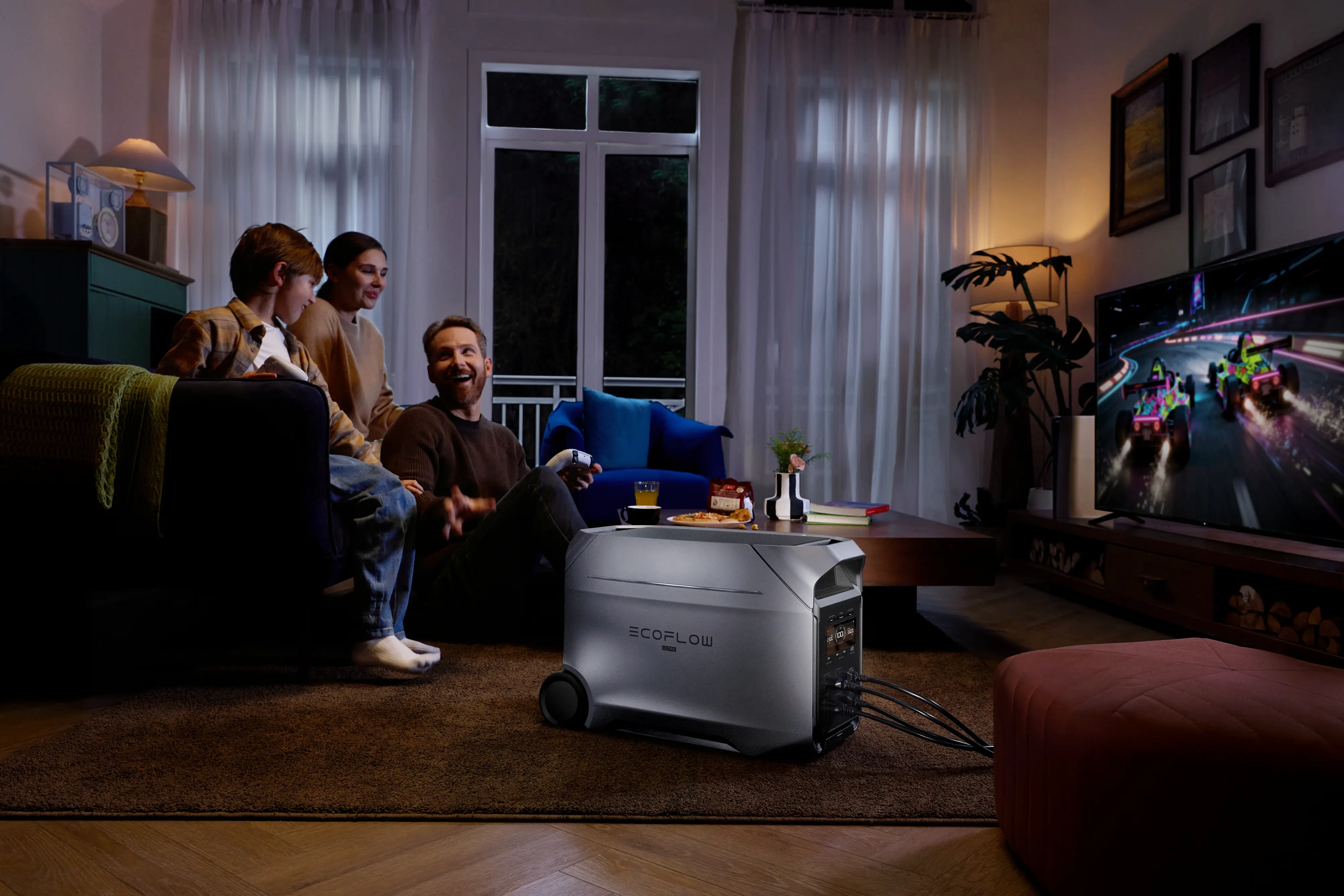
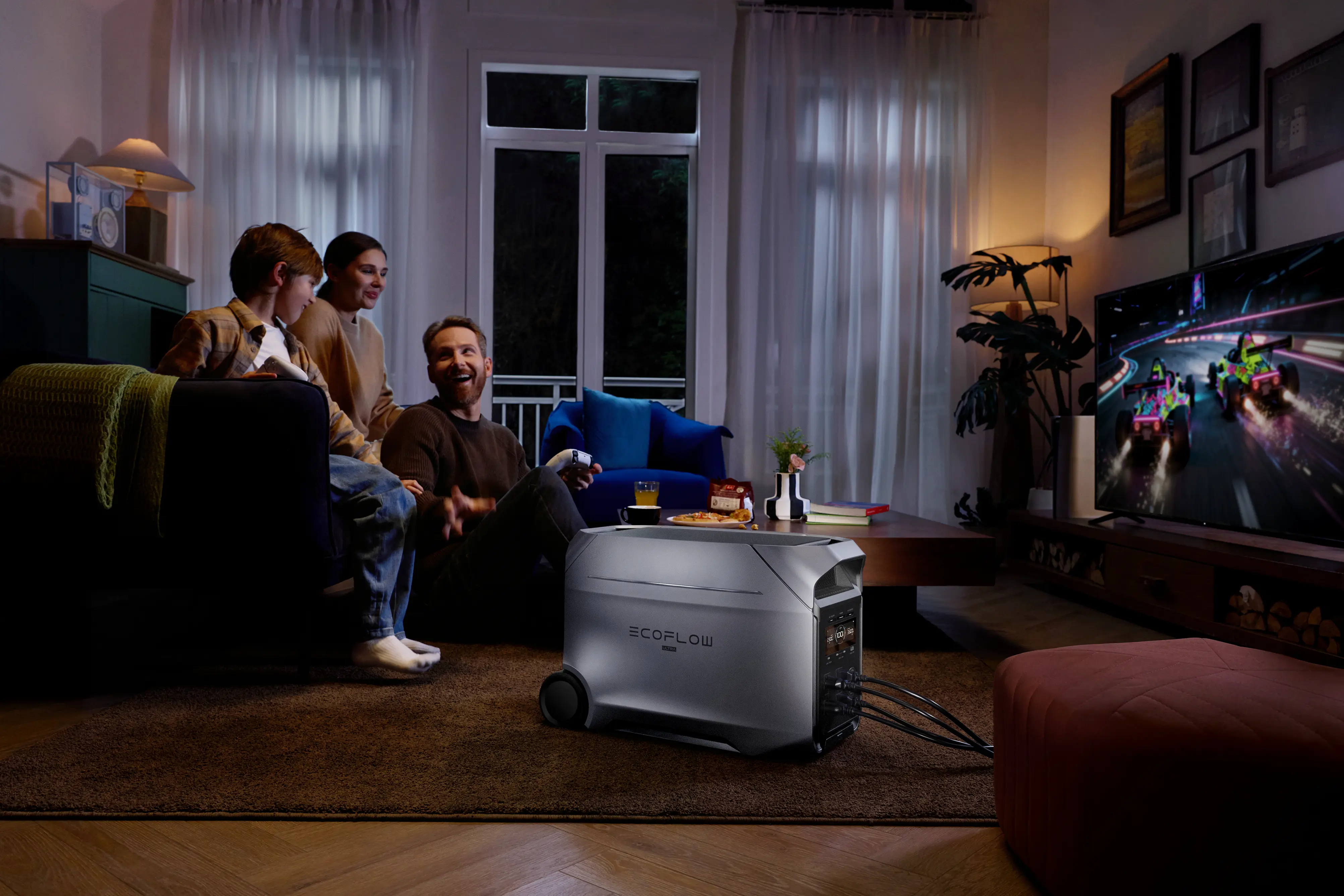
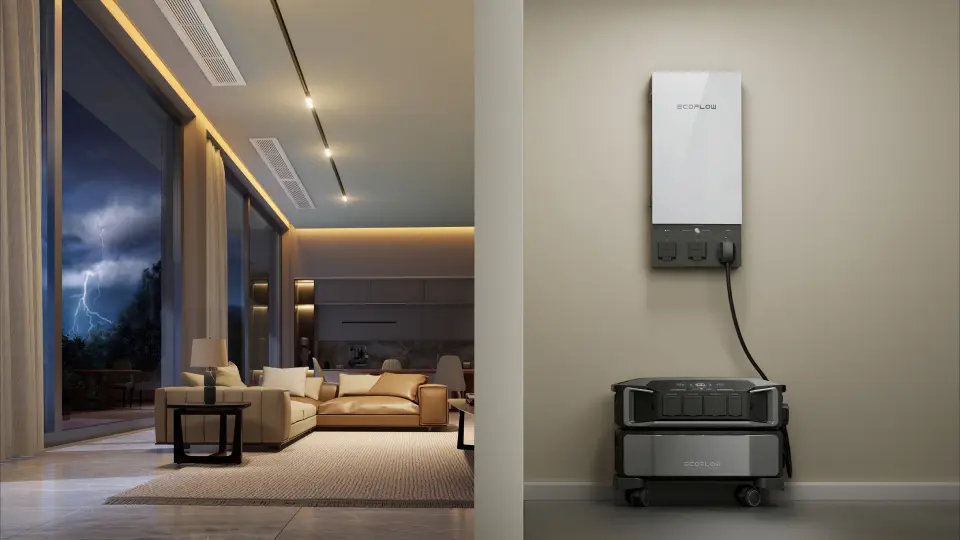
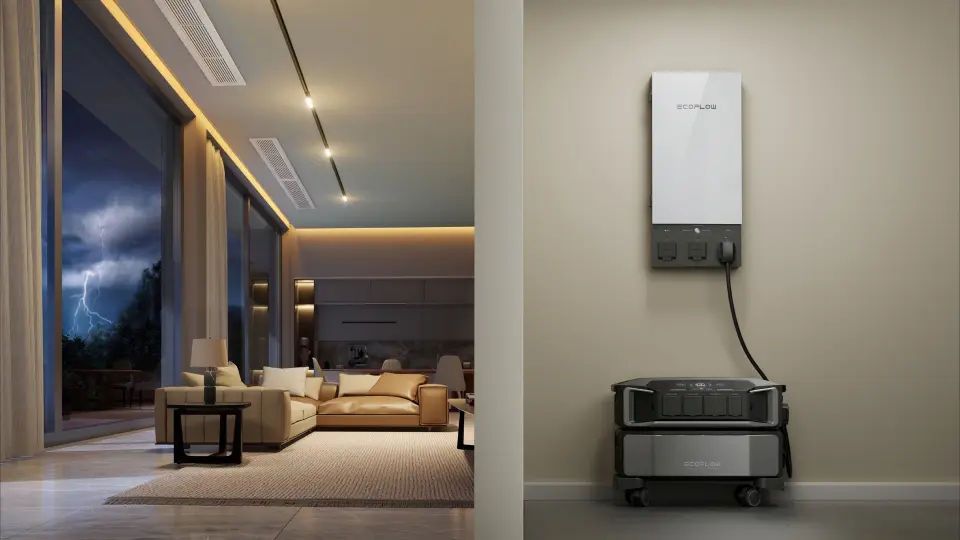
In places like Ontario and Quebec, where ice storms can knock out lines for days, the old gas generator used to be the only option. But those things are loud, they need constant gas runs, and you can’t exactly run one in your kitchen without risking carbon monoxide poisoning. A high capacity system like the EcoFlow DELTA Pro Ultra Whole-Home Backup Power is a whole different animal. It uses an integrated pure sine wave inverter to run your fridge, furnace blower, and medical gear silently and, most importantly, safely indoors. Its modular design is another huge win; you can add extra batteries as your needs grow, allowing you to power your whole home for days instead of just hours. It’s emission-free, quiet enough to keep in the bedroom, and it even has self heating tech to make sure the battery doesn’t wimp out when the house gets cold.
Recommended Pure Sine Wave Power Solutions for Canadian Homes (2026)
Choosing a power setup in 2026 goes beyond simply grabbing a battery. Here’s the key: you need to match the tech to your actual lifestyle. Whether you’re hunkering down in a suburban semi or heading out to a hunting cabin in the North, the quality of that inverter is what keeps your gear alive.
Best Pure Sine Wave Power Station for Home Backup in Canada (2026)
For anyone looking for “total peace of mind” during a multi-day winter blackout, the DELTA Pro Ultra is basically in a league of its own. It’s a beast that can tie directly into your home’s electrical panel, acting like a silent, emission free version of those old gas backups.
Best Portable Power Station for Emergencies and Blackouts
If a full home system feels like overkill, you’re likely looking for “critical uptime.” You want the fridge to stay cold, the Wi-Fi to stay on, and your phone charged. The EcoFlow Delta 3 Ultra Plus Portable Power Station(3072Wh) is the sweet spot for 2026. It packs a 3,600W output (with a massive 7,200W surge) into a frame that’s still portable enough to move around. It uses that crucial Pure Sine Wave tech to safely run sensitive electronics like CPAP machines or high end laptops. It’s just as useful in a suburban living room during a spring storm as it is at a lakeside campsite in the backcountry. Plus, it charges incredibly fast, hitting 0-80% with Solar and generator dual charging in about 48 minutes, so you can top it up quickly when the sky starts looking dark.
Best Power Solution for RVs and Off-Grid Living
For the “Van Life” crowd or anyone with a remote cabin, the real goal is energy independence. You want a system with high solar input. Pairing a unit like the DELTA Pro 3 or the DELTA 3 Ultra Plus with rigid or portable solar panels lets you harvest power from the Canadian sun (even on those “partial sun” days).
How to Safely Use a Pure Sine Wave Inverter at Home
To get the most out of your setup, you’ve got to play it smart with the hardware. These units are way friendlier than old-school gas generators, but they still need a little respect to keep things running smoothly in a 2026 Canadian household.
Proper Setup and Ventilation Tips
Even though battery-based inverters are clean and silent, they still generate heat while they’re working. Think of it like your laptop, if you tuck it under a pillow while it’s rendering a video, it’s going to get angry. Always keep your power station or inverter in a cool, dry spot with at least two to three inches of clearance on all sides. Don’t shove it behind a pile of winter tires in the garage or bury it in a closet. Good airflow means the internal fans don’t have to work overtime, which keeps the electronics living longer.
Avoiding Overload and Short Circuits
It’s tempting to plug everything in once the power drops, but you’ve got to be mindful of the total wattage. If you try to run a high-draw coffee maker and a space heater at the exact same time, you’re probably going to trip the internal breaker. Here’s the reality: always calculate your “must-haves” first. If your inverter is rated for 2,000W, don’t push it to 1,950W for hours on end. Leaving a bit of “headroom” ensures the system stays stable and doesn’t shut down right when you need it most.
Indoor vs. Outdoor Usage Guidelines
One of the biggest wins with these systems is that they’re safe for indoor use, no exhaust, no carbon monoxide. But if you’re taking your portable unit outside for a winter project or to power a tool in the driveway, keep it off the snow. Moisture and high voltage electronics are a terrible mix. Use a piece of plywood or a dry mat to keep it elevated. Also, if it’s hitting -20°C outside, try to keep the unit in a semi-insulated spot like a porch or shed if you can; while many 2026 models like the EcoFlow DELTA series have self heating batteries, keeping them out of the direct wind chill helps maintain their efficiency.
Conclusion
Navigating the world of backup power in Canada can feel like a lot, but the choice of an inverter is pretty clear: Pure Sine Wave is the only way to go for a modern home. Whether you’re bracing for a nasty Ontario ice storm or just planning a summer escape to the Rockies, having a clean, reliable power source means your life doesn’t have to stop just because the grid did. By investing in a high quality solution, you aren’t just buying a battery; you’re buying the security of knowing your home stays a warm, functional sanctuary regardless of what the climate throws at us.
FAQS
Can a pure sine wave inverter run a refrigerator?
Yes, and it’s actually the best way to do it. Pure sine wave power lets the compressor motor run smoothly without the extra heat that typically kills appliances early. You won’t get that annoying electrical hum that cheaper, modified units tend to cause.
Is it safe for medical devices like CPAP machines?
Absolutely. In fact, it is the only type of inverter you should trust with medical gear. It mimics the clean power from your wall outlet exactly, ensuring sensitive machines don’t glitch or overheat while you’re sleeping.
How long can an inverter power my home?
It comes down to your battery size and what’s plugged in. A big system can keep a fridge and furnace fan going for a few days, but if you start using the microwave or a kettle, you’ll drain it much faster.
Do I need a professional installation in Canada?
Not for the portable “plug-and-play” stations. You just plug your gear directly into the unit. But, if you want to tie an inverter into your home’s main electrical panel, you must hire a licensed Canadian electrician to keep things safe and up to code.