Building Energy Rating: The Ultimate Guide to EnerGuide Scores in Canada (2026)
- What Is an EnerGuide Rating in Canada?
- How EnerGuide Scores Are Calculated
- Understanding EnerGuide Scores (What Is a Good Rating?)
- Benefits of a High EnerGuide Rating
- How to Improve Your EnerGuide Rating
- Why Energy Resilience Matters After EnerGuide Upgrades in Canada
- Why Energy Efficiency Alone Is Not Enough
- Home Energy Resilience Solutions for Canadian Homes
- EnerGuide and Canadian Energy Regulations
- How to Get an EnerGuide Home Evaluation in Canada
- Conclusion
- FAQ
With Canadian winters becoming more unpredictable and hydro bills constantly climbing, figuring out how your home eats up power has moved past being a “nice-to-have”, it has become a total financial necessity. If you aren’t paying attention, you’re basically watching money leak out of your attic every time the wind picks up. This guide breaks down the EnerGuide system, how those scores actually work, why they’re a big deal for the Canadian housing market, and how to make your place a bit more resilient against the next polar vortex.
What Is an EnerGuide Rating in Canada?
Before you start tearing out drywall for renovations, you need to understand the benchmark we use across the Great White North to measure how a house performs.
Definition of Building Energy Rating Systems
A building energy rating is a standardized score that shows the energy performance of a specific structure. In Canada, EnerGuide is the official government mark. You’ve probably seen the stickers on your fridge or washing machine, but for a house, it’s a deep dive into the building’s soul.
Why EnerGuide Matters for Canadian Homeowners
Think of an EnerGuide label as a nutrition label for your house. It helps you spot exactly where you’re wasting heat, gives you a roadmap for fixes, and here’s the key, it can unlock thousands in federal grants or interest-free loans. Programs like the Canada Greener Homes Initiative basically require this label as your “golden ticket” to get paid.
How It Differs from Other Energy Labels (LEED, ENERGY STAR)
People get these mixed up all the time. ENERGY STAR is for specific stuff, like a high efficiency dishwasher or a furnace. LEED is more about the “green” vibe and overall sustainability of a building’s construction. EnerGuide is different because it looks at the whole home performance measured in gigajoules (GJ) per year.
| Feature | EnerGuide | ENERGY STAR® | LEED |
|---|---|---|---|
| Primary Focus | Whole-Home Performance | Specific Products/Appliances | Total Sustainability |
| Measurement | Gigajoules per year (GJ/year) | Meets strict efficiency criteria | Points system (Silver, Gold, Platinum) |
| Best Used For | Getting a roadmap for retrofits and accessing government rebates. | Identifying high-efficiency windows, furnaces, and appliances. | Branding a home as premium, eco-friendly, and sustainably built. |
| Verification | Professional Energy Audit required. | Factory-certified standards. | Extensive 3rd-party documentation. |
How EnerGuide Scores Are Calculated
Getting a score is not some weekend DIY project. You need a scientific look at your home’s “envelope.”
Home Energy Assessment Process Explained
It starts with a professional energy audit. An advisor will crawl from your basement to your attic. They’ll use a “blower door test”, basically a giant fan they seal into your front door to suck the air out and see exactly where the drafts are coming in. It’s a bit of a trip to see just how much air leaks through your electrical outlets.
Key Factors That Affect Your Score (Insulation, Air Leakage, HVAC, Windows)
Several variables dictate your final number:
Insulation: The R-value in your walls and attic. (Most old Canadian homes are woefully under-insulated).
Air Leakage: How drafty the place is.
HVAC: How hard your furnace or heat pump has to work.
Windows: Whether you have modern glazing or old single-pane glass that feels like a block of ice in January.
The Role of Energy Advisors in Canada
These folks are third-party pros registered with Natural Resources Canada (NRCan). They’re the only ones who can hand out the official label you need for those sweet, sweet government rebates.


Understanding EnerGuide Scores (What Is a Good Rating?)
In Canada, the EnerGuide label has evolved to provide a much more transparent look at a home’s performance, but you have to know what that number actually represents.
EnerGuide Scale Explained: The GJ/Year Model
The score on your label shows the annual gigajoules (GJ) of energy your home is estimated to consume. It’s a bit of a trip because people often confuse this with their utility bills. Here’s the catch: that number goes beyond what you spent on past bills, it functions as a standardized energy model based on a few specific assumptions:
Standardized Occupancy: The model assumes a fixed number of people (usually two adults and two children) are living there.
Standardized Behavior: It assumes you aren’t a “thermostat warrior” and that everyone uses water the same way.
Climatic Data: It pulls from long term local weather averages rather than one specific year’s polar vortex.
Basically, the rating tells you how the house itself performs under neutral conditions. This allows you to compare a bungalow in Mississauga to a semi-detached in Halifax without worrying about how the previous owners lived.
Average Home Energy Performance in Canada
A typical existing house in Canada might land somewhere between 120 and 200 GJ per year. As you start checking off upgrades, your goal is to drive this number as close to zero as possible.
What Counts as an “Energy-Efficient Home”
A highly efficient modern home usually scores below 80 GJ/year. If you really go all out, you’re looking at a “Net Zero” home. These are the gold standard, they produce as much energy as they consume and officially hit a rating of 0 GJ/year. Integrating a high-efficiency solar panel array is the most common way to offset the remaining GJ consumption and reach that coveted zero rating.
Benefits of a High EnerGuide Rating
Investing in your score pays dividends that go way beyond just a sticker on your electrical panel.
Lower Energy Bills and Long-Term Savings
By optimizing how your home performs, you’re basically taking the pressure off your furnace and AC, which can lead to lower monthly utility bills. In Canada’s evolving 2026 energy landscape, policy changes to federal carbon pricing and ongoing adjustments to delivery charges—regulated by bodies like the Ontario Energy Board and the Alberta Utilities Commission—mean that total electricity costs can still fluctuate. The less energy you use, the less exposed you are to these shifting cost components.
Pro-Tip: The “Mortgage Refund” Bonus
A high EnerGuide score can trigger a massive tax-free rebate through the CMHC Eco Plus program. If you have a CMHC-insured mortgage, you could qualify for a 25% partial refund on your mortgage loan insurance premiums.
The Reward: On a $500,000 mortgage, you could be looking at roughly $5,000 back in your pocket.
The Catch: Your official EnerGuide label is the primary “receipt” that CMHC looks for to prove your home actually meets the efficiency bar.
Increased Property Value in Canadian Housing Market
From the North Shore in Vancouver to the South End of Halifax, buyers are getting way more savvy about energy costs. A verified EnerGuide label provides total transparency. In a market where carrying costs are high, a house that costs $200 less a month to heat is much more attractive than a drafty fixer-upper.
Better Comfort and Indoor Air Quality
Efficient homes aren’t just cheaper, they’re just plain nicer to live in. Proper insulation and air sealing kill those annoying cold spots near the windows. Plus, better ventilation means you’re getting a steady flow of fresh, filtered air instead of breathing in whatever dust is hiding in your wall cavities.
Reduced Carbon Footprint and Sustainability Impact
Lower energy consumption directly helps Canada hit those long-term climate targets. It’s a way to ensure a greener future for the next generation while keeping your own living space comfortable. Also, it’s worth noting that if you’re planning a major overhaul, CMHC’s “Eco Improvement” program currently offers that same 25% refund if you spend at least $20,000 on energy efficient renos. Just be prepared for a bit of a wait; as of early 2026, processing times are backed up about 24 weeks because everyone is jumping on these rebates.
How to Improve Your EnerGuide Rating
To maximize your investment in 2026, you need a prioritized plan that balances immediate comfort with long-term ROI. Here is how to strategically tackle your upgrades, starting with the unique demands of your local environment.
Regional Strategy: Climate Matters
In Canada, a “top-tier” upgrade in BC might be a “low-priority” in the Prairies. To maximize your ROI, you should match your retrofits to your specific climate zone. The 2026 rebate landscape has shifted toward provincial programs now that the federal Greener Homes Grant is fully closed to new applicants.
The Prairies & North (Zones 7-8): You’ll want to double down on high R-value insulation and air sealing. In places like Edmonton or Regina, blocking those extreme sub-zero drafts is the fastest way to drop your GJ consumption.
BC & Atlantic Canada (Zones 4-5): Cold Climate Heat Pumps are the big winner here. They provide efficient heating in the winter and this is huge, much-needed cooling for those increasingly humid summers. BC’s CleanBC program currently offers massive tiered rebates based on household income.
Ontario & Quebec (Zones 5-6): Focus on a mix of modernizing your HVAC and sealing basement headers. Learning how to make your house more energy efficient in Quebec is particularly rewarding given the province’s focus on heat pump adoption and LogisVert incentives. If you’re in Ontario, the Home Renovation Savings Program (HRSP) is a key resource for Enbridge customers looking to score up to $10,000 in rebates.
Insulation Upgrades (Attic, Walls, Basement)
Adding blown-in cellulose to your attic or spray foam to your basement headers is often the most cost effective move. I’ve seen attics in older homes where the insulation had settled so much it was barely doing anything. Boosting that R-value to current 2026 standards (roughly R-60 for most attics) can show up as a major improvement on your post-retrofit evaluation.
Windows and Doors Replacement Strategies
Replacing old, leaky single-pane windows with triple-pane, Low-E argon-filled units drastically reduces heat loss. It’s a bit of an investment, but it’s one of those things you can actually feel the moment you sit near a window in February.
HVAC System Upgrades and Heat Pumps
Switching from an old oil or gas furnace to a high efficiency Cold Climate Heat Pump is arguably the biggest hammer you can swing. These systems produce three to four units of heat for every unit of electricity they use.
Air Sealing and Draft Reduction Tips
This is often overlooked because it’s not a “big ticket” item. Simple caulking and weatherstripping around doors and outlets can improve your blower door test results significantly. Finding easy ways to make your home more energy efficient like these can lead to immediate comfort improvements without a massive upfront investment.
Why Energy Resilience Matters After EnerGuide Upgrades in Canada
While improving efficiency is a vital step, the Canadian landscape presents unique challenges that efficiency alone cannot solve. Improving your home’s “shell” is great, but even the most efficient house in the world can become a walk-in freezer during a mid-winter blackout.
Extreme Weather Risk: Events like the March 2026 Quebec ice storms and ongoing Alberta wildfires are hitting the grid harder and more frequently.
Blackout Frequency: Aging infrastructure is struggling to keep up, turning short-term power failures into a regular part of life in many provinces.
Electrification: As we swap gas furnaces for heat pumps and gas cars for EVs, our total survival increasingly depends on a single plug in the wall.
Why Energy Efficiency Alone Is Not Enough
An efficient home is great, but an efficient home without power is still cold. It’s a hard truth I’ve seen play out during recent winter storms, people with high-end heat pumps were still huddled around flashlights because they didn’t have a backup plan.
Energy Savings ≠ Energy Security: You might save 30% on your bill, but if the grid goes down during a -30°C polar vortex, your efficiency won’t keep the pipes from freezing for long.
Winter Dependency: In Canada, our survival during winter is tied to energy availability. Relying solely on the grid is a vulnerability that efficiency doesn’t fix.
Home Energy Resilience Solutions for Canadian Homes
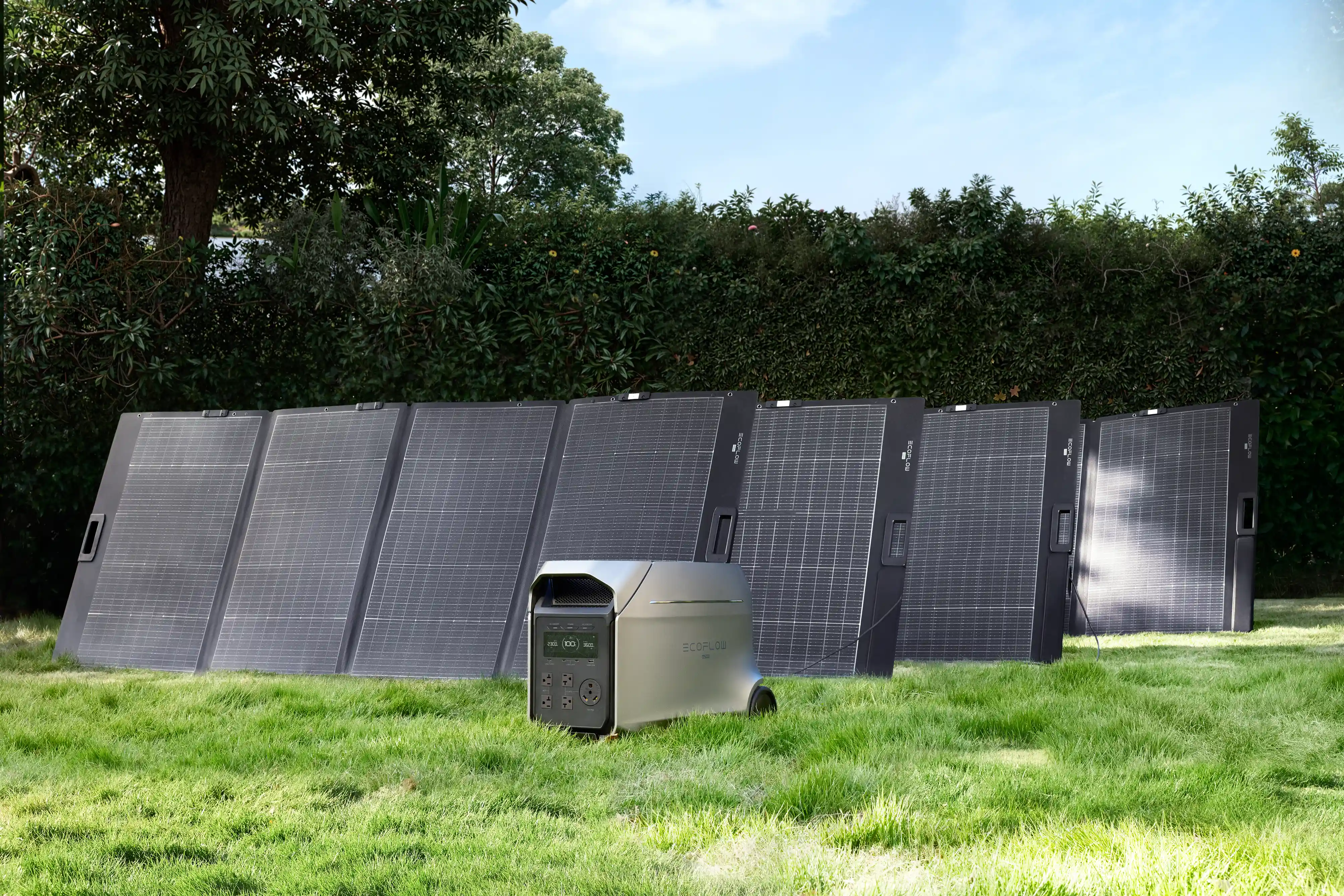
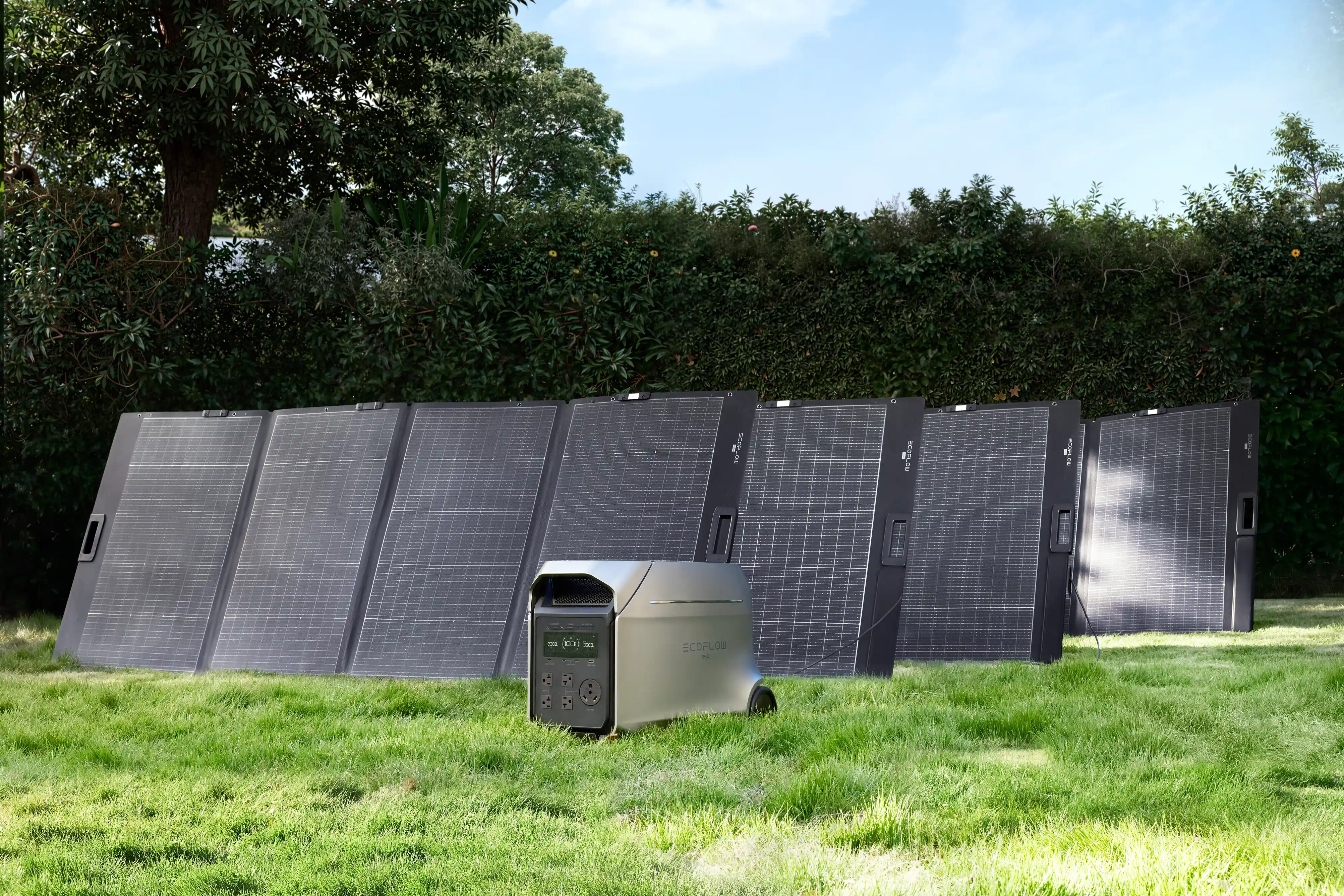
When conducting EnerGuide upgrades in provinces like Ontario, Quebec, or the Prairies, the focus is often on lowering bills. However, in the face of winter blizzards and grid instability, “energy reliability” is just as critical. The EcoFlow DELTA Pro Ultra Whole-Home Backup Power serves as a premium whole-home backup power solution.
The catch is: it can output up to 7200W, which is enough to run energy-hungry items like a 3-ton central air conditioner or your furnace’s blower motor. For homeowners undergoing retrofits who want to boost their energy autonomy, this is a vital component of total home security. It even works down to -20°C, so it won’t flake out on you when the temperature drops
Portable Backup Power for Everyday Security
For many Canadian families, especially those in townhomes or apartments, a massive system might be more than they need. The EcoFlow DELTA 3 Ultra Plus Portable Power Station (3072Wh) is a “lightweight energy supplement” perfectly suited for life during and after EnerGuide upgrades. Even after you’ve optimized your HVAC and insulation, you may still face short-term outages or power fluctuations caused by extreme cold. This unit is highly portable and can power your router, lights, and small heating devices, bridging the gap between “low energy use” and “guaranteed energy access.” Bottom line: an EnerGuide score tells you how much energy you save, but a backup system tells you how long you can hold out when the lights go dark.
EnerGuide and Canadian Energy Regulations
The regulatory landscape is shifting to make these ratings a standard part of Canadian life. It’s moving away from being a “bonus” and toward being a baseline requirement for how we build and sell homes.
Federal and Provincial Energy Efficiency Standards
Many provinces are now aligning their local building codes with the 2020 National Energy Code for Buildings (NECB), which has a massive impact on 2026 construction. For instance, Nova Scotia just adopted new tiered codes in April 2026 that require at least a 10% improvement in energy performance for all new builds. Whether you’re in Truro or Toronto, an EnerGuide assessment is becoming a near-mandatory step to prove your project hits these new efficiency “tiers.”
Role in Mortgage Rules and Green Financing
Lenders like CMHC have doubled down on their green programs for 2026, making a high EnerGuide score a literal asset for your bank account. If you’re using CMHC-insured financing, you can tap into the Eco Plus or Eco Improvement programs for a 25% partial refund on your mortgage insurance premiums.
Future Trends in Building Energy Ratings in Canada
By the end of the decade, the “secret” energy cost of a house won’t be a secret anymore. The federal government has been pushing the Home Labelling Fund to help provinces roll out mandatory energy labels at the “point of sale.”
How to Get an EnerGuide Home Evaluation in Canada
To ensure your assessment is valid for the latest 2026 provincial programs, you’ll need to follow a specific sequence of professional verification.
Step-by-Step Process of Booking an Assessment
First, you need to find a licensed Service Organization in your province. Don’t just hire a random inspector; they must be NRCan-registered to issue the official label. You can search the Natural Resources Canada (NRCan) database using your postal code to find providers nearby. Once you book, the organization will assign a registered Energy Advisor to visit your home for the actual data collection.
What to Expect During the Home Audit
The advisor will spend about 2-3 hours crawling through your space, measuring dimensions, and checking insulation levels in the attic and basement. The “main event” is the blower door test, they’ll seal a giant fan into your front door to depressurize the house and find exactly where the drafts are hiding.
Choosing a Certified Energy Advisor
Always verify that your advisor is registered with NRCan. While they aren’t government employees, they are third-party pros licensed to use the official software and marks. In addition to evaluating your home’s energy performance, a qualified advisor can help identify opportunities to improve overall energy resilience. This often prompts homeowners to consider solutions like integrating a power station for emergency backup as part of a broader electrical upgrade plan.
Conclusion
Upping your EnerGuide score is a solid move for your wallet and the planet. It turns your home into a high-performance machine that’s cheaper to run and worth more on the market. But efficiency is only half the battle. In 2026 Canada where ice storms and grid alerts are the new normal, the smartest homeowners are looking for more than just a lower GJ number. Bottom line: an efficient home saves you money, but a resilient home keeps you safe. By pairing your insulation and heat pump upgrades with a backup solution like the EcoFlow DELTA series, you’re covering all the bases. You get the monthly savings from your retrofits, plus the peace of mind that your lights and heat stay on even when the Canadian wilderness decides to pull the plug. Efficiency gets you the rating, but resilience gets you through the winter.
FAQ
1. What is a good EnerGuide score for a home in Canada?
It varies by the size and age of the house, but a solid target for an existing home is usually below 80-100 GJ/year. For new builds in 2026, the bar is much higher. Many are aiming for “Net Zero Ready,” which means the house is so tightly sealed and insulated that it’s prepared to run on its own power. Once you add solar panels to a Net Zero Ready home, the score officially hits 0 GJ/year, the ultimate gold standard.
2. Is EnerGuide mandatory in Ontario?
Technically, it’s still voluntary for most residential sales, but it’s becoming a “must-have” in practice. If you want to touch any provincial or federal money in 2026, you need that audit. Interestingly, the Home Renovation Savings Program (HRSP) has actually simplified things, while a full EnerGuide audit is required for big bundled rebates (up to $12,000), you can now get some smaller, individual rebates for windows or appliances without the full pre-audit, provided you meet the 2026 deadlines.
3. How long does an EnerGuide home evaluation take?
Expect the advisor to be at your place for about 2 to 3 hours. They aren’t just looking around; they’re performing a blower door test to find air leaks and documenting every mechanical detail from your furnace to your water heater. You’ll usually get the official label and a “Renovation Upgrade Report” sent to you a couple of weeks later.
4. How much does an EnerGuide assessment cost in Canada?
In 2026, you’re looking at $400 to $800. It sounds steep, The thing is: most provincial programs offer a “top-up” that covers a significant portion of this fee once you complete at least one of the recommended upgrades. It’s basically the government’s way of subsidizing the professional advice you need to stop wasting energy.
5. How often should I update my EnerGuide evaluation?
Labels stay valid for 10 years, but you should definitely grab a fresh one after any big reno. If you’ve just swapped in a heat pump or gutted the basement, an updated report is the only proof you have to show buyers, or the bank, that your GJ score actually dropped.
6. Can I improve my EnerGuide score quickly?
For sure. The “low-hanging fruit” is still air sealing and topping up your attic insulation. I’ve seen people knock 10 or 15 GJ off their rating just by spending a weekend with some weatherstripping and spray foam. It’s the fastest way to see a jump in performance before you shell out for big-ticket items.