Photovoltaic Panel Dimensions Explained: Standard Sizes for Canadian Solar Installations
Planning a switch to solar is an exciting step for any homeowner who wants energy independence and lower utility bills. Planning a solar upgrade starts with understanding how much space the system requires. Panel size determines how many units fit on your roof, how much power you can generate, and whether your roof can handle the weight. In this guide, we will break down standard residential solar panel sizes, look at the limits of traditional rigid setups, and show how flexible modern solar panels and battery systems offer a simpler path to reliable home backup power.
What Are the Standard Residential Solar Panel Sizes?
Manufacturing standards keep residential solar panel sizes fairly uniform. That simplifies mounting systems and freight. Knowing these dimensions lets you visualize the physical footprint on your roof before the hardware arrives.
Standard Residential Panel Size Range in Canada
A typical residential solar panel in the Canadian market measures about 68 inches by 45 inches. That is roughly 5.7 feet by 3.7 feet, or about 21.1 square feet of surface area per panel. Commercial panels use 72 or 96 cells and come in a larger size. Residential installations go with 60-cell or 66-cell setups to balance easy handling with good power output. Some new high efficiency residential panels run a bit bigger, up to 68 inches by 40 inches. Manufacturers pack in more cells to squeeze extra wattage from the same roof space.
Standard Thickness for Roof Mounting
The thickness of a standard residential solar panel frame usually runs between 1.2 and 1.6 inches, or about 30 to 40 millimetres. Manufacturers design this profile to work with standard racking systems. This allows for proper airflow, cleaner cable routing, and effective heat dissipation.
Average Solar Panel Weight per Unit
A single residential solar panel usually weighs 40 to 50 pounds, or about 18 to 22 kilograms. While each panel is relatively lightweight, a full system of 15 to 20 panels adds significant structural load to a roof. That is why you need to calculate your roof’s load bearing capacity before installing a full system.
Solar Panel Size, Weight, and Engineering Constraints
Modern residential solar panels usually measure about 1.6 to 1.8 square metres in surface area. Each panel puts out between 350 and 450 watts. That works out to an average power density of roughly 220 to 280 watts per square metre, depending on cell efficiency and the panel technology.
Engineers rarely evaluate individual panel weight alone; instead, they assess distributed roof load. Residential panels add about 2.3 to 3.2 pounds per square foot, or 11.2 to 15.6 kilograms per square metre. Most modern Canadian homes can handle that easily, as long as they meet local building codes.
In practical terms, a typical 6kW residential system needs about 14 to 15 panels. That takes up roughly 330 to 430 square feet of usable roof space. When planning on installing solar panels at home, your final footprint will vary based on panel efficiency, roof orientation, and the gaps you need for ventilation and maintenance access.
Quick Reference: Standard Residential Solar Panel Specifications
| Parameter / Metric | Imperial Units | Metric Units | 2026 Context |
|---|---|---|---|
| Standard Dimensions | ~ 68″ × 45″ (5.7 × 3.7 ft) | ~ 1722 × 1134 mm | Modern 108/120 half-cut cells |
| Average Weight | 44 – 50 lbs / panel | 20 – 23 kg / panel | Module weight only |
| Distributed Roof Load | 2.3 – 3.2 lbs / sq ft | 11.2 – 15.6 kg / m² | Dead load (Before snow/wind) |
| Space for 6kW System | 330 – 430 sq ft | 31 – 40 m² | ~14 – 15 panels + clearance |
Why Do Rigid Panel Dimensions Limit Canadian Installations?
Standard rigid panels work efficiently, but their fixed sizes create real design problems. Canadian homes come with all kinds of tricky roof shapes that don’t always accommodate large, rectangular glass and aluminum modules.
Limit Placement on Complex Roof Shapes
Many older Canadian homes have complex rooflines with gables, hips, dormers, and valleys. Rigid panels cannot bend or fit into those tight angles or odd shaped sections. That lack of flexibility leaves a lot of wasted space. Homeowners end up with smaller, less powerful arrays simply because standard rigid panels do not fit the unique shape of their roof.
Reduce Output in Partially Shaded Zones
Rigid panel setups need large, open stretches of unshaded roof to work well. In crowded suburbs or tree lined streets across Canada, standard panels often end up in partially shaded spots. And here is the problem: Traditional rigid panels are often wired in series strings. A small shaded area on one panel can reduce the output of the entire string due to series wiring behavior.
Make Installation and Handling More Difficult
Moving heavy 45 pound rigid panels onto a steep two story roof is tough and risky. The panels are awkward and hard to manage when the wind picks up. You will need professional installers, heavy-duty racking, and complicated anchors. All of that adds serious cost to your installation. In contrast, some homeowners prefer plug-and-play solar generator kits because they require far less installation work and avoid roof modifications altogether.
How Can You Choose Flexible Solar System Sizes Easily?
If a big permanent roof renovation feels too limiting or complicated, you do not have to give up on clean energy. More homeowners are switching to flexible, high efficiency solar setups that avoid the problems of rigid panels. These systems still give you strong backup power when the grid goes down.
Install Standard Fixed Monocrystalline Panels
If you have a wide open roof with good sun exposure, standard fixed monocrystalline panels still offer a reliable route to solar energy. These systems capture plenty of sunlight and run at high efficiency, as long as your roof layout works with their fixed dimensions.
Use Durable Roof Mounting Racking
Installing fixed panels means using heavy-duty aluminum racking and flashing kits built to handle heavy snow and strong winds. That adds a permanent structural layer to your home. It keeps the rigid panels locked in place through all kinds of harsh seasonal weather.
Add Portable Solar Battery Systems
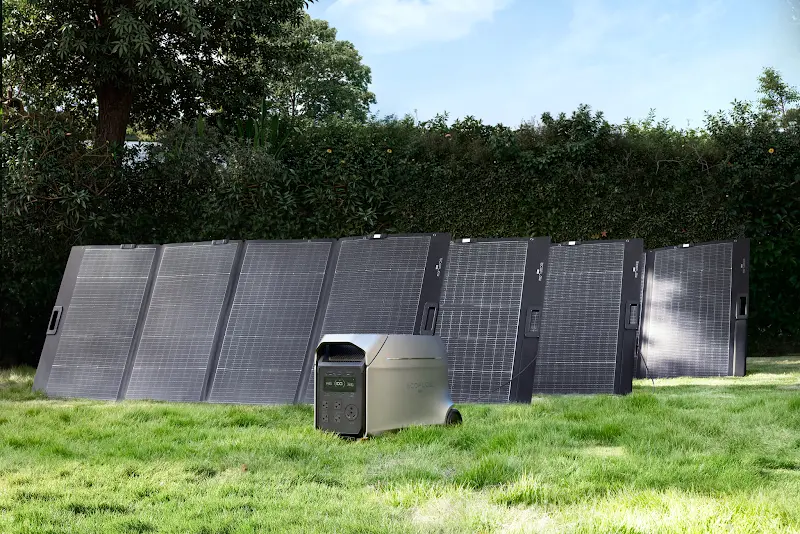
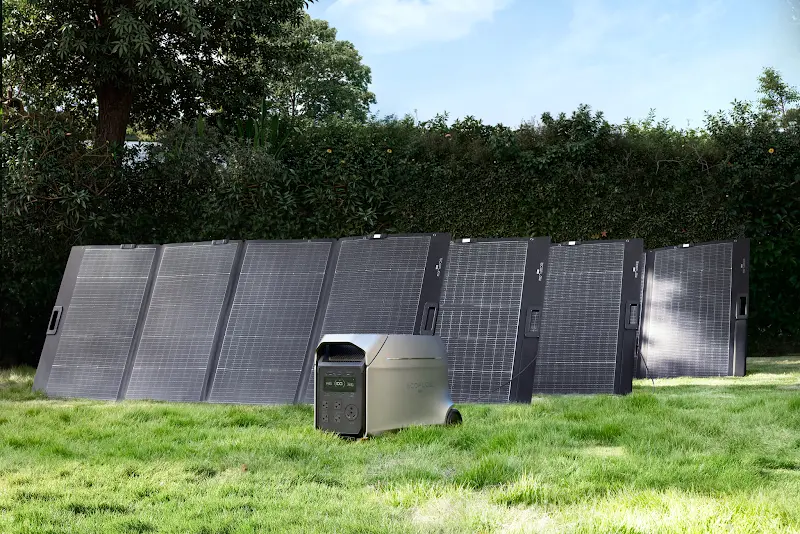
Canadian summers bring intense heatwaves, while winters carry severe blizzards—both of which frequently trigger short-term power outages. When the grid goes down, your refrigerator stops, the Wi-Fi cuts out, and phones die, disrupting daily life. For households with complex roofs, limited balcony space, or those who cannot commit to permanent roof installations, flexible solar and energy storage combinations are becoming a widely adopted emergency backup power solution. The EcoFlow DELTA 3 Ultra Plus + 400W Solar Panel bundle is a prime example of a flexible, high-performance system. Perfect for keeping your refrigerator running, maintaining your internet connection, and powering essential electronics during a blackout, this setup requires no complex roof installation. It can be easily deployed on a balcony, patio, or indoors, offering plug-and-play versatility whenever and wherever you need emergency power.
Build Solar Charged Home Backup Systems
Beyond basic emergency power, many households want complete peace of mind during extended grid failures, ensuring that central air conditioning, kitchen appliances, or home office workstations remain fully operational. Small, low-capacity power stations simply cannot sustain multiple high-draw appliances over long periods. This has driven a shift toward comprehensive home energy storage systems integrated with heavy-duty solar inputs. For families looking to cover large-scale appliances and enjoy extended backup runtimes, The EcoFlow DELTA Pro 3 + 400W Solar Panel bundle works well for households that need higher-capacity backup during extended outages. This pro-grade system is designed to handle demanding home electronics easily. By combining ultra-fast solar charging with massive battery reserves, it ensures your household stays up and running comfortably through prolonged outages without relying on a complex, permanent rooftop grid.
How Do You Measure Your Roof Space Safely?
If you decide to go with a rooftop solar setup, safety and precision come first. Map out your available roof space accurately. That keeps your system in line with local building codes and helps it perform at its best.
Measure Roof Length and Width First
Start by finding the total square footage of each usable roof slope. Homeowners should use accurate roof measurements to calculate how many solar panels will fit on the roof before purchasing solar panels or mounting equipment. Use satellite mapping tools or a physical tape measure to get the exact length and width of the flat, clear sections on your roof.
Subtract Edges for Fire Code Setbacks
Never place panels right up to the edge of your roof. Most Canadian building codes require a 1.5 to 3 foot setback along ridges, hips, and eaves. That gives firefighters and emergency crews a safe walkway.
Mark Spots for Vents and Pipes
Make sure your layout diagram includes every obstruction. Roof vents, chimneys, skylights, and plumbing pipes all take up space. So subtract those areas from your total solar real estate.
Map Out Optimal Sunlight Angle Exposure
Watch how sunlight moves across your property during the day. In the Northern Hemisphere, south and west facing roof sections get the most solar energy. That makes them the best spots for your panels.
How to Avoid Common Solar Sizing Mistakes
Getting your system dimensions wrong can cause costly delays, structural problems, or poor performance. Avoid a few common planning mistakes, and you will save time and money.
Count Vents Before Choosing Layout
Failing to account for small roof obstructions is a frequent error. Always count and map out every single vent and pipe before finalizing your layout, as even a minor pipe can disrupt a row of rigid panels.
Check Roof Obstacles Before Buying
Check for obstructions like overhanging tree branches or neighboring structures. Buying an array that looks great on paper but sits in the shadow of a chimney or tree will significantly cut into your system’s efficiency.
Compare Panel Length to Roof Section
Always verify that the raw physical dimensions of your chosen solar panels fit within the boundaries of your individual roof sections. Never assume that a roof plane with 200 square feet of space can automatically hold 200 square feet of rigid panels without checking structural margins.
Leave Room for Future Expansion
Your energy needs will likely grow as you adopt electric vehicles or expand your household. Design your initial layout with extra breathing room, allowing you to easily integrate more panels or higher-capacity battery storage systems down the road.
Conclusion
Knowing your solar panel dimensions is the first step to a successful home energy plan. Whether you go with standard rigid panels permanently mounted on your roof or choose the flexibility of plug-and-play solar battery bundles, matching your equipment size to your household needs gives you steady, reliable power. Measure your available space carefully and explore flexible home backup systems like the DELTA series. You will be ready to handle unpredictable weather and grid outages with confidence.
FAQ
How Do You Calculate the Size of a Solar Panel?
The physical size of a solar panel is calculated by multiplying its length by its width. For instance, a panel measuring 5.5 feet long by 3.3 feet wide has a total physical size of 18.15 square feet. If you are calculating the electrical sizing (wattage capacity) needed for your home, you divide your daily household watt-hour consumption by your area’s average peak sunlight hours.
Will Solar Panels Be Too Heavy for My Roof?
No, standard solar panels are rarely too heavy for a solid, modern residential roof. But engineers look at more than just static load, which is the dead weight of the hardware. That averages only 2.3 to 3.2 pounds per square foot.
In Canada, the real concerns are environmental loads: snow and wind. Solar panels change the wind pattern across your roof. They can also cause snow drifts or ice dams during heavy blizzards. So the whole racking system needs to handle those seasonal forces. Most standard roofs built to code can support the array just fine. But if you have an older roof, get a professional structural assessment to be absolutely safe.
Do You Need a Permit to Install Solar Panels in Canada?
You generally need both electrical and building permits for a grid tied rooftop solar system in Canada. That ensures your setup follows the Canadian Electrical Code and local zoning bylaws.
Portable solar generator kits skip all that permit hassle when you use them as independent, plug-and-play off-grid systems. They give you an easy, no fuss backup power solution right out of the box. But keep this in mind: if you permanently connect one to your home’s main electrical panel through a transfer switch, you will still need local electrical approval.
How Much Roof Space Is Needed for Solar?
An average residential solar system requires between 300 and 500 square feet of clear, unobstructed roof space. The exact area depends on your household’s total energy consumption and the efficiency rating of the individual modules you choose. For example, a standard 6kW system typically utilizes around 14 to 15 panels, requiring a clean, shade-free roof zone to accommodate the array comfortably.