6 Important Facts About the Ontario Electricity Support Program You Must Know
- What is the Ontario Electricity Support Program?
- Who Is Eligible for the Electricity Support Program in Ontario?
- 6 Essential Facts About the Ontario Electricity Support Program (OESP)
- 6. Can Be Combined With Other Ontario Energy Programs
- How to Apply for the Ontario Electricity Support Program?
- What Other Electricity Assistance Programs Are Available in Ontario?
- How to Reduce Electricity Costs Beyond OESP
- Conclusion
- FAQ
Living in Ontario means dealing with everything from humid summer heat to long, freezing winters, and as most residents know, keeping the lights on and the heat running can get expensive. For many households, monthly hydro bills can quickly add up, especially during peak heating or cooling seasons. That’s where the Ontario Electricity Support Program (OESP) comes in. Designed to help lower-income households manage rising electricity costs, the program provides monthly bill credits directly on your electricity statement. In this guide, we’ll explain how the OESP works, who qualifies, and how Ontario families can stretch their energy budget further with a combination of government support and smarter energy solutions.
What is the Ontario Electricity Support Program?
If you’ve ever opened your Hydro One or Toronto Hydro bill and wondered how to lower it, the Ontario Electricity Support Program (OESP) is a great place to start. Since the average electricity bill Ontario households deal with can vary wildly by season, this provincial initiative provides a steady monthly credit to help make those costs more predictable and affordable.
Unlike a one-time rebate or emergency grant, the OESP offers ongoing support, helping lower income families across Ontario manage their electricity costs throughout the year, whether it's keeping the heat running during the winter or powering everyday essentials at home.
Who Is Eligible for the Electricity Support Program in Ontario?
Eligibility for the Ontario Electricity Support Program (OESP) mainly depends on two things: the number of people living in your household and your combined after-tax household income. The program is designed to support lower income residents across the province, helping make everyday energy costs more manageable as electricity prices change throughout the year. Below is a general overview of the income limits based on household size:
| Household Size (People) | Maximum Annual Household Income (After Tax) |
|---|---|
| 1 Person | $38,000 |
| 2 People | $50,000 |
| 3 People | $52,000 |
| 4 People | $60,000 |
| 5 People | $71,000 |
| 7+ People | $71,000+ (Tiered) |
6 Essential Facts About the Ontario Electricity Support Program (OESP)
Understanding how the Ontario Electricity Support Program (OESP) works can help you make the most of the support available. These key details explain how the program delivers savings and what Ontario households should know before applying.
1. Direct Electricity Bill Credits for Eligible Households
The OESP doesn’t send out cheques or deposits. Instead, the credit is applied directly to your monthly electricity bill. Once approved, the amount automatically appears on your statement each month, making it a simple and reliable way to keep your household energy costs under control.
2. Expanded Income Brackets in 2026
The Ontario government has recently expanded the program’s income thresholds, allowing more households to qualify. If you applied in the past but didn’t meet the requirements, it may be worth checking again. The updated 2026 brackets are more inclusive, meaning many families who previously didn’t qualify may now be eligible.
3. Base Credits and Higher Credits for High Electricity Use
Most eligible households receive a base monthly credit ranging from $35 to $75. However, homes with higher electricity needs may qualify for a larger credit.
For example, households that rely on electric heating or require essential medical equipment, such as PAP machines or oxygen concentrators, can receive roughly 50% more support. Understanding why your summer electrical bill is spiking can also help you identify if you qualify for these higher usage tiers due to air conditioning needs. In these cases, monthly credits typically range from $52 to $113, helping offset the higher electricity demand during Ontario’s cold winters and warm summers.
4. Available to Both Renters and Homeowners
You don’t need to own your home to apply for the OESP. Both renters and homeowners can qualify, as long as the electricity account is in their name and the household income falls within the program’s limits.
Note for renters: If electricity is included in your rent and you do not receive a separate bill in your name, you generally won’t qualify for the OESP. In that situation, other provincial assistance programs may be available.
5. Benefits Must Be Renewed Periodically
The OESP isn’t a permanent benefit. Most households are required to reapply every two years to confirm that their income still meets the eligibility criteria. Some seniors and individuals receiving disability benefits may only need to renew every five years. Keeping track of your renewal date is important so your bill credits continue without interruption.
6. Can Be Combined With Other Ontario Energy Programs
Another advantage of the OESP is that it can be used alongside other provincial energy assistance programs. Many Ontario households combine multiple supports to reduce overall electricity costs, creating a stronger safety net against rising energy prices.
How to Apply for the Ontario Electricity Support Program?
Ready to lower your hydro bill? Applying for the Ontario Electricity Support Program (OESP) is fairly straightforward as long as you have the necessary information ready. Whether you’re applying for the first time or renewing your benefits, preparing your documents in advance can help the process move much faster.
Prepare the Required Application Documents
Before starting the application, make sure you have a few key details on hand. You’ll need your electricity bill so you can provide the account number linked to your home. You’ll also need the birth dates and Social Insurance Numbers (SINs) of everyone living in your household, along with your most recent tax return to verify your total household income.
Choose an Online or Mail Application Method
Most Ontarians choose to apply through the online portal at OntarioElectricitySupport.ca, which is usually the quickest option. If you prefer a paper application, you can download the forms and mail them in. Some local community agencies also offer in-person help if you’d like assistance completing the application.
Wait for Approval and Receive Your Credit
After you submit your application, the Ontario Energy Board typically takes a few weeks to review it. Once approved, the OESP credit will appear directly on your electricity bill, usually within the next one or two billing cycles. While you wait for these savings to kick in, many households also look into using a backup power station to better manage their energy reliability during unexpected outages.
What Other Electricity Assistance Programs Are Available in Ontario?
While the Ontario Electricity Support Program (OESP) provides valuable monthly bill credits, it’s only one part of the broader energy assistance landscape in Ontario. Several other provincial programs can help households manage electricity costs and improve long-term energy efficiency.
Energy Affordability Program: Free Home Energy Upgrades
The Energy Affordability Program helps eligible households reduce their energy use by providing free home upgrades. Depending on your home and energy needs, this may include improvements such as LED lightbulbs, smart power strips, insulation upgrades, or even energy-efficient appliances. For those looking to further decrease their grid dependency, pairing these upgrades with a solar generator can offer an eco-friendly way to power small devices for free. By lowering overall electricity consumption, these upgrades can help reduce monthly bills over time.
Ontario Electricity Rebate: Province-Wide Bill Discount
Most Ontario residents automatically receive the Ontario Electricity Rebate (OER) on their electricity bills. This program provides a percentage-based discount that helps offset part of the cost of electricity delivery and the Global Adjustment charge. Since the rebate is applied automatically, there’s no separate application required.
Low-Income Energy Assistance Program: Emergency Bill Support
If you’re facing a sudden financial hardship and are at risk of having your electricity disconnected, the Low-Income Energy Assistance Program (LEAP) can help. LEAP offers a one-time emergency grant that can be applied directly to your electricity bill, helping households catch up on overdue payments during difficult periods.
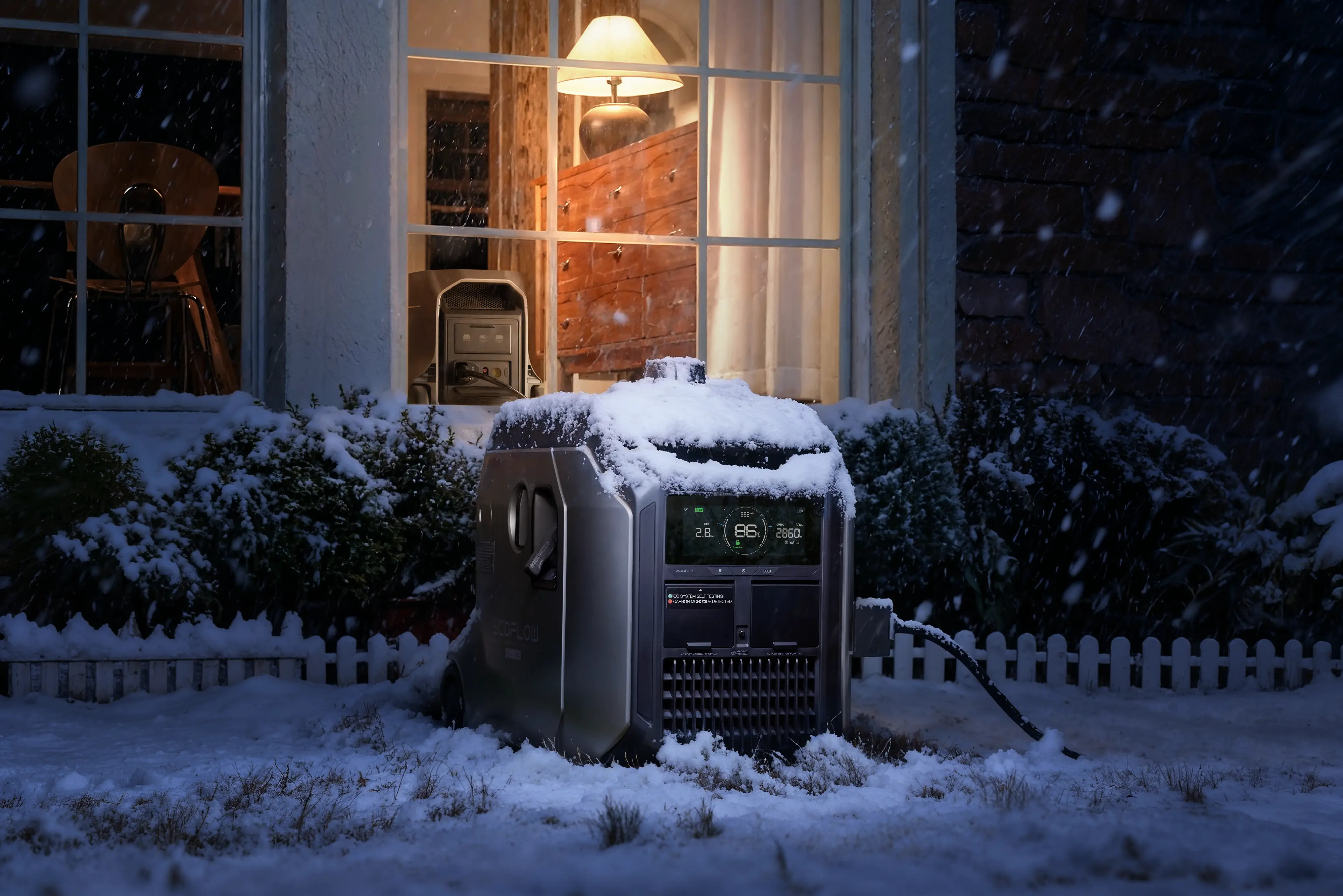
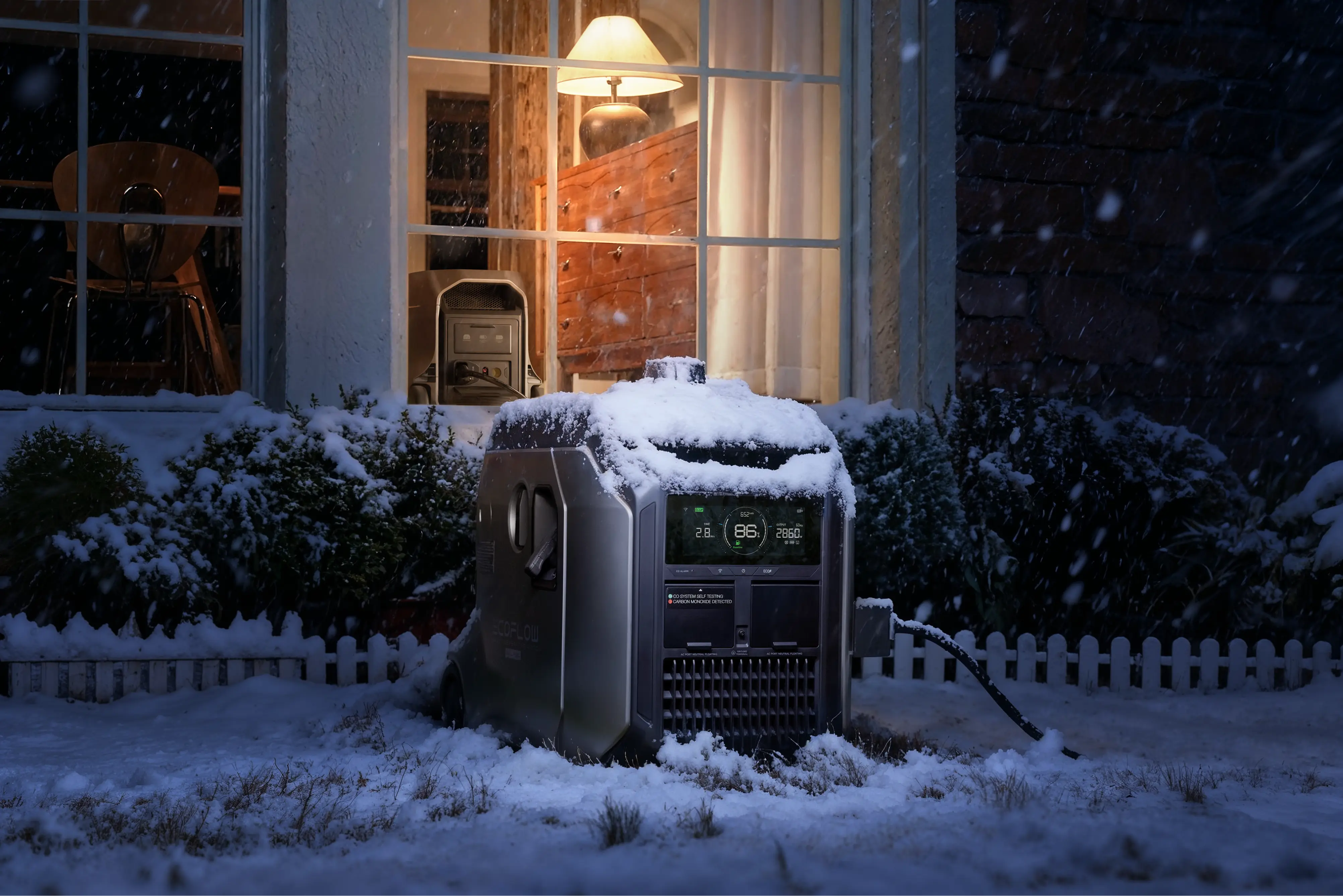
For many Ontario families, especially during harsh winters or unexpected outages, building long-term energy resilience is just as important as accessing short term financial support. In situations where reliable backup power is needed, such as extended blackouts or rural power disruptions, solutions like the EcoFlow DELTA Pro Ultra Whole-Home Backup Power can provide additional peace of mind. With high capacity battery storage, solar charging capability, and powerful AC output, systems like this can help keep essential devices running and maintain household comfort during unexpected power interruptions.
How to Reduce Electricity Costs Beyond OESP
While the Ontario Electricity Support Program (OESP) helps lower monthly hydro bills, it usually doesn’t cover the full cost of household electricity. Many Ontario families look for additional ways to manage their energy spending, especially during the colder months when heating systems run more often. Pairing government support with smarter energy strategies can make a noticeable difference over time.
One approach gaining attention is “peak-shaving,” which means using electricity when rates are lowest and reducing grid use during expensive peak hours. Ontario’s Ultra-Low Overnight (ULO) pricing plan offers some of the lowest rates in the province during late night hours, creating an opportunity for households to shift how they use power.
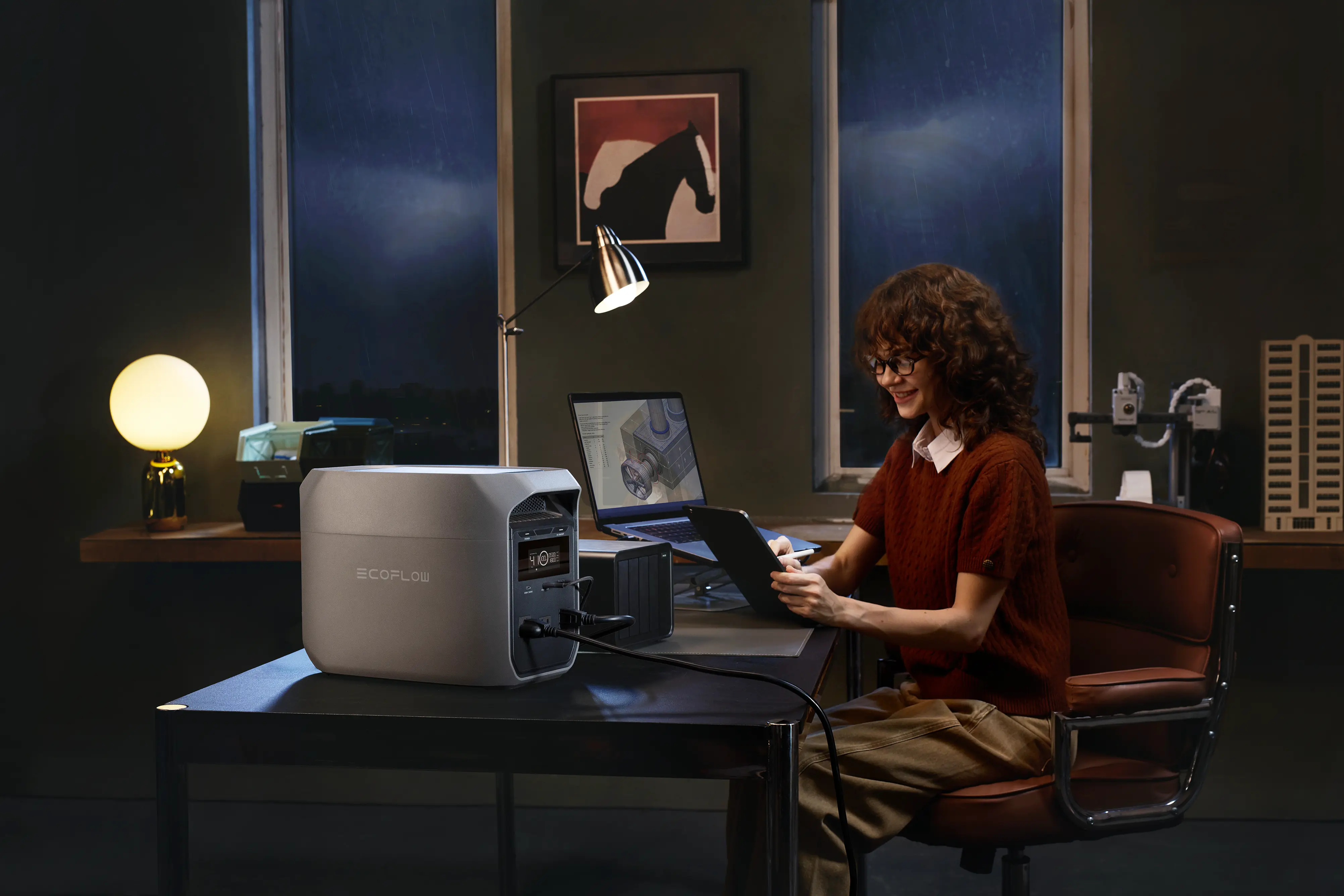
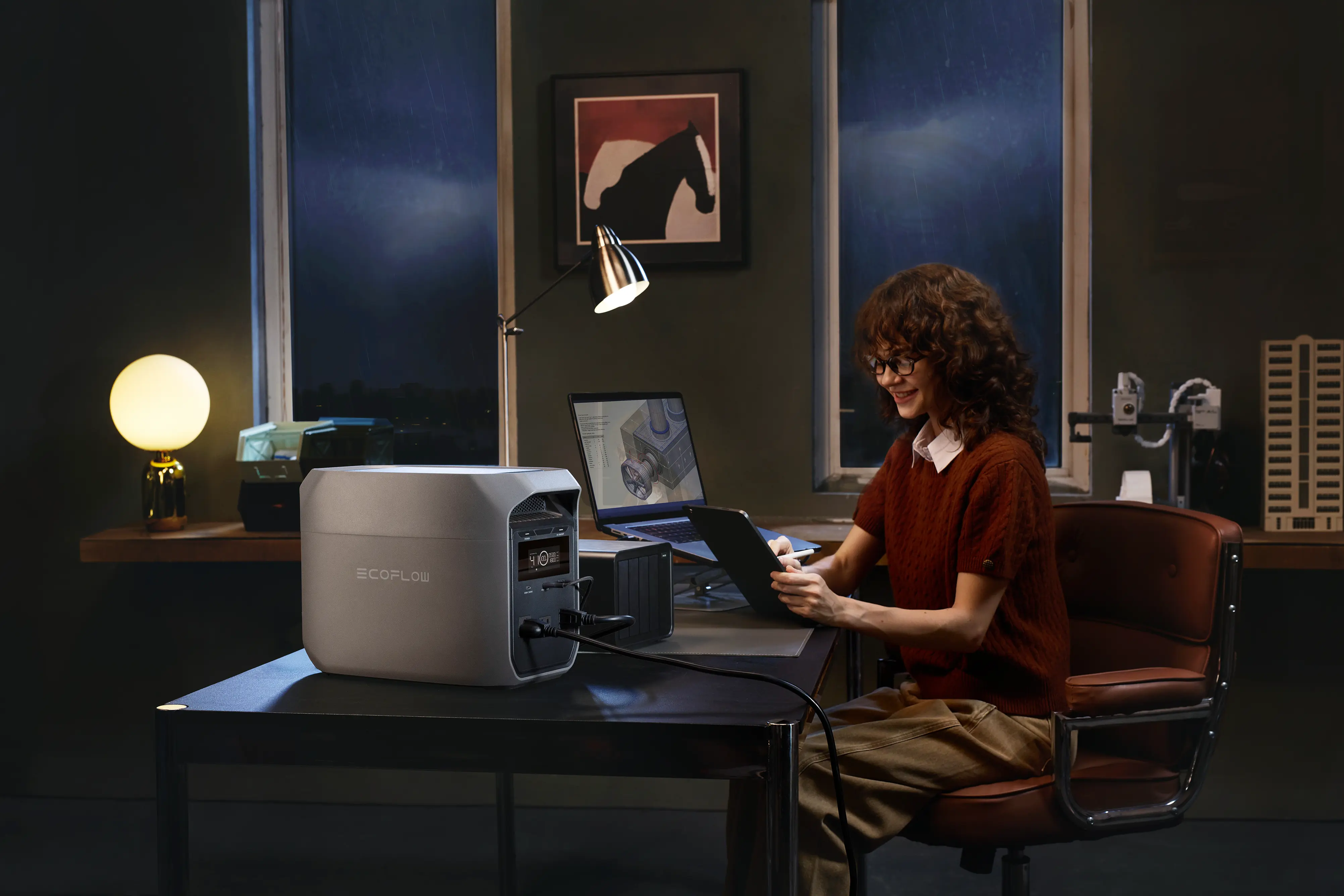
With a home battery system such as the EcoFlow Delta 3 Ultra Plus (3072Wh), households can store electricity when rates are low and use that stored energy later when prices rise.
Charge at Night: Store electricity during ULO hours when rates can drop to around 2.8¢/kWh.
Use During the Day: Run household devices during peak periods when rates may reach 18.2¢/kWh.
By shifting part of your daily energy use this way, you can significantly reduce electricity costs over the course of a year. For many households, combining OESP bill credits with a peak-shaving strategy helps stretch those savings even further.
For larger homes or families that want a full backup power solution, higher capacity systems like the EcoFlow DELTA Pro Ultra provide even more flexibility. With support for powerful AC input, large battery capacity, and solar charging options, it can help households maintain power during outages while also reducing reliance on higher cost grid electricity.
Conclusion
Managing electricity costs in Ontario doesn’t have to feel overwhelming. By taking advantage of programs like the Ontario Electricity Support Program (OESP) and exploring practical energy solutions, households can better control their monthly hydro bills. Staying informed about available assistance, applying for the credits you qualify for, and adopting smarter energy habits can all help make electricity costs more manageable throughout the year.
FAQ
1. How much does Ontario pay for electricity?
Electricity prices in Ontario depend on the plan you choose, such as Time-of-Use (TOU), Ultra-Low Overnight (ULO), or Tiered pricing. The base electricity rate for residential customers typically ranges from 8.7¢ to 18.2¢ per kWh. However, your final bill will usually be higher once delivery charges, regulatory fees, and HST are added, as these make up a large portion of most hydro bills.
2. Who has the cheapest electricity per kWh?
The Ultra-Low Overnight (ULO) pricing plan currently offers the lowest electricity rate in Ontario, around 2.8¢ per kWh. This plan is ideal for households that can shift energy use to overnight hours, such as charging electric vehicles or running appliances late at night.
3. What's the cheapest time of the day to use electricity?
Under the standard Time-of-Use (TOU) plan, electricity is cheapest during Off-Peak hours, which run from 7:00 PM to 7:00 AM on weekdays, and all day on weekends and statutory holidays. Many households schedule laundry, dishwashers, and other high-energy appliances during these hours to lower their hydro bills.
4. Which appliances use the most electricity?
In most Ontario homes, the biggest electricity users are heating and cooling systems (HVAC), especially during winter and summer. Other major energy consumers typically include the water heater, clothes dryer, and refrigerator, all of which run frequently throughout the day.