National Building Code 2025: Why Adoption in 2026 Matters for Renovators
Major updates to Canada’s building codes are about to take effect as the National Building Code of Canada 2025 is implemented. These codes introduce new provisions for energy efficiency, accessibility, and climate change mitigation and resilience.
While the code was published nationally last year, it won’t be implemented until 2026 to give provinces and territories time to review, modify, and adopt it.
For renovators and homeowners planning upgrades, understanding what the changes are and when they’ll take effect can help avoid costly delays and ensure compliance.
What Is the National Building Code 2025?
The National Building Code of Canada (NBCC) 2025 is the latest iteration of Canada’s Building Codes. It provides technical specifications to help ensure health, safety, and sustainability for new construction and renovation projects throughout Canada.
Even though the Code is written for the entire country, provinces and territories are given time to adjust the standards to meet their specific environmental or geographical challenges, such as a high risk of wildfires or seismic activity, before implementing it.
The Building Codes are updated regularly to keep pace with modern technologies and sustainability goals. For instance, the NBCC 2025 edition includes provisions that help mitigate greenhouse gas emissions to align with Canada’s climate goals.
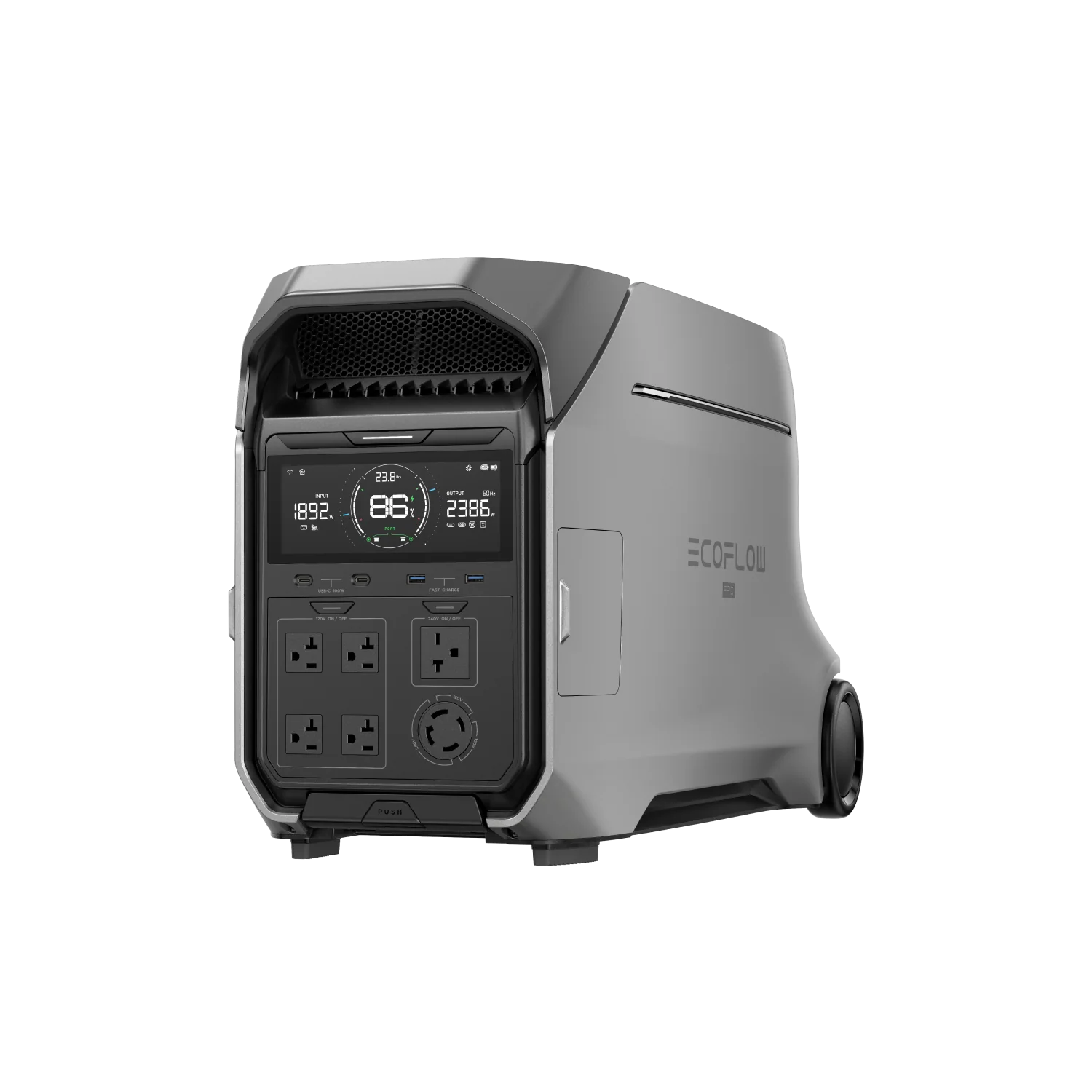
You can take personal steps to mitigate your greenhouse gas emissions at home using solar power, paired with battery storage, such as systems like the EcoFlow DELTA Pro 3, to store excess energy for use at night.
Why the 2026 Adoption Timeline Matters for Renovators
Even though the NBCC 2025 has been published at the national level, it doesn’t automatically become law.
Instead, each province and territory must review, adapt, and formally adopt the new Code into their own regulations. This is why most of Canada is expected to implement the NBCC 2025 in 2026, giving them time to implement it.
The deadline means renovators must become familiar with the new code book, as well as any specific provincial requirements, like seismic considerations in British Columbia or higher R-values for northern regions. They’ll also need to know when the new Codes will be implemented, which will vary from province to province.
Key Areas Renovators Should Pay Attention To
Renovators should pay special attention to new updates in the 2025 Codes that weren’t in the older 2020 Codes.
Here are some of those important updates:
Broaden accessibility objectives to apply across all dwelling types
Expand fire protection requirements to better safeguard adjacent buildings and include large farm structures
Add passive vertical radon stacks in dwellings and residential care occupancies to help reduce radon exposure
Incorporate updated climatic data trends to better account for future climate conditions
Add objectives aimed at lowering operational greenhouse gas emissions in buildings
Introduce energy efficiency requirements for renovation projects, supporting more efficient homes and potential cost savings
Strengthen requirements for resistance to lateral forces, including those caused by earthquakes and high winds
Finalize the points-based prescriptive trade-off pathway for energy performance tiers, offering builders greater flexibility in choosing cost-effective energy efficiency home improvements
Add an energy use intensity (EUI) compliance pathway for energy performance tiers, giving additional compliance options and accounting for efficiencies in more compact homes
Preparing Renovation Projects for the New Code
Renovators must work to comply with the NBCC this year by staying informed about the national requirements published in the NBCC 2025 edition, which can be purchased or downloaded as a PDF online for free.
You must also contact your province or territory for any modifications they’ve made to the Codes for your local area.
If the main power needs to be shut off during renovations, or if an unexpected outage occurs, having a portable, indoor-safe battery-powered home backup system can help keep tools and lighting running so work can continue safely.
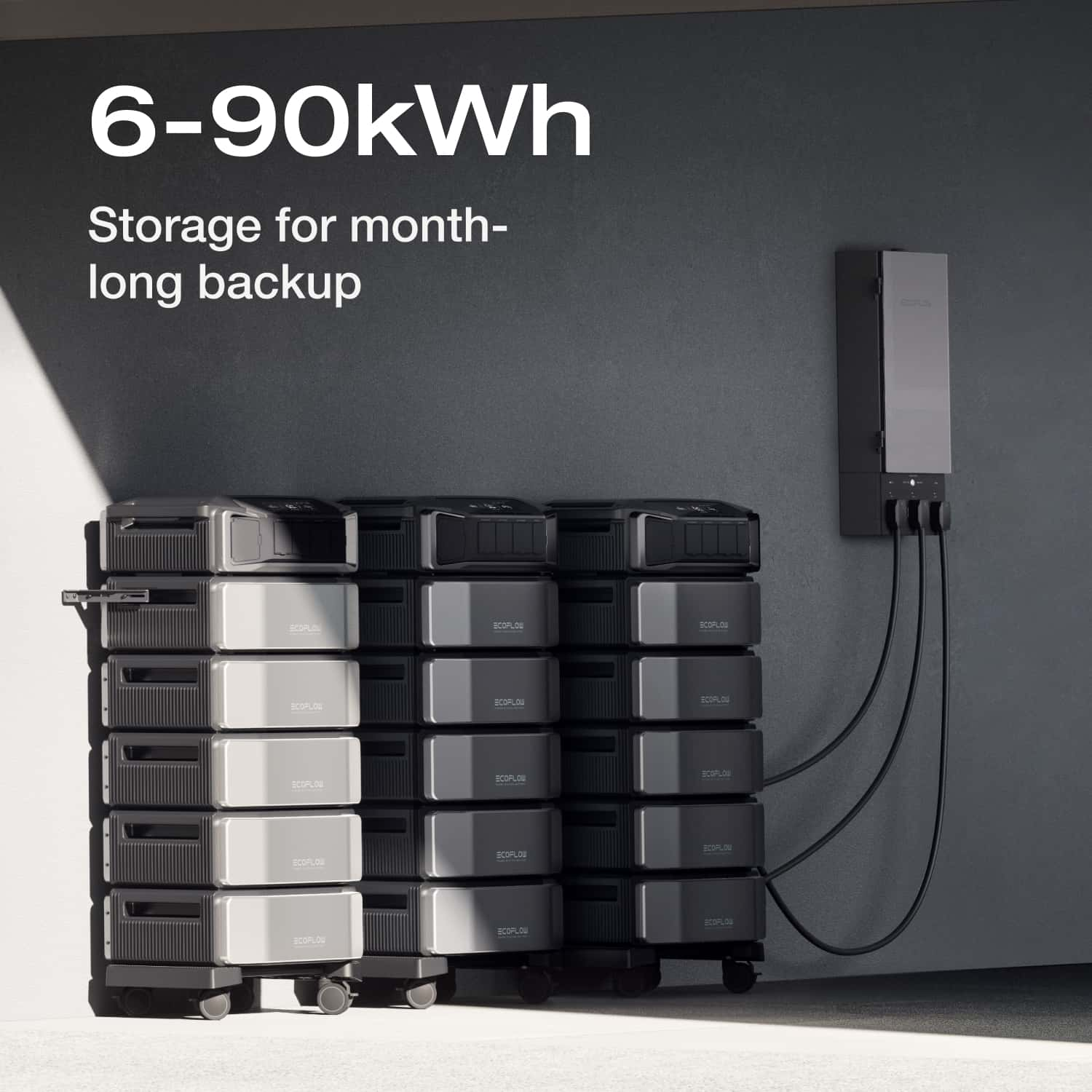
Portable systems like the EcoFlow DELTA Pro 3 PPS are well-suited for use during renos, while more advanced systems like the EcoFlow DELTA Pro Ultra can support larger, home-wide backup setups.
Why Staying Ahead of Code Changes Matters
Planning and staying ahead of Code changes is critical. It allows renovators to incorporate improvements aligning with the goals of energy efficiency, climate resilience, and reducing greenhouse gas emissions — all priorities in the latest 2025 edition of the NBCC.
When you account for changes ahead of time, you can future-proof renovations and ensure that the homes remain compliant when they are complete and for years to come.
Homeowners and renovators can also improve resilience to outages with backup power solutions, especially when paired with solar panels to store excess energy for use when needed.
Frequently Asked Questions
When Will the 2025 Building Code Take Effect?
The 2025 National Building Code of Canada is expected to take effect any time during 2026. While it was released last year, it’s being implemented in 2026 to allow provinces and territories time to review and modify it according to unique regional circumstances before enforcing the new Codes.
What Happens if a Renovation Project Starts Before the New Code Is Adopted?
If a renovation project is permitted and starts but is not completed before the new Code is adopted, it can proceed under the old Codes. However, to ensure compliance and safety, it's best to know what the new Codes are and when they take effect and plan accordingly.
Final Thoughts
The National Building Code of 2025 is a big step towards making homes in Canada safer, more efficient, and better able to handle climate change.
As provinces and territories get ready to adopt the new Codes in 2026, renovators and homeowners need to know what the new rules will be at both the national and the regional level to ensure compliance.
You can save money on your next renovation by making energy-efficient changes and making your home more resilient to power outages with the EcoFlow DELTA Pro 3 when paired with solar panels.
That way, you can gain energy independence, and when the grid goes down, you can keep essential appliances running.