Lithium-Ion vs. Alkaline Batteries: A Practical Guide for Canadian Homes
- What Is the Difference Between Lithium Ion and Alkaline Batteries?
- How Do Lithium Ion and Alkaline Batteries Compare in Daily Use?
- Which Battery Technologies Are Used in Backup Systems?
- How Do You Decide Which Battery to Buy for Each Device?
- Is Lithium Ion Worth the Higher Price for Canadian Homes?
- Conclusion
- FAQ
From everyday remotes to winter storm preparedness, choosing the right battery technology comes down to reliability and cost. In Canada, the difference between lithium-ion and alkaline batteries goes beyond price, affecting performance in cold temperatures and during power outages. This guide breaks down the key differences between lithium-ion and alkaline batteries, including how they’re built, how they perform, and which one offers better long-term value.
What Is the Difference Between Lithium Ion and Alkaline Batteries?
Before looking at performance, it helps to understand what’s inside. Both types convert chemical energy into electricity, but they do so in very different ways.
How Each Battery Stores Energy
Alkaline batteries produce electricity through a one‑way chemical reaction between a zinc anode and a manganese dioxide cathode. Once those chemicals run out, the reaction stops for good. Lithium‑ion batteries rely on lithium ions moving back and forth between a cathode and an anode. That movement is what allows lithium-ion batteries to be recharged repeatedly.
Rechargeable vs. Single-Use Design
This chemical difference changes how you use each type. Alkaline batteries are strictly single use. Trying to recharge them creates a serious safety risk, including ruptures or leaks. Lithium‑ion batteries, by contrast, are designed from the start to be recharged hundreds or even thousands of times. Understanding how to charge a Lithium Ion battery properly can also help extend long-term battery performance and safety. That means fewer trips to the store and less waste ending up in Canadian landfills.
Common Devices Using Each Type
Alkaline batteries deliver a slow, steady stream of power, so they’re still a good fit for simple household items like wall clocks and TV remotes. But when a device has to handle harsh conditions or heavy use, lithium technology takes the lead.
For Canadian homeowners, it helps to know that lithium batteries come in two distinct types. First, there are single‑use lithium batteries, also called primary lithium, like standard AA or 9V Energizer Ultimate Lithium cells. You can’t recharge them, but they handle the cold extremely well, which makes them a strong choice for critical safety gear. Second, there are rechargeable lithium‑ion batteries. These provide the steady power your smartphone, laptop, cordless power tools, and large portable power stations need to keep your home running during a blackout.
How Do Lithium Ion and Alkaline Batteries Compare in Daily Use?
Setting aside the technical details, how do these batteries actually perform in everyday use? In practice, the real differences show up in lifespan, cold-weather performance, and safety.
Battery Life and Capacity in Real Devices
If you put alkaline batteries in a power‑hungry device like a digital camera, they tend to die quickly because their voltage starts dropping the moment you turn the device on. Lithium-ion cells generally maintain a more stable voltage output during use, allowing high-drain devices to operate more efficiently.
Performance in Summer Heat and Humidity
Canadian summers can get surprisingly hot and humid, especially in Ontario, Quebec, and the East Coast. When alkaline batteries sit in high temperatures, they experience a high self‑discharge rate, meaning they lose power just sitting on a shelf. Lithium‑ion batteries handle summer heat waves much better, holding their charge so they are ready when you need them.
Upfront Cost vs. Long-Term Cost
It‘s true that a pack of alkaline batteries costs less at the checkout, which makes them an easy choice for a quick, budget‑friendly fix. Lithium‑ion batteries require a larger upfront investment. But when you consider that a single rechargeable lithium battery can replace hundreds of disposables over its lifetime, the long‑term savings clearly favour lithium.
Which One Leaks and Ruins Your Device?
As an alkaline battery discharges and ages, its internal chemical reactions generate hydrogen gas, building up pressure until the outer steel casing cracks. This causes the infamous leak of potassium hydroxide, which reacts with the air to dry into that corrosive white crust of potassium carbonate and permanently ruins expensive electronics. Under abusive conditions like physical crushing or extreme short circuits, lithium cells face a different hazard called thermal runaway, though they have a much lower risk of standard leakage under normal operating conditions compared to alkaline batteries.
Which Battery Technologies Are Used in Backup Systems?
When it comes to keeping your whole home powered up instead of just running small AA batteries, choosing the right technology comes down to comfort and safety, especially when a winter ice storm or a summer blackout hits.
Lithium Ion as Modern Home Backup Standard
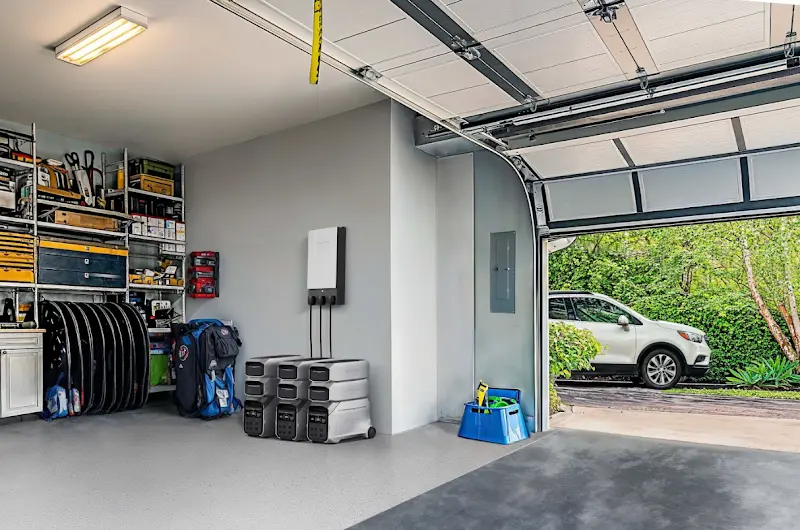
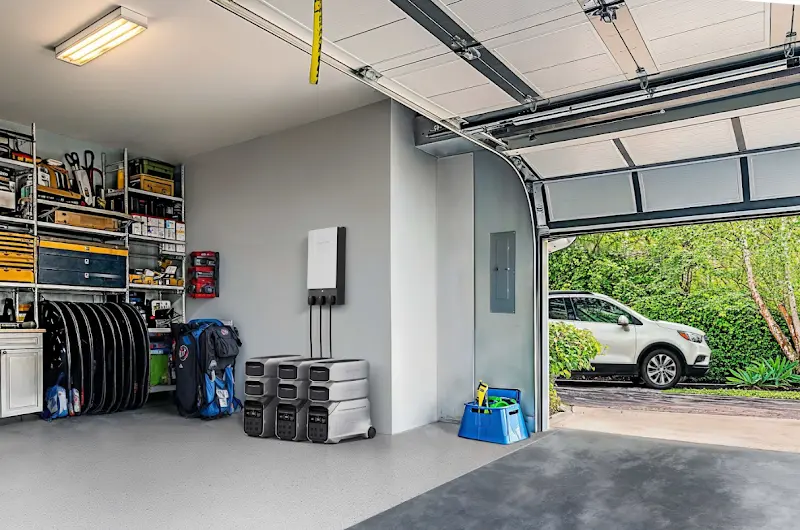
During a power outage in Canada, a battery’s starting power determines whether you can actually keep your household running. Alkaline batteries simply don’t have the capacity for heavy lifting. If you try to start a high‑draw appliance like a refrigerator, microwave, or a critical sump pump, the voltage drops instantly and the system fails. Modern lithium technology has become the standard for home backup because it handles those heavy continuous loads and sudden power surges with ease.
For reliable home emergency power, modern backup systems use a specialized branch of lithium technology called Lithium Iron Phosphate (LiFePO4 or LFP). A dedicated LFP system like the EcoFlow DELTA Pro 3 Portable Power Station makes a real difference. Unlike the lithium-ion batteries in your phone or laptop that degrade after a few hundred charges, LFP batteries are significantly safer, highly thermal-stable, and can be cycled 4,000+ times before dropping to 80% capacity. This ensures perfectly stable, clean power through major blackouts for over a decade of daily use.
Lead Acid in Traditional Backup Setups
For years, heavy lead‑acid batteries were the go‑to for off‑grid properties and backup power banks. They cost less upfront than a large lithium setup, but they have a key weakness: drain them past 50 percent, and you permanently lose some capacity. They also need regular ventilation and routine maintenance, and their sheer weight makes them a pain to move.
Mobile and Vehicle Charging Battery Systems
Keeping your gear charged matters just as much when you’re on a classic Canadian road trip, overlanding, or camping in our national parks. If you rely only on solar panels to recharge, a few cloudy days, a thick forest canopy, or the short daylight hours of winter can leave you without reliable power access.
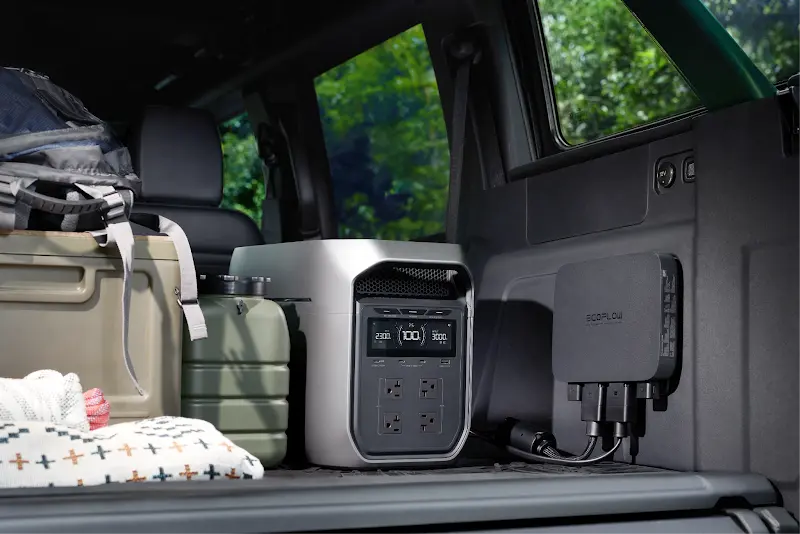
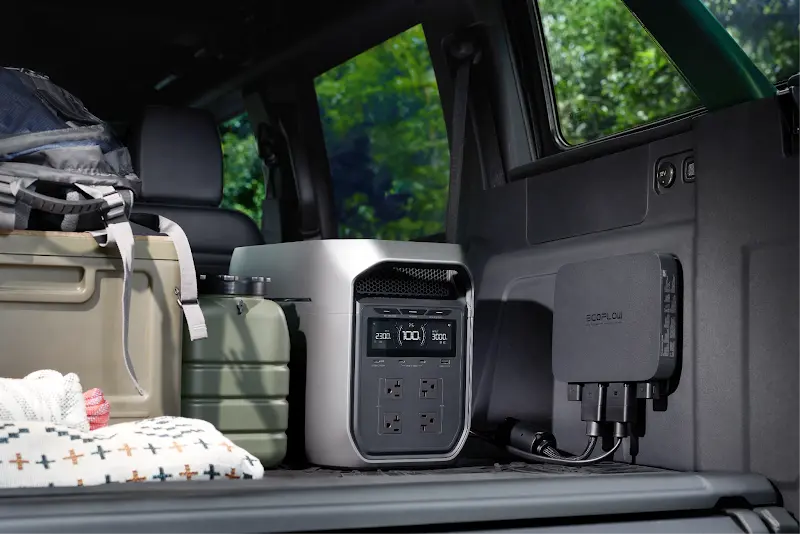
To get around unpredictable weather, smart travellers combine vehicle charging with portable lithium storage. A setup like the EcoFlow Delta 3 Max Plus (2048Wh) + 800W Alternator Charger pulls power directly from your vehicle’s alternator as you drive. (Note: Due to the high power, this requires a direct connection to the car battery rather than a standard cigarette lighter socket.) That means whether you’re driving between provinces or exploring remote backcountry, you can keep your devices, camp lights, and appliances running without ever needing an electrical hookup.
How Do You Decide Which Battery to Buy for Each Device?
Choosing the right battery depends on how a device operates, how frequently it is used, and where it will be stored.
Check How Often You Replace the Batteries
If you have a device with high battery consumption, like a wireless gaming mouse, a DSLR camera, or your kid’s favourite remote‑control toy, relying on disposable batteries quickly becomes inconvenient and expensive For anything you use on a daily basis, switching to rechargeable lithium‑ion just makes sense for your wallet and your peace of mind.
Look at How Much Power the Device Needs
High‑drain devices with digital screens, internal motors, or wireless connectivity need big bursts of energy and will consume batteries quickly. Low‑drain devices like wall clocks or TV remotes draw very little power and can run just fine on cheap alkaline batteries for a year or longer.
Extreme Temperature Tolerance (Winter vs. Summer)
Canadian winters are known for extreme cold, and that cold is tough on standard batteries. Alkaline batteries struggle in sub-zero temperatures because the cold slows their internal chemical reactions, which can significantly reduce their capacity.
Lithium batteries perform much better in freezing conditions. In particular, primary lithium batteries can operate in temperatures as low as -40°C and are far more resistant to long-term self-discharge, even when stored in a freezing vehicle.
This makes primary lithium batteries a strong option for emergency flashlights, outdoor security cameras, and smoke detectors in colder climates.
Is Lithium Ion Worth the Higher Price for Canadian Homes?
To figure out if it’s actually worth it, you need to look at the big picture and see what you’re really paying over time.
Quick Reference: Alkaline vs. Lithium at a Glance
To help you visualize the key differences before looking at the costs, here is a quick breakdown of how these two technologies stack up against each other in Canadian households:
| Features | Alkaline Batteries | Lithium / Li-ion Batteries |
|---|---|---|
| Rechargeability | Single-use only | Both single-use and rechargeable available |
| Cold Weather (-20°C) | Poor (freezes & drops power) | Primary (single-use): Excellent (works down to -40°C) Li-ion (rechargeable): Good discharge, but capacity drops in extreme cold & cannot be charged below 0°C |
| Leakage Risk | High (leaks corrosive white crust) | Extremely Low |
| Power Output | Drops continuously during use | Stays strong and steady until empty |
| Best For | Low-drain devices (remotes, clocks) | High-drain devices, outdoor gear & backup |
Calculate Cost per Use Not per Battery: A big pack of disposable batteries may look inexpensive upfront, but it is a recurring expense over time. When you divide the cost of a lithium-ion battery by hundreds of recharge cycles, the cost per use drops to fractions of a cent. This results in lower long-term cost per use compared to disposable alkaline batteries.
Replacement Frequency Comparison: Relying on alkaline batteries means constantly checking your stash, heading to the store when you run out, and dealing with drop-off recycling centers for dead cells. A quality lithium battery can remain reliable for years with minimal maintenance.
Long Term Savings from Recharge Cycles: Over a few years, switching your high-use electronics to lithium avoids the risk of battery acid ruining a pricey piece of gear, giving you huge financial savings and complete peace of mind when harsh winter weather hits.
Conclusion
Alkaline batteries remain a practical, low-cost option for low-drain indoor devices such as remotes and wall clocks. However, for high-drain electronics, outdoor gear used through Canadian winters, and home backup systems, lithium-ion is the better choice. It delivers stronger performance, better cold-weather reliability, and improved long-term value.
In most Canadian households, a mixed approach works best: alkaline for simple everyday devices, and lithium-based batteries for anything that needs consistent power or operates in harsh conditions.
FAQ
When Should You Not Use Lithium Batteries?
Avoid using lithium‑ion batteries in older or inexpensive electronics that aren’t built to handle their higher voltage. That extra power can damage the circuits. Also, don’t use them in devices exposed to extreme, unvented heat above 60°C, or in situations where airline rules restrict large lithium batteries in checked luggage.
What Happens if I Put Alkaline Batteries in a Lithium-Only Device?
The device likely won’t turn on, or will shut down almost right away. Alkaline batteries can’t supply the higher voltage and steady current that a lithium‑only device needs. In some cases, forcing the device to run on lower voltage can strain its internal parts, or drain the alkaline cells so fast that they overheat and leak.
Which Battery Lasts Longest in Smoke Detectors?
A premium 9V lithium battery can typically power a standard smoke detector for up to 10 years in some low-power smoke detector models, depending on usage and device specifications, while alkaline batteries usually require replacement every 1–2 years. In practice, many homeowners replace alkaline batteries annually to avoid low-battery alerts and ensure consistent performance through seasonal temperature changes.
Can Lithium Batteries Be Used in Any Device?
Not always. Standard 1.5V primary lithium batteries (like AA sizes) are perfect drop-in replacements for alkalines. However, you must never use 3.7V rechargeable lithium-ion cells (like 14500s) in devices designed for 1.5V, as the higher voltage can seriously damage the circuitry. Always check your device’s manual.