Hurricane Preparedness Guide for Atlantic Canada 2026
- What Is Hurricane Preparedness, and Why Does It Matter in Atlantic Canada?
- When Is Hurricane Season and Which Regions Face the Highest Risk?
- What Are the Typical Impacts on Homes and Daily Life?
- What to Prioritize in Hurricane Preparedness
- Modern Preparedness: From Manual Steps to Scalable Resilience
- Ready to Prepare for Hurricanes with EcoFlow?
- Frequently Asked Questions
- Stay Safe, Stay Powered, Recover Faster
The Atlantic hurricane season runs from June 1st to November 30th, and Atlantic Canada sits directly in the Canadian Hurricane Centre's response zone, stretching from the Atlantic provinces to Northern Ontario.
About 35–40% of Atlantic storms pass through the CHS response zone, with about one or two producing a measurable impact on Canadian soil each year. Though the 2026 forecast calls for a below-average season, this could still be a year of damaging storms.
Here's how to prepare for all possibilities in the 2026 hurricane season, from manually strengthening your home to investing in scalable power.
What Is Hurricane Preparedness, and Why Does It Matter in Atlantic Canada?
Hurricane preparedness is made up of actions taken before, during, and after a storm to protect your property, life, and essential services. Robust hurricane preparedness covers: emergency kits, home hardening, evacuation planning, and backup power planning.
Atlantic Canada faces recurring exposure to tropical and post-tropical cyclones. Though storms typically weaken as they move north, they can still carry hurricane-force winds and damaging storm surge at landfall.
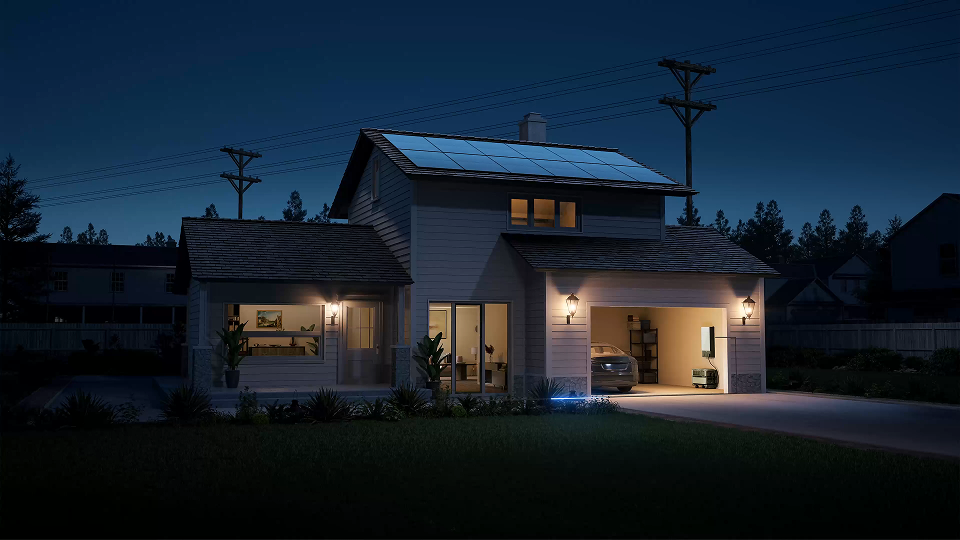
Protecting your home from wind and water damage, investing in reliable backup power like the EcoFlow DELTA Pro Ultra, and consistently practicing your evacuation plan can keep you, your home, and your family safe and out of harm's way, even if the worst-case scenario happens.
When Is Hurricane Season and Which Regions Face the Highest Risk?
The 2026 Atlantic hurricane season falls between June 1st to November 30th annually, with peak activity in the Atlantic basin from August through October. Storms are most likely to reach the Atlantic Canadian coast in September.
Nova Scotia and Prince Edward Island have the highest historical exposure, though New Brunswick typically sees the heaviest rainfall on the storm's western flank. Newfoundland and Labrador are both vulnerable coastal areas, as seen in Fiona's Port aux Basques storm surge.
Outside hurricane season, Atlantic Canada is also at risk of nor'easters, which extend the area's severe storm window into fall and winter, compounding the need for year-round storm readiness.
What Are the Typical Impacts on Homes and Daily Life?
Power outages should be expected. In 2022, Fiona cut power to more than 400,000 customers across Atlantic Canada at its peak. Average restoration time can span up to a few days.
Storm surge is common, exceeding three meters in some coastal areas.
Rainfall can reach up to 200 mm across Nova Scotia, New Brunswick, PEI, Newfoundland, and Labrador, overwhelming and flooding drainage and damaging roads, bridges, and foundations.
Structural damage caused by high winds, falling trees, or power lines can be costly. Fiona was the costliest extreme weather event ever recorded in the region at the time, with total economic losses estimated at up to $4B.
Severe structural damage can leave people without safe homes to stay in. Power outages can leave food to rot and medical equipment powerless. Plus, storm surges and flooding rainfall can make transportation and emergency restoration extremely challenging.
What to Prioritize in Hurricane Preparedness
As you think about your own Canadian hurricane preparedness plan, these are some of the tasks to prioritize:
Emergency kits: These should include at least 0.4 gallons (2 litres) of water per person per day for at least 72 hours, non-perishable food, medications, first aid supplies, flashlights, and a battery-powered or hand-crank radio.
Pre-season home hardening: Make a point to inspect and repair roof damage, check your windows and garage doors, clear drains and gutters, and trim or remove dead trees and branches near structures.
Sign up for alert systems: Register for Canada's National Emergency Alerting System, Alert Ready. You can also download the WeatherCAN app for local push notifications from Environment and Climate Change Canada.
Evacuation plan: Know your municipal evacuation zone and route. Identify an inland shelter location in advance. Practice the evacuation plan regularly, so everyone in your household knows what to do.
Modern Preparedness: From Manual Steps to Scalable Resilience
Traditional preparedness, such as a kit with flashlights, canned goods, and manual pumps, helps cover short disruptions but still leaves gaps for multi-day outages that affect refrigeration, medical devices, sump pumps, and communication.
A modern approach integrates battery-based backup systems at the core of preparedness.
A portable power station can support essential devices and appliances, while a whole-home generator can support your home's full energy requirements indefinitely if paired with solar.
Consider scalable systems that allow you to start at a core capacity and expand as needs grow, a useful feature given that storm impacts vary significantly by location and storm track.
Ready to Prepare for Hurricanes with EcoFlow?
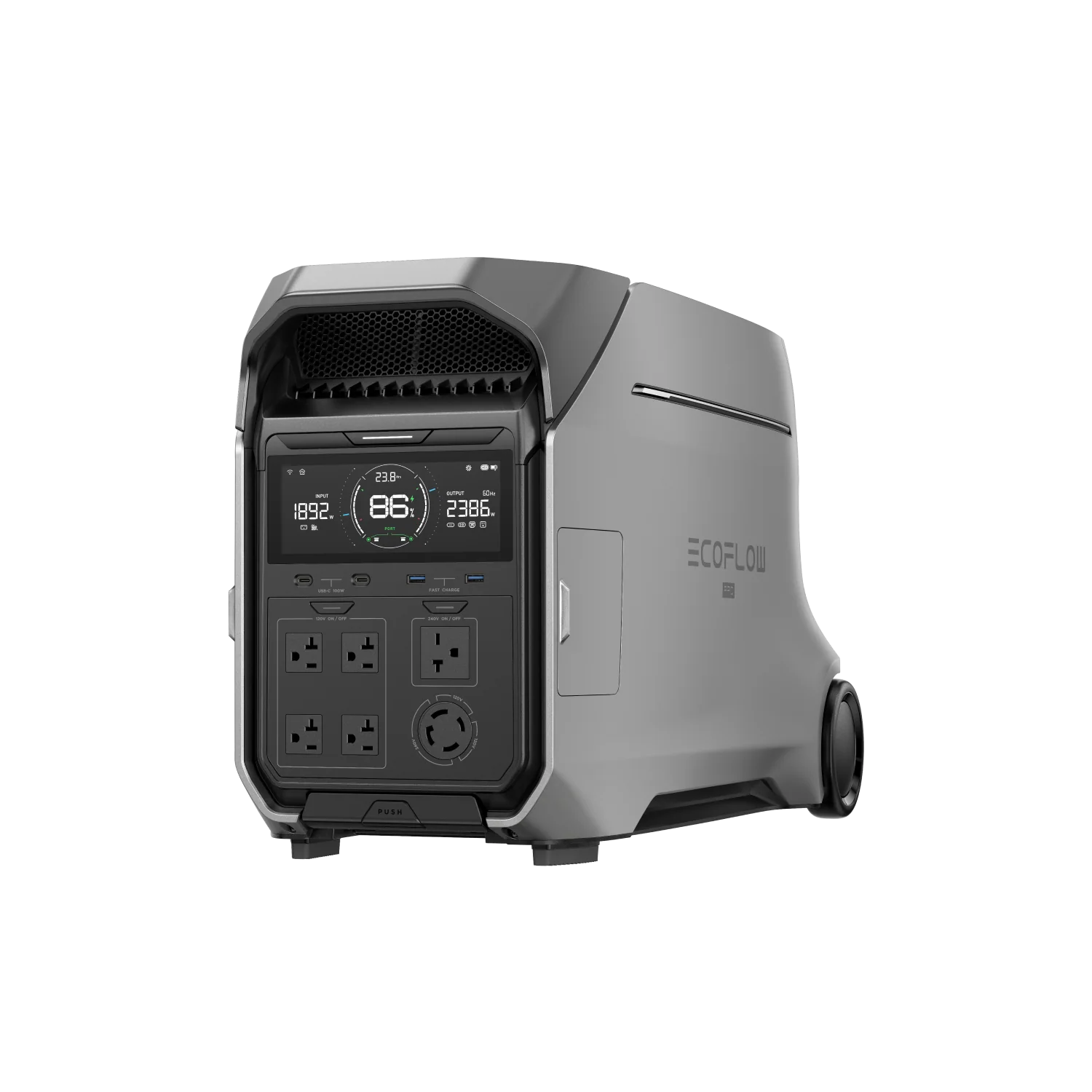
The EcoFlow DELTA Pro 3 is an accessible entry point for households that need robust single-room or central circuit coverage.
It has ultra-quiet operation, making it safe and suitable for indoor use during a storm, does not require refuelling, and is rated for 4,000 cycles before capacity falls to 80% thanks to EV-grade LFP battery technology.
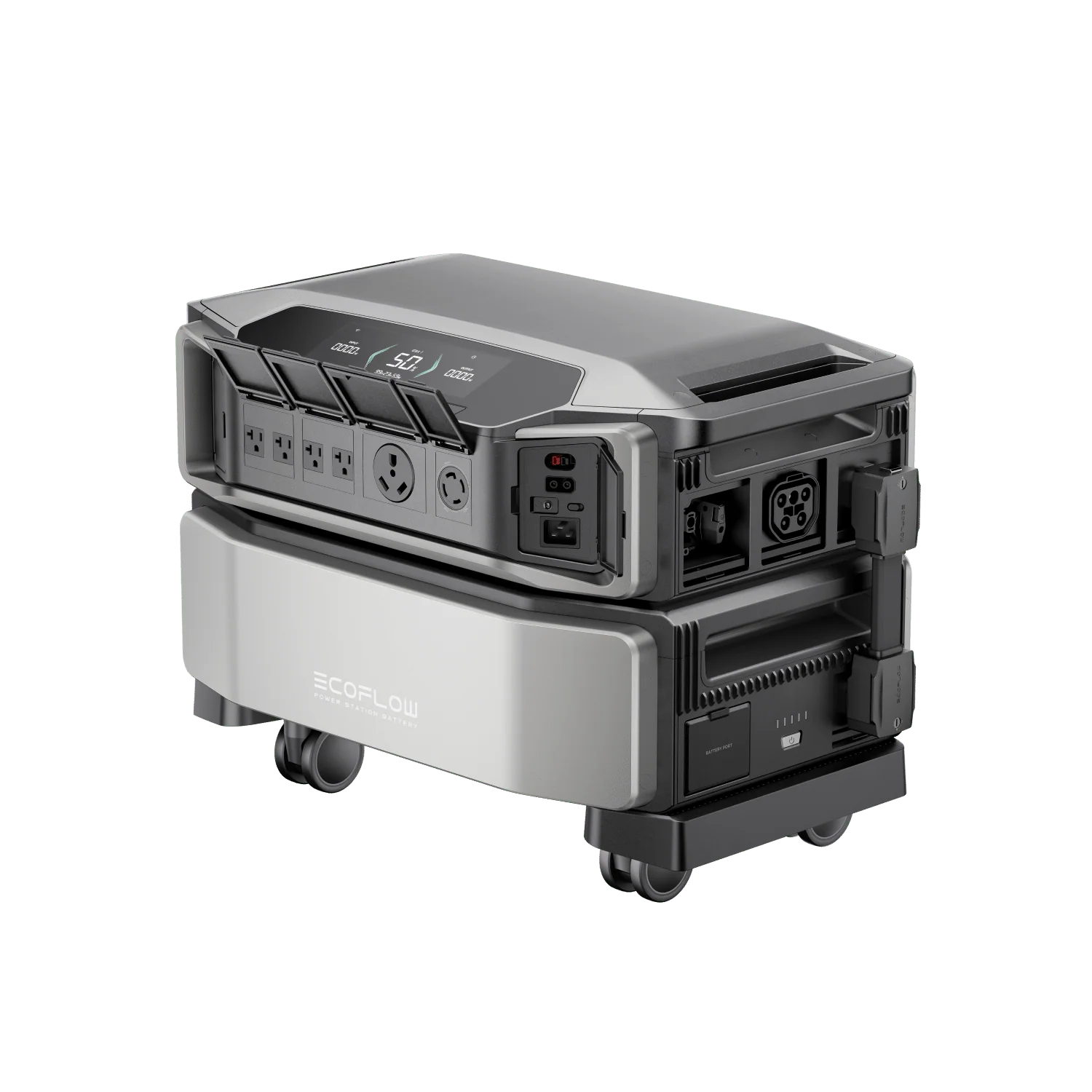
The EcoFlow DELTA Pro Ultra is built for households that need whole-home backup coverage through multi-day outages.
With expandable capacity up to 90kWh and high AC output up to 21.6kW, it can support priority circuits — refrigeration, sump pumps, medical devices, and HVAC — simultaneously. When paired with solar panels, it can sustain your home's essential systems indefinitely, making it a practical choice for coastal properties in Nova Scotia, PEI, or Newfoundland that face prolonged outages after major storms.
Frequently Asked Questions
Which Atlantic Provinces Are Most Likely to Be Impacted?
Nova Scotia faces the highest overall hurricane exposure due to direct landfall risk plus proximity to storm tracks. However, PEI is also particularly vulnerable to storm surge, and New Brunswick is the most exposed to heavy rainfall. No province in Atlantic Canada is fully outside the risk window.
How Do I Secure My Home Before a Hurricane?
Before hurricane season starts, install or test your storm shutters. Secure all loose outdoor objects, such as furniture, propane tanks, and garbage bins. Inspect your garage doors, as they are a common failure point. Clear drainage around your home.
What Backup Power Solutions Should I Consider During Outages?
For essential device coverage, consider a portable power station like the EcoFlow DELTA Pro 3 as a portable, scalable starting point. To upgrade to whole-home coverage, a system like the EcoFlow DELTA Pro Ultra, when paired with solar, can maintain priority circuits through multi-day outages.
Stay Safe, Stay Powered, Recover Faster
Atlantic Canada's hurricane history shows that storms can cause damage with lasting consequences, including prolonged outages, flooding, structural damage, and supply disruptions. The time to prepare is now, before a named storm is in the forecast, while supplies are still available, contractors are reachable, and equipment can be properly installed and tested before it's needed.
Whole home backup power solutions from EcoFlow are one of the highest-impact investments you can make as a household in Atlantic Canada heading into hurricane season.