Home Backup Electrical Generators: What to Know Before Buying
Across Canada, power outages aren’t just occasional inconveniences, they’re a normal part of life in a country where the weather has a mind of its own. One week you might be dealing with a heavy lake effect snowstorm rolling through Southern Ontario, and the next it’s a mid-summer thunderstorm knocking out power on the Prairies. When the lights go out, it’s never just a matter of sitting in the dark for a few minutes. You’re suddenly worrying about frozen pipes, fridges warming up, sump pumps stopping, and remote work grinding to a halt.
A reliable backup power system has become less of a luxury and more of a household essential. But choosing the right setup, one that fits your home, budget, and climate, can feel overwhelming if you’re not sure where to start. Before committing to a purchase, it’s worth taking the time to understand the different types of backup solutions available in Canada and how they compare. Making an informed choice now can save your family a lot of stress the next time the grid decides to take an unexpected break.
Different Types of Home Backup Power Solutions
The term “generator” doesn’t mean what it used to. Most Canadians still picture the old school, gas powered units rattling away on the driveway during a blackout, but backup power has come a long way. Today’s options are quieter, cleaner, and far more adaptable to the way modern homes operate. Depending on where you live, from a townhouse in Toronto to a rural property outside Fredericton, the right solution can look very different.
Traditional Fuel Generators
These are the familiar gas or propane models that have been trusted for decades. They stay outdoors because of carbon monoxide risks, but when you need steady power through a long winter storm, they get the job done. They produce a strong, reliable output and can run for days as long as you have fuel on hand. The catch, of course, is that they need regular maintenance and a safe fuel supply, which can be tricky during widespread outages.
Electric Backup Generator for Home
In recent years, “electric generator” has taken on a new meaning. Instead of burning fuel, these systems store electricity inside high capacity batteries. Think of them as clean, silent power hubs that you can use anywhere in the house, no fumes, no noise, no constant refuelling. They’re especially handy in neighbourhoods with strict noise bylaws or for families who prefer a plug and play solution without the mess of fuel storage.
House Battery Backup Systems
Systems of whole-home battery backup are becoming increasingly common across Canada, particularly in newer builds and eco-focused households. These setups can tie directly into your electrical panel and often pair beautifully with rooftop solar. When the grid goes down, the switchover is almost instant, keeping your lights, furnace fan, and essential outlets powered without a single sound. It’s a clean, convenient backup option, ideal if you’re aiming for a lower-emission home.
What Is a Home Electric Backup Inverter Generator
Inverter generators, whether fuel-based or battery-powered, take power quality to another level. They convert electricity through several stages to produce a “pure sine wave,” meaning the power is as clean and stable as what you get from the grid. That matters when you’re running sensitive electronics like laptops, medical equipment, gaming consoles, or smart home hubs. You don’t want a voltage spike taking out your router in the middle of a winter outage.
Hybrid Backup Setups for Maximum Reliability
For Canadians living in areas prone to long, multi-day outages, think rural Manitoba, Northern Ontario, or parts of the Maritimes, a hybrid system offers peace of mind that’s hard to beat. You get the silent convenience of a battery system for everyday outages and the raw endurance of a fuel generator for extended ones. When the battery runs low, the fuel unit automatically takes over, keeping your home powered without any manual intervention.
Key Features to Compare Before Choosing a Home Backup Electrical Generator
Choosing the right backup power system isn’t just about finding something within budget. The real difference lies in how well a unit matches your home’s needs and the way you live. Before committing, it helps to look closely at the technical details and how each option behaves in real conditions, especially in a country where a winter outage can last hours or stretch into days.
Power Output
Power output, measured in watts, tells you how much electricity the system can deliver on a continuous basis. It needs to be strong enough to keep your essential appliances running at the same time. Think about what you rely on most during an outage: the fridge, the furnace fan, the Wi-Fi router, a few lights, maybe a sump pump if you’re in a low lying neighbourhood. All of these add up, and choosing a unit that’s underpowered will leave you scrambling to turn things on and off.
Surge Capacity
Some appliances need a quick burst of extra energy to start up, your refrigerator compressor, well pump, or air conditioner being common examples. Surge capacity covers these brief spikes. If you don’t have enough surge power, your generator might trip or fail to start those heavy-draw appliances altogether. A good system should comfortably handle these short demands without straining.
Efficiency
Efficiency looks a little different depending on the system you choose. Fuel generators measure efficiency in how much gas or propane they burn per hour, which matters during long outages when fuel might be hard to find. Battery systems, on the other hand, focus on how effectively they store and release energy without waste. Higher efficiency means your backup lasts longer, critical during winter storms when grid repairs can take more time than expected.
Safety
Safety is non-negotiable. Fuel generators must always run outdoors to avoid carbon monoxide buildup, one of the most dangerous risks in emergency power. Battery based systems sidestep that issue entirely, producing no emissions or fumes, and often include smart battery management features that prevent overcharging or overheating. For families with children or older adults at home, these safety advantages can be a major deciding factor.
Emissions
Canada has been pushing toward cleaner energy use, and emissions play a bigger role in home purchasing decisions than ever before. Traditional fuel generators release exhaust and pollutants. Modern electric and battery systems, on the other hand, are completely zero emission, making them a better fit for environmentally conscious homeowners or anyone living in areas with strict zoning and air-quality guidelines.
Noise Level
Anyone who’s heard a fuel generator running at night knows they’re anything but subtle. Noise, measured in decibels (dB), is especially important in suburban neighbourhoods and condo-style communities where neighbours live close by. Battery backup systems are nearly silent, something you appreciate when a storm knocks out power at 2 a.m. and you don’t want to wake the whole block.
Installation
Some systems, such as large standby fuel generators or whole-home battery banks, require professional installation and may need municipal permits. This adds both cost and time but ensures everything integrates safely with your home’s electrical panel. Portable power stations, meanwhile, usually require no installation at all, just turn them on and plug in what you need.
Smart Controls
Most modern backup systems now offer some form of smart monitoring. Through a smartphone app, you can check battery levels, track power usage, or even switch modes when you’re away from home. It’s particularly convenient during winter trips, if a storm hits while you’re visiting family in another province, you’ll know exactly how your backup system is handling things.
Modern Alternatives to Fuel Generators for Home Use
Battery technology has come a long way in the last few years, to the point where many homeowners are starting to question whether they even need a traditional fuel generator anymore. Instead of dealing with noise, fumes, and the headache of storing fuel in the garage, these newer systems offer a cleaner, quieter, and far more convenient way to keep the lights on, something every Canadian can appreciate when a winter storm knocks out power yet again.
Silent and Clean House Battery Backup Solutions
One of the biggest perks of a modern home battery system is how quietly it works. There’s no engine humming in the backyard, no fumes drifting toward your neighbour’s fence, and no early morning scramble to refill a gas can when the outage lasts longer than expected. The power simply switches over, and your home keeps running. You barely notice anything has happened, aside from the relief of knowing your essentials are still alive.
Whole-Home Backup Capability for Extended Outages
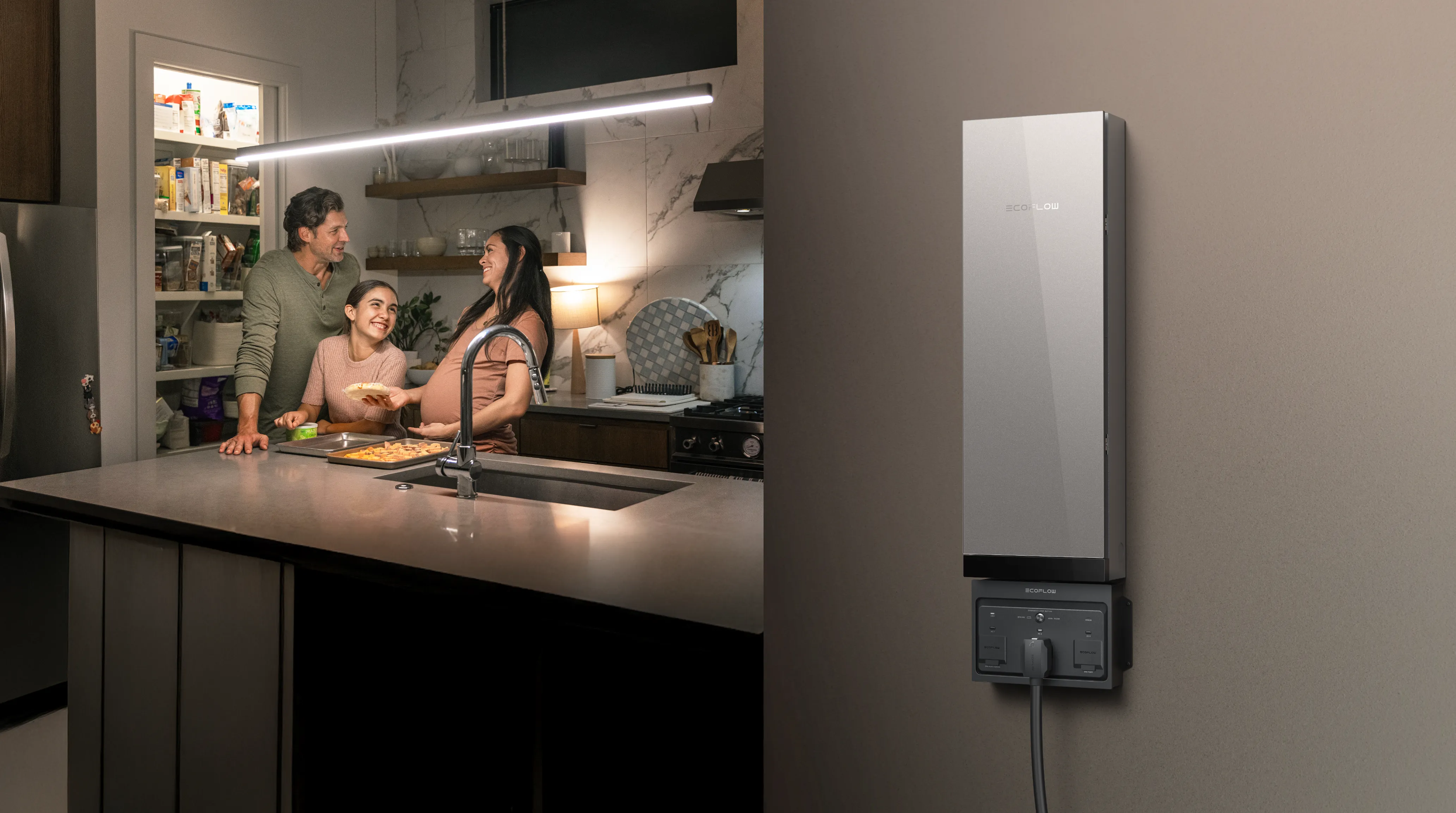
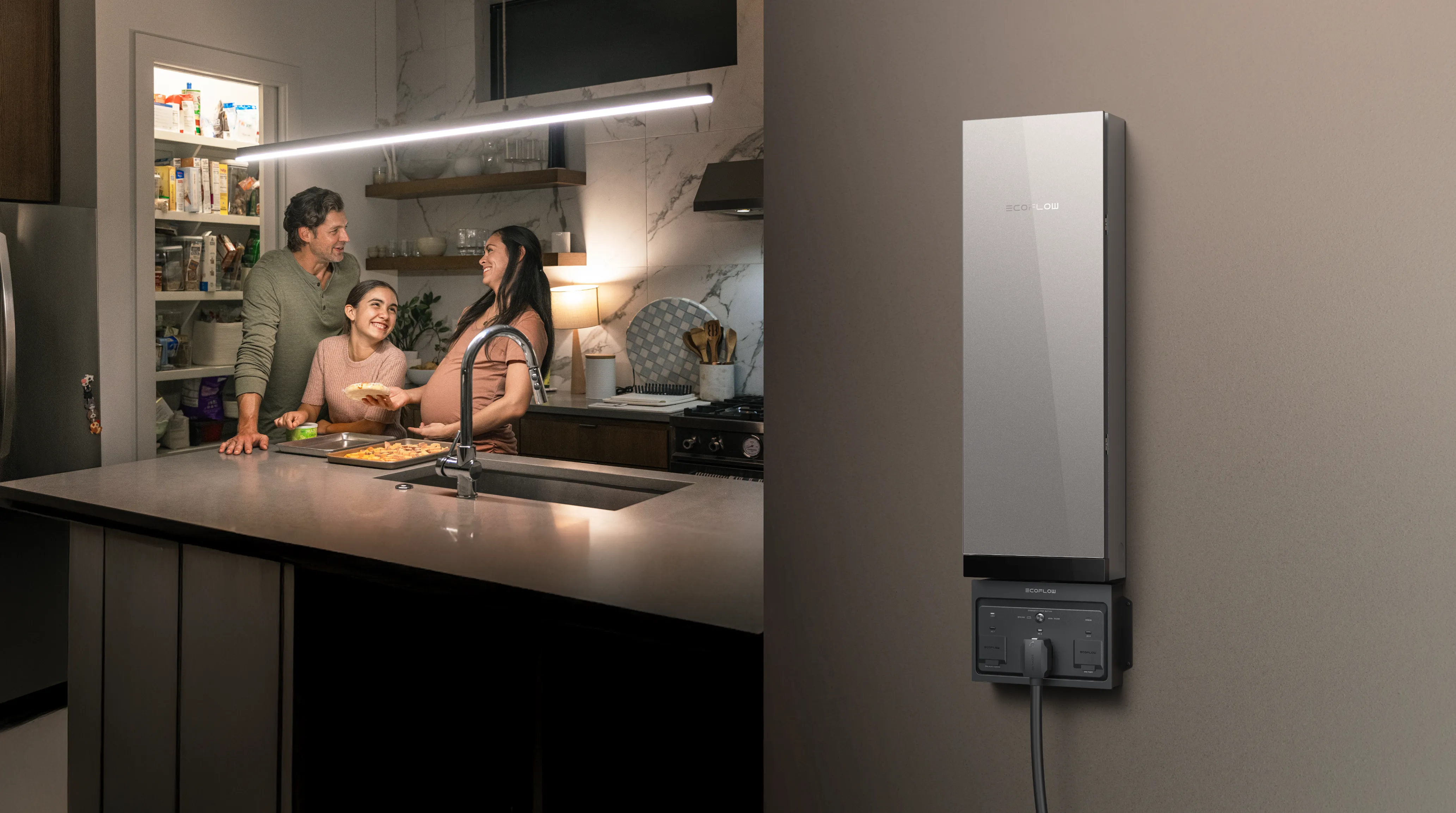
Anyone who has lived through an ice storm in Quebec or seen the power lines sag under heavy snow in rural Ontario knows that some outages don’t end in an hour or two. They can stretch into days. Systems like the EcoFlow DELTA Pro Ultra X Whole-Home Backup Power have become a go-to option for those long hauls. With enough capacity to keep furnace blowers, baseboard heaters, and other essentials running, it helps maintain warmth when the temperature outside is sitting at -20°C and the wind is howling down the street. For many families, it’s less about convenience and more about staying safe.
High-Output Systems for Heavy Appliances
Backup power gets more serious when you move past the basics. In Canadian homes, a lot of key appliances draw significant power, refrigerators, space heaters, sump pumps, and the occasional power tool if you’re clearing ice or doing a quick fix.
This is where something like the EcoFlow DELTA Pro 3 Portable Power Station shines. With 4000W of continuous output (and the ability to stretch up to 6000W), it’s strong enough to handle the heavy stuff without feeling strained. It gives you the confidence of a fuel generator without the noise, maintenance, or constant smell of gasoline.
Scalable Energy Storage for Large Homes
Another useful shift in modern backup systems is scalability. You’re not stuck with a single capacity forever. If your energy needs grow, maybe you’ve added a heat pump, finished the basement, or installed a home office, extra battery packs can slot right in. It’s a gradual approach to building a full home-ready system without having to buy everything at once.
Smart Grid Integration and Solar Compatibility
Today’s battery systems don’t just sit there waiting for a blackout. Many can communicate with your home’s solar setup or even adjust how they use grid electricity. In provinces with varying time of day hydro pricing, being able to store cheaper off peak energy and use it later can shave a noticeable amount off your bill. And during an outage, these systems switch over smoothly, keeping your essentials powered without that telltale flicker of lights.
How to Match Generator Capacity to Your Home
Getting the size right is really the heart of choosing a backup power generator for the home. If it’s too small, you’ll constantly be juggling appliances just to keep the bare minimum going. If it’s too large, you end up paying more than you need to for capacity you’ll never actually use. Finding that middle ground takes a bit of planning, but it’s worth it when the next outage hits.
Identify Critical Appliances
Begin by jotting down the items you absolutely rely on when the power cuts out. For most households, that list includes the fridge, the furnace fan, some basic lighting, the Internet router, maybe a well pump if you’re in a rural area, and anything related to safety or heating. It’s basically the short list of things you’d want running during a long winter blackout, nothing extra, just the essentials.
Calculate Power Requirements
Every appliance has two numbers you need to know: how much power it uses while running, and how much it needs to start up. Motors like the one in your fridge, typically demand a quick surge of electricity before settling back into their normal draw. You can usually find these numbers on a label or the owner's manual. Taking the time to calculate both running wattage and surge wattage saves you the headache of a generator tripping every time something switches on.
Evaluate Heating and Cooling Needs
Heating is a big deal in Canada. A furnace fan alone can pull a surprising amount of power, especially in older homes. If you rely on electric heaters, heat pumps, or baseboard heating, those loads can climb fast. This is one of the reasons people in the Prairies or Northern regions need to be extra careful when sizing their system, keeping the house warm isn’t optional. Make sure your backup setup has enough capacity to handle those heating requirements comfortably.
Consider Lighting and Electronics
Lights, phones, laptops, and modems don’t draw much, but they add up. You’ll still want enough capacity to keep a few rooms lit and your communications devices charged. During outages, people tend to underestimate how important it is to stay connected, whether for work, weather updates, or just keeping the kids occupied for a few hours.
Choose Partial or Full Backup
This is where you decide how much of your home you want power flowing to. A partial backup covers only the essentials, great for keeping costs down and making sure the important stuff stays running. A full backup is closer to having your entire house powered as if the grid never went down. The choice will influence the size (and price) of the generator or battery system you end up with.
Plan for Efficient Load Management
If you go with a partial backup setup, you’ll want to get used to staggering your heavier appliances. For example, don’t run the microwave at the same time as the dishwasher or dryer. It’s a small adjustment, but it prevents overloads and keeps everything humming along smoothly when the grid is still dark.
Maintenance Tips for Home Backup Electrical Generators
Whether you rely on a fuel generator or one of the newer electric backup systems, a bit of routine care goes a long way. The last thing you want is to discover a problem in the middle of a storm when the power’s already out. Staying on top of basic maintenance keeps your system dependable and ready whenever you need it.


Keep the Generator Clean and Dust-Free
Dust might seem harmless, but over time it can cause trouble, clogged air intakes on fuel units or reduced cooling efficiency on battery systems. Giving your generator a quick wipe down now and then, and brushing away any buildup around vents, helps everything run smoothly and reduces the chance of overheating or mechanical hiccups.
Test Your Backup System Regularly
Just like starting a car every so often when it’s sitting in the garage, your backup power system needs an occasional workout. Running a monthly test gives you confidence that when an outage hits, the system will respond instantly. Fuel generators benefit from a 20 to 30 minute run, while battery systems can be tested by briefly disconnecting from the grid and confirming your essential appliances switch over without issue.
Inspect Cables, Ports, and Connectors
Cables take a lot of abuse, especially if your unit is portable and gets moved around. Look for cracked insulation, loose plugs, or corrosion around connectors. Small issues can quickly turn into power drops or safety risks, so it’s worth giving everything once every few weeks, especially before winter storm season.
Maintain Proper Battery Health and Charging Cycles
If you’re using a battery based backup system, pay attention to its recommended charge levels. Most modern units will handle this automatically, but older models can benefit from keeping the battery somewhere between half and full charge when not in use. This helps prolong lifespan and ensures the system is always ready for a sudden outage.
Store Your Backup Generator in a Cool, Dry Place
Heat is the big enemy of battery life, but extreme cold can be tough on equipment too. A dry garage, basement utility space, or insulated shed is ideal. Avoid damp areas or spots exposed to outdoor temperature swings. A stable environment protects the internal components and extends the overall lifespan.
Update Firmware for Better Safety and Performance
Many of today’s electric backup systems come with smart controls and app-based settings. Manufacturers often release updates that improve safety features, battery efficiency, and general system performance. Taking a moment to install these updates ensures your setup stays current and reliable.
Conclusion
Choosing the right backup power system comes down to understanding your home’s needs, your budget, and how much you value things like noise, emissions, and long term reliability. Traditional fuel generators still have their place, especially if you need sheer output for long outages, but many homeowners are now turning to quieter, cleaner options. Systems like the EcoFlow DELTA Pro Ultra X offer dependable, zero-emission backup power that fits comfortably into everyday life, even in the middle of a harsh Canadian winter.
For those looking to build a home battery backup system, choosing the right combination of storage and solar compatibility can ensure you’re ready for any power emergency. Once you’ve sized your system properly and built a simple maintenance routine into your year, you’ll have the peace of mind that your home can stay warm, lit, and connected when the grid goes dark. Whether it’s a mid-January cold snap or a summer storm rolling through, a well-chosen backup setup keeps your family comfortable and safe no matter what the weather throws your way.
FAQ
1. What size backup generator does a typical home need?
For most Canadian households, a generator in the range of 3,000 to 7,500 watts is enough to keep the essentials running, your fridge, a few lights, the furnace fan, and your Internet connection. If you’re aiming for full home coverage where almost everything runs as usual, you’ll likely need something 10,000 watts or higher, depending on the size of the home and the heating system.
2. Are battery backup systems safer than fuel generators?
In most cases, yes. Battery systems don’t create carbon monoxide, don’t need fuel storage, and can be used safely indoors. That alone makes them a big step up in safety. Fuel generators still do the job, but they must always be operated outside and well away from windows or vents because of the exhaust fumes.
3. Can a home battery backup run an entire house?
Modern battery systems are absolutely capable of whole-home backup. Units like the EcoFlow DELTA Pro Ultra X are built with large storage capacity and enough output to run major appliances, heating systems, and everyday electronics. With additional batteries or solar input, they can keep a home going comfortably through extended outages.
4. Do battery generators work during long winter power outages?
They do. The key is having enough stored energy and a way to recharge, solar panels, a second battery pack, or even a fuel generator used strictly as a charging source. Many homeowners across Canada rely on battery systems during multi-day winter outages, especially in regions that see frequent ice storms or heavy winds.
5. What’s the difference between an inverter generator and a traditional generator?
A traditional generator produces more unstable power, which isn’t ideal for sensitive electronics. Inverter generators, on the other hand, create clean, stable electricity, known as pure sine wave power, that’s safe for laptops, smartphones, and modern appliances. Battery backup systems also provide pure sine wave output, making them just as safe for delicate electronics.