What Are Electricity Peak Hours? (And When is Power Cheapest?)
- What Do Electricity Peak Hours Mean in Canada?
- Off-Peak Pricing Basics Explained
- Why Electricity Prices Change Daily
- When Is Electricity Cheapest Across Canada?
- How Can You Shift Usage to Cheaper Hours at Home?
- What Practical Actions Reduce Peak Hour Electricity Cost?
- How to Start Saving on Electricity This Week
- Conclusion
- FAQ
Electricity peak hours are the specific windows during the day when energy demand hits its highest point, leading utility companies to charge significantly more per kilowatt-hour. Living in Canada usually means bracing for everything from humid Ontario summers to bone chilling Alberta winters. Regardless of the province, our homes consume a massive amount of energy to keep us comfortable. Understanding electricity peak hours is a financial necessity.
In this guide, we’re going to break down how Canadian utilities actually structure their pricing and identify the specific windows when power is cheapest. Here’s the key: we’ll also explore how smart tech, like whole home batteries and portable power stations, can help you “time shift” your energy use to save hundreds of dollars annually.
What Do Electricity Peak Hours Mean in Canada?
To really get a handle on your monthly bill, you have to look at how the grid “breathes” throughout the day. Electricity isn’t some fixed cost utility like a Netflix subscription; it’s a commodity that changes in value based on how many people are trying to use it at once.
Peak Hours Defined by Utilities
Whether you’re dealing with BC Hydro or Hydro One, utilities break the day into chunks based on the “load” or total demand. Peak hours are basically the grid’s rush hour. They usually hit on weekday mornings when everyone is waking up and again in the evening when we all get home to cook, crank the AC, or turn up the heat. During these windows, utilities often charge a premium. Here’s the key: they have to fire up extra power plants, which are often more expensive and less efficient, just to keep up with that sudden surge in demand.
Off-Peak Pricing Basics Explained
On the flip side, off-peak refers to the times when the grid is essentially catching its breath. This usually happens late at night and into the early morning hours. Since demand is low and supply is plenty, many provinces use Time-of-Use (TOU) rates to incentivize users into using power during these windows. It’s basically a “happy hour” for your appliances.
Why Electricity Prices Change Daily
It really comes down to simple supply and demand. In a deregulated market like Alberta’s, prices can swing wildly depending on how much wind is blowing or how much sun is hitting solar farms. In regulated spots like Quebec or Ontario, those “peaks” are hard-coded into the schedule to discourage people from stressing the infrastructure when it’s already pushed to the limit. One more thing to keep in mind is that these peaks shift with the seasons. A winter morning peak in Calgary looks a lot different than a summer afternoon peak in Toronto. Bottom line? Understanding these fluctuations is the only way to stop overpaying for the exact same kilowatt hour.
When Is Electricity Cheapest Across Canada?
Timing is everything. If you can shift your heaviest chores by just a few hours, you are essentially getting a discount on your lifestyle. While exact schedules vary slightly by provider, here’s a quick comparison of typical peak and off-peak hours for 2026 across major provinces:
Electricity Peak Hours by Province (Quick Comparison)
| Province | Peak Hours (Most Expensive) | Cheapest Hours (Off-Peak) |
|---|---|---|
| Ontario | 4:00 PM – 9:00 PM(ULO) | 11:00 PM – 7:00 AM(ULO) |
| Alberta | 5:00 PM – 8:00 PM* | Overnight (varies by plan) |
| Quebec | Winter: 6:00 AM – 9:00 AM / 4:00 PM – 8:00 PM | Nights & weekends |
| British Columbia | 4:00 PM – 9:00 PM (optional TOU plans) | Overnight hours |
As you can see, electricity is almost always cheapest overnight or during weekends. Shifting your energy usage into these windows can significantly reduce your monthly bill.
Use the Nightly Off-Peak Window
In most of Canada, the “Golden Hours” for savings start after 11 PM and run until 7 AM. This is the deepest off-peak window. If you’re on a plan like Ontario’s Ultra Low Overnight (ULO), the rates during this period are a fraction of the mid-day price. It’s the best time to charge anything with a battery or run a heat pump.
Target Weekend and Statutory Holiday Rates
Good news for your weekend chores: most Canadian utilities treat Saturdays, Sundays, and statutory holidays as off-peak all day long. This makes the weekend the perfect time for back-to-back loads of laundry or deep cleaning the house with power hungry vacuums. Plus, in 2026, most provinces have expanded their holiday lists to include off-peak pricing for any provincial state.
Track Seasonal Winter and Summer Schedules
Be aware that peak hours often flip-flop with the seasons, especially in Ontario and Quebec.
Winter: Peaks usually occur in the morning (7 AM-11 AM) and early evening (4 PM-8 PM) when heating demand is high.
Summer: The peak often shifts to a single block in the afternoon (11 AM-5 PM) when air conditioners are working overtime.
Review Your Local Province Utility Chart
Always check your local utility provider’s website, as electricity pricing structures vary by region. For example, customers under BC Hydro may use tiered pricing or optional Time-of-Use plans, while Ontario residents follow rate structures set by the Ontario Energy Board (OEB).
In Ontario, electricity prices are typically updated twice a year, on May 1 and November 1. While base rates may remain stable between updates, the Time-of-Use (TOU) pricing periods shift seasonally, with different peak and off-peak hours in summer and winter.
How Can You Shift Usage to Cheaper Hours at Home?
Knowing the cheap hours is step one; making sure your home actually uses them is where the math starts working in your favor. In 2026, the gap between “peak” and “off peak” has widened significantly in most provinces, making the effort more than worth the trouble.
Run Appliances During Off-Peak Time
The simplest habit change is that little “Delay Start” button you’ve probably ignored on your dishwasher or dryer. Setting your dishwasher to run at 1:00 AM instead of 7:00 PM can literally cut the cost of that cycle by more than half. In Ontario, where the 2026 Ultra-Low Overnight (ULO) rate is a tiny 3.9¢/kWh, running a heavy dryer load at midnight is a fraction of the cost of running it during the 39.1¢/kWh evening peak. For smaller devices and electronics, using a portable power station to bridge the gap during these expensive hours can provide an extra layer of savings without changing your lifestyle.
Charge EVs and Devices at Night
Electric vehicles are the biggest “appliances” in a modern Canadian home. If you plug in at 6:00 PM right after work, you’re hitting the grid’s most expensive window. Use your EV’s onboard charger or a smart home app to ensure the power only kicks in once the off peak rates drop. This is not just for cars, charging your laptops, power tools, and portable vacuums overnight adds up to more than you’d think. For even greater independence, many homeowners are now using a solar generator to store free energy during the day and supplement their needs during those high-cost evening spikes.
Use a Whole Home Battery for Daily Load Shifting
In Canada, time-of-use rates mean night time electricity is a bargain compared to the daytime. Under Ontario’s Ultra-Low Overnight (ULO) plan, for instance, prices skyrocket to 39.1¢/kWh between 4:00 PM and 9:00 PM. If your home is running AC in the summer or a heat pump in the winter while the fridge and computers are humming, manual shifting isn’t enough to move the needle.
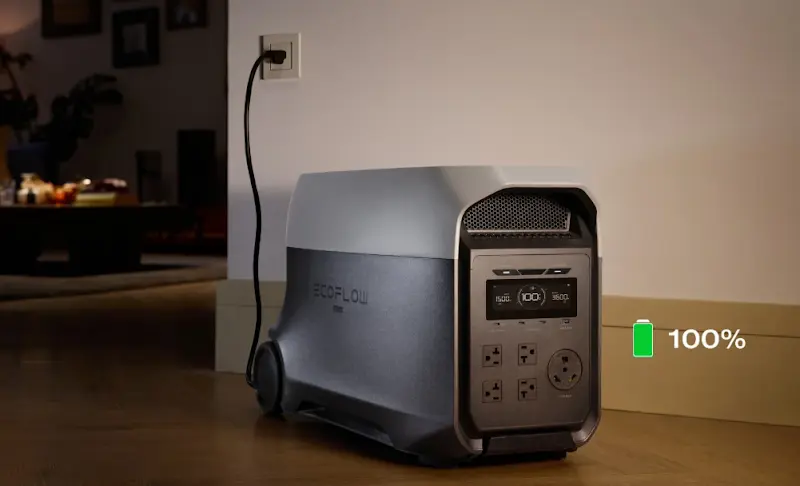
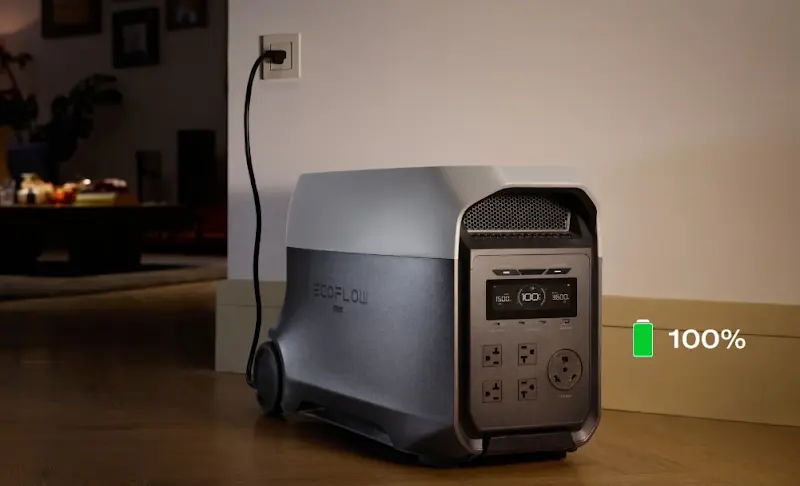
This is where a whole-home energy storage system like the EcoFlow DELTA Pro Ultra Whole-Home Backup Power proves its true value. It automatically charges from the grid during the cheap overnight window, when rates are a tiny 3.9¢/kWh, and then discharges to run your home during the expensive afternoon peaks. By powering your entire house with “stored cheap energy” during high-rate hours, you bypass peak pricing entirely. It’s a set-it-and-forget-it solution for detached homes that yields long-term savings.
Something more to consider is the math: with a price spread of 35.2¢/kWh, a typical family shifting 10 kWh a day can save over $1,200 a year. Here’s the key: as 2026 rates continue to climb due to infrastructure upgrades, having your own “energy bank” is the best way to keep your bill from spiraling out of control.
Use a Portable Battery for Flexible Backup
Not every household needs (or is allowed) a full-scale electrical integration. If you’re in a condo, a townhouse, or you’re a renter, you can still play the energy game. A portable unit like the EcoFlow Delta 3 Ultra Portable Power Station (3072Wh) lets you save on peak costs without a single permanent wire.
The strategy is simple: charge the unit after 11:00 PM when Ontario’s Ultra-Low Overnight (ULO) rates bottom out at 3.9¢/kWh. During the 4:00 PM to 9:00 PM peak, when the grid hits you with 39.1¢/kWh, you just plug your “essential” heavy hitters directly into the battery. We’re talking about the fridge, your work-from-home setup, and the TV. For folks in B.C. or Alberta, this is also a perfect way to keep your life running during those winter storms when the grid starts to struggle under the heating load.
Example Savings with a Home Battery:
The gap between peak and off-peak has become a canyon. Shifting just 10 kWh of daily usage, basically what it takes to run a fridge, some lights, and a few hours of entertainment, can change your financial outlook for the year.
2026 Savings Breakdown (Ontario ULO Example):
Peak Cost (4 PM-9 PM): $3.91 (10 kWh × 39.1¢)
Off-Peak Cost (Overnight): $0.39 (10 kWh × 3.9¢)
Daily Profit: $3.52
Annual ROI: ~$1,280
Over time, this kind of automated energy shifting makes these systems financially compelling rather than just a luxury. Another thing to keep in mind is that the DELTA 3 Ultra is expandable up to 11 kWh. If you’re serious about the arbitrage, you can scale up your storage to cover almost your entire evening usage. Bottom line: every kilowatt you pull from your battery at 5:00 PM is a tiny victory against your utility bill.
What Practical Actions Reduce Peak Hour Electricity Cost?
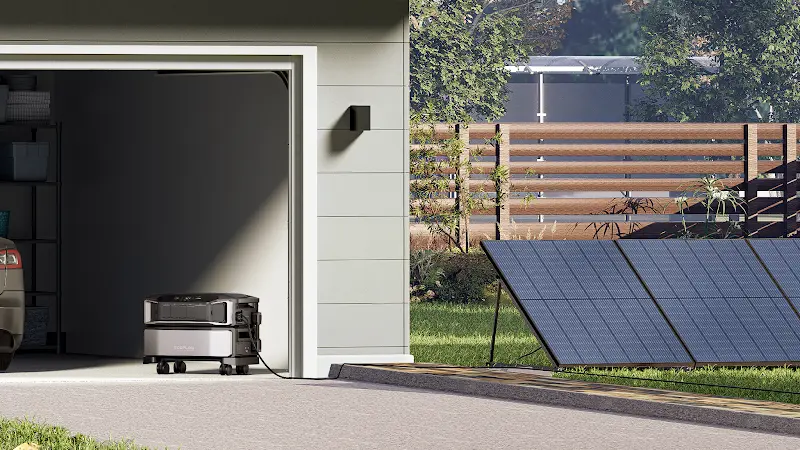
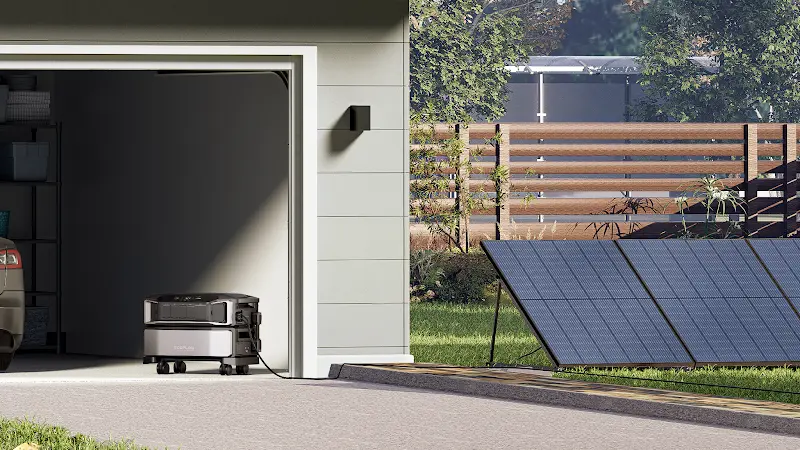
Beyond the high-tech battery setups, small behavioral shifts can seriously tighten up your utility bill. Here’s the key: you don’t need to live in the dark to save; you just need to be more strategic about when your house does the ‘heavy lifting.’ For many, this strategy also involves looking into local generation, such as calculating how many solar panels for house Ontario residents need to maximize midday energy independence.
Set Appliance Timers: Move your dishwasher or laundry to 1:00 AM. In Ontario, this shifts the load from the 39.1¢ peak to the 3.9¢ overnight rate, which is a 90% discount.
Pre-Heat/Pre-Cool: Pre-heat or pre-cool your home an hour before peak windows hit (like 7:00 AM or 4:00 PM), then dial back the thermostat and let the house “coast” on stored temperature.
Install Smart Plugs: Use smart plugs to auto-cut power to “phantom loads” like game consoles and coffee makers during expensive hours. If it’s not in use, it shouldn’t be costing you.
Switch Off Non-Essential Lighting: Switch to LEDs. They use 75% less power and stay cool, which actually helps lower your AC load during those brutal summer afternoon peaks.
How to Start Saving on Electricity This Week
You don’t have to wait for the next billing cycle to make a move. Even the average electricity bill 1 bedroom apartment tenants face can be trimmed by simply adjusting when you run high-draw devices. With the BC Hydro’s 3.75% net rate increase officially in effect since April 1, every day you wait is basically leaving money on the table.
Audit Your Bill: Check the “Commodity” charge versus “Delivery.” If your supply cost is spiking, you’re likely getting hammered by peak usage surcharges.
Compare Plans: Most provinces now offer a choice. Here’s the key: if you own an EV or a home battery, Ontario’s Ultra-Low Overnight (ULO) or BC’s Time-of-Use plans are almost always your best bet.
Monitor Apps: Use your utility’s portal (like BC Hydro or Hydro One) to see your hour-by-hour usage. Seeing that 6:00 PM spike in black and white is usually the wake-up call needed to start delaying the dishwasher.
Create a Routine: Make it a household habit to plug in all “heavy hitters”, laptops, power tools, and EVs, only after 11:00 PM. By morning, they’re topped off at the cheapest possible rate.
Conclusion
Mastering electricity peak hours is the smartest move you can make to handle the cost of living in 2026. Whether you’re just shifting your laundry schedule or going all-in with an EcoFlow system to automate the process, every kilowatt moved to off peak is profit in your pocket. The grid is not getting any cheaper on its own. What it comes down to is being a bit more calculated about when you flip the switch. Stay prepared, stay smart, and keep your home running on your own terms.
FAQ
1. What are the worst appliances to leave on standby?
Anything with “instant-on” or a constant Wi-Fi connection is a prime suspect. In 2026, the biggest “vampire loads” are gaming consoles, older cable boxes, and desktop PCs in sleep mode. These can pull up to 20W while “off,” quietly adding $70+ to your annual bill.
2. What's the cheapest time to put your dishwasher on?
Aim for the 11:00 PM to 7:00 AM window. In Ontario, this shifts you to the 3.9¢/kWh Ultra-Low Overnight (ULO) rate, essentially a clearance sale on power. If you can’t wait that late, remember that most utilities treat weekends as off peak all day.
3. What hours of the day is electricity the cheapest?
Generally, 11:00 PM to 7:00 AM is the global sweet spot. Just be aware that these windows “flip” in the spring and fall. For example, summer peaks hit in the afternoon for AC, while winter peaks split into morning and evening heating spikes.
4. What should I unplug to save on my electric bill?
For basic appliances, no. But for anything with a clock, a remote, or a smart chip (coffee makers, tool chargers, or soundbars), absolutely. These trickles account for roughly 10% of a home’s energy use. If it has a standby light, it’s eating your money.
5. Should I turn off my air conditioner during peak hours?
Don’t turn it off entirely; your house will bake, and the AC will work triple time to recover later. Instead, use a “thermal coast”: pre-cool your home an hour before the peak, then bump the thermostat up 3 degrees once the high rates kick in.