Dorm Room Essentials 2026: The Complete College Checklist
- Before You Shop for Dorm Room Essentials
- Dorm Room Essentials by Category
- Tech and Power Essentials for a Dorm Room
- Dorm Room Essentials for Guys
- Dorm Room Essentials Students Commonly Forget
- What Not to Bring to a College Dorm
- How to Shop Dorm Room Essentials on Sale
- Dorm Room Essentials Checklist for Move-In Day
- Conclusion
- Frequently Asked Questions
Dorm shopping usually goes wrong in two ways. Students either pack items their residence already provides or arrive without basics such as a shower caddy. What you need depends on your building, roommate, and university rules. This guide starts with what to confirm before shopping, followed by category checklists and tech essentials. Dorm room essentials are easier to choose once you know what your residence provides and permits.
Electrical rules matter too, especially for backup power. The EcoFlow RIVER 3 Plus is included as an optional way to power a phone, laptop, or router. Before buying electrical gear, check your residence policy and follow Health Canada’s lithium-ion battery safety guidance.
Keep Essential Dorm Devices Powered with EcoFlow RIVER 3 Plus
Before You Shop for Dorm Room Essentials
Three quick checks before you shop can shorten your list and help you avoid buying things your residence already provides.
Check What Your Dorm Room Already Includes
Start with your university’s residence or housing page. Room furnishings vary by building, but you may find some of these basics already provided:
Bed frame and mattress; check the exact mattress size before buying sheets.
Desk and desk chair, sometimes with overhead or task lighting.
Dresser, wardrobe, or built-in closet space.
Wastebasket, window coverings, and required safety equipment.
Once you know what is included, choosing essentials for dorm room living gets easier. McKendree University’s dorm room essentials guide offers useful packing ideas, but check them against your residence rules. If you can tour beforehand, photograph outlets and storage areas. These details can help you choose organizers and other room-specific essentials.
Check Your Residence Rules Before Buying
Next, review what you are allowed to bring. Housing contracts may restrict appliances, extension cords, wall adhesives, candles, and open heating elements.
Pay particular attention to electrical rules, which can affect what tech and appliances you buy. Our back-to-school shopping list covers broader seasonal needs, but your residence policy should guide what goes into your dorm.
Coordinate Shared Items With Your Roommate
Before buying dorm room essentials, compare lists with your roommate so you do not both bring the same things:
Appliances: One mini fridge and one microwave, if both are permitted.
Cleaning Gear: A single vacuum, broom, and set of surface sprays.
Room Comfort: One rug and one fan or air purifier between you.
Entertainment: A shared speaker or TV rather than duplicates.
Dorm Room Essentials by Category
Once you know what your residence provides and what you can share with your roommate, you can shop dorm room essentials on sale without buying unnecessary duplicates. The 6 categories below cover the basics of daily dorm life.
Bedding and Sleep Essentials
Check your mattress size before buying bedding. Twin XL is common in university residences, but sizes can vary by building:
Two sets of twin XL sheets, so one is always clean.
Mattress topper for extra comfort on a basic residence mattress.
Duvet or comforter with a washable cover, plus spare pillowcases.
Sleep mask and earplugs for shared or noisy floors.
Storage and Organization Essentials
Limited floor space makes compact and vertical storage especially useful:
Under-bed bins sized to your available clearance.
Over-door hooks and a hanging closet organizer.
Slim velvet hangers to maximize narrow closet space.
Desk organizer and collapsible crates that store flat when empty.
For more small-space ideas, IKEA Canada’s back-to-school collection includes storage and organization options suited to student living.
Laundry Essentials
Shared laundry rooms mean you may need to carry everything down a corridor, so portability matters:
Laundry hamper that doubles as a carrier.
Detergent pods that are easy to transport.
Drying rack for items that cannot go in a dryer.
Laundry card or app set up before your first load.
Cleaning and Basic Health Essentials
After sleep, storage and laundry, add these essentials for dorm room cleaning, bathroom and basic health needs:
Cleaning: Surface wipes, all-purpose spray, paper towels, small broom and garbage bags.
Health: First-aid kit, thermometer, pain relief, hand sanitizer and prescriptions.
Bathroom: Shower caddy, flip-flops for shared showers and two or three towels.
Food and Dining Essentials
Even with a full meal plan, a small dining kit is useful for snacks, drinks and leftovers:
Reusable water bottle and travel mug.
Two plates, two bowls, two mugs and a basic cutlery set.
Can opener, one sharp knife and a small cutting board.
Dish soap, sponge and airtight containers for leftovers.
Mini fridges and microwaves may be restricted by your residence. Check the housing rules before buying either.
Comfort and Room Essentials
Save comfort items until you know the room's layout and available space. It is easier to add what you need after move-in than find space for things you bought too early:
Desk lamp for softer task lighting.
Small rug, if permitted.
Fan, particularly if your building has no air conditioning.
Residence-approved removable wall fixings and a folding chair for visitors.
Tech and Power Essentials for a Dorm Room
Electrical gear deserves extra attention when you shop dorm room essentials on sale, because residence rules can vary by university and building. Your residence rules should guide which power accessories, appliances, and larger battery-powered devices make it onto your shopping list.
Chargers, Cables, and Surge Protection
Start with the everyday accessories you need to keep devices charged safely:
Charger and cable for every device, plus one spare.
Residence-approved power bar or surge protector with a recognized Canadian certification mark.
Extension cord only if your housing policy permits one.
Compact power bank for classes, study sessions, and travel.
For plug-in products, look for recognized Canadian certification marks such as CSA, CUL, or CETL. Health Canada explains what to look for in its electrical product safety guidance. Never connect one power bar or extension cord to another, as this can contribute to an electrical circuit overload in college dorms.
Internet, Study, and Entertainment Tech
With charging covered, the next essentials for dorm room study are the devices and accessories you use every day. Check what internet service your residence provides before buying extra networking equipment.
Laptop, charger, and protective sleeve.
Ethernet cable if your residence provides wired connections.
Noise-canceling headphones for shared study spaces.
Portable hard drive or cloud backup subscription.
Students who regularly work away from their rooms may also find a power bank for a laptop useful when a convenient outlet is unavailable.
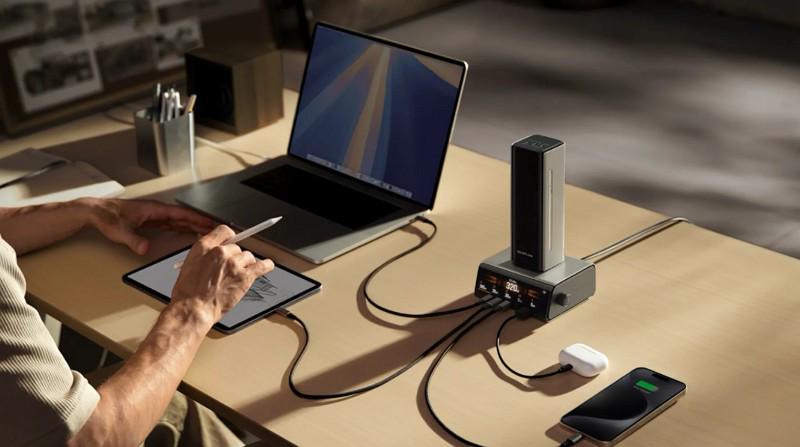
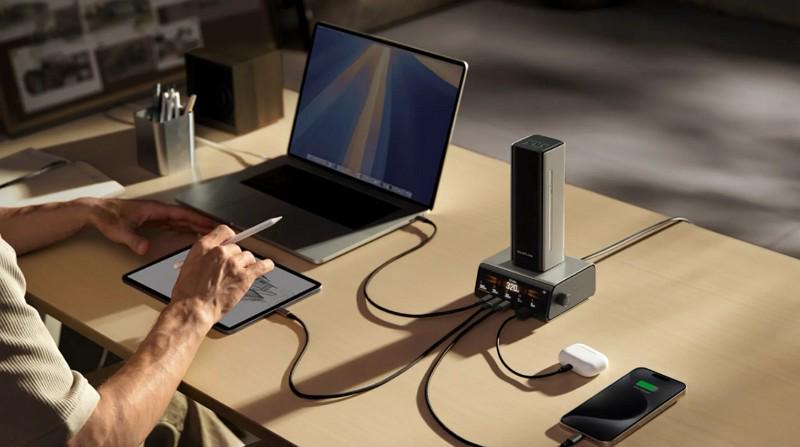
Backup Power for Phones, Laptops, and Wi-Fi
A standard power bank can provide backup for a phone and other small devices. If you need greater capacity for a laptop or networking equipment, a compact portable power station is another option, provided your residence permits one.
The EcoFlow RIVER Series portable power stations include compact models designed for portable backup power. Check your residence policy before deciding whether one belongs on your packing list.
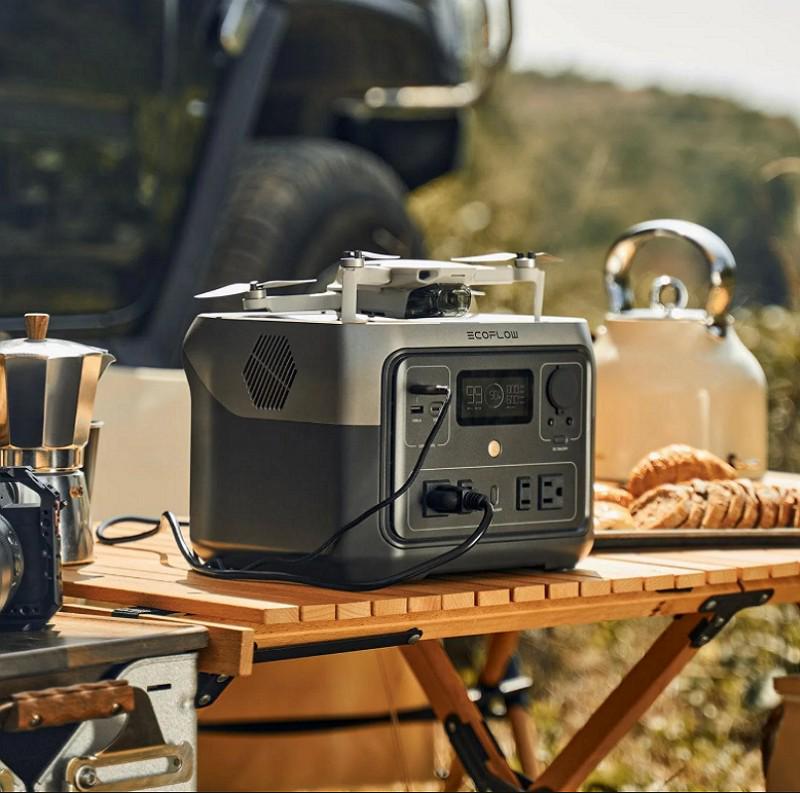
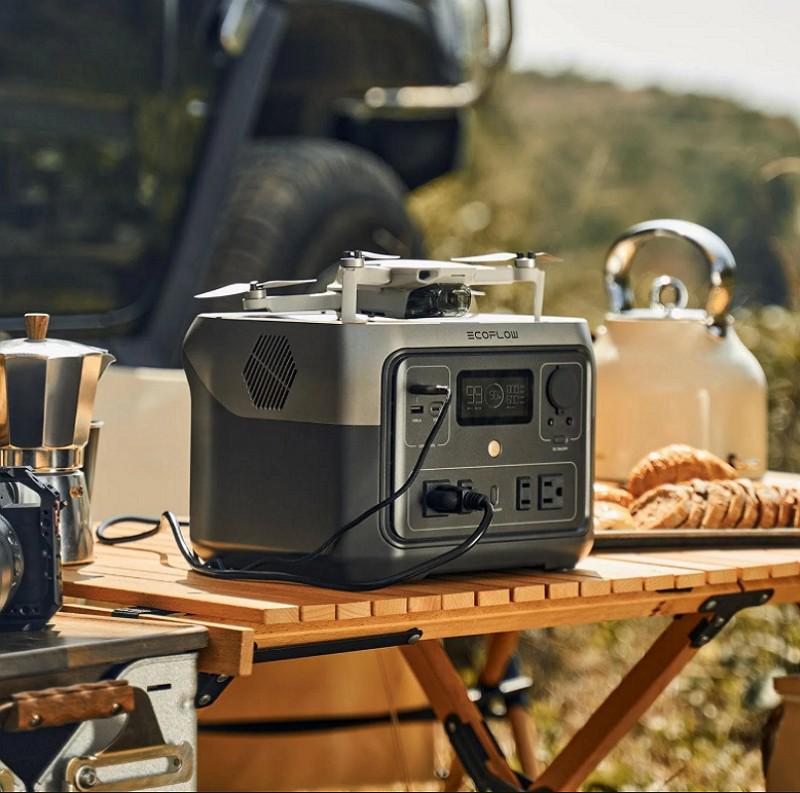
EcoFlow RIVER 3 Plus for Emergency Device Backup
For students who need more capacity than a standard power bank, the EcoFlow RIVER 3 Plus provides 286Wh capacity and 600W rated output. It can support devices such as phones, laptops, and Wi-Fi equipment, depending on their actual power requirements.
At about 4.7 kg, it is compact enough to store under a desk or in a closet. Where residence rules permit portable power stations, the EcoFlow RIVER 3 Plus is one compact option.


Key Specs
286Wh LFP battery capacity with 600W rated AC output.
AC recharging from 0–100% in about one hour.
Expandable to 858Wh with a compatible extra battery.
Check Your Residence Policy Before Bringing a Portable Power Station
Electrical rules for dorm room essentials vary across Canadian residences. A device allowed in one building may be restricted in another, so check your housing policy before bringing:
Portable power stations and large-capacity battery packs.
Power bars, surge protectors, and extension cords.
Mini fridges, microwaves, and kettles.
Cooking appliances with heating elements.
Space heaters, air conditioners, and other high-draw appliances.
Dorm Room Essentials for Guys
The core dorm room essentials do not change by gender, though a few practical items are easier to overlook.
Commonly Forgotten Dorm Essentials for Guys
These are often the items students realize they need after moving in:
Iron or handheld steamer for interviews and presentations.
Full-length mirror, if your room does not include one.
Shoe rack or boot tray for wet or snowy footwear.
Sewing kit, small toolkit, and extra towels.
Gaming, Fitness, and Everyday Extras
Once the basics are covered, add extras based on your interests and available space:
Gaming: Console or gaming laptop, headset, and a longer HDMI cable.
Fitness: Resistance bands, gym bag, and a leakproof water bottle. Canada’s physical activity guidance provides broader recommendations for staying active.
Everyday: Umbrella, winter accessories, and a backpack rain cover.
Dorm Room Essentials Students Commonly Forget
These essentials for the dorm room are easily overlooked before move-in but become important once classes and dorm life begin:
Item | Why It Gets Missed |
Shower Caddy and Flip-Flops | Shared bathrooms need both from night one |
Mattress Topper | Residence mattresses are thinner than students expect |
Small Toolkit | Furniture assembly and minor repairs come up early |
First-Aid Supplies | Nobody packs them until they are needed |
Door Hooks and Command Strips | Wall space is limited, and drilling is prohibited |
Laundry Card or App Setup | Payment systems differ and take time to register |
Desk Lamp | Ceiling lighting alone is poor for evening study |
What Not to Bring to a College Dorm
Space is one of the biggest limits in a residence room, so planning dorm room essentials also means knowing what you can leave at home. The University of Toronto Scarborough residence guide is a useful example of what a university may provide or prohibit.
Items Your Residence Already Provides
Buying items already supplied by your residence wastes both money and valuable floor space, so check your building’s room inventory before shopping:
Desk, chair and bed frame.
Mattress and storage furniture.
Wastebasket and window coverings.
Basic room lighting.
Commonly Prohibited Dorm Items
Residence rules vary between universities and buildings, but fire hazards and high-heat appliances are commonly restricted. Here are the typical examples:
Candles, incense, and halogen lamps.
Hot plates and open-element appliances.
Space heaters and some air conditioners.
Large appliances and extra furniture.
Check your own housing policy before packing, since the exact restrictions may be different.
Things That Usually Waste Space
Some items may be permitted but still take up more room than they are worth. Prioritize what you will use regularly and reconsider:
Full Wardrobe: Pack seasonally and swap clothes later.
Bulky Furniture: Extra chairs and shelving rarely fit.
Printer: Check campus printing options first.
Textbooks: Wait until instructors confirm required editions.
How to Shop Dorm Room Essentials on Sale
Back-to-school deals are a good time to shop dorm room essentials on sale especially for the basics you already know you need.
What to Buy During Back-to-School Sales
Buy discounted basics before move-in, then choose room-specific items after seeing your space.
Buy on Sale: Bedding, storage bins, laundry supplies and desk accessories.
Buy After Arrival: Rugs, lamps and anything that depends on room dimensions.
Buy Secondhand: Mini fridges, fans and small furniture, where permitted.
Consider quality first: Mattress toppers and other items that affect sleep and daily comfort.
Split Shared Purchases With Your Roommate
Talk to your roommate about shared essentials for dorm room use, so you know what each person will bring and keep.
Dorm Room Essentials Checklist for Move-In Day
Your dorm room essentials checklist should prioritize what you need immediately, while leaving less urgent items for after move-in.
Timing | What to Have Ready |
Bring On Move-in Day | Bedding, towels, toiletries, basic cleaning supplies, chargers, a change of clothes, and any medication |
Buy In the First Week | Storage bins, desk lamp, extra hangers, kitchen basics and laundry supplies |
Add Once You Know the Room | Rug, decor, fan, seating and any permitted appliances |
Keep the first-day items in one marked box. Unpacking takes longer than anyone expects, and this way you can sleep comfortably even if the rest stays boxed.
Conclusion
A practical dorm room essentials checklist starts with what your residence provides and what you can share with your roommate. Pack what you will use every day, skip duplicates, and follow your residence’s electrical rules. If backup power is allowed, EcoFlow has compact options for keeping key devices powered.
Frequently Asked Questions
What size sheets do college dorm beds usually use?
Twin XL is the standard in most Canadian residences, measuring about five inches longer than a regular twin. Standard twin sheets pull off the corners. Confirm with your housing office, since some residences use full or standard twin frames.
Do you need a printer in a college dorm?
Most students find they do not need one. Campus print services are cheaper per page and available across most buildings. A personal printer takes desk space, needs cartridges, and becomes the floor's shared printer within a week. Buy one only if your program requires specialist printing.
How many towels should you bring to college?
Three bath towels and two hand towels suit most students, leaving one in use, one drying and one clean. Shared bathrooms make a quick-drying towel worth the extra cost, since a damp towel in a small room stays damp for days.
Is a mini fridge worth having in a dorm room?
For most students, yes, provided the residence permits one. It saves repeated trips for drinks and leftovers, and pays for itself against convenience-store prices. Check the wattage limits in your contract first, and agree with your roommate that only one arrives.
What should you keep in a dorm room emergency kit?
A flashlight, spare batteries, a first-aid kit, a charged power bank, and a few days of bottled water cover the basics. Students in outage-prone areas sometimes add a compact power station, which can also run a Wi-Fi router through a short interruption. Confirm your residence policy before adding anything electrical.