What Is the 7-Day Rule in Deer Hunting?
- Is the 7-Day Rule a Deer Movement Pattern or an Ontario Hunting Rule?
- When Is Deer Hunting Season in Ontario?
- How Should Hunters Use the 7-Day Rule During Deer Hunting Season in Ontario?
- What Gear Matters Most for Ontario Deer Hunting?
- How Can Portable Power Fit Into a Deer Hunting Camp Setup?
- What Ontario Rules Should New Deer Hunters Check First?
- How Should You Build a Safe Deer Hunting Season Plan?
- Plan Your Ontario Deer Hunting Season With the Right Rules First
- FAQs
The 7-day rule in deer hunting is an informal scouting idea: if deer activity showed up around a certain date last year, some hunters watch the same date window again the next year. In Ontario, it is not a legal rule. Deer hunting season in Ontario is still governed by current provincial regulations, Wildlife Management Units, licences, tags, and reporting requirements.
Is the 7-Day Rule a Deer Movement Pattern or an Ontario Hunting Rule?
Because the 7-day rule is based on past deer movement, it can be useful for organizing notes, but it should never be treated as a rule for Ontario deer hunting. Deer movement can change because of food sources, hunting pressure, weather, rut timing, trail access, and human activity.
It is not a law, a guarantee, or an official Ontario deer hunting rule. It is only a way to organize past observations.
Deer movement can change because of food sources, hunting pressure, weather, rut timing, trail access, and human activity. Rut means the deer breeding period, when deer behaviour may shift. That is why the 7-day rule should be treated as a planning clue, not a decision-maker.
Ontario deer hunting is regulated through Wildlife Management Units, often shortened to WMUs. A WMU is a defined geographic area used to manage hunting rules, seasons, and wildlife populations. Legal requirements may also involve licences, tags, hunter orange rules, controlled deer hunt validation, land access, and harvest reporting.
For Ontario hunters, the takeaway is clear: use the 7-day rule for scouting notes, but use official deer hunting season Ontario rules to decide when, where, and how you can legally hunt.
When Is Deer Hunting Season in Ontario?
Deer hunting season in Ontario usually falls between early fall and late fall or winter, but there is no single date for the whole province. The exact timing depends on WMU, hunting method, resident status, tag type, and the current year’s rules.
In many areas, archery seasons may open earlier than gun seasons. Archery means hunting with legally permitted bow equipment. Some controlled deer hunts may have shorter windows. Other rules may apply to antlered or antlerless deer, depending on the WMU and tag.
Because Ontario does not use one simple province-wide deer calendar, hunters should review the official Ontario white-tailed deer regulations before planning a trip.
Before heading out, confirm:
WMU and season dates
Licence and tag requirements
Legal hunting method
Hunter orange rules
Land access rules
Harvest reporting requirements
For anyone asking “when is deer hunting season in Ontario,” the general season window is only a starting point. The official rules for your WMU make the final decision.
How Should Hunters Use the 7-Day Rule During Deer Hunting Season in Ontario?
The safest way to use the 7-day rule is as a record-keeping habit. It can help you review what happened in past seasons without treating old movement as a promise.
Keep notes simple and legal. Record the date, general area, weather, wind direction, food source changes, and legal access status. If trail cameras are allowed where you hunt, follow all landowner and area rules before using them. A trail camera is a small outdoor camera used to record wildlife activity.
Good notes can help you prepare for deer hunting season Ontario, but they should not push you into ignoring current conditions. A field may be harvested earlier than last year. A trail may get more human traffic. A warm spell, storm, or mast crop change can shift deer activity. Mast means nuts or fruits from trees, such as acorns, that wildlife may feed on.
Use last year’s dates as context. Then compare them with this year’s weather, access, food, and regulations.
What Gear Matters Most for Ontario Deer Hunting?
Deer hunting gear should support safety, legality, and comfort in changing Ontario conditions. The best setup depends on the season, land type, method, weather, and distance from your vehicle or camp.
Start with legal and required items. Keep your Outdoors Card, licence summary, tag, and any required validation accessible. An Outdoors Card is an Ontario identification card used for fishing and hunting licensing. If hunter orange is required for your season or method, wear it in the correct form.
Then focus on field essentials:
Legal hunting equipment for the season
Weather layers and waterproof outerwear
Warm hat, gloves, and extra socks
Headlamp or flashlight
Printed map, compass, or offline map
First aid kit
Water and food
Basic field tool where appropriate
Phone with emergency contacts saved
Backup charging option
A compass is useful because it does not need cell service. Offline maps can help when reception drops, especially in rural areas or on Crown land. Crown land is public land managed by the government, but access and hunting rules still vary by location.
Keep gear practical. A light, organized pack is easier to manage than a heavy pack filled with items you cannot reach.
How Can Portable Power Fit Into a Deer Hunting Camp Setup?
Portable power fits best at camp, in a truck setup, at a cottage, or in a small cabin. It works best alongside solid field planning by helping keep essential devices easier to manage during multi-day trips.
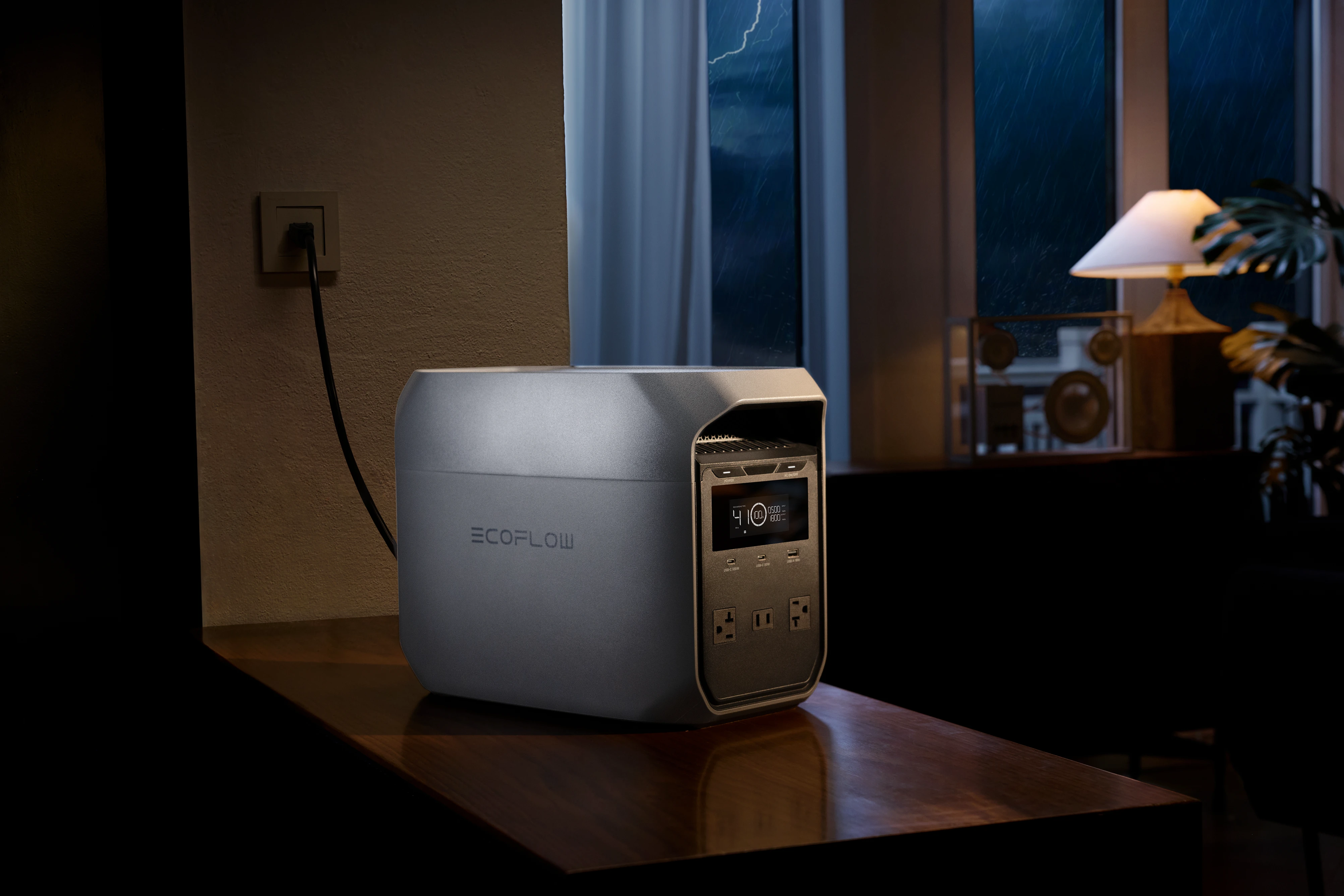
For a multi-day deer hunting trip, small devices can matter more than expected once you are back at camp. Phones, GPS units, headlamps, cameras, radios, and small camp gear all need reliable charging, especially at a truck camp, cottage, cabin, or base setup. The EcoFlow DELTA 3 Classic Portable Power Station can fit naturally into that kind of deer hunting season in Ontario setup. With a 1024Wh capacity and 1800W pure sine wave output, it can help keep essential electronics, lighting, communication gear, and small camp devices powered between trips into the field. It is a practical addition to a broader field essentials plan, especially when the camp routine depends on navigation, weather checks, and staying connected.
At camp, it can support phones, GPS devices, headlamps, cameras, communication gear, and small camp devices between trips into the field. That can be useful when navigation, lighting, weather checks, and family contact all depend on charged devices.
For Ontario hunters, portable power station works best as part of an organized camp plan that also covers legal compliance, safe travel, weather checks, and communication.
What Ontario Rules Should New Deer Hunters Check First?
New hunters can avoid many problems by checking the legal basics before looking at gear or past deer movement. Ontario rules are specific, and they can be changed by WMU, season, method, and tag.
Before deer hunting, review these items:
Your WMU and current season dates
Resident or non-resident requirements
Licence and tag rules
Controlled deer hunt validation if needed
Hunter orange requirements
Legal equipment for the season
Private land permission or Crown land access
Harvest reporting deadline
Transport and tagging rules
Local restrictions that may apply near roads or communities
Private land requires permission from the landowner. Written permission may be helpful or required depending on the situation. Public access areas still have rules, so do not assume open land means open hunting.
Hunter reporting is also important. A hunter report is a required report submitted after certain hunting opportunities, including deer tags. It helps wildlife managers collect information about hunting activity and harvest results.
How Should You Build a Safe Deer Hunting Season Plan?
A safe deer hunting plan starts before the truck leaves the driveway. Begin with current regulations, not old notes or online comments. Then build the rest of the plan around access, weather, communication, and a clear return time.
Keep the 7-day rule in its proper place. It may help you compare dates and conditions, but it should not decide your whole trip. If rules, access, or weather do not line up, adjust the plan.
A good Ontario deer hunting plan should include:
Current WMU rules and season dates
Licence, tag, and reporting details
Land access confirmation
Weather and daylight timing
Route and parking plan
Emergency contact and return time
Field gear and camp power plan
Tell someone where you are going and when you expect to return. If you are hunting alone, this step matters even more. Rural Ontario can have weak cell service, rough weather, and long walks back to the vehicle.
Plan Your Ontario Deer Hunting Season With the Right Rules First
Use the 7-day rule as a note-taking tool, not a legal rule or promise. Before your next deer hunting trip, confirm the current deer hunting season Ontario rules, WMU, licence, tag, access, and reporting requirements. Then prepare your gear, camp power, weather layers, and communication plan. Start with official regulations, build a safer field plan, and head out with fewer last-minute questions.
FAQs
Q1. What Is the 7-Day Rule in Deer Hunting?
The 7-day rule is an informal deer hunting idea, not an Ontario law. It suggests that deer activity from one year may repeat near the same date window the next year if conditions are similar. Treat it as a planning clue, not a guarantee.
Q2. When Is Deer Hunting Season in Ontario?
Deer hunting season in Ontario depends on WMU, method, hunter status, tag type, and the current regulation year. Many seasons fall between early fall and late fall or winter. Hunters should check official Ontario rules before buying tags or planning travel.
Q3. Does the 7-Day Rule Work for Every Deer?
No, the 7-day rule does not work for every deer. Food, weather, pressure, rut timing, land access, and habitat changes can all affect movement. It is most useful as a way to organize past notes.
Q4. What Should I Check Before Deer Hunting in Ontario?
Check your WMU, season dates, licence, tag, legal equipment, hunter orange rules, land access, and reporting requirements. New hunters should also review safety education and emergency planning. Official regulations should come before advice from forums or past seasons.
Disclaimer: This article is for informational purposes only and does not constitute professional hunting, legal, land-access, wildlife-management, outdoor-safety, or emergency advice. Deer hunting season Ontario rules, licences, tags, Wildlife Management Units, controlled deer hunt validations, hunter orange requirements, land-access rules, and reporting deadlines can change by year, location, hunter status, and hunting method. Always follow current Ontario hunting regulations, official season tables, landowner permissions, public-land rules, hunter education requirements, and local emergency guidance before deer hunting or planning a trip. For official information and article references, please refer to Ontario White-Tailed Deer Regulations, Ontario Hunter Education, Ontario Hunting Regulations Summary, Ontario Hunting Regulations Summary.