Motorcycle Camping in Canada: Gear and Power Tips
- What Makes Motorcycle Camping in Canada Different?
- What Gear Do You Need for Motorcycle Camping?
- How Do You Stay Powered Up in the Backcountry?
- How Do You Camp Safely in Bear Country?
- What Should You Know About Canadian Provincial Park Rules?
- How Do You Prepare for Cold Nights and Changing Weather?
- Frequently Asked Questions
- Reliable Portable Power Keeps Motorcycle Camping Trips Across Canada Fully Charged
When you're motorcycle camping, you lose trunk space and interior storage, forcing you to make different packing decisions than if you were car or RV camping.
Canada's remote highways and backcountry access points also often put you on long stretches of the drive without cell service or charging outlets, so planning your power and supplies ahead of time matters.
This guide will help shape a successful ride by walking you through gear selection, staying powered up, bear safety, provincial park rules, and cold weather prep.
What Makes Motorcycle Camping in Canada Different?
When your means of transportation to your campsite is a motorcycle, you have strict weight and bulk limits, since your gear has to strap onto a bike rather than fill a trunk or a trailer. When you're exploring Canada's protected land network (including 37 national parks and 11 reserves across more than 343,000 square kilometres, your routes can stretch far between fuel stops.
Without the protection of a fully enclosed car, you're also hit directly and immediately by any weather changes, so your preparation is going to look a bit different when motorcycle camping.
What Gear Do You Need for Motorcycle Camping?
A detailed packing checklist ensures you don't leave any essentials behind when space is limited. Here's what to bring:
Compact, packable gear: Ultralight tents, inflatable sleeping pad, collapsible cookware.
Safety: An ECE, DOT, or Snell-certified helmet that meets legal standards.
Storage: Waterproof dry bags or panniers to protect your gear from rain and road spray.
Food and water: Non-perishable items and enough clean drinking water until your next stop.
Clothes: Rain jacket, waterproof shoes, light layers, extra socks.
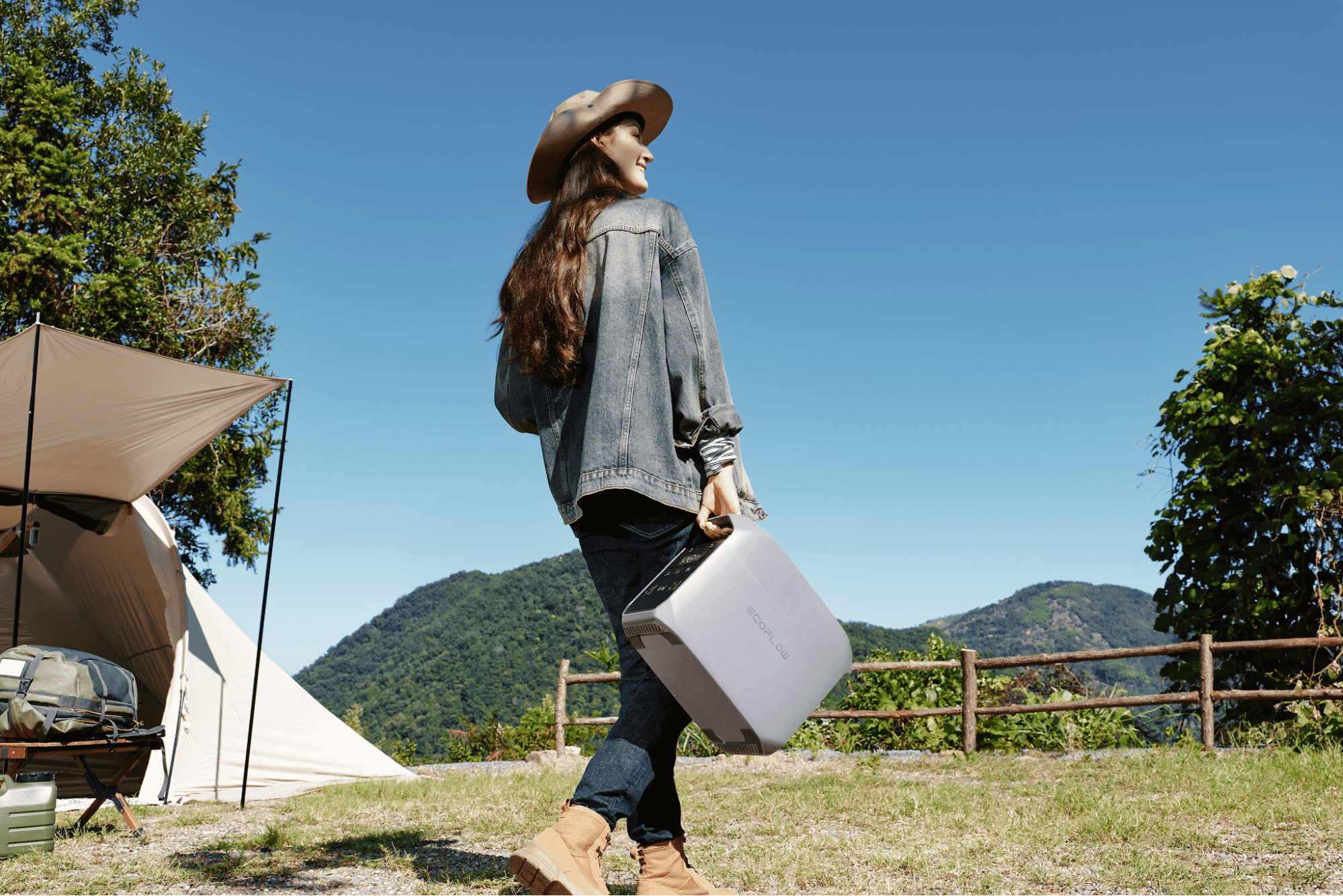
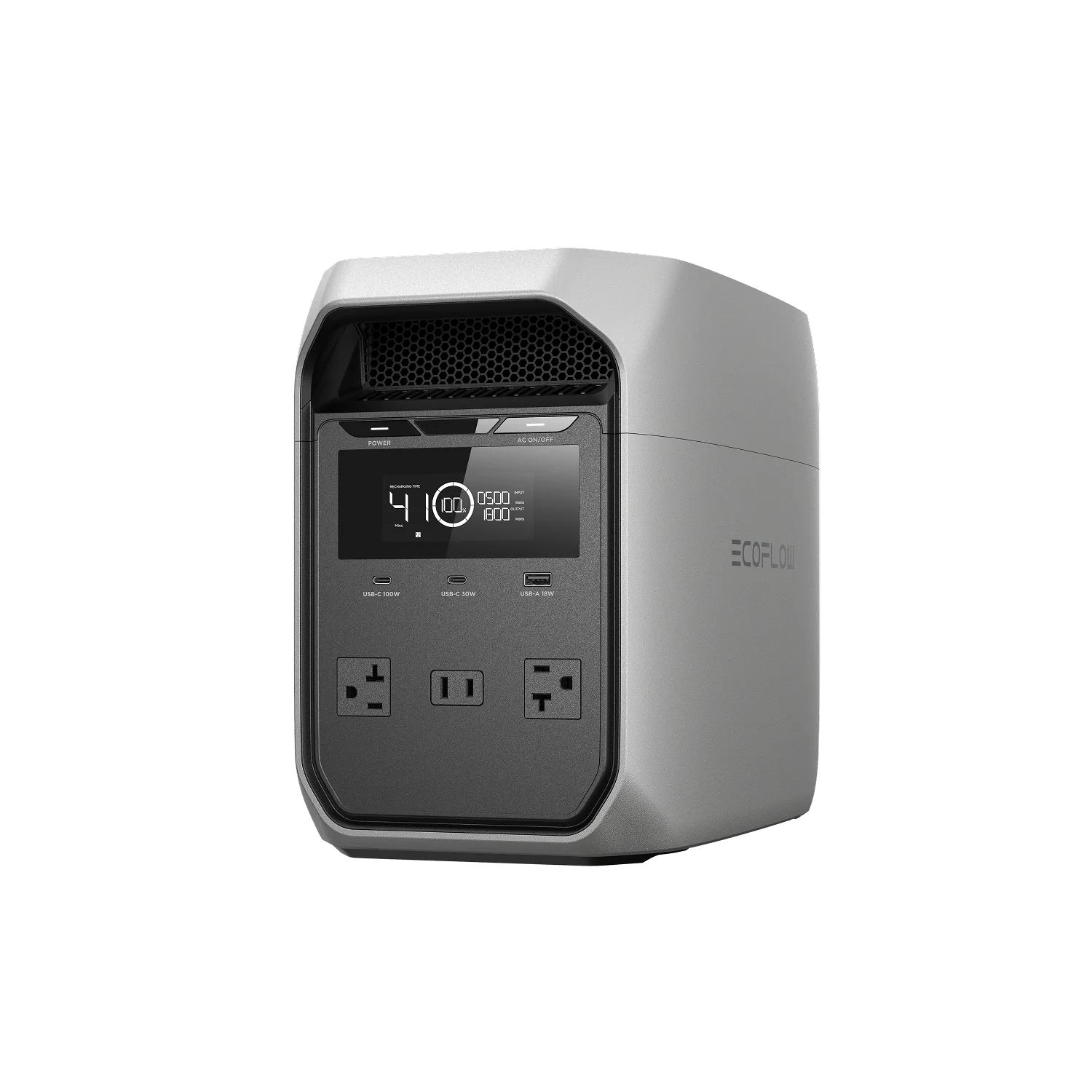
Power and light: Backup battery, solar- or battery-powered camp light. Since a motorcycle can't carry a car battery or generator, a compact power source that still covers your devices and camp light matters more than it would on a car camping trip. A portable power station like the EcoFlow DELTA 3 Classic (1024Wh) is small enough to strap to a bike while still running your camp light or charging your electronics overnight.
How Do You Stay Powered Up in the Backcountry?
When you're bringing a phone, GPS unit, or camera, you'll also need a power source to keep them running. Your bike's alternator can trickle charge small devices while you ride, but you'll likely still need standalone power at camp. A power bank and a power station are your two main options, and deciding between the two comes down to how long your trip is and how many devices you're carrying.
Charging Phones, GPS, and Cameras
Cold weather and constant navigation will drain your phone and GPS batteries faster than a normal day. You can keep your devices in an inner jacket pocket while riding to preserve battery life by keeping them a bit warmer.
Consider bringing USB-C fast-charging cables to shorten the downtime on short fuel stops.
If you need to charge while driving, a 12V or USB outlet mounted near your handlebars works well.
Portable Power Stations vs. Power Banks
A portable power bank is a type of battery charger ideal for topping up small devices, but it's not great for running larger gear. It's lighter and easier to strap to your bike, but its capacity will run out faster across multi-day trips.
A larger portable power station, such as the EcoFlow DELTA 3 Classic (1024Wh), can run your camp light or a mini cooler and provide full charges for your small devices while you're set up at camp.
Solar Charging on Multi-Day Rides
If you're worried about having enough power for multi-day trips, bring foldable solar panels mounted to your panniers or a tank bag to charge your gear while stopped rather than while riding. They perform best if angled directly toward the sun during rest breaks, not when they're tucked flat against luggage.
How Do You Camp Safely in Bear Country?
If you're freestyle camping in backcountry areas, bear lockers aren't typically provided. You'll need to store food and scented items at least 50 metres downwind from your tent to reduce the chance of attracting bears.
It's also helpful to make noise while you set up camp and keep your cooking area separate from your sleeping area to lower your bear encounter risk.
What Should You Know About Canadian Provincial Park Rules?
Camping in backcountry and interior campsites in many provincial parks still requires a reservation and permit in advance. Crown land camping, on the other hand, may be free, such as in Ontario, where you can stay for up to 21 days per site per calendar year outside the parks and conservation reserves, per Ontario's Crown Land Camping Rules.
There may be specific restrictions for motorcycles, requiring use of designated roads and parking areas in backcountry zones, with off-trail riding prohibited. Look up the local rules and regulations before you go.
How Do You Prepare for Cold Nights and Changing Weather?
Canadian temperatures can drop sharply after sunset, especially at higher elevations or near bodies of water. Layer with a moisture-wicking base, an insulating mid-layer, and a windproof outer shell to keep warm.
If bringing heated gear, it draws steady power, so factor that in your battery runtime planning.
Frequently Asked Questions
Is Motorcycle Camping Legal in Canadian Provincial Parks?
Motorcycle camping is legal in most Canadian Provincial Parks, as long as riders use designated campsites and follow standard vehicle and camping rules. Check online before you travel to see if the backcountry or interior sites you plan to stay in require permits in advance.
How Do You Charge Devices While Motorcycle Camping?
You can easily charge small devices like phones or GPS units with a USB power bank or your bike's onboard outlet while you ride. For larger devices or overnight charging, use a portable power station at camp. Consider packing foldable solar panels for multi-day trips.
What Is the Best Portable Power Station for Motorcycle Camping?
The best portable power station option will balance capacity, weight, and portability, so it can fit on your bike while sustaining your electronics. Look for compact models in the 300 to 1,000 Wh range for solo or short multi-day trips without extra bulk.
Reliable Portable Power Keeps Motorcycle Camping Trips Across Canada Fully Charged
The best preparation for motorcycle camping trips across Canada includes choosing the right gear, planning for power access in the backcountry, staying safe around bears, and following provincial park rules closely. Always bring a reliable power source, like the EcoFlow DELTA 3 Classic (1024Wh), to keep your essential devices charged throughout a multi-day ride.