Backcountry Skiing: What You Need to Know Before Heading Out
The pull of winter feels strongest far beyond the reach of chairlifts and groomed runs. For some skiers, the day ends when the lifts slow and the crowds thin. For others, that moment signals the beginning of something far more immersive. Backcountry skiing is about leaving behind marked trails and lift lines, travelling under your own power, and earning every turn in wide, untouched terrain. It’s a blend of mountaineering, exploration, and skiing that rewards patience and preparation as much as technical skill.
From the dramatic faces of the Canadian Rockies to the quieter, snow-filled forests of the Coast Range, Canada offers some of the most compelling backcountry terrain in the world. But unlike resort skiing, this environment is entirely uncontrolled. There are no patrols, no signage, and no safety nets. Stepping beyond the boundary rope requires a solid understanding of risk, the right equipment, and a mindset built around planning and self-reliance. This guide breaks down the essential knowledge you need before venturing into the backcountry, helping you make informed decisions so your experience is memorable for the right reasons.
What is Backcountry Skiing?
Backcountry skiing refers to travelling and skiing in unmarked, unpatrolled terrain beyond the boundaries of traditional ski resorts. Instead of relying on chairlifts, skiers move uphill under their own power using specialized touring equipment before making their descent. The experience shifts the focus away from speed and convenience and toward exploration, self-sufficiency, and careful decision-making in a natural environment.
What draws many people to the backcountry is the sense of quiet and space it provides. There are no lift lines, no groomed runs, and often no other tracks in sight, just untouched snow and expansive winter landscapes. In Canada, this connection to wilderness is especially powerful in places like Rogers Pass or the remote Chic-Choc Mountains, where vast terrain and deep snowfall create conditions that feel both humbling and deeply rewarding.
Ski Touring vs Backcountry: What’s the Difference?
The terms ski touring and backcountry skiing are often used as if they mean the same thing, but they describe slightly different aspects of travelling on skis beyond resort boundaries. Understanding the distinction helps clarify both the equipment involved and the mindset required for each.
Ski touring generally refers to the uphill travel itself. It describes the method used to move through snowy terrain using climbing skins and lightweight gear, with an emphasis on efficiency, endurance, and route selection. This approach is common on longer journeys, such as multi-day hut-to-hut trips in the Canadian Rockies, where covering distance safely is just as important as the descent.
Backcountry skiing is the broader term that encompasses the entire experience. It includes the ascent achieved through ski touring as well as the downhill skiing that follows, all within uncontrolled terrain. While every ski tour takes place in the backcountry, not every backcountry outing is defined by the climb alone. The term highlights the full cycle of effort and reward, from earning the turns on the way up to navigating variable snow and terrain on the way down.
Equipment Essentials for Backcountry Skiing
Heading into uncontrolled terrain in places such as Banff National Park or the mountains around Revelstoke requires far more preparation than a typical resort day. In the backcountry, your gear isn’t just about performance or comfort, it directly affects your safety and decision-making. Every item you carry should serve a clear purpose, because once you’re out there, your equipment becomes your primary support system.
1. Backcountry Skis and Bindings Selection
Backcountry skis are built to strike a careful balance between uphill efficiency and downhill stability. They are generally lighter than resort skis to reduce fatigue during long climbs, while still offering enough width underfoot to float in deep, untracked snow. Bindings are the most critical component of the setup. They must allow the heel to lift freely in walk mode for skinning uphill, then lock securely into ski mode for controlled descents. Climbing skins are equally essential, providing grip on snow-covered slopes so you can ascend without sliding backward.
2. Clothing and Layering for Extreme Cold
Backcountry travel often involves dramatic temperature changes, especially across Canada’s varied winter climates. The effort of climbing generates heat, while exposed ridgelines and descents can feel brutally cold. A proper three layer system allows you to adjust as conditions change. A moisture wicking base layer keeps sweat off your skin, an insulating mid-layer retains warmth, and a waterproof, windproof outer shell protects against snow and harsh weather. It’s important to prepare for a cold wave, as sudden temperature drops can quickly intensify the cold, making your layering system even more crucial. Dry layers are critical, as even brief stops can cause body temperature to drop quickly once movement slows.
3. Navigation Tools: GPS, Compass, and Maps
In terrain without signage or marked routes, navigation skills are non-negotiable. A physical map and compass should always be part of your kit, along with the knowledge to use them if electronics fail. Digital tools such as GPS devices or offline mapping apps add speed and precision, particularly in complex terrain. Because these tools also play a role in emergency communication, ensuring they remain powered throughout the trip is a key consideration.
4. Power Management in the Backcountry: Keeping Critical Systems Alive
In cold and remote terrain, managing power is less about convenience and more about reducing risk. Backcountry travel now relies heavily on electronic tools for navigation, weather tracking, and emergency communication, all of which become far more vulnerable in winter conditions. In sub zero Canadian environments, batteries drain faster and behave unpredictably, turning power loss into a serious safety concern rather than a minor inconvenience. Having a clear, reliable power strategy in place ensures that critical systems remain available when conditions change or decisions need to be made quickly.
Why Power Fails Faster in Cold Environments
Cold temperatures have a significant impact on lithium-based batteries, causing them to lose efficiency much faster than they do in mild conditions. Devices such as phones, GPS units, headlamps, and satellite communicators can see a sharp drop in usable capacity in freezing weather, sometimes losing a substantial portion of their charge overnight. In the backcountry, where electronics often support navigation and emergency contact, this rapid drain can turn a manageable situation into a serious emergency if no backup power is available.
Practical Power Solutions for Real Backcountry Scenarios
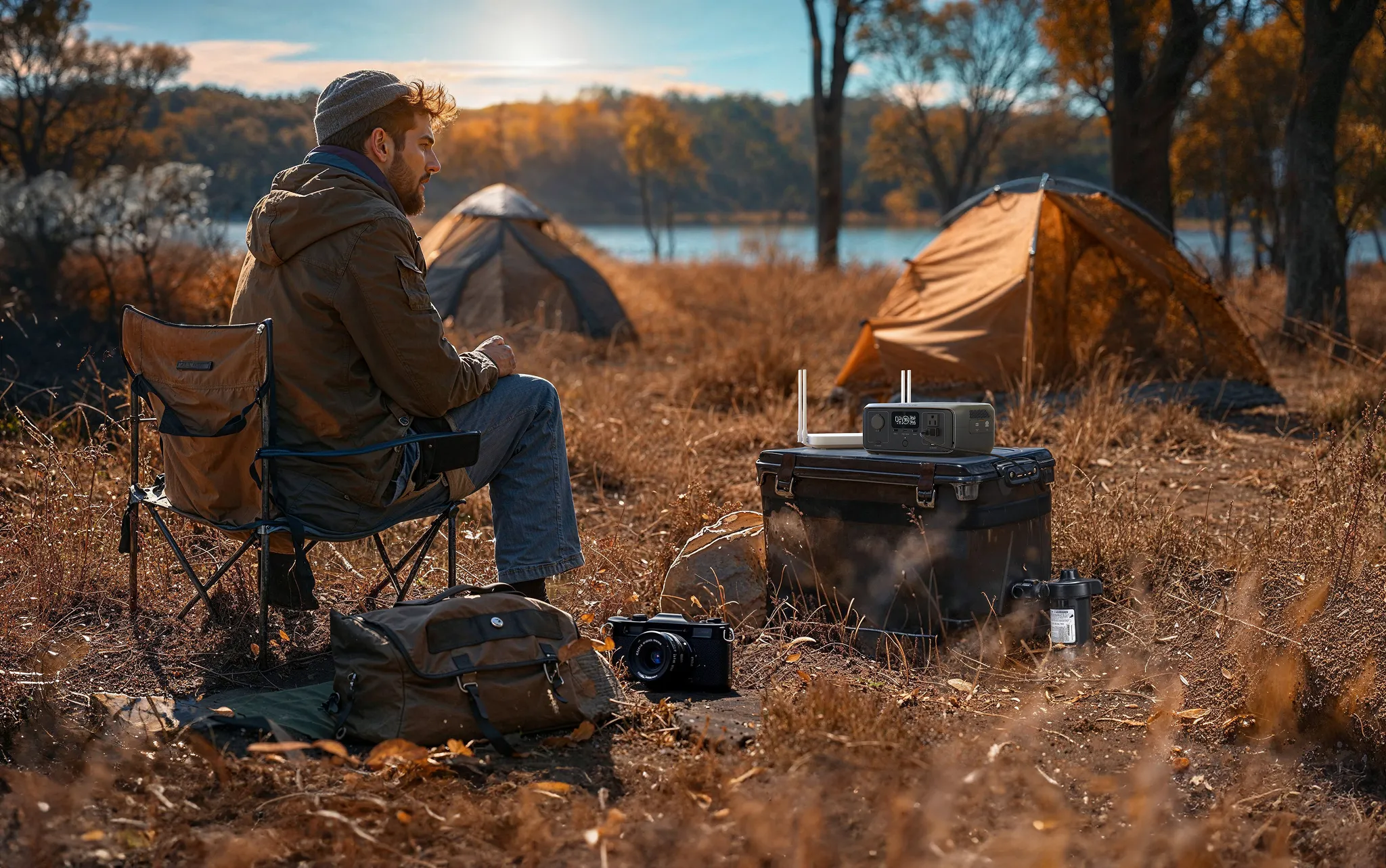
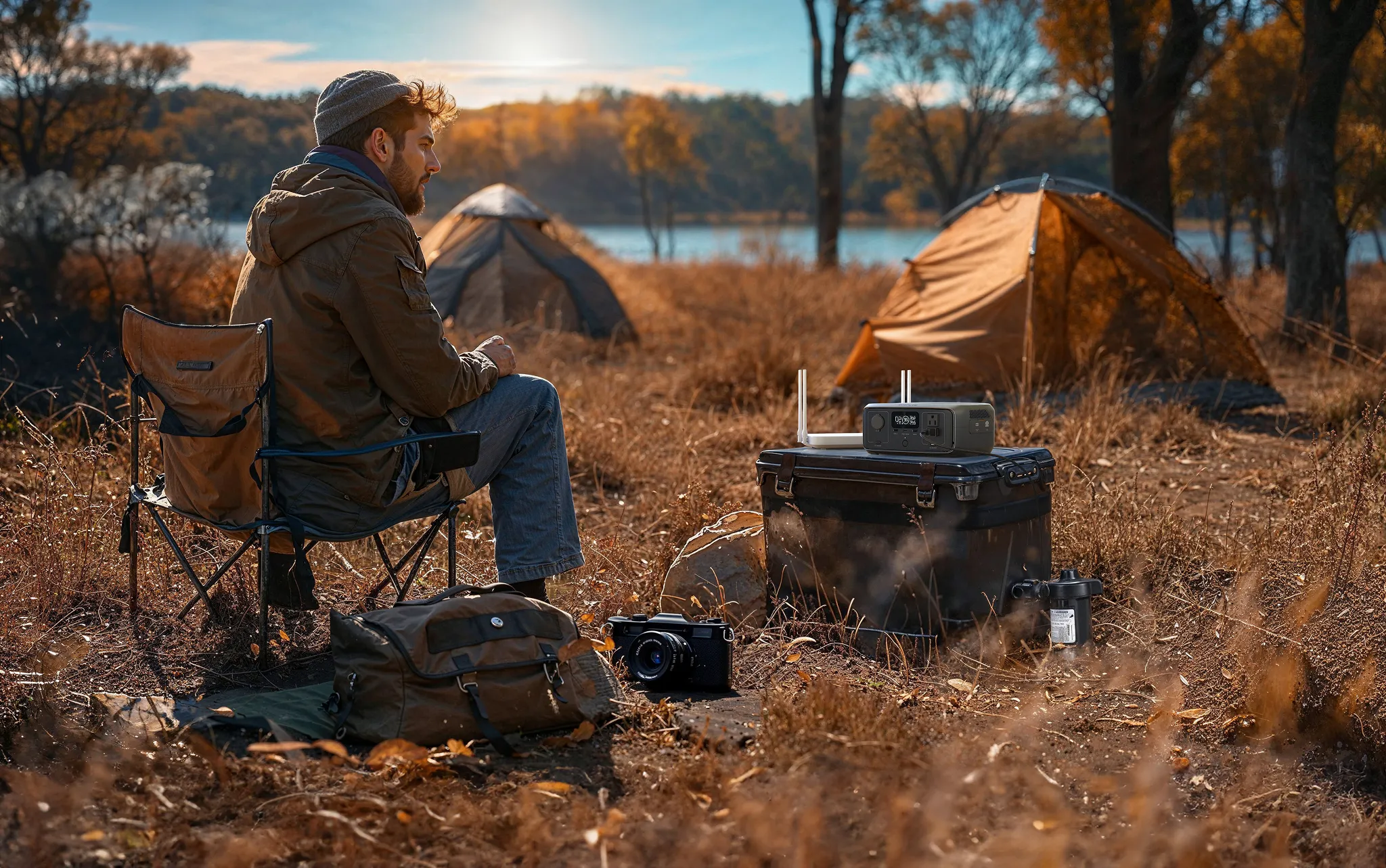
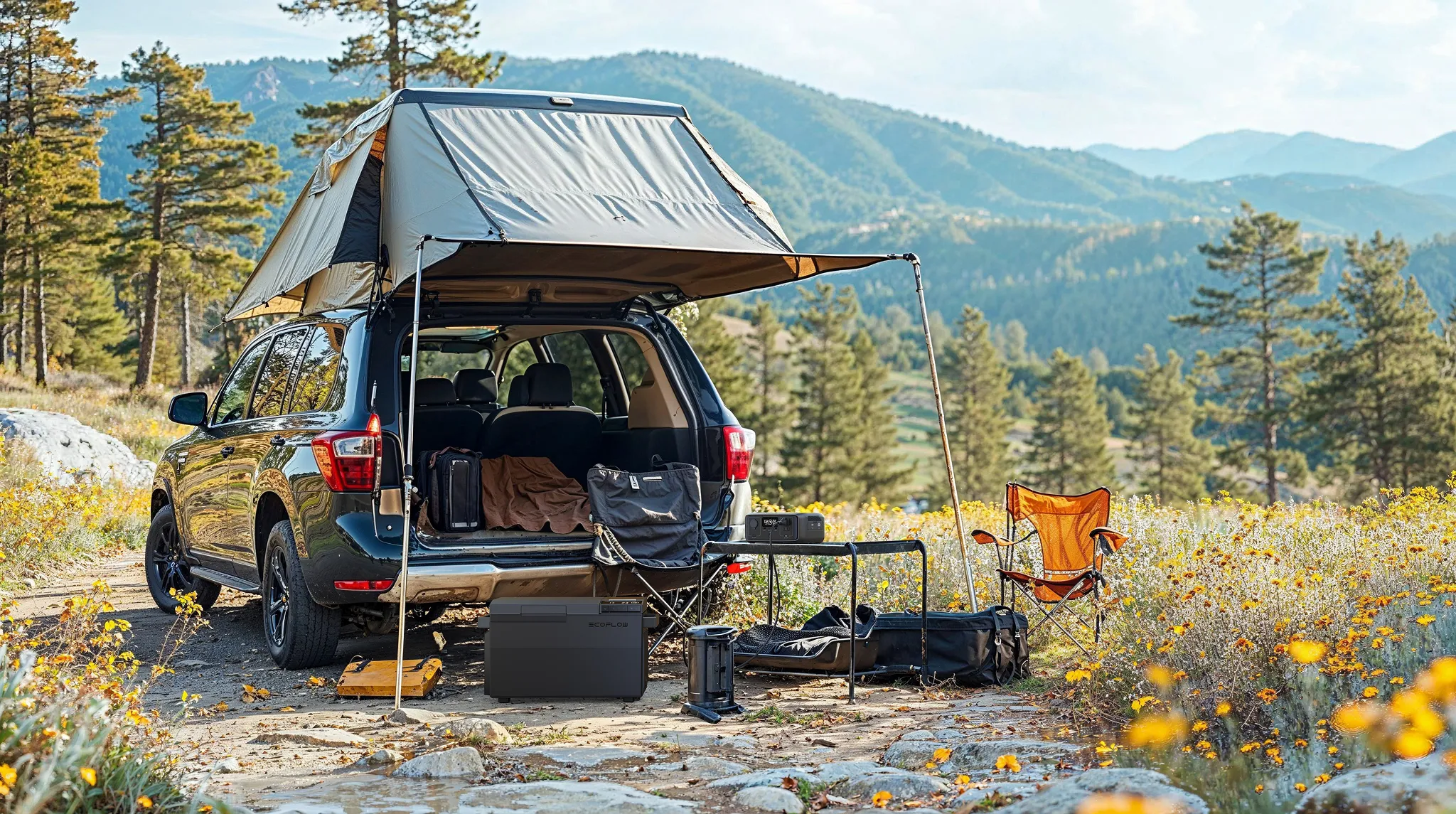
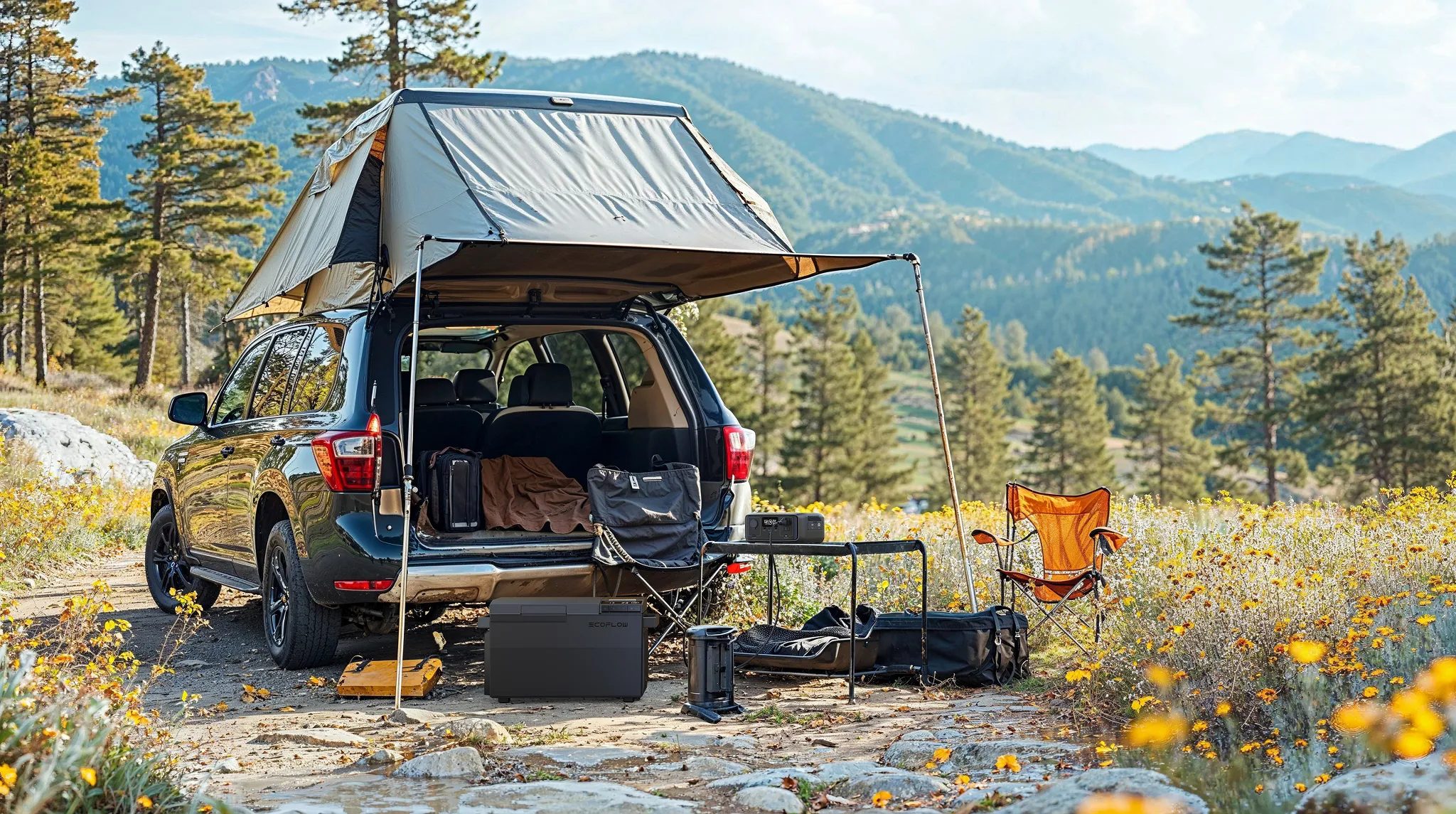
On longer outings that involve base camps, alpine huts, or sled access terrain, dependable power becomes part of overall trip planning. A compact portable power station such as the EcoFlow RIVER 3 Portable Power Station, can provide consistent energy over multiple days, helping keep navigation tools, communication devices, and safety equipment operational despite the rapid battery drain caused by cold conditions.
For shorter day tours or as a lightweight emergency option, a high capacity power bank offers a more practical alternative. The EcoFlow RAPID Power Bank (25,000mAh, 170W) is easy to carry and, when stored close to the body to retain warmth, can meaningfully extend the runtime of phones, GPS units, and headlamps. This extra buffer is especially valuable during long descents, delayed exits, or when unexpected changes stretch the day beyond the original plan.
Best Practices for Cold-Weather Power Management
Cold weather power management starts with how you carry and use your devices.
Keep batteries and power banks insulated and close to your body whenever possible, as warmth helps preserve usable capacity.
Recharge devices proactively instead of waiting for low battery warnings, which can appear suddenly in freezing conditions.
Prioritize essential tools such as navigation and communication devices, limiting power use for anything non-critical.
It’s also wise to assume that real world battery performance will be shorter than advertised, especially in prolonged cold or windy environments.
In the Canadian backcountry, where weather shifts quickly and daylight can disappear faster than expected, maintaining power means maintaining options. A well planned power strategy adds a subtle but critical layer of resilience to any backcountry ski outing, supporting safer decisions when conditions are unpredictable.
5. Safety Gear: Avalanche Beacon, Probe, and Shovel
This equipment trio is non-negotiable for anyone travelling in avalanche terrain. Every member of the group must carry an avalanche transceiver, along with a collapsible probe for locating a buried person and a durable shovel for efficient excavation. Just as important as carrying this gear is knowing how to use it correctly. Regular practice before heading out ensures faster response times and more effective coordination if an avalanche occurs, when seconds can make a critical difference.
Preparing Physically and Mentally for the Backcountry
Backcountry skiing places demands on both the body and the mind that go well beyond technical skiing ability. Success and safety depend on physical conditioning, mental resilience, and the ability to manage yourself and your group in remote, unpredictable environments.
1. Fitness and Conditioning for Long Ski Days
A full day in the backcountry often feels more like an endurance event than a typical ski outing. Long, steady climbs require cardiovascular stamina, while descents demand strong legs and core stability after hours of exertion. Training should focus on sustained cardio efforts, such as hiking, cycling, or stair climbing, paired with strength work that targets the legs and hips. Preparing for continuous movement better reflects the reality of long ascents on routes similar to those found around Lake Louise or other high-alpine areas.
2. Mental Preparedness for Isolated Terrain
The mental challenge of the backcountry is often underestimated. Vast, quiet landscapes, such as the deep, remote zones of the Monashees, can feel intimidating, especially when weather shifts or plans need to change. Being comfortable with solitude, uncertainty, and slower decision making is essential. A calm, focused mindset helps you assess conditions objectively, communicate clearly with your group, and avoid rushed choices under pressure.
3. Hydration and Nutrition Planning
Ski touring burns a significant amount of energy, and poor fueling can quickly lead to fatigue or impaired judgment. Bring calorie dense foods that are easy to eat in cold conditions, and plan regular snack breaks rather than relying on one large meal. Hydration is just as important, particularly at altitude, where dehydration can contribute to headaches and reduced performance. Insulated bottles or hydration systems help prevent water from freezing during long days out.
4. Emergency Protocols and Communication
Before heading out, always leave a detailed trip plan with a trusted contact, including your route, group members, and expected return time. In most Canadian backcountry areas, cell service is unreliable or completely absent, making a fully charged satellite communication device essential. Within the group, agree on clear communication protocols ahead of time, covering scenarios such as route changes, weather deterioration, or emergencies. Having these expectations set before stepping onto the snow helps reduce confusion when conditions become challenging.
Comprehensive Safety and Risk Management for Backcountry Skiing
In the backcountry, safety is not something you assume, it’s something you actively manage throughout the day. Conditions can change quickly, and small decisions compound over time, making awareness, training, and discipline essential parts of every outing.
1. Avalanche Detection and Rescue Skills
Avalanches represent the most significant risk in backcountry skiing. Anyone travelling in avalanche terrain should have formal Avalanche Skills Training (AST), which teaches how to evaluate snowpack stability, identify hazardous terrain features, and carry out efficient companion rescues. Checking the daily avalanche forecast for your region, such as those issued by Avalanche Canada, should be a non-negotiable step before every trip, regardless of familiarity with the area.
2. Route Planning and Time Management
Many backcountry incidents can be traced back to poor planning or overly optimistic timelines. Careful route selection should include identified escape options and conservative turnaround points. Time estimates should account for weather changes, group pace, transitions, and limited daylight, particularly during mid winter. A common rule is to plan to turn around once you reach the halfway point of your expected travel time, even if the objective feels close.
3. Managing Exposure to Cold and Frostbite
Cold exposure is a constant factor in Canadian winter conditions. Recognizing early signs of hypothermia and frostbite allows you to respond before they become serious. Use your layering system actively, adding or removing layers as effort levels and conditions change, and carry spare gloves or warmers as a precaution. Taking short, deliberate breaks to manage temperature can prevent larger problems later in the day.
4. Emergency Shelters and Survival Skills
Even with careful planning, unexpected delays or weather shifts can lead to unplanned overnight stays. Basic survival knowledge becomes critical in these situations. Knowing how to build a simple snow shelter, such as a snow cave or quinzee, can provide insulation from wind and extreme cold. Lightweight emergency blankets and reliable fire starting tools add an extra layer of security when conditions don’t unfold as expected.
Conclusion
Backcountry skiing offers a rare opportunity to experience Canada’s winter landscapes on their own terms, from the deep snow of British Columbia’s Kootenays to the wide, alpine terrain of Alberta’s national parks. The combination of solitude, physical challenge, and untouched snow is what draws so many people beyond resort boundaries. That sense of freedom, however, carries real responsibility.
Approaching the backcountry with the right equipment, a strong understanding of risk, and thorough physical and mental preparation makes a meaningful difference. Reliable power solutions, such as the portable power station from EcoFlow for base camps or the EcoFlow RAPID Power Bank for essential on the go support, add an extra layer of preparedness in environments where conditions can change quickly. With careful planning and respect for the terrain, backcountry skiing can be an unforgettable and rewarding way to explore Canada’s winter wilderness.
FAQ
1. What is considered true backcountry skiing?
True backcountry skiing takes place in terrain that is completely unpatrolled, ungroomed, and unmanaged for natural hazards such as avalanches. There are no signs, closures, or active safety controls, and access is gained by travelling uphill under your own power using climbing skins and touring bindings. In these environments, skiers rely entirely on their own skills, judgment, and equipment for navigation, safety, and emergency response.
2. How do I prepare for avalanche terrain?
The most important step is formal education. Completing an Avalanche Skills Training (AST) Level 1 course, or an equivalent program, provides essential knowledge in terrain assessment, snowpack awareness, group travel techniques, and companion rescue using a beacon, probe, and shovel. In addition to training, checking the daily avalanche forecast for your specific region should be a routine part of trip planning before every outing.
3. Is backcountry skiing dangerous?
Backcountry skiing does involve risks that do not exist in resort settings, including avalanches, variable snow conditions, tree wells, severe weather, and navigation challenges. That said, these risks can be managed with the right approach. Proper training, suitable equipment, conservative decision-making, and travelling with experienced partners all play a key role in reducing exposure and responding effectively when conditions change.
4. Is ski touring safer than backcountry skiing?
This distinction is largely a matter of terminology. Ski touring refers to the method of travelling uphill, while backcountry skiing describes the broader activity of travelling and skiing in unpatrolled terrain. Anytime you are outside resort boundaries, the same hazards apply, regardless of whether you describe the outing as touring or backcountry skiing. Neither is inherently safer; safety depends on preparation, terrain choices, and group decision making.
5. What gear do I need for backcountry snowboarding?
Backcountry snowboarding requires the same core safety equipment as skiing, including an avalanche beacon, probe, and shovel. For uphill travel, snowboarders use a splitboard, which separates into two ski like halves fitted with climbing skins for ascending. Once at the top, the board is reassembled for the descent. Clothing systems, navigation tools, and power management strategies are also similar to those used by backcountry skiers. In addition to these, it's important to remember the essentials for outdoor adventures, such as proper layering, hydration, and communication devices, to ensure you're prepared for any situation in the wilderness.