Power Outage in Alberta: What to Do and How to Prepare
- What Causes Power Outages in Alberta?
- What Should You Do During a Power Outage in Alberta?
- How Can You Prepare for a Power Outage Before It Happens?
- What Should You Power First During an Outage?
- How Does Backup Power Help During Alberta Outages?
- Frequently Asked Questions
- Backup Power Helps Alberta Homes Stay Safe and Comfortable During Outages
Alberta's power grid is run by multiple distributors, including ENMAX, EPCOR, ATCO Electric, and FortisAlberta. The risk of outages and the restoration response vary based on the region.
However, most outages in Alberta are caused by the same things: wind, wildfire, ice, or cold snaps.
The best way to get through Alberta outages unscathed is preparation before, during, and after the outage to reduce spoiled food, safety risks, and stress.
What Causes Power Outages in Alberta?
Alberta has a broad hazard profile including blizzards, extreme cold, freezing rain, tornadoes, extreme winds, hail, thunderstorms, and Canadian wildfires. The high winds are a leading trigger, with a recent blackout in early 2026 caused by gusts near 100 km/h, which knocked out power across central and northern Alberta.
Ice storms are another concern because they load conductors and tree limbs with weight, which can lead to multi-day restoration efforts in parts of Alberta.
Beyond weather, things like equipment failure, vehicle-pole collisions, or planned maintenance also contribute to the remaining share of blackouts.
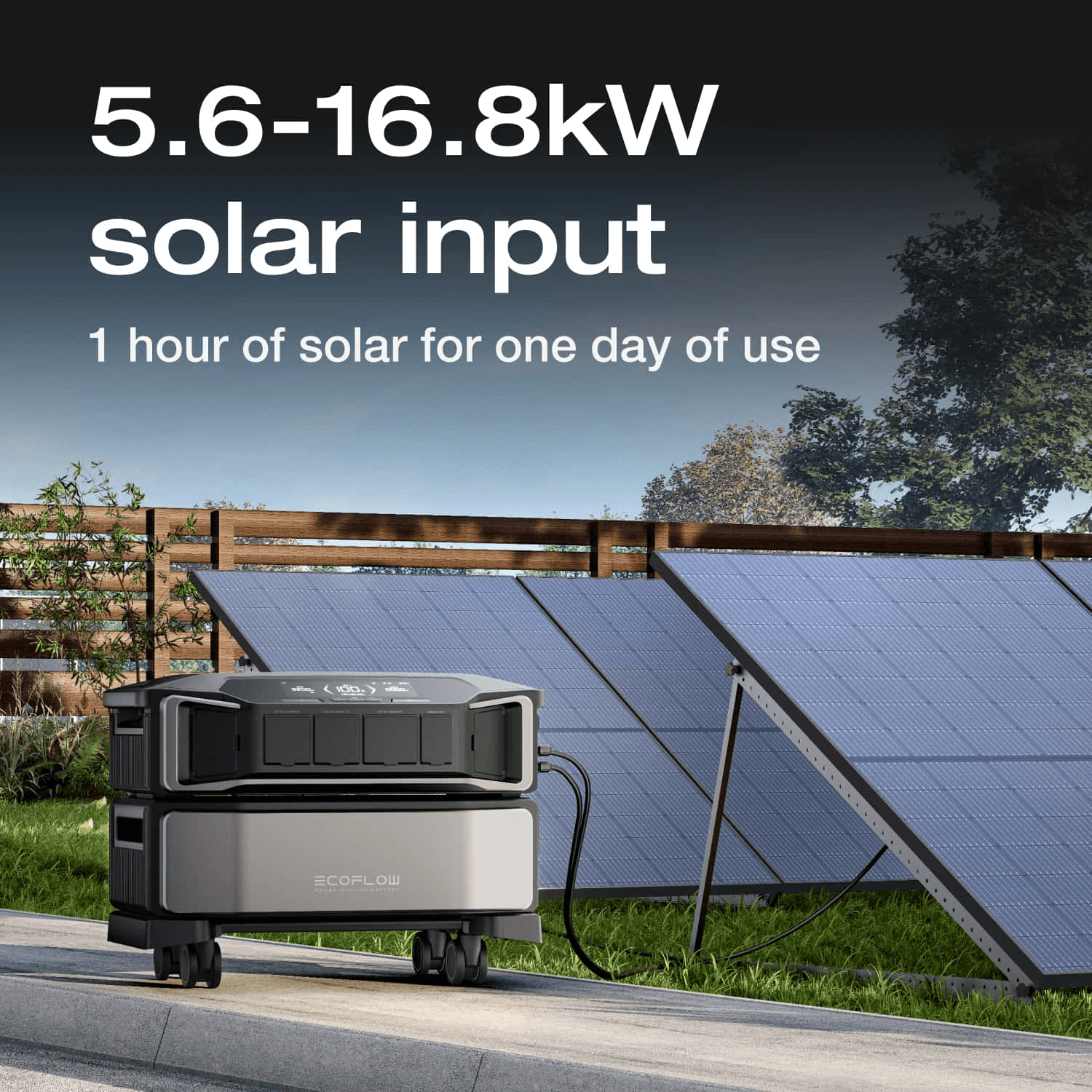
If you live in an outage-prone area, a system like the EcoFlow DELTA Pro Ultra Whole-Home Backup Power gives you a way to stay powered regardless of the cause.
What Should You Do During a Power Outage in Alberta?
The first thing to do if the power goes out at your home is to check if it's a household issue, such as a tripped breaker, or if it seems to be a neighbourhood-wide grid event, before you start troubleshooting. Then, unplug your sensitive electronics to protect them against damage from power surges when the power returns.
Reporting an Outage to Your Utility Provider
Identify your local distributor. ENMAX serves Calgary, while EPCOR/FortisAlberta serves Edmonton and much of the rest of the province. Double-check to see who the utility is in your area, since only they can dispatch a repair crew.
Before you call, get your account number and service address ready to speed up the report process.
The one caveat here is if you notice a downed, sparking, or exposed power line, call 911 first and never approach it, even if it appears inactive.
Protecting Food and Perishables
Next, protect the food and perishables in your home. Keep your refrigerator and freezer doors closed as much as possible to slow warming. An unopened fridge can hold a safe temperature for about 4 hours, and a full freezer for about 48 hours.
If you're unsure, never taste food to judge its safety. Discard anything that's been above 4ºC (40°F) for longer than the safe window.
How Can You Prepare for a Power Outage Before It Happens?
Preparation before a Canadian outage strikes is the best way to stay calm and confident when they occur.
Build a household emergency kit sized for at least 72 hours of self-sufficiency. It should include:
Flashlights
Batteries
A battery or crank-powered radio
Non-perishable food and drinking water
Medications
Medical devices
Pet supplies
Having a plan for backup power is another good step to take toward better preparedness. But the key is knowing your household's essential loads before an outage happens, not during one, so you can choose an appropriately sized backup solution.
What Should You Power First During an Outage?
The top priority equipment during an outage should be medical devices and sump pumps to minimize flooding and health risks.
Next comes refrigeration to protect food safety, followed by basic lighting and communication devices like routers and phone chargers.
If an outage happens during winter, keeping your furnace running for heat is also important. However, high-draw comfort loads like central AC or electric ranges should wait.
Once the grid restores power, turn on your essentials gradually: heat, then your fridge, then other appliances to avoid overloading your system.
How Does Backup Power Help During Alberta Outages?
Battery-based backup power can run quietly and produce no exhaust fumes, so it's safe to use it indoors, unlike fuel generators. There are also no refuelling logistics, which is helpful as fuel can become scarce during extended outages.
If you're concerned about losing grid access for several days, consider choosing a solar-compatible system so you can recharge it using the sun, without concerns about access to AC power.
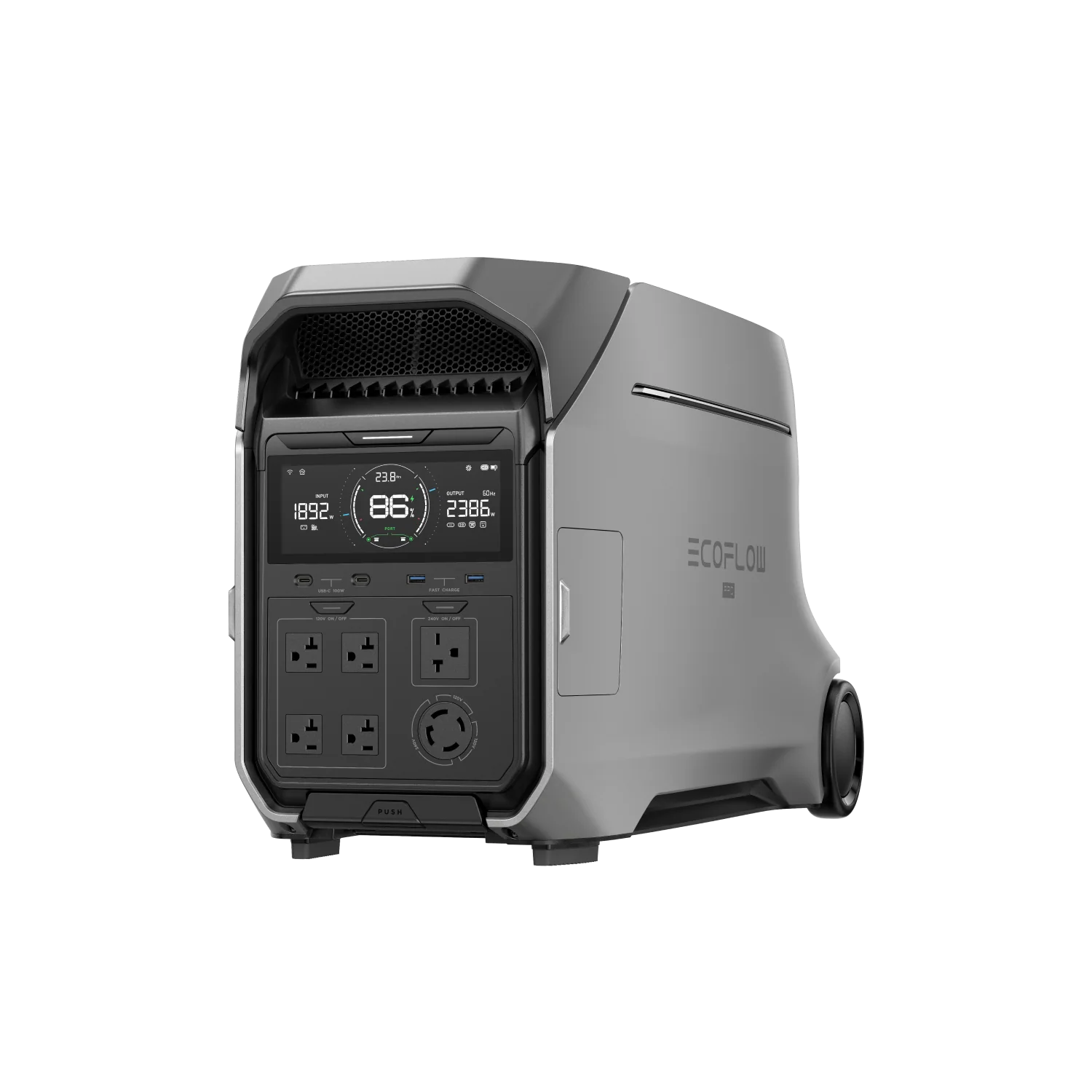
A model like the EcoFlow DELTA Pro 3 Portable Power Station can power a fridge, medical devices, and lighting simultaneously. Its expandable battery capacity allows you to scale your backup power up if your needs grow.
If you'd rather support your home's entire power load, a whole-home generator might be a better option.
Frequently Asked Questions
What Causes Most Power Outages in Alberta?
Weather is the leading cause of power outages in Alberta, though equipment failure and vehicle collisions cause a smaller but steadier share. Alberta's fire season and winter storm season also bring distinct outage risks that vary by region. High winds are especially disruptive since they can snap power lines and topple trees across multiple service areas at once.
Who Do You Call During a Power Outage in Alberta?
If you see downed or sparking lines, call 911 immediately before calling your utility. If not, contact your local distributor directly, though you should check your outage map first to see if it's already been reported. Have your account number and address ready when you call to help the utility process your report faster.
How Long Is Food Safe in the Fridge and Freezer During an Outage?
An unopened fridge can keep food safe for about four hours. If your freezer is full, it holds a safe temperature for about 48 hours; though if it's half full, that drops to 24 hours. Keep the fridge and freezer doors closed as much as possible, and throw anything out that's been above 4ºC beyond the safe window.
Backup Power Helps Alberta Homes Stay Safe and Comfortable During Outages
Because Alberta's outages are largely weather-driven, they're difficult to predict, so preparation is the most reliable form of protection. Know what to do when the power goes out: report it to your utility, prioritize essential loads, and safeguard your food to reduce risk.
You can also avoid frequent, frustrating outages by investing in a reliable backup power system, like the EcoFlow DELTA Pro Ultra Whole-Home Backup Power or EcoFlow DELTA Pro 3 Portable Power Station, to round out your preparation.