All You Need to Know About Surge Protection Devices for Homes
- What is a surge protection device?
- Why surge protection devices are important
- Types of surge protection devices
- Where surge protection devices are installed
- Surge protection for solar and modern energy systems
- How to choose the best surge protection device?
- What to consider when installing SPDs
- Conclusion
- FAQs
Surge protection devices are essential for safeguarding your home's electrical system from power surges. Whether you're protecting your appliances or solar-powered systems, such as solar batteries, understanding the types, benefits, and installation methods can help ensure your home is safe from electrical damage. In this guide, we'll cover everything you need to know about surge protection devices and how they can work alongside solar batteries to provide comprehensive protection.
What is a surge protection device?
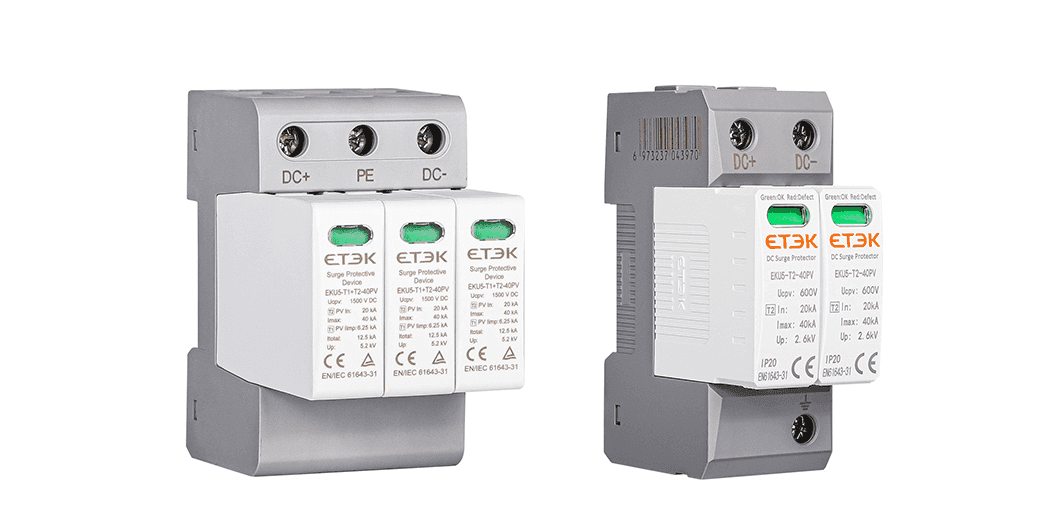
Basically, the surge protection device (SPD) is a component designed to protect your electrical equipment from voltage spikes. These spikes, often called surges, are brief increases in voltage. This high voltage can damage your entire home's sensitive internal circuitry. The SPD design works by limiting the voltage supplied to an electric device. They either block it or shorten the excess current to the ground.
How a surge protection device works
An SPD is a safety valve for your home's electricity. Under normal conditions, it simply enables power flow through to your devices. However, it is constantly "listening" for a sudden rise in voltage that exceeds safe limits.
When a spike occurs, the device reacts in nanoseconds. It uses a component called a MOV (Metal Oxide Varistor) to capture excess energy. Instead of letting that high voltage hit your laptop or TV, SPD diverts the dangerous current down the ground wire. Then it safely went into the earth. Once the voltage returns to a normal level, the surge protective device resets itself and continues monitoring.
Why surge protection devices are important
As you already know, your homes now run on complex digital systems. These surge protective devices need steady power to stay healthy. Unfortunately, the grid often fluctuates. A surge protector acts as a vital buffer. It keeps your home running and prevents silent, electrical wear and tear from ruining your day. Here is a detailed explanation of the importance of surge protective devices.
Protecting sensitive electronics
Mostly, the microchips are the brains of modern gadgets. These chips are tiny and very delicate. Even small power wobbles can cause them to glitch or fail. An SPD stops these small shocks from reaching the "brain." This keeps your gear working perfectly for much longer than an unprotected kit.
Prevent costly damage
A single lightning strike can destroy thousands of pounds worth of appliances in just a few seconds. Furthermore, standard insurance doesn't protect against internal wiring faults. So, the installation of an SPD is a one-time cost. This best surge protection device saves you from massive, unexpected replacement bills after a storm.
Ensuring system reliability
A consistent power is important for a functional home. Frequent voltage hits can cause routers to crash and security systems to fail. These glitches lead to lost data and annoying system resets. An SPD maintains a steady electrical environment. This surge protective device stability prevents hardware errors and keeps essential home networks online 24/7.
Types of surge protection devices
There are different type of electrical protection that works through a tiered system. Each type handles a specific voltage level to ensure total safety. These surge protective device types sit at different points between the power grid and your gear. Here is the detailed overview of each type
Type 1 surge protection devices
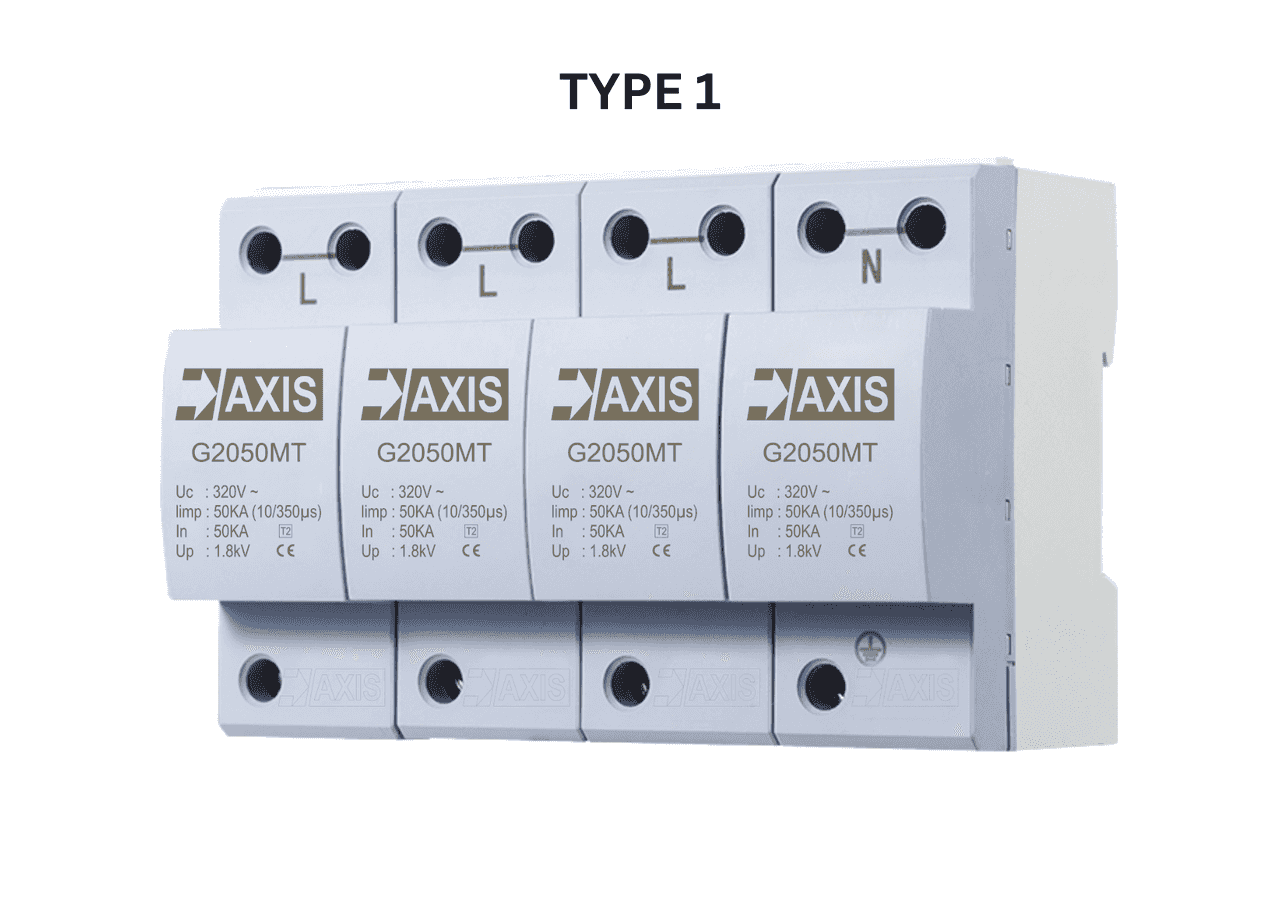
These are "Primary" protectors installed at the main service meter. They are the only units capable of handling direct lightning strikes on power lines. A Type 1 device discharges the bulk of a massive surge safely into the earth. It prevents high-voltage energy from ever reaching the building's internal wiring.
Type 2 surge protection devices
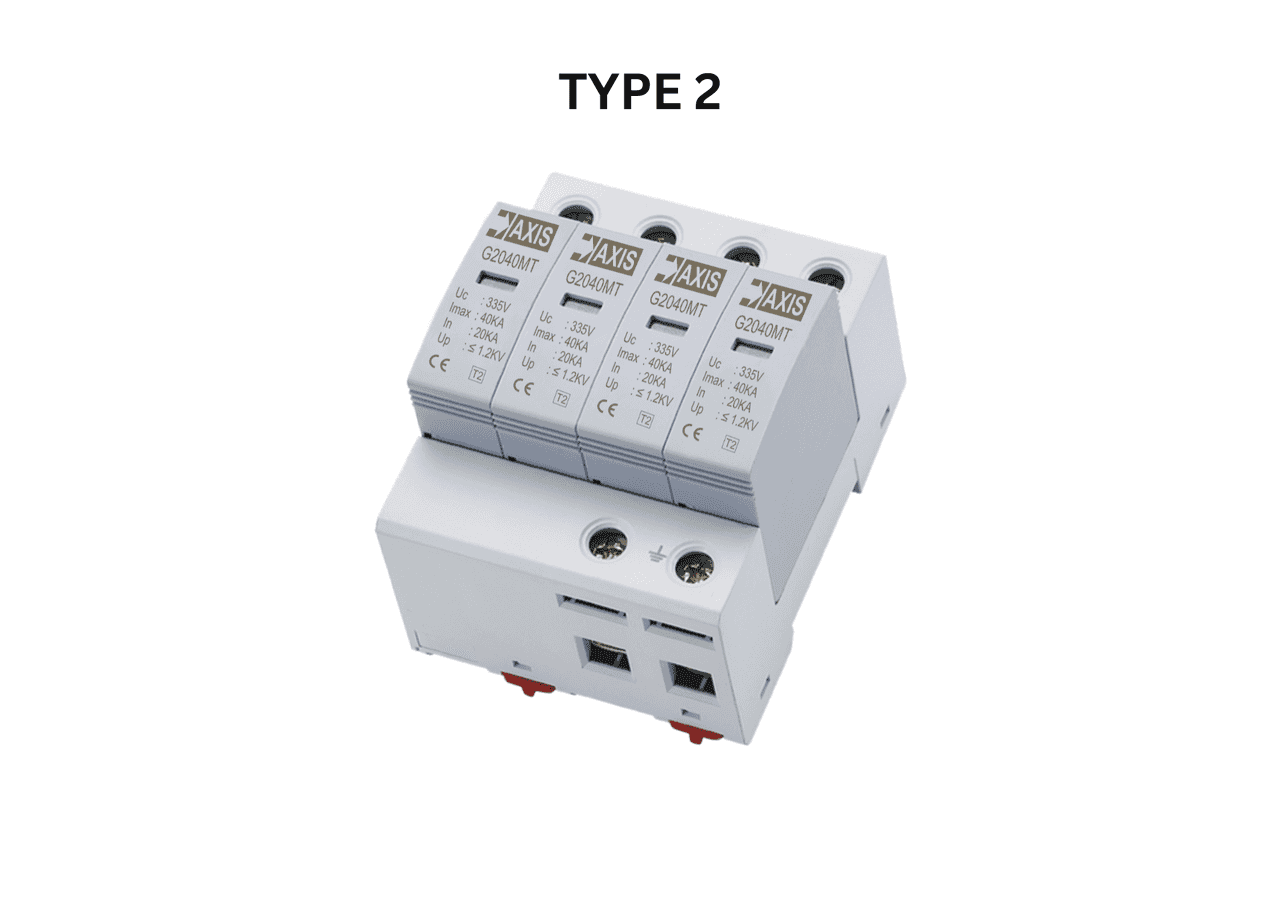
This type is commonly known as "Whole House" protectors. They are designed to fit the main distribution board. They protect all branch circuits from surges caused by large appliances. A Type 2 SPD limits the "let-through" voltage to a level that standard household wiring can handle. This is the most critical layer for modern home safety.
Type 3 surge protection devices
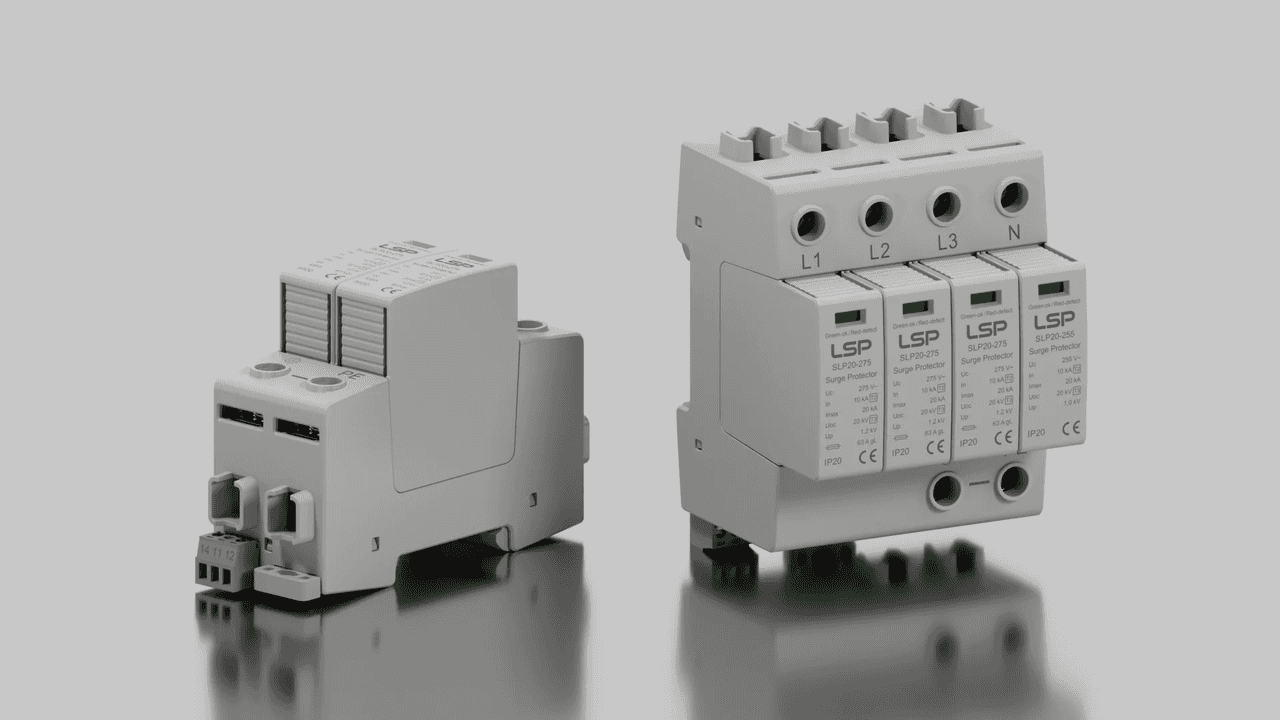
These are "Point-of-Use" protectors, like specialized power strips. They are designed to protect highly sensitive electronics from residual voltage spikes. The surge protection device type 3 units must be used alongside Type 2 devices to be effective. They provide the final, delicate filter for computers, smart TVs, and expensive gaming systems.
Where surge protection devices are installed
Generally, a strategic placement is key to an effective electrical defense. All the protective devices must be located where power enters a building. They also sit where power splits into different rooms. This zonal approach ensures that surges are dampened at every level. Here is the detailed overview to install this device.
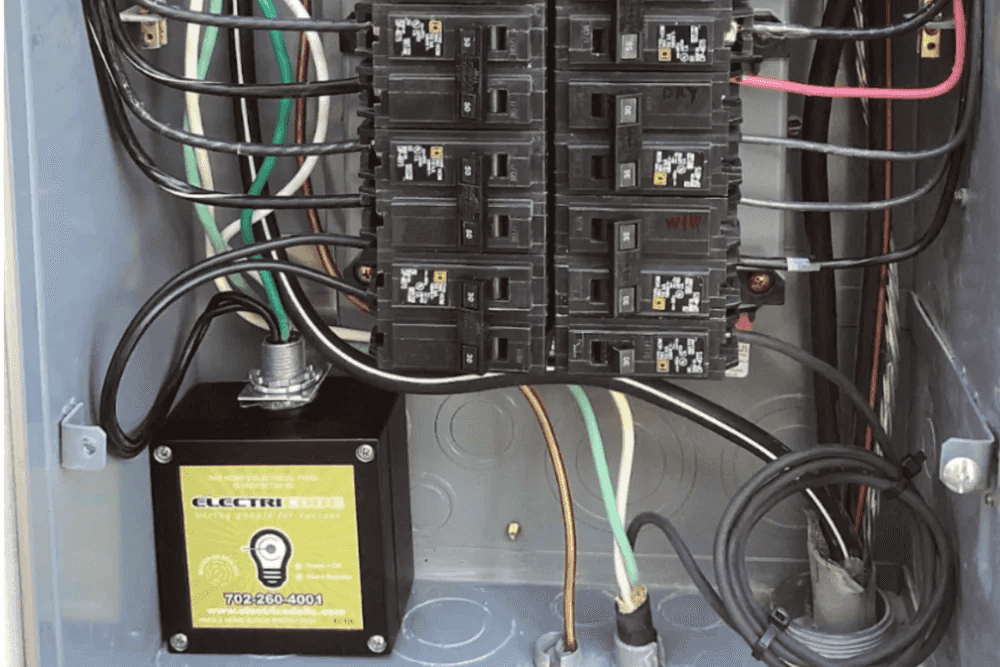
Consumer unit (main distribution board)
The consumer unit is the primary spot for whole-house protection. This is where the main power feed from the grid enters the property. A Type 2 SPD is usually fitted here to protect every internal circuit at once. It acts as a gatekeeper. This design is to stop high-voltage surges before they reach any wall sockets.
Sub-distribution boards
Larger buildings or detached garages often have their own sub-distribution boards. These boards manage specific zones that are far from the main unit. So, the installation of an SPD here handles voltage oscillations. This can occur along long cable runs. It ensures that these secondary panels remain safe.
Individual appliances and sockets
Well, the final-stage protection happens right at the wall socket. This involves using Type 3 devices, such as surge-protected plugs or power strips. These units filter out tiny leftover spikes that larger boards might miss. They provide a final layer of safety for computers and smart TVs.
Surge protection for solar and modern energy systems
Modern power needs go beyond simple wall plugs. The application of a smart energy system, like EcoFlow, provides a dedicated layer of safety for your entire home. These systems monitor incoming power and manage solar energy safely. Here is the detailed explanation of the energy system.
450W Rigid Solar Panel + STREAM Ultra X
The 450W Rigid Solar Panel + STREAM Ultra X is designed with advanced surge protection technology to safeguard your home's energy system. Beyond simply collecting solar power, the STREAM Ultra X features integrated surge protection that shields sensitive equipment from sudden power surges or voltage spikes, which can occur during storms, grid fluctuations, or lightning strikes.
With up to 2300W AC output, the STREAM Ultra X powers high-demand appliances with ease, all while managing power safely. Its expandable capacity, from 3.84 to 23kWh, offers flexible energy storage, ensuring your home stays powered through the day and night. The system also includes 2000W solar input, 4 MPPTs, and Low-Light Cells, ensuring optimal energy capture, even in cloudy conditions.
Moreover, the 15-year lifespan of the STREAM Ultra X ensures long-term reliability, while its compatibility with third-party devices using Tiber, Matter, and Shelly protocols allows seamless integration into smart home ecosystems. This combination of surge protection, energy efficiency, and long-term durability makes the 450W Rigid Solar Panel + STREAM Ultra X an essential component of any modern energy system, offering both performance and protection for your home's power needs.
STREAM Ultra + AC Pro for enhanced energy control and safety
For homes equipped with solar panels, integrating surge protection with smart energy systems like STREAM Ultra + AC Pro ensures that excess energy is not only stored intelligently but also safeguarded from power surges. During the day, excess solar energy is captured and stored rather than exported to the grid. This stored energy is then used during peak hours or when electricity prices are high, reducing the reliance on the grid.
The STREAM Ultra serves as the core energy hub for your home, protecting both your solar energy system and essential appliances from power surges. With a battery capacity of 3.84 kWh and a continuous output of 1200W, it efficiently stores excess solar power during the day and ensures that appliances like washing machines can be powered by this stored energy later in the evening.
To handle larger household demands, the STREAM AC Pro expands storage capacity and increases output power, enabling the system to provide up to 3.84 kWh of energy storage and 2300W of output power. This combination ensures that even high-demand appliances, like a full laundry cycle, can run smoothly using stored solar energy—without surges damaging your equipment. The STREAM Ultra + AC Pro system offers intelligent energy management, reliable surge protection, and scalable power, all in a flexible design that can be placed anywhere in your home without the need for stacking.
How to choose the best surge protection device?
The selection of the right SPD requires matching the device to the specific electrical load. You must consider the environment and the value of the equipment being shielded. A poor choice might leave sensitive electronics exposed to high voltage. Follow the tips below to choose the best surge protection device for your home.
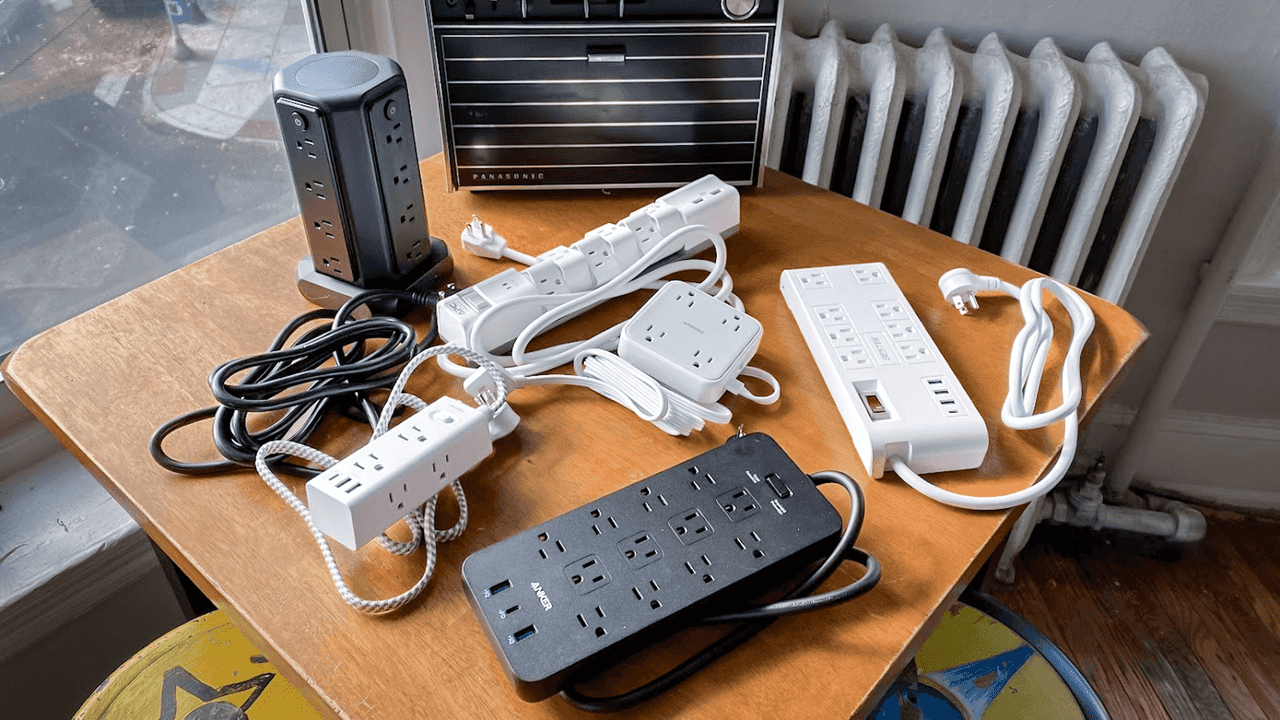
Voltage rating and discharge capacity
Check the voltage protection level, often marked. A lower rating means better protection for your delicate gadgets. You should also look at the discharge capacity. This tells you how much energy the device can divert. High-capacity units are a must for areas with frequent storms or unstable power grids.
Type of installation (home, solar, commercial)
The best surge protection device depends on where you plan to use it. Standard homes usually need a Type 2 protector in the main panel. Solar power systems require special DC-rated surge protectors to handle solar energy. Commercial sites often need much tougher Type 1 units. These handle heavy electrical loads from large machinery and industrial tools.
Compliance with UK standards
In the UK, your surge protection device must meet BS EN 61643 standards. The latest wiring regulations often make these devices a legal requirement for new work. Always look for the UKCA or CE mark on the product packaging. These marks prove the device is safe and legal for use in the UK.
What to consider when installing SPDs
Getting the setup right is just as important as the device itself. A poorly fitted protector might not trigger during a major surge. You must think about where the device sits in your wiring. Planning these details ensures your home stays safe when the power fluctuates.
Professional vs DIY installation
Plug-in surge strips are simple DIY items for any home. However, fitting a device into your main breaker panel is much more complex. This involves handling high-voltage wires and following UK building laws. Therefore, hiring a qualified electrician is the safest way to ensure your protection.
Placement for maximum protection
For the best results, put the SPD close to where power enters the building. Short and straight wires between the protector and the main switch are vital. Long or coiled wires can actually slow down the device's reaction time. This front-line placement stops the surge and prevents damage.
Integration with existing systems
It is best to check if your current fuse box has enough spare slots for a new module. Some older consumer units might need an upgrade to fit modern surge protection. You also need to ensure the SPD matches your home's specific earthing system. A good fit keeps your electrical network stable and fully up to code.
Conclusion
To sum up, surge protection devices are now a must-have for any modern home. You use more sensitive tech than ever before, and one power spike can ruin it all. Whether from a storm or the grid, these surges happen without warning. The installation of the right SPD keeps your wiring safe from fire risks.
It is best to use a layered approach. A main protector in your fuse box stops big surges, while plug-in strips handle smaller spikes. Always look for the UKCA mark to ensure the device meets safety laws. Investing in this protection today saves you from massive repair bills later. For a complete solution, EcoFlow offers smart energy systems with built-in protection.
FAQs
Do I need surge protection in the UK?
Yes, you generally do. Under the latest UK wiring regulations (BS 7671), surge protection is now the default for almost all new or rewired installations. It's not legally required for existing older homes, but it is strongly recommended to protect expensive electronics from grid spikes and lightning damage
What should you never plug into a surge protector?
Generally, high-power appliances should never be plugged into a surge protector. This includes heaters, air conditioners, and washing machines. These heavy loads can easily cause the protector to overheat or catch fire. You should also avoid daisy-chaining. This creates a serious fire risk.
Is it safe to leave a surge protector plugged in all the time?
Yes, it is perfectly safe to leave a surge protector plugged in. These devices are designed to stay on and monitor your power 24/7. However, you should replace them every few years. The internal components wear out over time, especially after they have absorbed several smaller power spikes.