Solar Energy Panel Efficiency Explained | Improve Your Solar Output
- What is solar panel efficiency, and why does it matter?
- How solar panel efficiency is measured
- Average efficiency of solar panels today
- Factors that affect solar panel efficiency
- Types of solar panels and their efficiency
- How to improve solar panel efficiency
- Maximising solar energy with storage solutions
- Common misconceptions about solar panel efficiency
- Conclusion
- FAQs
Using solar energy is no longer just a futuristic idea. It's a practical way to lower your energy bills and reduce your carbon footprint. Installing solar panels is only the beginning. To get the most from your system, it's important to understand how efficient your panels are. Things like the type of panel, where you place them, and how you maintain them all affect how much energy you can make. Adding solar batteries lets you store the electricity you generate for times when the sun isn't out. In this guide, you'll learn how they work, what influences the solar panel energy efficiency, and simple ways to boost your solar output.
What is solar panel efficiency, and why does it matter?
Solar panel efficiency describes how effective a solar panel is at turning sunlight into electricity for use. More electricity from the same amount of sunlight means greater efficiency, which is very important for space savings and costs. It impacts how much energy is produced by your system on average every day and how quickly you recoup your investment.
How solar panel efficiency is measured
Knowing solar panel energy efficiency is one thing, but knowing how it's measured helps you make smarter choices when selecting panels. Efficiency isn't just a number; it reflects real-world performance under specific conditions. Here's how experts determine it.
Conversion efficiency percentage
Conversion efficiency percentage shows how much sunlight hitting a solar panel is turned into electricity. For example, a panel with 20% efficiency converts 20% of the sunlight into usable power. Higher percentages mean more energy output from the same panel size.
Standard test conditions (STC)
Standard test conditions (STC) are the controlled settings used to measure a panel's efficiency, including a light intensity of 1000 W/m², 25°C temperature, and a specific air mass. These conditions allow comparisons between panels. Real-world performance may vary, but STC gives a reliable benchmark for evaluation.
Average efficiency of solar panels today
Solar panel technology has improved a lot, and efficiency depends on the type and quality of the panels. Knowing average efficiency helps you pick the right system for your home or business and better estimate your energy output. Let's look at the usual efficiency ranges and some high-efficiency options available today:
Typical efficiency ranges
Most standard solar panels today have efficiency levels that fall within a certain range, providing a balance between cost and performance. These panels are widely used in residential and commercial setups. Here are their efficiency ranges:
Panel type | Efficiency range | Notes |
Polycrystalline | 15% – 17% | Affordable, slightly less efficient |
Monocrystalline | 18% – 22% | Common choice for higher output |
Thin-film | 10% – 13% | Flexible, lightweight, lower efficiency |
High-efficiency panels
High-efficiency panels are designed to maximise electricity production, even in limited space or less-than-ideal sunlight. They are ideal for rooftops with space constraints or for those who want top performance. The table listed below shows their energy ranges:
Panel type | Efficiency range | Notes |
Premium monocrystalline | 22% – 24% | Excellent energy output, higher cost |
Bifacial panels | 20% – 23% | Capture sunlight from both sides for extra power |
PERC technology panels | 21% – 23% | Improved light absorption, efficient in low light |
Factors that affect solar panel efficiency
Solar panel performance can change depending on different environmental and technical factors. Knowing about these factors helps you get better efficiency and more energy from your system. Each one affects how much electricity your panels make each day.
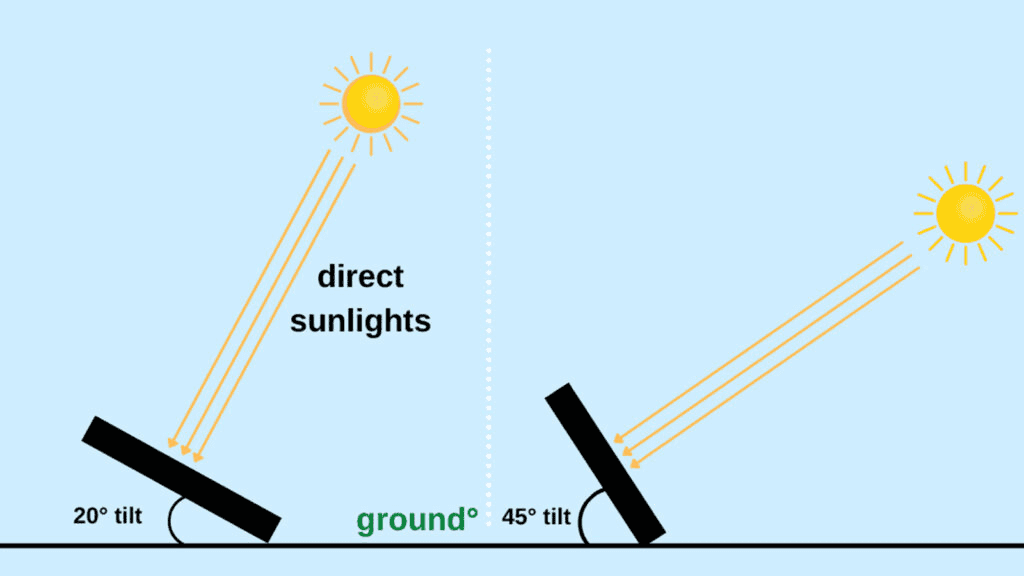
Sunlight intensity and angle
Solar panels produce more electricity when they receive direct and bright sunlight. This exposure creates the angle of incidence, or how directly the sunlight hits the surface of the solar panel. Properly oriented panels toward the sun can produce much more power than flat panels or even poorly angled ones, for example.
Temperature and weather conditions
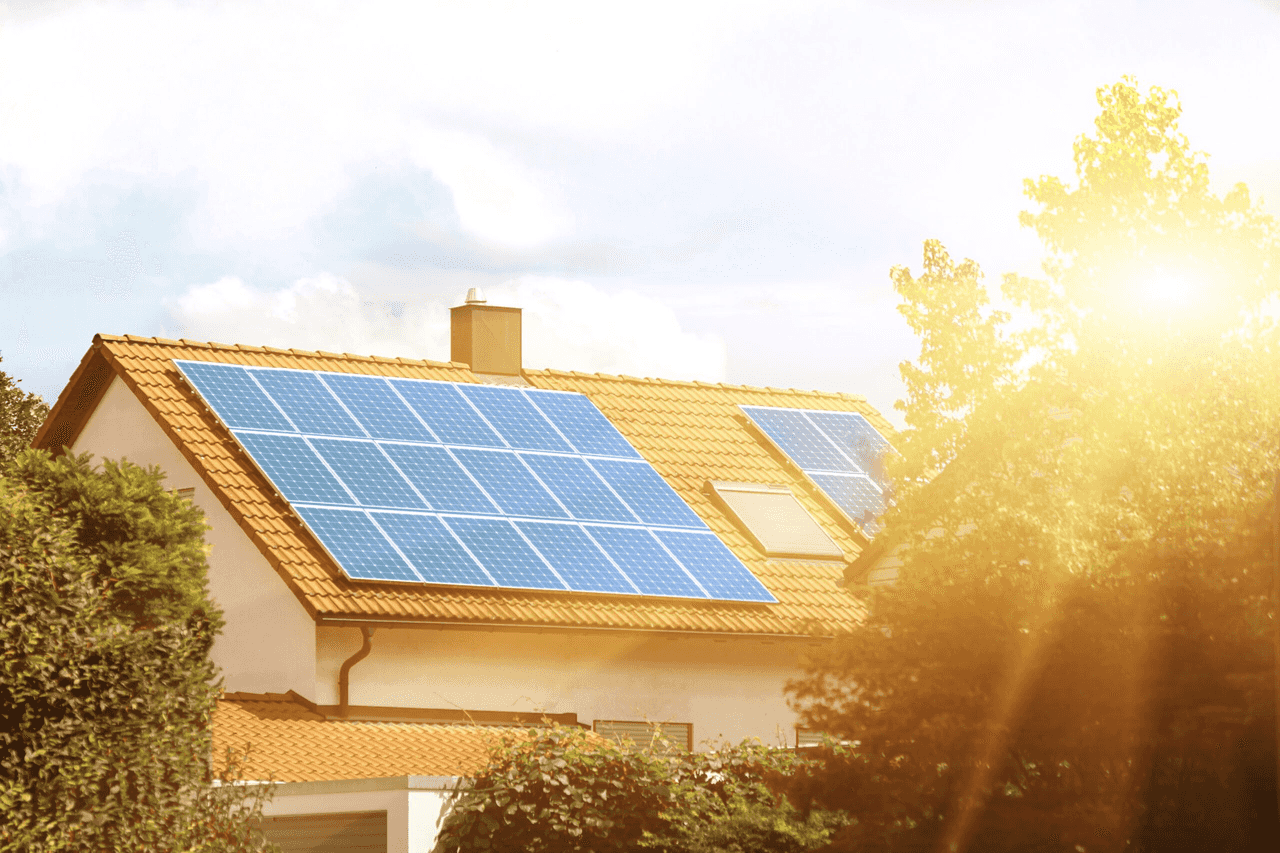
While sunlight is necessary, extreme heat can cause the panels to be less effective. Solar panels perform optimally in moderate temperatures and clear skies. In some cases, output could fall on very hot days even when the sun is shining brightly and steadily for long periods of time.
Panel placement and orientation
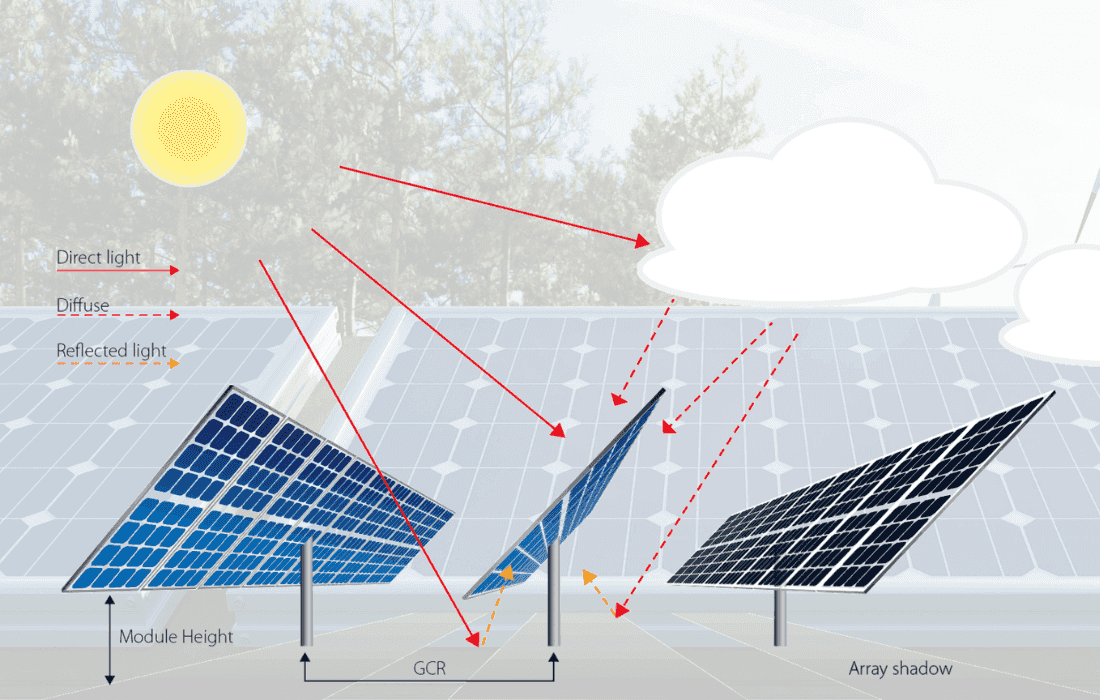
The direction and position of panels play a major role in energy production. Panels should be installed where they receive maximum sunlight throughout the day. For example, panels facing the correct direction can generate more electricity compared to those placed in shaded or less exposed areas.
Shading and obstructions
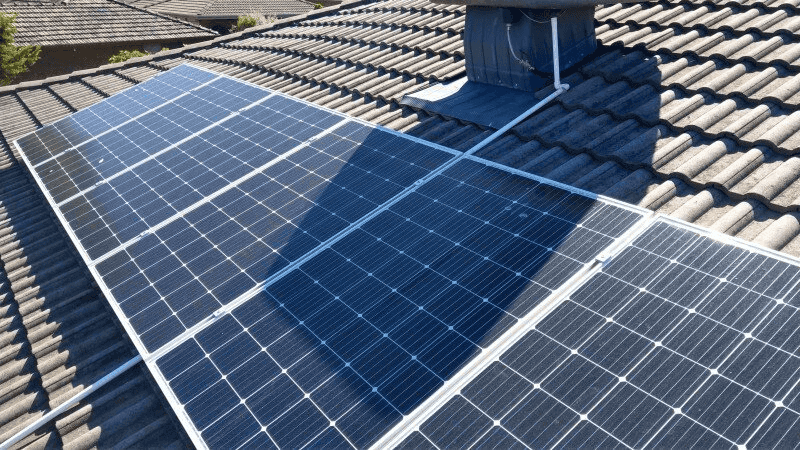
Shadows from nearby objects like trees, buildings, or dirt buildup can block sunlight. Even a small shaded area can reduce the performance of the entire system. For example, one shaded panel in a series can lower the output of all connected panels.
Panel quality and technology
High-quality panels use advanced technology to convert more sunlight into electricity. Better materials and designs improve performance and a useful life. For example, energy-efficient solar panels with improved cell technology perform better in low-light and cloudy conditions compared to older models.
Types of solar panels and their efficiency
There are various types of solar panels. Each has a different cost-performance and durability trade-off. Understanding the differences helps you select the right option for both your energy needs and your space availability. Here are the most common types, and how they stack up in terms of efficiency:
Monocrystalline panels
Monocrystalline panels have the highest efficiency, normally ranging from 18% to 24%. Their single-crystal structure helps them convert more sunlight into electricity. For example, they are ideal for rooftops where limited space requires maximum energy output.
Polycrystalline panels
Polycrystalline panels usually have efficiency levels between 15% and 17%. They are slightly less efficient due to their multi-crystal structure, but are more cost-effective. For example, they work well in large installations where cost matters more than space.
Thin-film panels
Thin-film panels have lower efficiency, generally between 10% and 13%. Their design makes them flexible and lightweight, suitable for non-traditional surfaces. For instance, they are commonly used in large solar farms or curved structures where flexibility is needed.
How to improve solar panel efficiency
You don't always need new equipment to improve performance. Small changes can make a big difference. Using the right strategies helps you keep your system working well and get better results. These steps can boost your solar panel energy efficiency and help your system run more efficiently.
Proper installation and angle
Correct installation ensures panels receive maximum sunlight throughout the day. The right tilt and direction improve energy absorption and overall output. Panels installed at an optimal angle can generate noticeably more electricity than poorly positioned ones, increasing your system's overall efficiency.
Regular cleaning and maintenance
Dust, dirt, and debris can block sunlight and reduce panel performance over time. Keeping the surface clean allows sunlight to reach the cells more effectively. In areas with frequent dust or pollution, cleaning panels every few weeks can significantly enhance energy output.
Reducing shading issues
Minimising shadows from trees, buildings, or other objects is essential for better performance. Even partial shading can lower the efficiency of the entire system. Simple actions like trimming nearby trees or relocating obstacles can noticeably boost electricity generation.
Using energy storage systems
Energy storage systems store excess electricity for later use, improving overall system performance. This ensures that generated energy is not wasted during low sunlight hours. Homeowners can rely on stored energy during the night or on cloudy days, making the solar setup more dependable and efficient.
Maximising solar energy with storage solutions
Solar energy systems become far more effective when paired with the right storage solutions. Instead of letting excess electricity go unused, storage systems capture and store energy for later use, ensuring that power is available when you need it most. This improves system efficiency, increases reliability, and helps reduce electricity costs over time. EcoFlow offers advanced solutions that combine high-performance solar panels with smart, expandable energy storage, giving homeowners both flexibility and long-term savings.
450W rigid solar panel + STREAM Ultra X for day & night energy
450W Rigid Solar Panel + STREAM Ultra X is a smart and reliable way to power your home. The solar panels collect energy from the sun during the day, and the STREAM Ultra X stores any extra power, so you can use it at night or on cloudy days. With a 2000W solar input, 4 MPPTs, and Low-Light Cells, this system captures more solar energy efficiently even when sunlight is weak. The battery starts at 3.84kWh and can be expanded up to 23kWh, which is enough to cover most daily household energy needs.
With 1200W AC output, it can run heavy appliances like ovens, fridges, or washing machines. AI smart management automatically decides the best way to use and save energy. It can connect to other smart home devices using Tiber, Matter, or Shelly protocols, giving you full control. Its long 15-year lifespan and flexibility make it a reliable and future-proof solution for any home.
450W Rigid Solar Panel + STREAM AC Pro + STREAM Ultra: flexible power for your home
When focusing on solar energy panel efficiency, the 450W Rigid Solar Panel + STREAM AC Pro + STREAM Ultra delivers a highly effective way to capture more solar energy and maximise daily power output. The high-output 450W solar panels increase solar collection potential, while the STREAM Ultra battery stores captured energy in a 3.84 kWh capacity for reliable household use. By pairing it with STREAM AC Pro, the system expands storage and boosts AC output to around 2,300 W, making it easier to run multiple appliances simultaneously while making full use of the energy generated by efficient solar panels.
This setup also improves overall efficiency through flexible battery placement and intelligent energy management. Instead of stacking batteries in one location, batteries can be placed across different rooms or floors, ensuring power is available exactly where it's needed and reducing wasted energy. Combined with real-time monitoring via the EcoFlow's OASIS Home Energy Management System, households can track solar generation and optimise energy usage throughout the day.
Common misconceptions about solar panel efficiency
A lot of people have the wrong idea about how solar panels work, which can lead to mistakes when buying or installing a system. Learning the facts behind these myths helps you make better choices and get more from your panels. Clearing up these misunderstandings also helps you see how efficient solar panels really are:
Higher efficiency always means better value
High-efficiency panels produce more power, but they are usually more expensive. In many cases, slightly lower efficiency panels can provide better overall value for money. For example, a budget-friendly system may meet your energy needs without a higher cost.
Solar panels work only in strong sunlight
Solar panels generate electricity even on cloudy or low-light days. While output is higher in direct sunlight, energy production does not stop completely. For example, panels can still produce useful power during overcast weather, though at reduced efficiency levels compared to sunny conditions.
Efficiency is the only factor to consider
Efficiency is important, but it is not the only factor that matters. Cost, durability, installation, and maintenance also affect overall performance. For example, a durable panel with slightly lower efficiency may perform better over time than a high-efficiency but less reliable option.
Conclusion
Knowing how solar panel energy efficiency works is important for getting the most from your solar investment. If you think about things like where you place your panels, the technology you use, and how you store energy, you can make sure your system gives you steady power and saves you money over time. Good planning and regular maintenance also make your solar setup more reliable.
EcoFlow products such as the STREAM Ultra X and STREAM Ultra give you practical ways to get more from your solar energy. With their flexible storage, powerful panels, and smart features, you can capture and use more power efficiently. When you use these systems with 450W rigid panels, your setup becomes more reliable, even when there isn't much sunlight.
FAQs
What is the 20% rule for solar panels?
The 20% rule suggests that solar panels lose about 20% efficiency over their lifespan, typically 25–30 years. It helps estimate long-term energy output and planning. Panels usually maintain around 80% of their original performance after this period.
Is a 90% efficient solar panel possible?
Currently, no commercially available solar panel reaches 90% efficiency. Most high-end panels achieve 22–24% efficiency, with lab prototypes slightly higher. Practical limitations like thermodynamics and material efficiency prevent extreme values.
Will a 400W solar panel run a fridge?
Yes, a 400W panel can run a fridge, depending on its energy consumption and sunlight availability. Most household fridges use 100–200W on average. Pairing the panel with a battery ensures continuous operation during cloudy periods or at night.