Plug-In Solar Panels System Explained: Expert Guide for UK Homes (2026)
Switching to solar energy is becoming an increasingly popular way to reduce electricity costs and improve energy efficiency at home. A plug-in solar system offers a simple and accessible entry point, allowing households to generate and use solar power without the large-scale construction often required for traditional rooftop systems. These systems are designed for convenience and are typically installed by qualified professionals to ensure safe operation and compliance with local regulations. This makes them suitable for beginners or households with small-scale energy needs. This guide covers the key things you need to know before choosing the right plug-in solar system for your home.
What is a plug-in solar system?
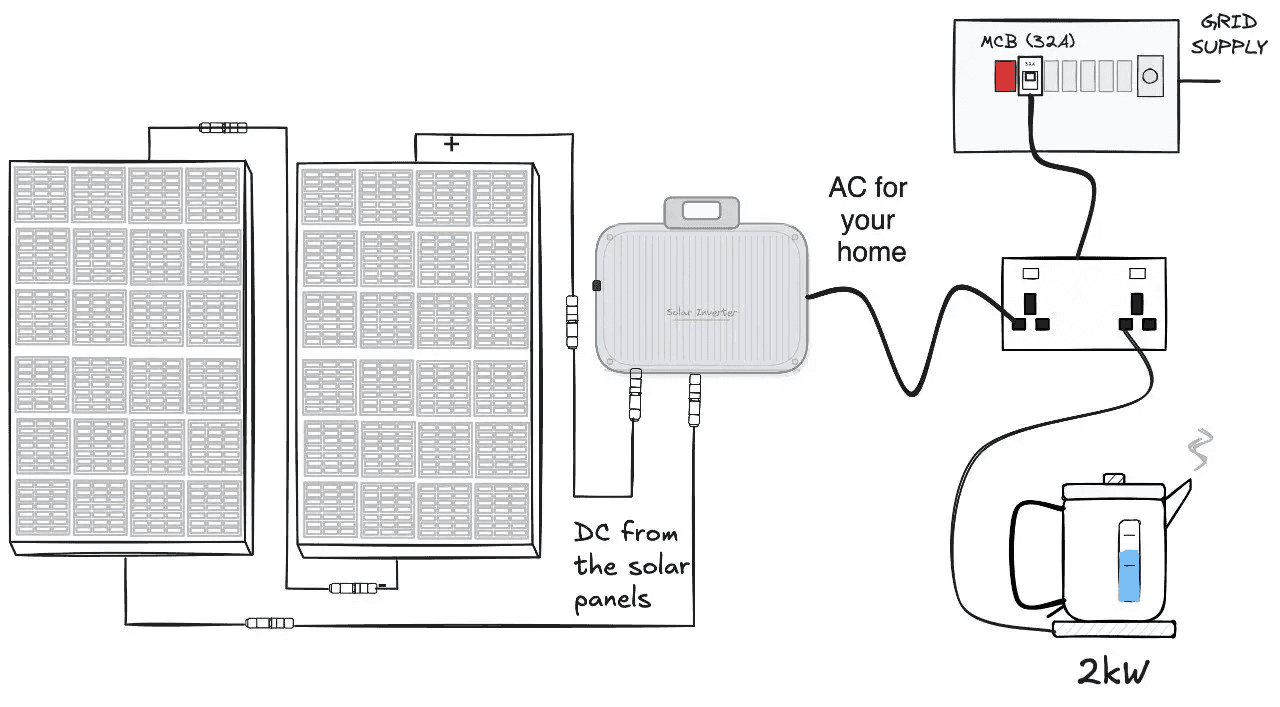
A plug-in solar system is a small-scale solar setup that connects directly to a standard wall outlet. It generates electricity through solar panels and feeds it into your home's power system, such as solar batteries for immediate use. These systems are simple to install and are often used in apartments or small homes. They provide an easy entry point into solar energy without complex wiring.
How do plug-in solar systems work?
A plug-in solar power system works by converting sunlight into electricity through solar panels. A microinverter then changes this power into a usable form for your home. The energy flows through the outlet into your home circuit, powering active devices first. This reduces the amount of electricity you need to draw from the grid.
Benefits of a plug-in solar system
A plug-in solar system offers a simple and practical way to start using solar energy without major changes to your home. It's designed for convenience, affordability, and flexibility, making it suitable for a wide range of users. Here are some key benefits.
Accessible for renters and apartment dwellers
These systems are ideal for people living in rented spaces or apartments where permanent installations are not possible. They can be easily set up on balconies or small outdoor areas. Since they are portable, you can also take them with you when you move. This makes solar energy more accessible to more households.
Immediate reduction in electricity bills
Once installed, the system starts generating power that can be used directly in your home. This reduces the amount of electricity you need from the grid. Over time, this leads to noticeable savings on your energy bills. Even small systems can make a difference in daily consumption.
Low upfront investment compared to rooftop solar
Compared to traditional rooftop solar systems, plug-in solar systems usually require a lower initial investment. They involve fewer components and a less complex setup than large rooftop installations, which helps keep overall costs more manageable. However, for safety and compliance reasons, installation should still be carried out by qualified professionals. This ensures the system is properly connected to your electrical network and operates safely over the long term.
When will plug-in solar systems be available in the UK?
In the UK, plug-in solar systems are also becoming more relevant as the government moves toward expanding access to small-scale renewable energy. According to an official energy security policy update, the UK plans to accelerate support for decentralized clean energy solutions, which is expected to include clearer regulatory pathways for technologies like plug-in solar systems. However, the exact implementation timeline has not yet been formally confirmed, with broader policy rollout still in development. You can review the official announcement here: Government to go further and faster in becoming energy secure.
How much do plug-in solar panels cost?
The cost of a plug-in solar system is one of its biggest advantages, especially compared to traditional rooftop solar setups. Prices vary depending on system size, components, and whether the package includes professional installation and additional equipment. Overall, these systems are designed to offer a more affordable entry point into solar energy without the higher expenses typically associated with large rooftop installations.
Average price ranges
A basic plug-and-play solar system typically starts from around £300–£500 for small kits (300W–800W) in the UK. More complete systems with better panels or smart features can range between £500–£1,000+, while premium kits with battery storage can go higher. Overall, these systems are far cheaper than traditional solar installations, which can cost several thousand pounds.
Cost per watt
The cost per watt for a plug-in solar power system generally ranges from £0.50 to £1.20 per watt, depending on quality and features. Smaller entry-level systems tend to be slightly more expensive per watt, while larger 800W kits offer better value. Systems are usually capped at around 800W in the UK, which also influences total pricing.
Additional cost of solar batteries
Solar batteries are an optional component that can increase the total cost of a plug-in solar system but also add flexibility. A battery allows excess electricity generated during the day to be stored and used later, such as in the evening or during periods of low sunlight. This can improve overall energy efficiency and reduce reliance on grid electricity.
In the UK, small battery units designed for plug-in solar systems typically cost between £600 and £1,800, depending on storage capacity and brand quality. Systems with built-in battery storage are usually priced higher than standard panel-only kits, but they provide greater control over when and how energy is used. While not always necessary for beginners, adding a battery can be a useful upgrade for households looking to maximize the benefits of their solar setup over time.
Who can get plug-in solar panels?
Plug-in solar panels are suitable for a wide range of users who want a simple and flexible way to use solar energy. In the UK, a plug-in solar system setup can make solar power more accessible to households that may not be able to install large rooftop systems. However, installation and connection should always be carried out by qualified professionals to ensure the system complies with local regulations and operates safely.
Suitable users
Renters, apartment dwellers, and small households are ideal users of a home solar plug-in system. These systems can be placed on balconies, patios, or small outdoor spaces without permanent changes. This makes them especially useful in urban environments.
Homeowners and small-scale users
Homeowners who want a simple and affordable way to reduce electricity use can benefit from these systems. They work well as a supplement to regular power rather than a full replacement. This makes them a practical option for everyday energy savings.
People with limited space
Those with limited outdoor space can still use plug-in systems effectively. Their compact and portable design allows flexible placement in areas with good sunlight. This makes solar energy more accessible in smaller homes.
Beginners exploring solar energy
A plug-and-play solar system is a great choice for beginners who want to try solar without a complicated setup. It helps users understand how solar energy works in real-life conditions. This makes it an easy starting point for adopting renewable energy.
How to set up a plug-in solar system?
Setting up a plug-in solar system is designed to be simpler than traditional rooftop solar installations. However, to ensure safety and compliance with electrical standards, the system should be installed and connected by qualified professionals. With proper planning and professional support, the setup process can be completed efficiently and without major disruption. The following steps outline how a typical installation process is carried out.
Choosing the right kit
Start by selecting a system that matches your energy needs and available space. Consider factors like panel capacity, efficiency, and whether you need battery storage. A good plug-and-play solar system should include all essential components for easy setup. Choosing the right kit ensures better performance and long-term value.
Placing and mounting the panels
Position the solar panels where they receive maximum sunlight, such as a balcony, garden, or rooftop. Make sure they are angled correctly to capture sunlight throughout the day. Secure mounting is important to keep the panels stable and safe. Proper placement directly affects how much energy your system can generate.
Plugging in and monitoring output
Once installed, connect the system to a standard outlet using the provided plug and cable. This allows the plug-in solar power system to start supplying electricity to your home immediately. You can monitor energy production through a connected app or display. Tracking output helps you understand performance and optimize usage.
Conclusion
A plug-in solar system is one of the simplest ways to start using renewable energy at home without complex installation or high upfront effort. It offers flexible and affordable entry into solar power, making it suitable for renters, small homes, and beginners. Before buying, it's important to consider system size, placement, and your daily energy needs to get the best results. Overall, this solution makes solar energy more accessible and convenient for everyday use.
FAQs
Does plug-in solar work?
Yes, plug-in solar systems do work and can effectively reduce your electricity usage. They generate power from sunlight and supply it directly to your home. While they don't replace full rooftop systems, they are useful for running everyday appliances. Performance depends on sunlight, placement, and system size.
Will a 400W solar panel run a fridge?
A 400W solar panel can help run a fridge, but not always continuously on its own. It depends on the fridge's energy consumption and sunlight availability. During peak hours, it may support or partially power the appliance. For reliable use, pairing it with a battery or larger system is recommended.
Can I buy a plug-in solar panel?
Yes, plug-in solar panels and complete plug-in solar systems are widely available for purchase. Most kits include solar panels, a microinverter, mounting components, and the necessary connection equipment. However, installation and electrical connection should be carried out by qualified professionals to ensure the system meets local safety standards and regulatory requirements. Availability is increasing in many regions as plug-in solar solutions become more widely adopted, offering households a practical way to begin using solar energy safely and in compliance with regulations.