How to Plan a Modern and Eco-Friendly Kitchen Renovation
If you want a kitchen that looks good, works efficiently, and is eco-friendly, a modern renovation can help you get there. Choosing new appliances, smart storage, and green technologies like solar batteries can lower your energy bills and make your kitchen more comfortable. This guide will help you plan your kitchen renovation, covering layout, lighting, materials, and energy-saving ideas. Keep reading to learn how to make smart choices that last.
When to consider a kitchen renovation
A kitchen can feel outdated for many reasons, like old appliances or a difficult layout. Noticing these signs early helps you make better decisions and avoid costly issues. Here are 5 main reasons to consider a budget kitchen renovation:
Outdated appliances
Old appliances can slow down cooking and use more electricity, raising your bills. Upgrading to modern, energy-efficient models helps everything run better, saves energy, and improves your kitchen's look. Even small updates can refresh your kitchen and make it more practical.
Poor energy efficiency
Leaky cabinets, poor lighting, and old fridges waste energy every day. Upgrading to LED lights, better insulation, or smart appliances can cut energy use and lower your bills. Improving your kitchen's efficiency is a great reason to renovate, as it saves money and supports a greener home.
Limited storage space
Crowded counters and full cupboards can make cooking stressful and messy. Adding pull-out drawers, corner units, or extra cabinets frees up space and makes everything easier to reach. Smart storage is important in home kitchen renovations because it improves function without high costs.
Worn-out surfaces
Scratched counters, chipped tiles, or faded cabinets can make a kitchen look old, even if it's clean. Replacing or resurfacing them with durable materials like quartz, laminate, or recycled options gives your kitchen a fresh, modern look. Updating surfaces is an easy way to renovate a kitchen without spending too much.
Changing lifestyle needs
Your kitchen might not fit your family's routines, meal habits, or social gatherings anymore. Changing the layout, adding an island, or creating multi-use spaces can make it more practical, enjoyable, and attractive. Planning for your lifestyle is key to making sure your kitchen works well for years to come.
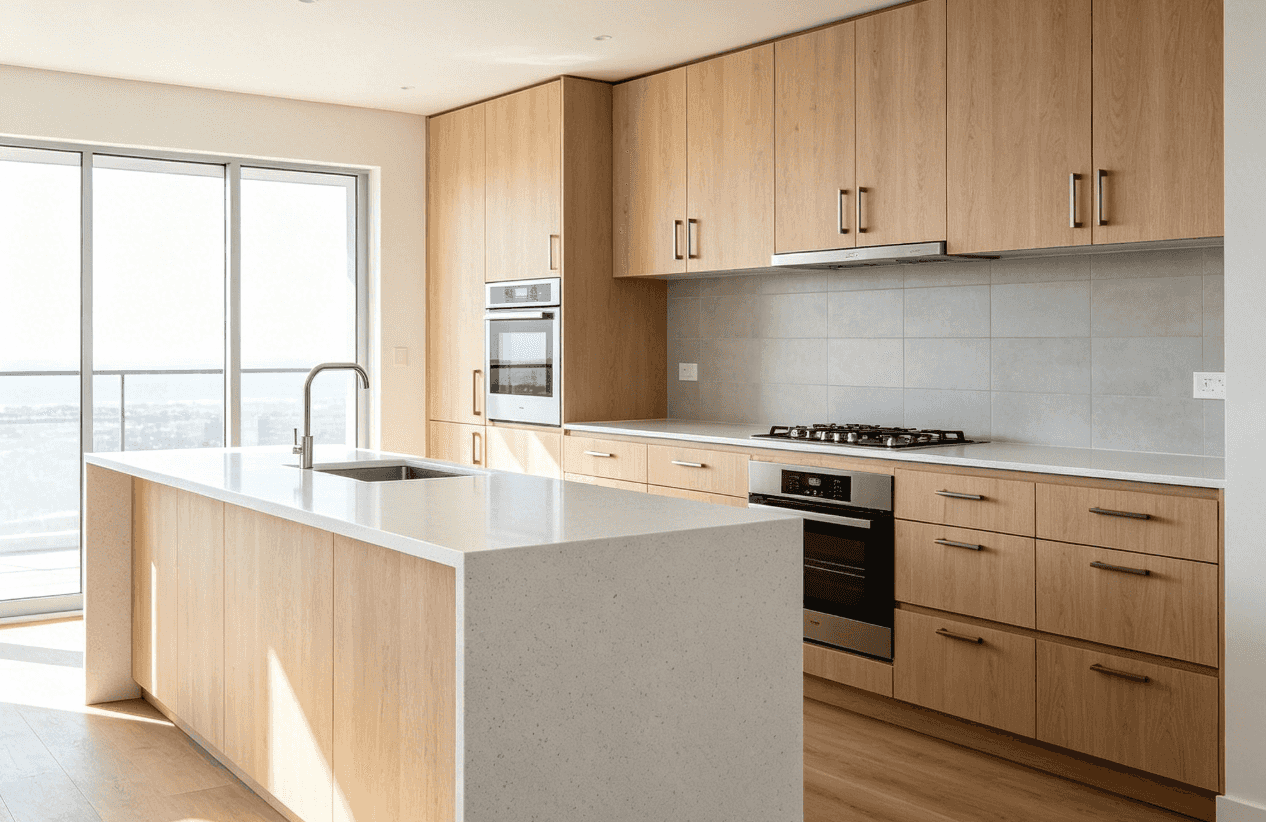
How to plan a kitchen renovation
Careful planning helps you stay on budget, save time, and create a kitchen that looks good and works well. A clear plan also helps you avoid mistakes and extra costs. Here's a simple step-by-step guide for renovating a kitchen in the UK:
Defining your budget range
Calculate total available funds for the project: Know exactly how much money you can spend before starting any work. This helps you make smart choices for materials, appliances, and labour without overspending or compromising quality.
Allocate budget to key categories: Divide funds into sections like Cabinets & storage, Countertops & surfaces, Appliances, Plumbing & electrical work, and Labor/contractors. Proper allocation ensures every part of your renovation gets enough attention, time, and quality.
Include a 10–15% contingency for unexpected costs: Renovations often have surprises, such as hidden plumbing issues or material delays. Setting aside extra funds prevents stress, avoids interruptions, and keeps your project fully on track.
Selecting a functional kitchen layout
Evaluate your kitchen space and measure dimensions accurately: Precise measurements help in choosing the right cabinets, counters, and appliances for your space efficiently. This step is essential for both small kitchen renovations and larger modern updates.
Plan the workflow based on the "work triangle" principle: Position the stove, sink, and refrigerator for smooth movement while cooking and preparing meals easily. A well-planned layout makes daily tasks faster, safer, and more efficient.
Optimize storage: Add pull-out drawers, pantry space, and cabinets to keep everything organised and easy to reach. Maximising storage is a key part of UK kitchen renovations that improves usability and reduces clutter significantly.
Ensure sufficient counter space and clear pathways: Counters should provide enough room for meal prep, and walkways should be wide for safe movement throughout. This step is crucial for comfort, convenience, and efficient daily cooking activities.
Setting a realistic timeline
List all renovation tasks in order: Organise work from demolition to plumbing/electrical, fixtures, and finishing touches properly. A clear sequence prevents overlap, confusion, and wasted time during your cheap kitchen renovation UK project.
Estimate time for each task (include buffer for delays): Always allow extra days for unexpected delays like delivery issues or bad weather conditions. This keeps your renovation schedule realistic, practical, and stress-free.
Schedule delivery dates for appliances and materials: Ordering in advance ensures items arrive on time and prevents project delays or waiting periods. Planning deliveries carefully is essential for a smooth, organised workflow.
Coordinate contractor availability and any required permits: Make sure professionals are available when needed, and all permits are approved before starting. This step avoids legal problems, scheduling conflicts, and ensures your renovation runs efficiently.
Plan smart and energy-efficient solutions
Upgrading your kitchen is not just about style; it's also about saving energy and using power more wisely. Planning energy-efficient solutions lowers your bills, supports sustainability, and keeps your kitchen running smoothly. EcoFlow home energy solutions, such as the STREAM Ultra X, can capture solar energy, store it intelligently, and supply stable power for your modern appliances and lighting. By integrating EcoFlow into your kitchen renovation, you can enjoy reliable, eco-friendly electricity, reduce reliance on the grid, and make your upgraded space both stylish and energy-efficient.
High-performance kitchen power: 450W Rigid Solar Panel + STREAM Ultra X
The 450W Rigid Solar Panel + STREAM Ultra X delivers efficient solar-powered energy for modern kitchens. With a 1200W AC output and up to 2300W supported device power, the system can handle daily kitchen essentials such as lighting, ventilation systems, and small cooking appliances.
Its expandable battery capacity from 3.84kWh to 23kWh ensures reliable energy coverage throughout the day and night. With up to 2000W solar input through 4 MPPTs and low-light optimisation, the system captures sunlight efficiently and maintains stable energy generation even under changing weather conditions.
Designed for long-term reliability, the system features a 15-year lifespan, supporting safe and consistent operation for everyday kitchen use. It also connects seamlessly with third-party smart devices using Tibber, Matter, and Shelly protocols, enabling flexible energy control.
Smart management features allow remote monitoring and scheduling through the EcoFlow app, helping keep your kitchen functional, cost-efficient, and sustainably powered—even during peak daily usage.
Single or stackable STREAM Ultra for everyday kitchen power
The EcoFlow STREAM Ultra is a smart and flexible way to power your renovated kitchen. It stores energy from solar panels or the grid, allowing you to run daily-use appliances such as fridges, microwaves, dishwashers, and lighting while helping reduce electricity costs.
With 1200W AC output per unit, a single EcoFlow STREAM Ultra can comfortably power essential bathroom appliances, allowing two devices to run independently for everyday use. When paired with another STREAM Ultra, the system can deliver up to 2300W AC output (on-grid), making it suitable for powering higher-demand appliances or running multiple bathroom systems at the same time.
The system intelligently prioritises stored energy and adjusts power delivery based on real-time usage, helping reduce waste and improve efficiency. It integrates seamlessly with EcoFlow's OASIS Home Energy Management System, enabling AI-driven optimisation, real-time monitoring, and improved energy self-consumption—so you can better understand your usage and get the most value from your energy system.
Finalize design and materials
Choose finishes: Select tiles, countertops, and cabinetry based on style, durability, and ease of maintenance. Picking the right materials ensures your kitchen project stays attractive and practical for years.
Confirm appliance sizes: Measure and check specifications to make sure appliances fit perfectly in your layout. This step is important for knowing kitchen renovation costs to avoid costly adjustments later.
Review layout, color scheme, and lighting: Make sure the final design ties together workflow, storage, and lighting efficiently. Planning these details carefully is essential when renovating a kitchen for both function and style.
How much does it cost to renovate a kitchen
When planning a renovation, it's important to know how much a kitchen renovation costs. Understanding expenses ahead of time helps you set a realistic budget and avoid surprises. Here's a look at average costs and what affects them:
Cost factor | What it includes | Price range (UK) | Tips |
Cabinets and countertops | Custom or modular cabinets, material choices (wood, MDF, laminate), stone or quartz countertops | £3,000 – £10,000 | Material and size heavily affect price; high-quality finishes last longer |
Appliances and fixtures | Oven, hob, refrigerator, dishwasher, sink, taps, lighting | £2,000 – £7,000 | Energy-efficient appliances can save money long-term; check sizes to fit layout |
Labour and installation costs | Carpenters, electricians, plumbers, tilers, decorators | £2,500 – £7,000 | Experienced professionals may cost more but ensure quality work; consider project complexity |
Hidden and unexpected expenses | Structural changes, plumbing/electrical upgrades, permits, design changes, delivery delays | £500 – £3,000+ | Always include a 10–15% contingency to cover unforeseen costs |
Top 5 kitchen renovation ideas
Renovating your kitchen is a great way to combine style, function, and efficiency. No matter the size of your space, creative ideas can make a big difference. Here are some of the best kitchen renovation ideas to inspire you:
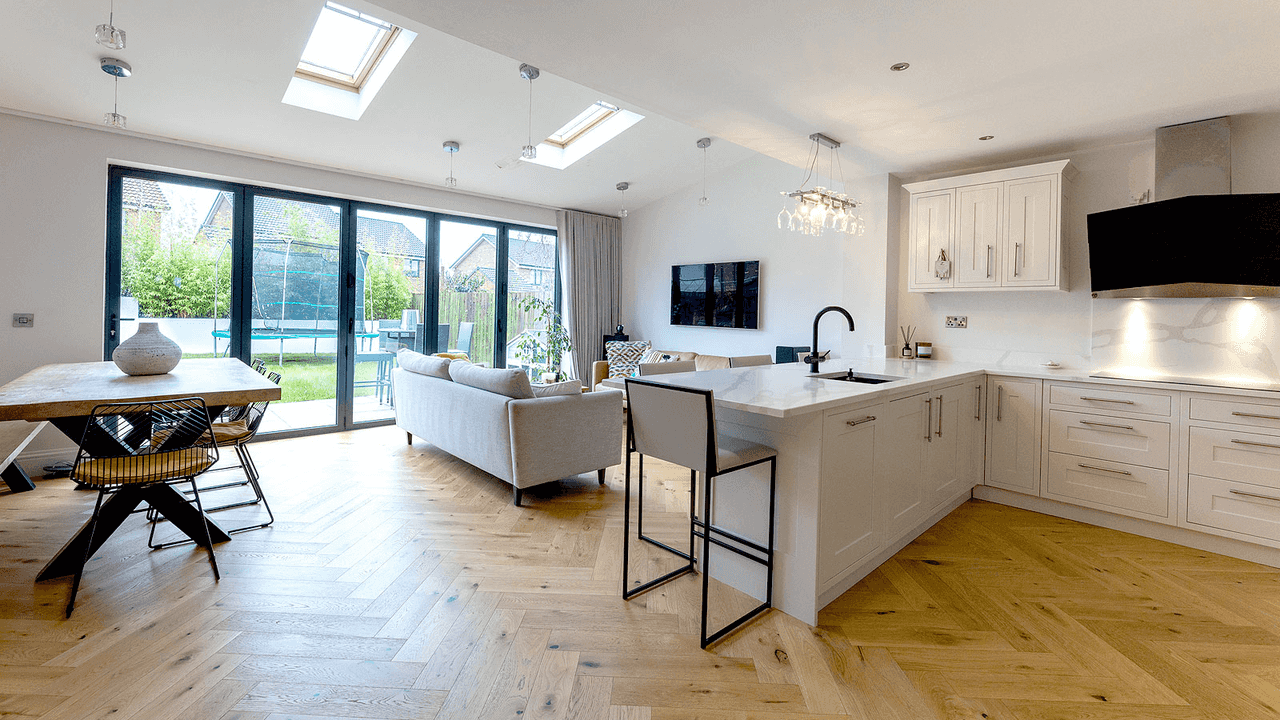
Open-plan layout
An open-plan layout removes walls or barriers to create a seamless flow between the kitchen and living areas. This design maximizes space, making your kitchen feel larger and brighter. It also encourages social interaction, allowing you to cook while entertaining guests. Open layouts work especially well in renovations where space is limited.
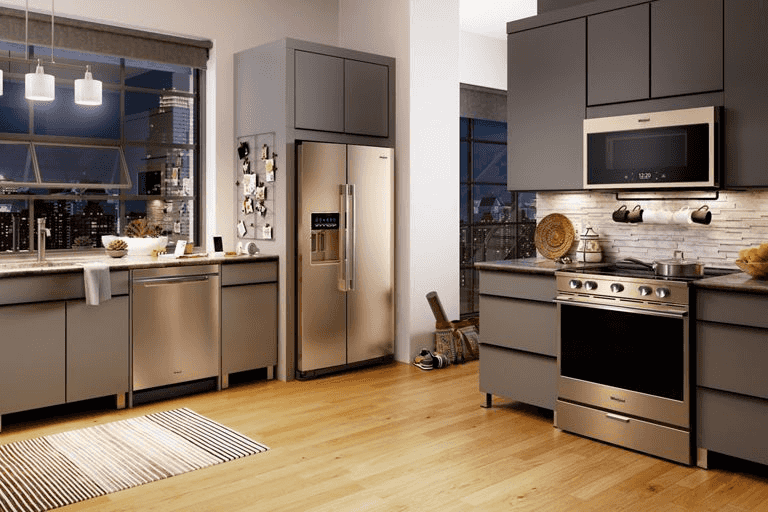
Smart appliances
Incorporating smart appliances like Wi-Fi-enabled ovens, refrigerators, and dishwashers improves convenience and energy efficiency. These devices can be controlled remotely, saving time and electricity. Smart appliances also offer advanced features like recipe guidance and usage monitoring. They are a key element when renovating for a modern, tech-friendly feel.
Eco-friendly lighting
Choosing energy-efficient LED lights and smart lighting systems lowers your electricity bills and reduces your environmental impact. Using layered lighting, task, ambient, and accent lighting improves both function and style. Motion sensors or dimmers can help save even more energy. Eco-friendly lighting is important for budget renovations focused on sustainability.
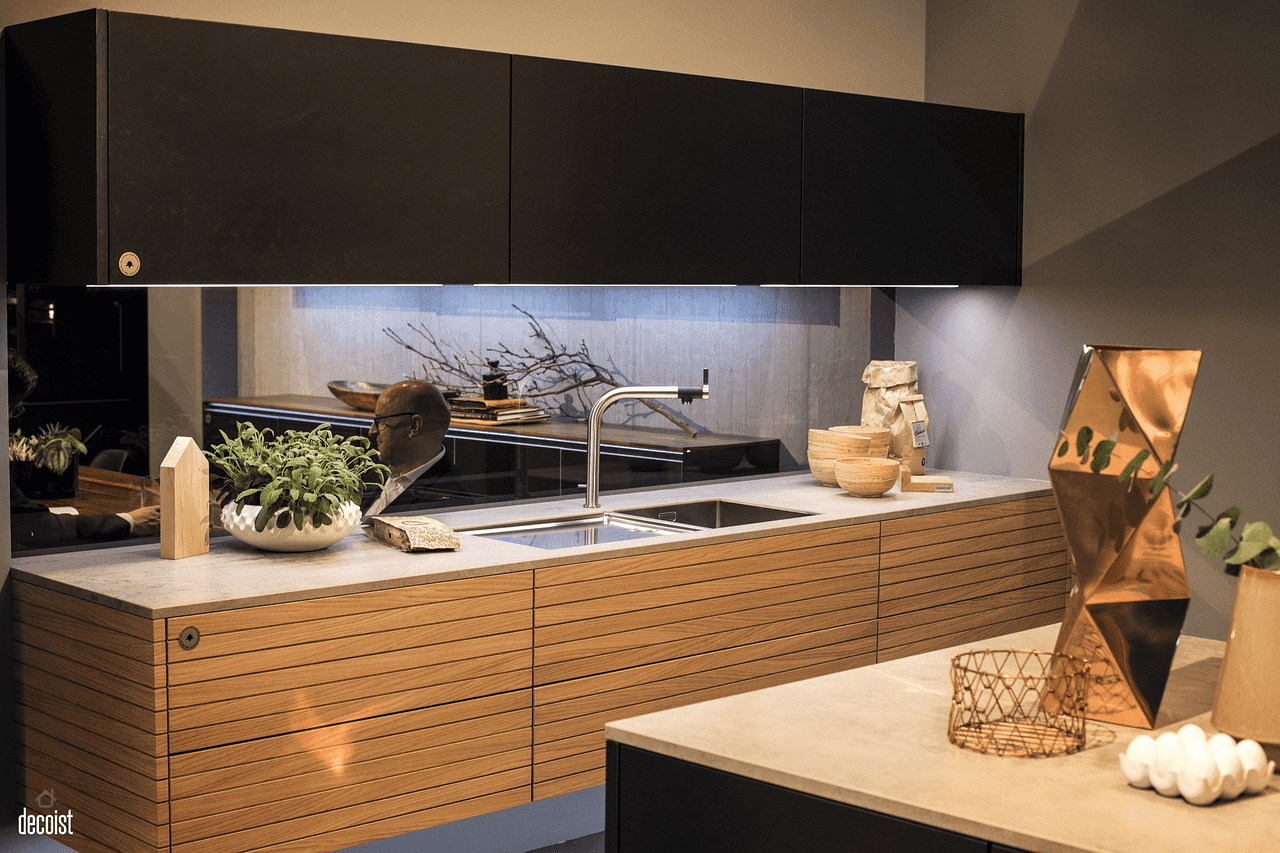
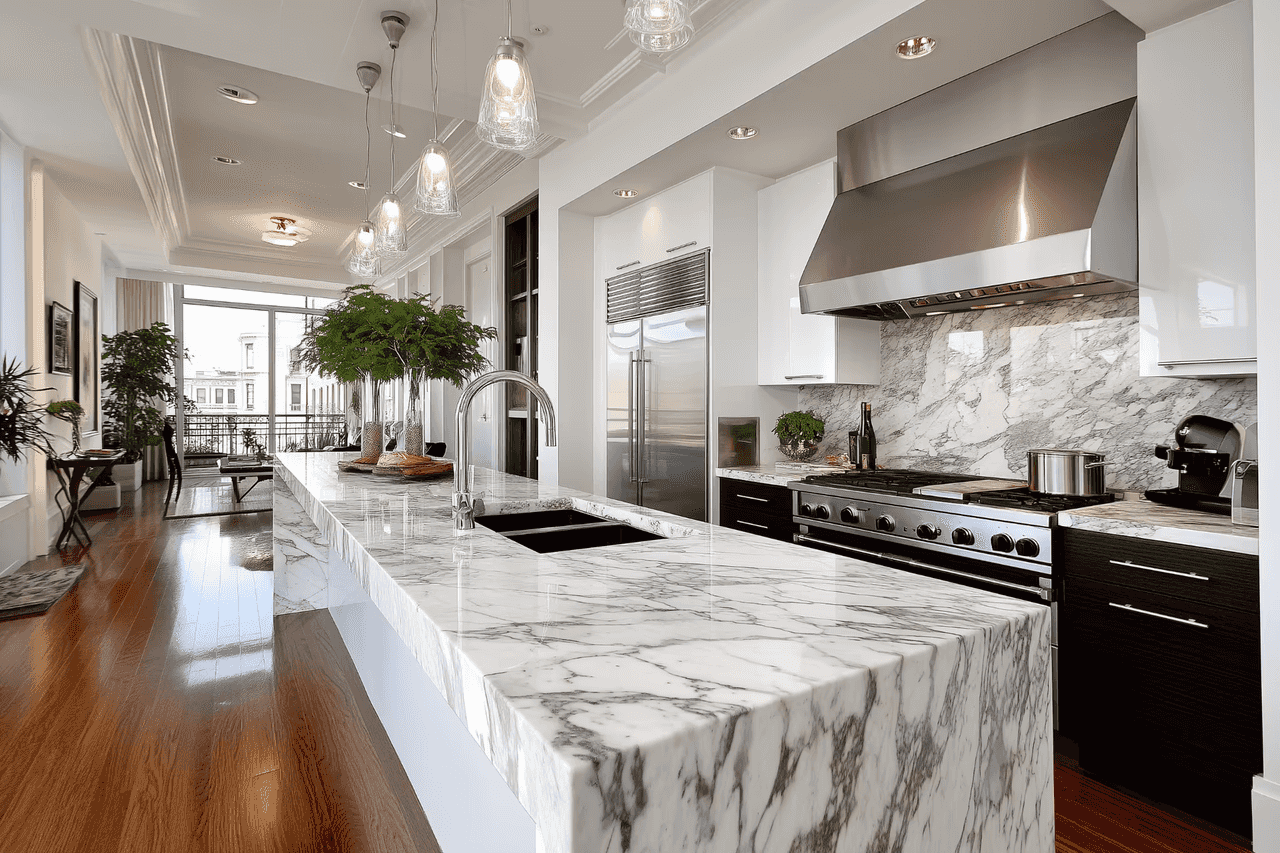
Stylish countertops
Countertops set the tone of your kitchen while providing durable work surfaces. Materials like quartz, granite, or recycled composites combine style and long-lasting performance. Colour and texture choices can complement cabinets and overall design. Stylish countertops make your kitchen project both practical and visually appealing.
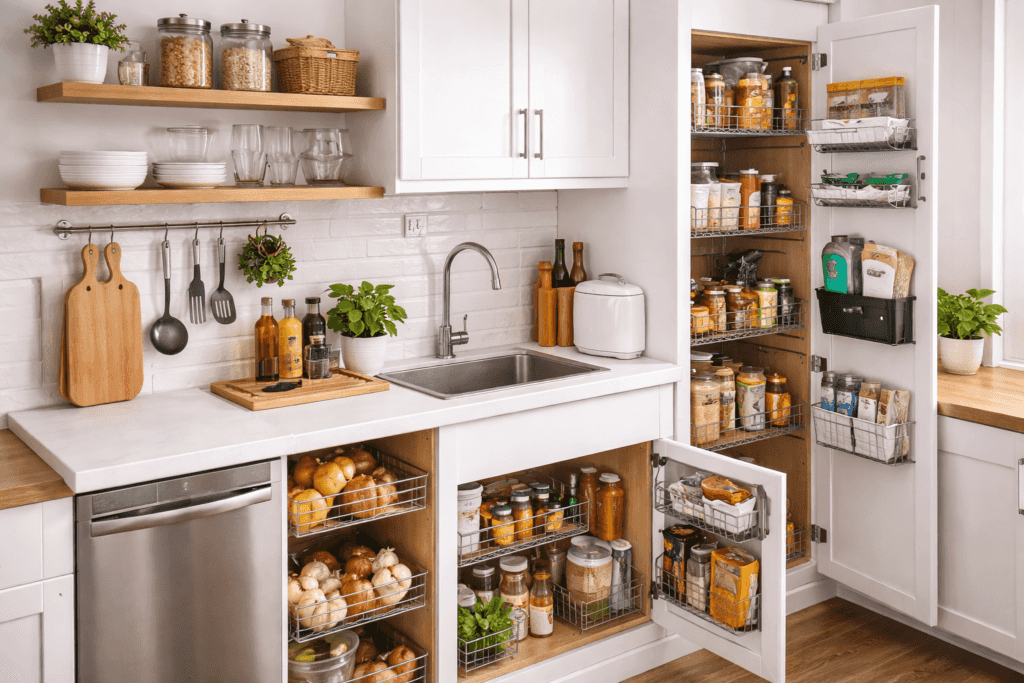
Functional storage solutions
Maximising storage keeps your kitchen organised and free of clutter. Pull-out drawers, pantry cabinets, corner carousels, and overhead racks help use space efficiently. Custom storage solutions make sure everything has a place, making cooking and cleaning easier. Good storage is essential for a comfortable, easy-to-use kitchen.
Step-by-step kitchen renovation process
A kitchen renovation works best with a clear, step-by-step plan. Following a set process saves time, avoids mistakes, and helps you create a kitchen that looks good and works well. Here's a simple guide to the renovation process:
Removing old structures and preparation
Start by carefully removing old cabinets, countertops, and appliances. Make sure the area is clean, safe, and ready for construction. Good preparation sets the stage for a smooth renovation and helps avoid delays or mistakes.
Installing plumbing and wiring
Update pipes, taps, and electrical wiring to support all your new appliances and fixtures. This makes sure your kitchen is safe, efficient, and fully functional. Planning plumbing and wiring well helps prevent costly problems later and keeps your renovation on track.
Fitting cabinets and appliances
Install cabinets, countertops, and appliances according to your final kitchen layout. Measure carefully to make sure everything fits and that there are no gaps. Good installation makes your kitchen efficient, long-lasting, and easy to use every day.
Final adjustments and finishing details
Complete the project with paint, backsplash, lighting, and all small fittings carefully. Check that doors, drawers, and appliances work properly and smoothly. Finishing touches make the kitchen stylish, fully functional, and ready for comfort, everyday use immediately.
Common kitchen renovation mistakes to avoid
Careful planning is the key to a successful kitchen renovation. Avoiding common mistakes saves time, money, and stress while making sure your space is both functional and stylish. Here are the main errors to watch out for to keep your renovation costs under control.
Ignoring the budget
If you don't know the average cost of a kitchen renovation, you might overspend or face project delays. Include all costs, from materials to labour, and add extra for unexpected expenses. Keeping track of your spending helps keep your renovation costs manageable.
Poor layout planning
A bad layout can make cooking and daily tasks inconvenient. Follow the "work triangle" principle and plan storage, counters, and appliance placement carefully. Proper renovation layout planning improves efficiency and comfort in daily use.
Skipping quality materials
Choosing cheap materials might save money at first, but can lead to damage and higher repair costs later. Invest in durable cabinets, countertops, and fixtures for long-term use. This helps keep your overall kitchen renovation costs under control.
Overlooking lighting needs
Insufficient or poorly planned lighting affects both style and usability significantly. Combine ambient, task, and accent lights for a balanced, functional kitchen space. Correct lighting enhances the overall success of your renovation project.
Neglecting ventilation
Poor ventilation can cause lingering smells, moisture, and even damage. Install a good range hood or extractor fan to keep the air fresh and clean. Good ventilation reduces future maintenance and keeps your kitchen running efficiently.
Conclusion
A great kitchen renovation starts with good planning, smart choices, and a focus on both style and function. By thinking ahead, you can create a kitchen that looks good and works well every day. Careful renovations make your kitchen more comfortable, efficient, and a favourite place in your home. Taking time to plan helps you stay on budget and meet your long-term needs.
If you want a more energy-efficient kitchen, EcoFlow products like the STREAM Ultra X are smart choices for solar-powered kitchens. These systems store solar energy, power modern appliances, and help lower your electricity bills while supporting a greener lifestyle. Adding them to your renovation brings both convenience and eco-friendliness.
FAQs
What is a good budget for a kitchen renovation?
A good budget depends on your kitchen size, materials, and appliances. In the UK, homeowners typically spend between £8,000 and £20,000 for a full renovation. Always include a 10–15% contingency for unexpected costs to avoid overspending.
What is the 3 kitchen rule?
The "3 kitchen rule" is based on the work triangle: stove, sink, and refrigerator. Positioning these three elements efficiently reduces unnecessary movement while cooking. Following this rule improves workflow, safety, and the overall convenience of your kitchen space.
What color kitchen is in for 2026?
Soft, earthy tones like sage green, warm beige, and muted terracotta are trending in 2026. These colours create a calm, modern, and eco-friendly kitchen vibe. They pair beautifully with natural materials and sustainable design choices for a fresh, inviting look.