Hybrid Working Explained: Benefits, Challenges, and Key Models
- What is hybrid working
- Types of hybrid working
- Benefits of hybrid working
- Challenges of hybrid working
- How to implement a successful hybrid working model
- How to set up an effective hybrid workspace
- Power and reliability in hybrid work environments
- Smart energy solutions for hybrid working
- Best practices for employees in hybrid working
- Best practices for employers
- Conclusion
- FAQs
Whether employees thrive in the office or at home, the rise of hybrid working is transforming the modern workplace. Flexibility is no longer a perk but an expectation, and businesses must find new ways to balance productivity, collaboration, and employee well-being. Reliable backup solutions like solar batteries are also becoming increasingly important, helping ensure uninterrupted work during power outages or unstable electricity conditions. This article dives into the trends, strategies, and real-world examples shaping this new era of work, showing how organizations can adapt and succeed.
What is hybrid working
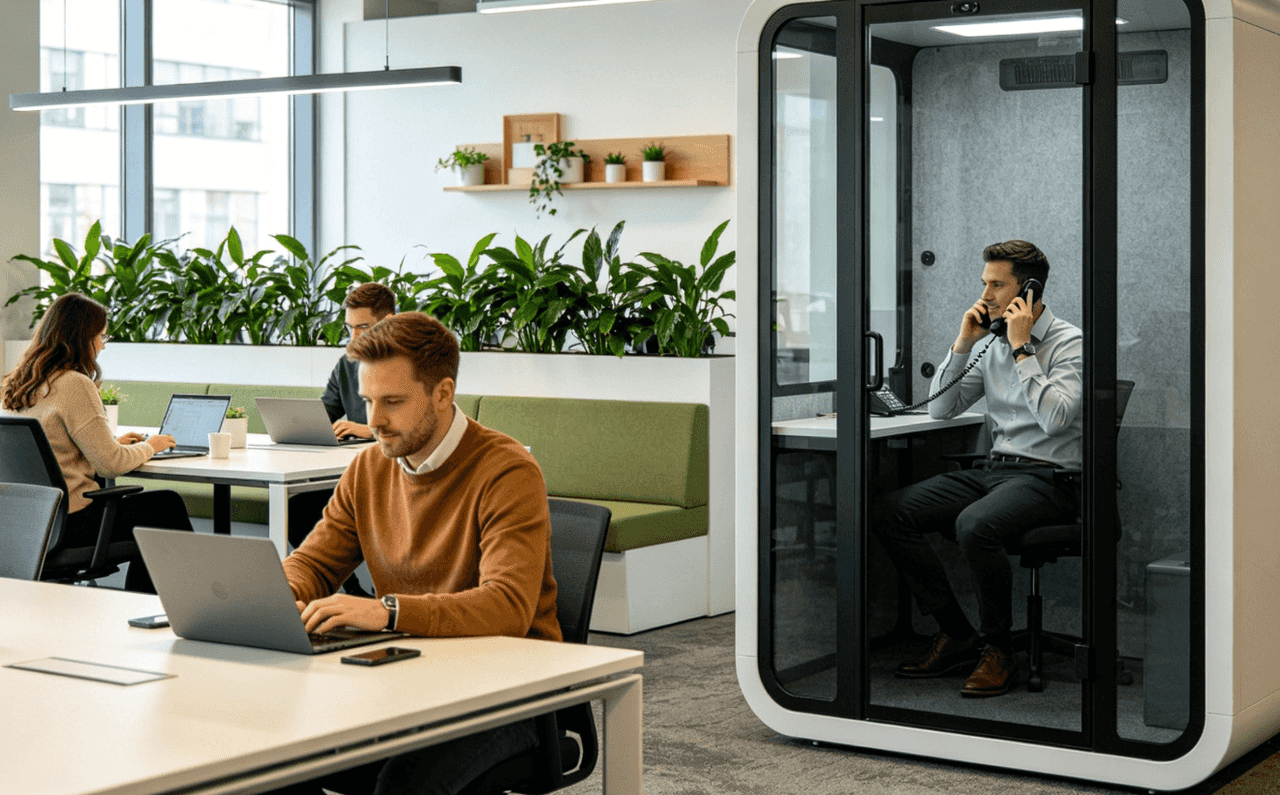
Hybrid working is a flexible work model where employees split their time between the office and remote locations. It combines the benefits of in-person collaboration with the convenience of working from home. This approach allows staff to choose the environment that suits their tasks best. Organizations adopt it to boost productivity, engagement, and work-life balance.
Types of hybrid working
Companies are trying out different ways to make hybrid working work for everyone. The best setup depends on the type of work, team needs, and office setup. Here are 4 common types of hybrid work that you can adjust to fit your workplace:
Shift-based hybrid work
With shift-based hybrid work, employees take turns working in the office and from home on a set schedule. This way, there are always enough people on-site, while others can work remotely. It balances business needs with staff flexibility and personal work-life balance effectively. For example, in a team of 20, 10 might be in the office and 10 at home, switching each week.
Voluntary hybrid work
Employees have the freedom to choose whether to work from home or the office based on their preference. This approach works best when tasks can be completed equally well in either environment. Employers should provide proper tools and occasional office days for collaboration. It encourages autonomy while maintaining team connection and productivity.
Office priority hybrid work
Here, the default is working in the office, with remote work allowed only on certain approved days. Employees can plan their home working days around a schedule that keeps enough people on-site. Remote days can also serve as a performance-based perk for staff members and improve overall satisfaction. This method secures smooth operations while offering limited flexibility and maintaining accountability.
Team split hybrid work
In team split hybrid work, only certain roles or teams can work remotely, based on what their jobs need. Employees who need to be on-site, like those who work with customers, stay in the office. Others, like analysts, can work from home. Companies need to decide which jobs fit remote work and may offer extra benefits to those who must stay on-site.
Benefits of hybrid working
Hybrid working in the UK brings big benefits for both staff and companies. Mixing remote and office work helps businesses become more flexible and efficient. Here are some main reasons why this model is becoming more popular:
Improved work-life balance
Hybrid work helps employees balance their personal and work lives more easily. Staff can handle home needs without losing productivity or work quality. This balance often means higher job satisfaction, less stress, and better well-being.
Increased productivity
When employees can choose where to work, they often focus better and get more done. Quiet home spaces help with concentration, while office days are good for teamwork and brainstorming. This setup usually leads to better performance and higher productivity.
Reduced commuting time and costs
Working from home part of the week means less time and money spent on commuting. Employees save on travel costs and have more free time for themselves or their families. This also helps lower stress, reduce tiredness, and shrink the carbon footprint.
Greater flexibility for employees
Employees frequently concentrate better and do more work when they have a choice in where they work. While office days are ideal for collaboration and creativity, quiet homes aid in focus. Higher productivity and improved performance are often the results of this configuration.
Challenges of hybrid working
Although the hybrid working model offers advantages and flexibility, it also presents several difficulties for employees and companies. To sustain productivity, engagement, and team cohesiveness, businesses must address these issues:
Communication and collaboration gaps
When certain members of a team work remotely for extended periods of time, it may be difficult for the team to keep in touch. Misunderstandings or delays may occur in the absence of clear communication channels and frequent updates. An effective policy promotes consistent communication and efficient cooperation.
Managing team productivity
Monitoring performance can be harder when staff split time between home and office locations regularly. Managers need proper tools and processes to track tasks effectively and fairly. Implementing hybrid work solutions helps maintain accountability and ensures organizational targets are consistently met.
Work-life boundary issues
Working from home may blur the line between personal and professional life significantly over time. Employees may find it hard to switch off completely, giving rise to stress and eventual burnout. A clear hybrid working policy sets expectations to protect work-life balance for all staff members.
Technology and connectivity challenges
Remote work relies on having good internet and the right software every day. Technical issues can slow down work and hurt efficiency if not fixed quickly. Investing in hybrid work tools makes sure everyone has what they need to work fluently from anywhere.

How to implement a successful hybrid working model
Setting up a hybrid working model takes good planning and clear strategies to help both staff and the company. A well-organized approach keeps productivity, teamwork, and engagement strong. Here are the main steps to make it work well:
Setting clear policies and expectations
Having rules, guidelines, and procedures helps staff understand when, where, and how to work effectively. Keeping expectations clear minimizes confusion, creates fairness across the team, and enhances accountability, productivity, and overall team performance consistently over time.
Using collaboration tools effectively
Messaging, file sharing, and project management tools can help keep remote and office teams connected. Knowing how to use these tools well helps workflow, reduces delays, and facilitates teamwork. Hybrid working is more manageable and smoother with the right tools.
Maintaining team communication
Regular updates, online meetings, and check-ins help connect remote and in-office staff. Keeping communication steady avoids misunderstandings and keeps everyone on track with tasks and goals. A good hybrid work setup encourages open talk, teamwork, and engagement.
Monitoring performance and outcomes
Keeping track of employee progress makes sure tasks get done on time and meet quality standards. Managers can use reports, feedback, and numbers to check how things are going. Monitoring is key for a hybrid work model that works well for everyone.
How to set up an effective hybrid workspace
Creating a well-designed hybrid workspace benefits both in-person and remote workers. Collaboration, comfort, and productivity are all increased in a well-designed setting. Businesses should make great efforts to design workspaces that are useful, adaptable, and friendly to everybody.
Home office essentials
Employees need a comfortable desk, chair, and proper lighting for effective remote work every day. Reliable internet, computer equipment, and essential tech tools are also critical. Setting up a functional hybrid workspace at home helps staff stay focused, productive, and motivated consistently.
Office collaboration spaces
Creating spaces for teamwork, brainstorming, and group talks encourages people to interact when they're in the office. Meeting rooms, breakout areas, and flexible seating help boost creativity and engagement. These spaces make the office part of a workspace more lively and collaborative.
Consistent technology across locations
Uniform software, devices, and fast connections can make the friction between home and office work environments melt away. Standardized tools allow for smooth communication, project management, task completion, and collaboration across all teams efficiently and reliably.
Power and reliability in hybrid work environments
In a hybrid workspace, reliable power is essential to ensure productivity. Power outages or fluctuations can halt tasks, delay projects, and add another layer of stress for remote employees. Ensuring that staff can work efficiently keeps your operations running smoothly.
Smart energy solutions for hybrid working
Reliable power is key for hybrid working, both at home and in the office. Smart energy solutions like EcoFlow help avoid disruptions and keep devices running well. Solar backup systems make sure remote workers always have the electricity they need. Here are some of the best options that you can consider.
EcoFlow STREAM Ultra X for remote work reliability
The STREAM Ultra X provides a reliable and scalable power solution for hybrid work setups, helping ensure laptops, monitors, routers, and other office devices stay powered without interruption. It reduces reliance on unstable grid electricity and supports more consistent productivity at home.
With an expandable capacity from 3.84kWh to 23kWh, the system can be scaled to match different workload needs, offering enough stored energy for both daytime work and evening use. This makes it suitable for flexible hybrid schedules that require continuous power availability.
Equipped with a 2000W solar input, 4 MPPT trackers, and low-light cell technology, it improves energy capture efficiency and generates power even in less ideal weather conditions, extending daily energy usage time.
For higher demands, it delivers a 2300W AC output, allowing multiple office devices to run at the same time without disruption. This supports smooth multitasking during calls, work sessions, and daily office tasks.
Built for long-term use, the system offers a 15-year lifespan and supports integration with smart home ecosystems via Tiber, Matter, and Shelly protocols, enabling easier and more efficient energy management in hybrid working environments.
EcoFlow STREAM Ultra+ AC Pro for continuous productivity
The STREAM Ultra + AC Pro delivers a flexible power system designed for hybrid working environments, keeping essential home office devices running smoothly while improving energy efficiency. During the day, excess solar energy is stored instead of being sent back to the grid, allowing users to make better use of self-generated power during peak electricity price periods. This helps reduce reliance on expensive grid electricity while supporting more cost-efficient daily work from home.
The STREAM Ultra provides 3.84kWh capacity with 1200W output, ensuring stable power for essential office equipment like laptops, routers, and monitors. When demand increases, stored energy can be used to maintain an uninterrupted workflow during peak hours.
The STREAM AC Pro expansion adds another 3.84kWh storage and up to 2300W output, enabling multiple devices or appliances to run simultaneously without grid dependency. This makes it suitable for more demanding hybrid work setups.
With flexible installation options and smart energy management, the system helps users optimize power usage across the home, supporting both productivity and long-term energy savings. By combining smart solar storage with intelligent energy management, the STREAM Ultra + AC Pro helps optimize daily energy use, reduce electricity costs, and deliver a more efficient and sustainable alternative to traditional power sources.
Best practices for employees in hybrid working
To do well in a hybrid workspace, employees need new ways to stay productive and balanced. They should manage their time, communicate clearly, and stay focused whether at home or in the office. Using these practices helps work go smoothly and builds stronger teams:
Time management and scheduling
Setting priorities and making clear daily plans helps employees balance home and office work. Using calendars, reminders, and task lists makes it easier to meet deadlines without stress. Good time management also helps avoid overworking and keeps productivity steady in a hybrid setup.
Staying connected with teams
Regular chats through video calls, messaging apps, and teamwork platforms help teams stay on the same page. Sharing updates and joining virtual meetings stops people from feeling isolated and makes sure everyone takes part. Staying connected builds trust, which is key for hybrid work.
Creating a productive home environment
Designing a dedicated workspace with minimal distractions helps sustain focus and motivation. Comfortable furniture, proper lighting, and organized tools make remote work more efficient. A well-set home office supports long-term productivity, making hybrid working both practical and sustainable.
Best practices for employers
Employers are important for making hybrid working a success by offering support, tools, and guidance. Clear rules, good technology, and a strong remote culture help teams stay productive and involved. Using best practices lets employees balance flexibility and performance.
Supporting flexible work policies
Allowing employees to choose when and where they work boosts satisfaction and reduces burnout. Clear guidelines help staff understand expectations while sustaining fairness. Supporting flexibility encourages loyalty and improves overall productivity in a hybrid working environment.
Investing in technology and tools
Providing reliable software, devices, and collaboration platforms secures smooth workflows and reduces downtime. Cloud-based tools and secure networks make remote work seamless and efficient. Investing in technology enables employees to stay connected and productive across all locations.
Building a strong remote culture
Encouraging transparent talk, recognition, and team bonding keeps employees engaged, even when working from home. Regular online meetings and social events build trust and teamwork. A strong remote culture helps everyone feel included and motivated in a hybrid setup.
Conclusion
Hybrid working is changing the way businesses and employees work, mixing flexibility with teamwork. Success depends on being adaptable, communicating clearly, and having a supportive culture. Companies that welcome these changes can improve engagement, productivity, and satisfaction. The goal is to build a balanced, lasting work environment for everyone.
Reliable power is essential for smooth hybrid working at home or in the office. EcoFlow products such as the STREAM Ultra X and STREAM Ultra offer steady backup power with solar support. These systems keep your devices running, avoid interruptions, and boost productivity. Adding them to your hybrid workspace helps work go on smoothly, whatever happens.
FAQs
What does hybrid working mean in the UK?
Hybrid working lets employees divide their time between the office and home, giving them more flexibility and helping them be more productive. Staff can pick the best place for each task and stay connected. It also improves work-life balance and teamwork.
Is 4 days a week hybrid?
A four-day work week can be hybrid if employees work both at home and in the office. This setup balances flexibility with teamwork. Staff can stay productive and still have personal time.
What is the 9 9 6 rule?
The 9 9 6 rule means working from 9 AM to 9 PM, six days a week, which often leads to burnout. Hybrid working gives more flexible hours and a healthier balance. Employees can work remotely when needed.