How to Get an Energy Performance Certificate for Your Home
Understanding how to get an energy performance certificate is essential for anyone buying, selling, or renting a home in the UK. An EPC shows how energy-efficient a property is and highlights ways to reduce energy use and costs. It is carried out by a qualified assessor who evaluates your home's energy performance, including heating systems, insulation, and any renewable energy solutions such as solar batteries that can improve overall efficiency. This guide will walk you through the simple steps to get one.
What is an energy performance certificate (EPC)?
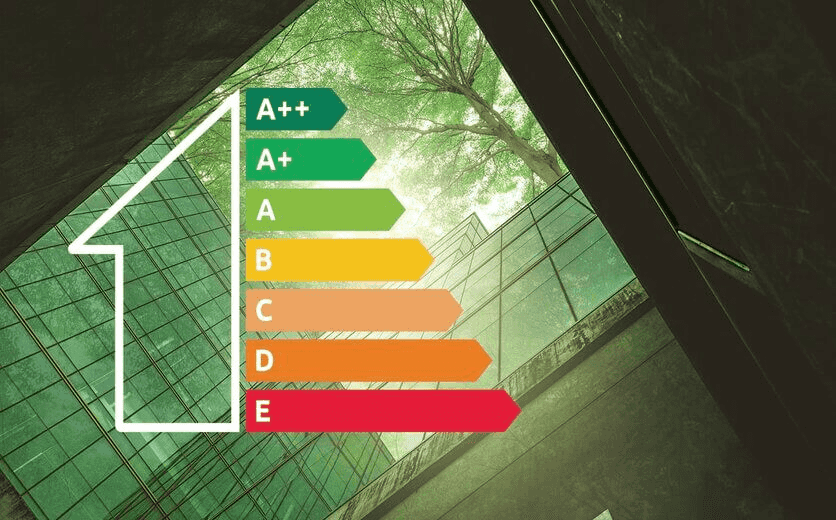
An Energy Performance Certificate (EPC) is an official document that shows how energy-efficient a property is. It rates a home from A (most efficient) to G (least efficient) based on factors like insulation, heating systems, and energy usage. The certificate also provides recommendations for improving energy efficiency and reducing energy bills. It is required when a property is built, sold, or rented in the UK.
When do you need an EPC in the UK?
An Energy Performance Certificate (EPC) is required in several key situations where a property is being sold, rented, or newly built. It helps buyers and tenants understand the energy efficiency of a home before making decisions. Below are the main situations where you need an EPC in the UK.
1. Selling a property
You need an EPC when selling a property in the UK, as it must be available to potential buyers. It provides important information about the home's energy efficiency and estimated running costs. Without a valid EPC, a property cannot legally be marketed for sale.
2. Renting a property
An EPC is also required when renting out a property to tenants. Landlords must provide a valid certificate before a tenancy agreement begins. It helps tenants understand energy costs and compare different properties effectively.
3. Building a new home
Newly built homes must have an EPC completed once construction is finished. This ensures the property meets energy efficiency standards and complies with UK building regulations. The certificate is usually issued before the home is officially occupied.
Who can issue an EPC?
An Energy Performance Certificate (EPC) can only be issued by a qualified and accredited domestic energy assessor. These professionals are trained and certified to evaluate a property's energy efficiency according to UK government standards. They inspect key areas such as insulation, heating systems, and overall energy use before producing the certificate. This ensures that every EPC is accurate, reliable, and legally valid.
How to get an energy performance certificate step by step
Getting an EPC is a simple process when you know the correct steps to follow. If you are wondering how to get an energy performance certificate, it is usually handled by an accredited assessor who evaluates your property and provides a report. Below are the key steps involved in the process.
Step 1: Find a qualified energy assessor
The first step is to hire an accredited domestic energy assessor who is registered to issue EPCs in the UK. You can find them through official EPC registers or trusted service providers. Only certified professionals can provide a valid certificate.
Step 2: Book an assessment
Once you choose an assessor, schedule a convenient time for the property inspection. The booking process is usually quick and can be done online or over the phone. Make sure to confirm all details before the visit.
Step 3: Prepare your property
Before the assessment, ensure your home is accessible so the assessor can check all required areas. Clear access to rooms, heating systems, and insulation points helps speed up the process. This ensures a smooth and accurate evaluation.
Step 4: Property inspection
During the visit, the assessor will inspect key features such as insulation, heating systems, windows, and lighting. They will collect data needed to calculate the energy efficiency rating. This step usually takes between 30 minutes and a few hours, depending on the property size.
Step 5: Receive your EPC report
After the inspection, the assessor will prepare your EPC report and assign an energy rating from A to G. The report will also include recommendations for improving efficiency. You will receive the certificate digitally or by email within a few days.
How to improve your EPC rating
Improving your Energy Performance Certificate (EPC) rating helps make your home more energy-efficient, reduces energy bills, and increases property value. If you are exploring how to get an energy performance certificate with a better rating, upgrading your home's energy systems is key. Below are some effective ways to improve your EPC score.
1. Use renewable energy solutions
Here are two smart renewable energy solutions that can help improve your home's energy efficiency and support a better EPC rating. Modern systems such as solar batteries allow households to store and reuse clean energy more effectively, reducing reliance on the grid. Portable and home energy systems from EcoFlow can also provide stable, efficient power support, helping optimize overall energy performance.
STREAM Ultra X – Smart solar-powered energy system for energy efficiency upgrades
The STREAM Ultra X is a smart renewable energy solution designed to improve home energy efficiency and support lower EPC ratings. It stores surplus solar energy during the day and uses it when needed, reducing reliance on the grid. With up to 1200W AC output, it can support essential household energy needs efficiently while reducing overall electricity consumption.
It supports up to 2000W solar input and uses four MPPT trackers with advanced low-light technology, allowing energy generation even in cloudy conditions. When paired with a 450W rigid solar panel, it enhances daily solar harvesting and improves overall energy savings. The system offers scalable capacity from 3.84kWh to 23kWh, making it suitable for both small and larger homes.
It also integrates with smart home systems through Tiber, Matter, and Shelly protocols, enabling efficient energy control and automation. With a 15-year lifespan, it provides long-term reliability and supports sustainable energy usage, which can positively impact your EPC rating.
STREAM Ultra – Hybrid solar storage system for home energy optimization
The EcoFlow STREAM Ultra is a hybrid solar energy storage system designed to reduce electricity consumption and improve overall home efficiency. It features up to 2,800W dual-mode solar input with 4 MPPT channels, allowing it to efficiently capture and store solar energy for use anytime, day or night.
Each unit delivers 1,200W AC output, with auto-boost up to 2,300W when paired, enabling it to support high-power household appliances without overloading circuits. Integrated with the EcoFlow OASIS Home Energy Management System, it provides AI-driven optimization, real-time monitoring, and improved solar self-consumption.
It also uses a 1.92kWh LFP battery system with a 6,000-cycle lifespan, ensuring long-term durability and stable energy output. As part of modern solar battery solutions, it helps users maximize renewable energy usage while reducing electricity costs and improving overall household energy performance.
2. Upgrade insulation
Improving insulation in walls, roofs, and floors helps reduce heat loss and keeps your home warmer for longer. Better insulation reduces the need for constant heating, which improves energy efficiency and lowers energy consumption. This directly contributes to a higher EPC rating.
3. Improve heating systems
Upgrading to modern, energy-efficient heating systems such as condensing boilers or heat pumps can significantly improve your EPC score. These systems use less energy while providing better temperature control. Efficient heating reduces overall energy waste in the home.
4. Install energy-efficient lighting
Switching to LED lighting is a simple but effective way to improve your EPC rating. LEDs consume less electricity and last much longer than traditional bulbs. This reduces energy usage and improves the overall efficiency rating of your home.
How much does an EPC cost in the UK?
In the UK, an Energy Performance Certificate (EPC) typically costs between £60 and £120 for most residential properties.
The exact price can vary depending on factors such as the size of the property, its location, and the assessor you choose. Smaller flats usually cost less, while larger or more complex homes may be priced higher. In some cases, urgent bookings can also increase the cost.
Since EPC prices are not fixed by the government, it's always a good idea to compare quotes from accredited energy assessors before booking.
How long does it take to get an EPC?
Getting an Energy Performance Certificate (EPC) is usually a quick process. The property assessment itself typically takes around 30 minutes to 2 hours, depending on the size and type of home. After the inspection, the assessor reviews the data and prepares the report. In most cases, you receive your EPC within 24 to 72 hours, although it can sometimes take up to a few days during busy periods.
Conclusion
Getting an Energy Performance Certificate (EPC) is a straightforward process that helps you understand how energy-efficient your home is and what improvements can be made. By following the right steps on how to get an energy performance certificate and making simple upgrades, you can improve your EPC rating, reduce energy costs, and increase your property's overall value.
For even better results, using smart renewable energy solutions from EcoFlow can help improve home efficiency and support long-term energy savings. It's a practical way to make your home more sustainable and future-ready.
FAQs
What happens if an electrician does not provide a certificate?
If an electrician does not provide the required electrical safety certificate, the work may be considered non-compliant with UK regulations. This can create legal issues, especially when selling or renting a property. It may also affect insurance coverage in case of electrical faults. Always ensure certified professionals complete and document the work properly.
Can you sell a house with no EPC?
No, you cannot legally sell a property in the UK without a valid Energy Performance Certificate (EPC). The EPC must be available before the property is marketed for sale. Without it, estate agents are not allowed to list the property. It is a mandatory requirement for all home sales.
How long does an EPC inspection take?
An EPC inspection usually takes between 30 minutes and 2 hours, depending on the size and type of the property. The assessor checks insulation, heating systems, windows, and other energy-related features. Larger or more complex homes may take longer to assess. The process is generally quick and non-intrusive.
What will fail an EPC?
An EPC cannot technically be "failed," but a property can receive a low rating (F or G). Poor insulation, outdated heating systems, and inefficient windows often contribute to low scores. These issues indicate high energy usage and poor efficiency. Improving these areas can help achieve a better rating over time.