What Are Energy Management Systems (EMS)? | Guide & Benefits
Energy Management Systems (EMS) are smart systems that monitor and control how electricity is used in a home or building. They collect real-time data from meters, appliances, and energy sources (such as solar and batteries), then analyse it to optimise when and how power is consumed.
In practice, an EMS can automate energy decisions. For example, shifting usage to cheaper tariff periods, prioritising essential loads, or using stored/solar energy first, so you reduce waste, lower bills, and improve efficiency without sacrificing comfort or control.
Energy Management Strategies
To manage energy more effectively, households and businesses rely on practical strategies that balance usage, cost, and efficiency. Here are key energy management strategies that make a real difference:
Monitor and analyze energy use
Tracking daily and monthly consumption helps identify waste and high-usage patterns. With clear insights, users can make informed decisions to reduce unnecessary energy use. This forms the foundation of effective energy management.
Shift usage to off-peak hours
Running appliances during off-peak times lowers electricity costs instantly. This strategy is especially effective for heating, EV charging, and laundry. Over time, it leads to consistent bill reductions.
Improve energy efficiency
Upgrading to energy-efficient appliances and lighting reduces power demand without affecting comfort. Small changes, such as better insulation, also help retain energy. These improvements deliver long-term savings.
Integrate renewable energy
Using solar or other renewable energy reduces reliance on the grid. Self-generated power lowers energy bills and cuts carbon emissions. When paired with storage, it ensures energy availability throughout the day.
Automate with smart systems
Smart controls and energy management systems adjust usage based on demand and pricing. Automation removes guesswork and optimizes energy use in real time. This strategy maximizes efficiency with minimal effort.
Why do we need Energy Management Systems?
As energy prices continue to rise and consumption patterns become more complex, managing electricity wisely is no longer optional for households and businesses. Here is why smart energy management systems matter today:
Rising electricity costs and peak demand are reducing reliance on the grid
Electricity prices fluctuate throughout the day, with peak hours costing significantly more. Energy Management Systems help shift usage away from high-cost periods and prioritize cheaper or self-generated power. By reducing dependence on the grid during peak demand, users can protect themselves from bill spikes. This approach also improves energy stability during periods of high national demand.
Improving energy efficiency and sustainability
Energy Management Systems identify waste and optimize energy use across appliances and systems. They ensure electricity is used only when and where needed, improving overall efficiency. By integrating renewable energy and storage, EMS supports lower carbon emissions and more sustainable living. Over time, this reduces environmental impact and delivers long-term cost savings.
Key components of a Home Energy Management System (HEMS)
A Home Energy Management System (HEMS) combines hardware and software to give homeowners full visibility and control over their energy use. Below are the key components that make a smart home energy management system effective:
Energy monitoring devices, smart meters, and gateways
Energy monitoring devices track real-time electricity consumption across the home. Smart meters record detailed usage data, while gateways collect and securely transmit it. Together, they provide accurate insights into when and where energy is being used. This data forms the foundation for smarter energy decisions.
Software dashboards and analytics; energy storage integration
Software dashboards turn raw energy data into easy-to-understand charts and reports. Analytics tools highlight usage patterns, inefficiencies, and potential savings. When integrated with energy storage systems, the software decides when to store energy and when to use it. This ensures electricity is used at the most cost-effective times.
Smart appliances and automated control
Smart appliances connect directly to the HEMS and respond to automated commands. The system can schedule or adjust appliance operation based on tariffs, demand, or available energy. Automation reduces manual effort while improving efficiency. This leads to lower energy bills without sacrificing convenience.
How to implement an Energy Management System at home
Bringing an Energy Management System into your home is a practical process when done step by step, starting with understanding your energy habits and ending with the right technology setup. Here's how to approach it effectively:
1. Assessing household energy needs
Start by reviewing your electricity bills to understand daily, monthly, and seasonal usage patterns. Identify high-consumption appliances such as heating systems, ovens, or EV chargers. This assessment helps determine whether your priority is bill reduction, energy independence, or peak-time control. Knowing your usage profile ensures the EMS is tailored to real needs, not assumptions.
2. Choosing the right system
Select an EMS that matches your household size, energy demand, and future plans. Look for systems that support real-time monitoring, automation, and compatibility with renewable energy. Scalability is important, especially if you plan to add solar panels or storage later. A flexible system avoids costly upgrades later.
3. Setting up EMS with solar and storage solutions
Pairing an EMS with solar and energy storage unlocks the highest level of control and savings. These setups allow you to store low-cost or self-generated electricity and use it during peak-price hours, maximizing efficiency.
Solutions for solar-equipped homes: STREAM Ultra + AC Pro
Tailored for homes with existing solar panels, the STREAM Ultra + AC Pro bundle delivers reliable, flexible, and efficient energy storage and management. At its heart is the all-in-one STREAM Ultra, which features a built-in inverter that enables seamless connection to both solar panels and the home grid. Complemented by the supplementary AC Pro battery, the bundle offers a total storage capacity of 3.84 kWh and a 2,300W output, ensuring that essential household appliances (such as refrigerators, lights, and small electronics) remain reliably powered, even during grid outages or peak-demand periods.
But one of the main features that impresses about this bundle is flexible placement: while most batteries have to be stacked, you can install up to six units in the places that work best around your home, whether that is the garage, utility room, or living space. That means it's customised to fit your home's architecture and energy requirements, freeing you for more tasks with the assurance that your key appliances are reliably powered.
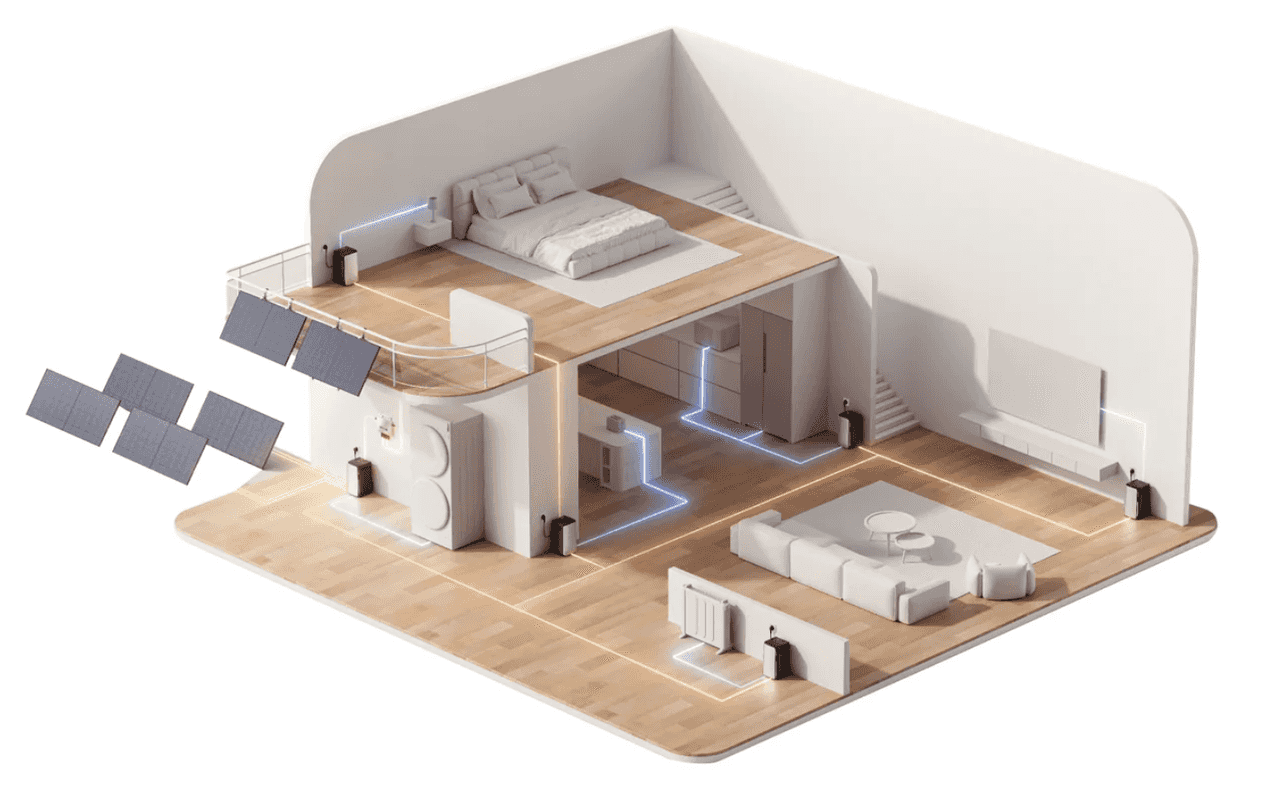
What really sets this bundle apart is its seamless connection with EcoFlow's OASIS Home Energy Management System. Using smart AI, it keeps an eye on your electricity costs, solar production, and home energy use. The system automatically charges the batteries when energy is cheapest or when there's extra solar power, and uses that stored energy during peak hours. This not only helps you save on electricity bills but also reduces dependence on the grid, giving you more control and bringing your home closer to energy independence.
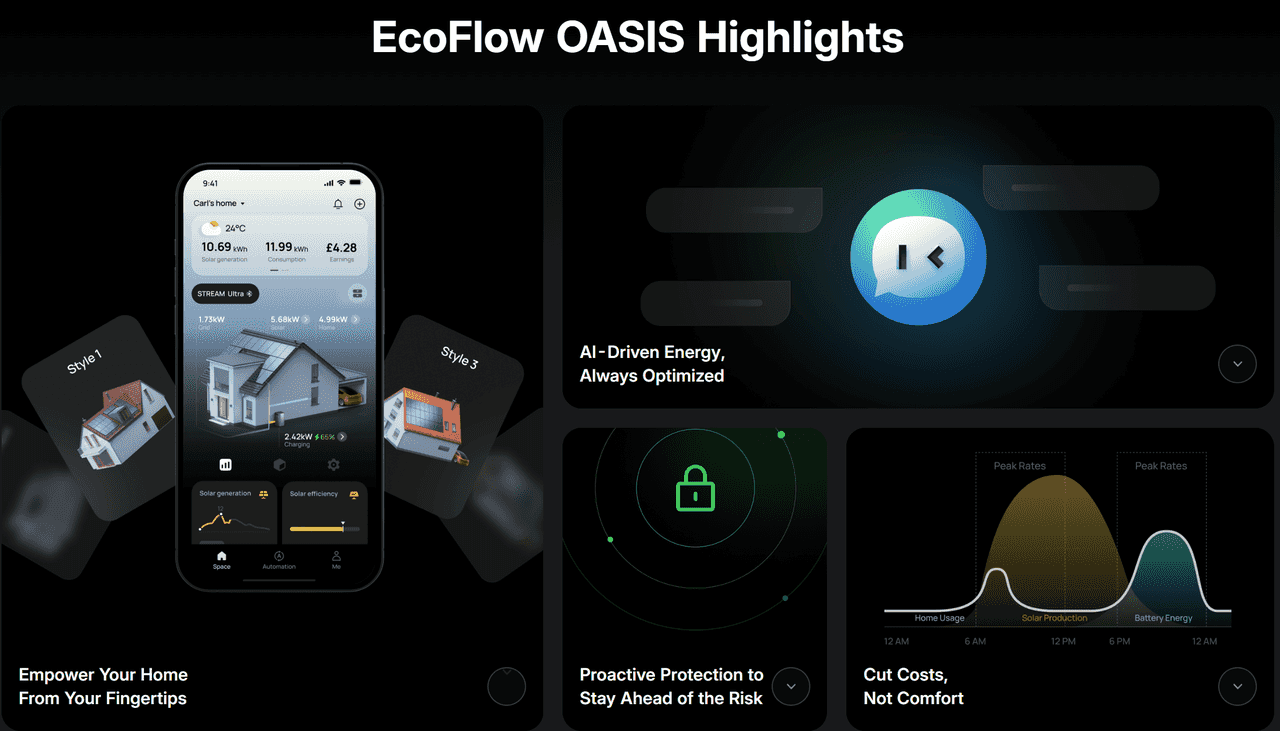
High energy consumption homes: 450W Rigid Solar Panel + STREAM Ultra + AC Pro
For households with high energy demands, the 450W Rigid Solar Panel + STREAM AC Pro + STREAM Ultra setup provides a complete solar generation and storage solution—with a clear focus on the core need of energy storage. This bundle boasts a combined energy storage capacity of 3.84 kWh, allowing it to efficiently capture solar energy, store it across its integrated units, and then intelligently power high-demand appliances while reducing reliance on the grid during peak hours.
In addition to its practical storage capacity, the setup delivers a combined output of up to 2,300 W, which is more than sufficient to efficiently run a wide range of large household devices. These include daily essentials such as washing machines, dishwashers, ovens, microwaves, and refrigerators, as well as energy-intensive items like space heaters and full home office setups.
Among this setup, we recommend using the EcoFlow 450W Rigid Solar Panel included in the combination. Compared with traditional solar panels, it delivers higher power output per unit area, generating more electricity (23 % conversion efficiency) even in limited installation space. Its durable, weather-resistant design ensures stable performance in changing outdoor conditions. When paired with the STREAM Ultra and AC Pro, it charges the batteries more efficiently, improves solar energy utilisation, and increases self-consumption—helping households reduce grid dependence and save more on electricity costs over time.
How Energy Management Systems benefit modern homes
Modern homes face rising energy costs and increasingly complex electricity demands, making smart energy management essential. Here is how Energy Management Systems (EMS) can transform household energy use:
Lower electricity bills and peak-demand savings; increased energy efficiency and sustainability
EMS helps households shift electricity use to off-peak hours, store self-generated or low-cost energy, and reduce reliance on the grid during peak periods. This not only lowers bills but also improves energy efficiency, supports the integration of renewable energy, and contributes to more sustainable living.
Greater control over energy use and appliance management
With EMS, homeowners can monitor consumption in real time and remotely control smart appliances. Automated scheduling and energy prioritization ensure electricity is used at the lowest cost and most efficiently, giving families full control over how and when devices operate.
Improved resilience during power outages
EMS integrated with energy storage systems can supply critical power during grid failures. By storing electricity in advance, households can keep essential appliances running and maintain comfort and safety, even during unexpected blackouts.
Best practices for maximizing EMS efficiency
To get the most out of the best home energy management systems, following a few practical strategies can significantly boost efficiency, savings, and reliability.
Regularly monitor and analyze energy usage patterns
Track your household's electricity consumption through the EMS dashboard to identify high-usage periods and appliances. Understanding these patterns helps optimize energy use, reduce waste, and make informed decisions about shifting loads to periods with lower costs or renewable energy.
Combine EMS with renewable energy sources when possible
Integrating solar panels or other renewable energy systems with your EMS enables you to store energy generated on-site for later use. This reduces grid reliance, lowers bills, and maximizes the benefits of renewable energy, ensuring clean and cost-effective electricity throughout the day.
Set up automated schedules for high-energy appliances
Use the EMS to schedule washing machines, dishwashers, or EV chargers during off-peak hours or when solar energy is abundant. Automated timing ensures appliances operate efficiently, taking advantage of lower rates or self-generated power without manual intervention.
Ensure periodic maintenance and software updates
Regularly maintain your EMS hardware and keep the software up to date to ensure accurate monitoring, smooth operation, and access to the latest energy-saving features. Well-maintained systems are more reliable, safer, and deliver consistent long-term performance.
Conclusion
To summarize, a home energy management system helps households lower bills, manage appliances efficiently, and boost energy sustainability. Integrating EMS with renewable energy and storage allows maximum use of self-generated power. Products like EcoFlow STREAM series provide reliable storage, high output, and smart energy control. With regular monitoring and automated schedules, homes stay efficient and resilient during outages. Overall, a home energy management system with EcoFlow solutions ensures cost-effective, sustainable, and uninterrupted energy use.
FAQS
What are examples of energy management systems?
Energy management systems (EMS) include smart solutions like EcoFlow STREAM Ultra, STREAM AC Pro, and other home energy platforms that monitor, store, and control electricity usage. These systems integrate with solar panels, batteries, and connected appliances to optimize energy flow, improve efficiency, and reduce household electricity costs.
What are 5 strategies for energy management?
Key strategies for energy management include monitoring and analyzing energy usage, scheduling high-energy appliances during off-peak hours, integrating renewable energy and storage, maintaining and updating EMS software, and using automated controls for efficient appliance operation. Together, these approaches help households save money and reduce reliance on the grid.
What is renewable energy management?
Renewable energy management is the practice of optimizing the capture, storage, and use of renewable energy sources such as solar or wind. By combining systems like solar panels with energy storage and smart controllers, households can maximize self-consumption, reduce reliance on the grid, and achieve cost savings while supporting sustainability.