Best Electric Camping Kettle for Outdoor Trips and Campsites in 2026
- What Is an Electric Camping Kettle?
- Common types of camping kettles available in the UK
- How to Choose the Best Electric Camping Kettle
- Common Problems Campers Face with Electric Kettles
- What Appliances Can Be Used Alongside an Electric Camping Kettle?
- Camping electric kettle and toaster setups
- Charging phones, lights, and portable devices
- Small cooking appliances for outdoor trips
- Portable Power Solutions for Camping Appliances
- EcoFlow DELTA 3 Max for higher-power campsite cooking setups
- Building a safer and more efficient campsite kitchen setup
- Tips for Using Electric Camping Kettles Safely
- Conclusion
- FAQs
Cooking methods like hot drinks, instant meals and basic camp cooking are now part of the modern outdoor travel. Therefore, selecting the best electric camping kettle for a camping trip is gaining significance for those who require convenience without the heavy burden of bulky cooking gear. By understanding the operation of the camping kettle and its impact on electricity consumption, one can enhance the camping experience and make it more enjoyable outdoors.
What Is an Electric Camping Kettle?
A camping kettle is engineered to boil water in an outdoor setting where space, portability, and energy supplies are important factors to consider, and may differ from those found in a home. Camping electric kettles are typically smaller, more portable and designed for temporary power sources that are often used during camping trips.
These days, many people who enjoy the outdoors make use of electric kettles for more than just brewing a cup of tea or coffee; they can be used to cooking rapid breakfasts, instant meals, and hot beverages when it gets cold at night. Campsite kitchens are becoming more comfortable and flexible, and electric kettles are increasingly popular among outdoor travelers in the UK. You also need to have a portable energy solution to power your electric kettle as well as other campsite kitchen appliances.
How camping electric kettles differ from household kettles
Camping electric kettles are designed in a different way from the regular kitchen kettles, but they serve the same purpose. Camping models generally focus on portability and lower energy needs, as electricity is likely to be limited and packing will be more compact when travelling outdoors.
Common differences include:
Larger capacity for ease in carrying
lighter overall weight
lower power consumption options
compact storage design
ease of use for temporary outdoor installations
Several campers prefer to use specialised models with lower wattage that work better in campsites where electricity is limited.
Why electric camping kettles are popular for outdoor travel
The popularity of the electric kettle for camping has grown due to the fact that a lot of people travelling want even more convenience and do not intend to include complicated cooking equipment in their journey. Cooking water on the stove can help to get your day started outdoors with less hassle, and can aid in preparing quick meals during the journey.
Electric kettles are a popular camp item for:
Making tea/coffee
Making instant noodles and meals
cooking breakfast at outdoor locations
Less preparation time for cooking
A small electric kettle may be a convenient option for shorter camping excursions, allowing campsite equipment to be small and easy to carry.
Common types of camping kettles available in the UK
Based on travel style, campground amenities, and the availability of electricity, there are several types of electric camping kettle UK travellers are likely to select.
Popular options include:
standard plug-in electric camping kettles
foldable travel kettles that are compact and portable.
12V electric camping kettle models for vehicle use
low-wattage camping kettles
multi-purpose travel kettle systems:
When buying portable products like Argos electric camping kettle models, some campers also contrast the products.
But it's not just a matter of size or appearance when picking a kettle. When selecting equipment that is reliable outdoors, there are several factors to consider, including power requirements, wattage, portability, and the ability to function in campsites.
How to Choose the Best Electric Camping Kettle
When selecting the best kettle for outdoor purposes, it is not only about the smallest, cheapest and best for the lowest price. Good kettles for home use might not necessarily be compatible with campsites, caravans or off-grid locations, where access to electricity and the compatibility of equipment used can be quite different.
The power wattage, usage frequency, and other appliance usage in the camp should be taken into account when choosing the best camping electric kettle. By considering the watt load, the portability, safety, and capacity, you can build a more functional campsite.
Understanding kettle wattage and power requirements
An essential requirement for the selection of an electric camping kettle is in how much it consumes power. The first is that the wattage has a direct impact on how quickly the water boils and how much power it consumes, making this more significant when traveling outdoors where electricity may be scarce.
Kettles with higher wattage will heat water more quickly but may put a strain on campsite hookups and portable electricity. Lower watts may have longer boil times, but can offer greater flexibility in power-limited situations. Kettle wattage is important for people who travel outdoors, as they don't want to buy a kettle that might not work well in their campsite or with other equipment.
Choosing a camping kettle electric low wattage model
If energy efficiency and portability are a priority, a camping kettle electric low wattage might be a practical choice for the camper. Low-wattage kettles are created to minimize electrical consumption without sacrificing quality and performance for tea or coffee or for quick outdoor cooking for simple meals.
These models are particularly useful for:
campsites where only limited electric power is available
micro-vehicles such as caravans and campervans.
short outdoor stays
multi-appliance camping setups
While it will take a little longer to boil, some campers prefer to use a lower wattage kettle since it makes power management more convenient on the trail and less hazardous when operating an outdoor power system.
Capacity and portability considerations
Capacity is an important choice to make when considering the number of travellers and the type of camping that will occur. A single person making coffee in the morning is going to be different from a family campsite making a few hot drinks or instant meals at the same time.
Smaller sized electric camp kettle models are also usually easier to carry and store, perfect for weekend trips and lightweight camping. Larger models can result in fewer boiling cycles, but can also consume more electricity and space.
Portable designs with foldable handles, compact shapes and light materials are popular choices as they fit well into today's camping equipment layouts.
Safety features for outdoor use
There are often unpredictable elements to outdoor conditions that make safety features a big advantage when selecting a camp kettle electric. Pinching, weather and power distribution issues make it even more important to choose reliable equipment.
Some safety features you can look for are automatic shut-off, boil-dry protection, heat-resistant handles, stable bases, and secure cable management. These elements help to minimise power consumption and convenience when making food outdoors.
Choosing safer equipment early can make camp activities easier and ensure a more successful outdoor experience without adding even more cooking devices later in the trip.
Common Problems Campers Face with Electric Kettles
Cooking at a camping site using an electric kettle can make it more comfortable, but it also presents some practical issues that many campers may not consider before going on a trip. Campsites and other off-grid sites may not have access to electricity, shared power facilities and appliance usage restrictions as would be found in a home kitchen.
It is important to be aware of these challenges early on so campers can select more appropriate equipment, and avoid interruptions on outdoor trips.
Limited campsite electricity access
The one thing that is likely to happen with an outdoor camping electric kettle is that there may not be a power outlet available or it may not be reliable. Some camp sites may offer a limited number of hook-ups, and others may not have any access to electricity directly.
This can be an annoyance if campers are used to having the amenities of home on the road. Some campsites have rules that limit the number of power appliances they can use at the same time or how much power they use altogether, even when electricity is available.
If the campers have plans that involve extended periods of time or moving from site to site, it is important to know what to expect in terms of electricity before they arrive.
Running multiple camping appliances at once
Today's camp site kitchens have more to offer than just a kettle. Lots of travelers pack lighting, refrigeration units, phone chargers, cooking equipment and even a camping electric kettle and toaster mix to make it easier to cook meals in the car. This can be a problem when multiple appliances are used simultaneously and start consuming too much power for the campsite.
One such example is a morning routine. The demand for power during the charging of phones, and while cooking breakfast, may be higher than anticipated. Careful planning for the use of appliances can contribute to efficiency and minimise interruptions.
Power compatibility issues during outdoor travel
Not all electric camping kettle UK models are suitable for all camping conditions. The power output, plug types, or electricity capacity of the campsites, caravans, vehicles, and setups off the grid can vary.
For instance, some tourists are looking for a tiny travel kettle, and some others are looking for 12V electric camping kettle to be used in outdoor spaces. But the systems are generally very specific and call for an exact match of the power needs of the appliances to the power source.
Before leaving for the trip, check the volts, wattage of the kettle and ensure compatibility with the campsite's power supply, to minimize setup issues and make the camping experience smoother.
Managing electricity safely while camping
Electricity management becomes more crucial as campsite setups become more comfortable and there is increased use of appliances. Safety can be impacted by outside factors like uneven surfaces, exposure to moisture, placement of cables and multiple connected devices.
A number of campers are now working towards establishing more structured cooking zones, and further segregation of high power appliances from charging appliances wherever possible. Energy conservation measures like avoiding overloaded extensions, energy-use monitoring, and planning energy demand can be beneficial for both convenience and campsite safety.
With more travellers starting to bring several devices and cookers outside, a secure, efficient electric control is becoming even more crucial in modern camping preparations.
What Appliances Can Be Used Alongside an Electric Camping Kettle?
Boiling water is frequently just a small component of an outdoor meal. A lot of campers have also brought some extra appliances to make camp sites less cumbersome and to use the facilities less. As equipment grows, however, so does the electricity demand, making it less efficient to manage.
Those who are in electric camping kettle have started putting in lights, charging devices, breakfast equipment, and small cooking items, during the trip. When it comes to using electricity outdoors, knowing which appliances need to be used together and how they impact electricity use makes for a more enjoyable and practical experience.
Camping electric kettle and toaster setups
Many travellers don't use just a kettle for breakfast outside. The camping electric kettle and toaster are often used in the same set. They enable the campers to make hot beverages and make some basic food at home without using communal cooking equipment.
This is especially suitable for:
morning tea/coffee
Breakfast and toast breakfast items
preparing instant meals
family campsite routines
Meanwhile, there is a greater consumption of electricity when several heating devices are used simultaneously. When choosing appliances for a camp, campers must not only think of what appliances they want, they should also think how the camp will be powered safely and efficiently.
Charging phones, lights, and portable devices
Most of the times, camping trips don't involve just cooking gear. Travellers often also bring an electric camping kettle, a smartphone, a smart watch, camera, portable lighting, a speaker, drone and navigation.
These smaller ones can go unnoticed throughout the day but add up to a sustained electricity demand which can be felt in longer journeys.
Now many campers are planning to charge during specific times. This helps to keep the balance in check, and to minimize interruptions during cooking and meal preparation.
Small cooking appliances for outdoor trips
As the campsite kitchens get better, more travelers cook more than just boiling water. Outdoor use can also include mini cooking appliances that can be used for preparing basic meals and are easy to move around.
Common campsite equipment includes:
portable sandwich makers
compact devices for inducing heat for cooking food
mini coolers
portable coffee makers
electric food warmers
These additions are more convenient but also lead to higher reliance on access to electricity. This is why many campers need to pay extra attention to energy planning before longer outdoor stays.
Creating a comfortable campsite kitchen setup
Outdoor cooking has gradually changed over the years. Much more than just gas stoves and cooking equipment, many campers now bring all the components for practical camp site setups that enable hot beverages, fast meals, light, charge and daily comfort while on the go.
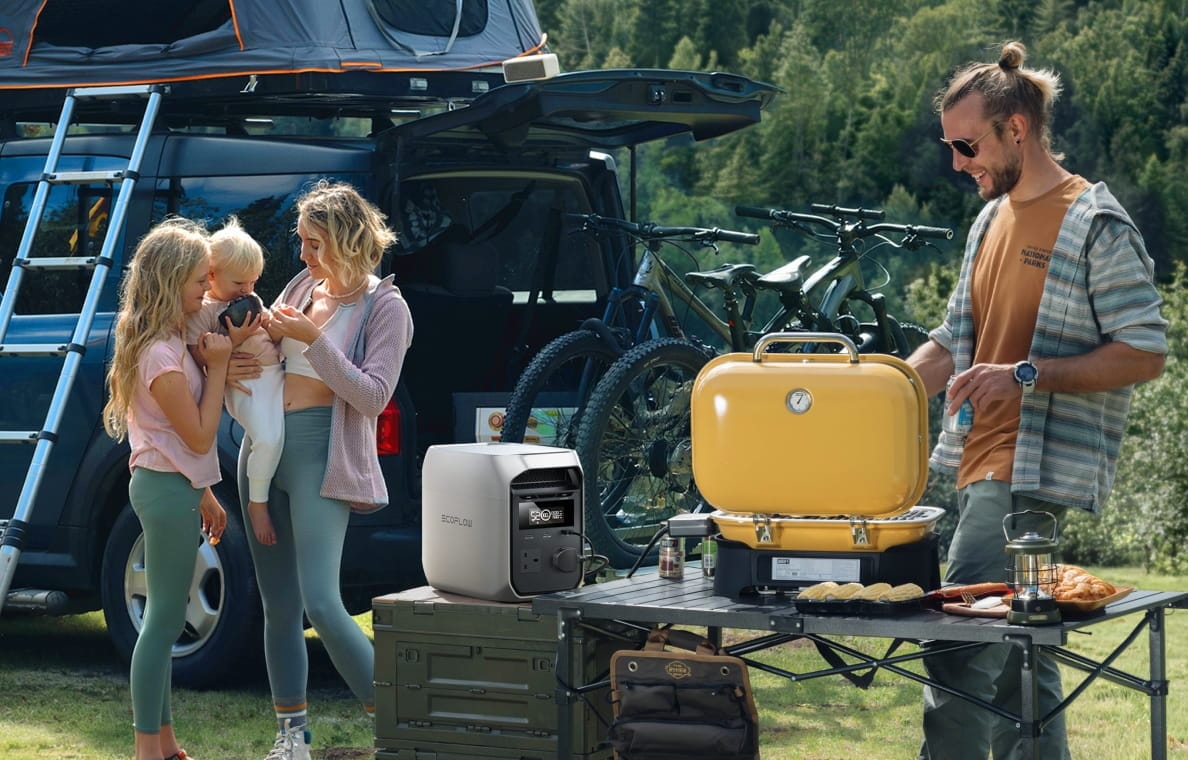
With more appliances being associated with outdoor activities, it is even more critical to manage electricity. A set up for a typical camp site might include an electric camping kettle, charging phones, lighting and some small cooking equipment that are used all day long. However, it is not always flexible to use only campsite facilities or rely on vehicle charging, which may be more limiting, especially for shorter visits, changing locations or more independent travel.
That's part of the reason portable power stations are becoming more and more popular with today's campers. They do not replace other camping techniques, but contribute to a flexible and organised outdoor cooking experience.
Portable Power Solutions for Camping Appliances
Outdoor cooking has gradually changed over the years. Much more than just gas stoves and cooking equipment, many campers now bring all the components for practical camp site setups that enable hot beverages, fast meals, light, charge and daily comfort while on the go.
With more appliances being associated to outdoor activities it is even more critical to manage electricity. A set up for a typical camp site might include an electric camping kettle, charging phones, lighting and some small cooking equipment that are used all day long. However, it is not always flexible to use only campsite facilities or rely on vehicle charging, which may be more limiting, especially for shorter visits, changing locations or more independent travel.
That's part of the reason portable power stations are becoming more and more popular with today's campers. They do not replace other camping techniques, but contribute to a flexible and organised outdoor cooking experience.
Why portable power stations are useful for camping kettles
A portable and easy-to-use camping electric kettle makes outdoor cooking with electricity so much easier. Portable power stations can be used to make up drinks or food wherever and whenever you like, whereas fixed campsite power points need you to rely solely on the power that is available on-site.
Campers can use portable power support to:
boil water more conveniently
Charging phones and cameras is allowed nearby.
support campsite lighting
power compact cooking appliances
Efficiently organize electricity consumption.
More electricity isn't just more electricity; it's more flexibility to plan a nice outdoor schedule without using up a lot of power.
EcoFlow DELTA 3 for lightweight camping and travel setups
If you're looking for more straightforward outdoor configurations, the EcoFlow DELTA 3 is a viable option for offering mobile power without excessive bulk in your travel gear. It is ideal for short camping trips when campers wish to have an electric kettle to camp with, make simple meals with an electric stove, and enjoy the extra convenience of charging small items while on the trip.
It comes in a portable format, making it more convenient to move from camp to camp, and perfect for outdoor activities like:
making tea and/or coffee
charging phones and cameras
powering campsite lighting
Support compact breakfast appliances.
using small appliances to cook food
Featuring a 1024Wh capacity and 1800W AC output, DELTA 3 is able to provide enough power to support flexible outdoor use while still being compact enough to set up and go for weekend camping or mobile functions. It provides a compromise in portable electricity for campers who don't necessarily want to make a big kitchen out of their camp site.
EcoFlow DELTA 3 Max for higher-power campsite cooking setups
Some campers prefer having a more fully-equipped camp site kitchen, where they have several appliances throughout the day. At such times, the demand for electricity isn't just for one kettle, but for multiple devices to function simultaneously without harm or inconsistency.
The EcoFlow DELTA 3 Max is built for campers who are looking to create a more substantial outdoor setup that might include an electric camp kettle, camp lights, power charging stations and other outdoor cooking equipment.
This configuration can be used for activities like:
Making breakfast using several kitchen appliances.
simultaneously heat water and charge devices
providing for more extended periods of overnight use
developing independent outdoor experiences and activities
For campers looking to travel outdoors longer or for a more challenging setup, DELTA 3 Max offers a larger 2048Wh capacity and 3000W AC output to provide more flexibility.
Building a safer and more efficient campsite kitchen setup
A well planned-out campsite kitchen typically has fewer appliances, yet maintains balance. Rather, campers generally do better when they coordinate when and how they use appliances with the power that is available.
Here are a few simple things you can do to make cooking outdoors more comfortable:
using water-saving products
Cutting down on the time spent in cooking and charging times
Organising equipment and keeping it dry
forecasting electricity use ahead of time
picking up portable power support as per trip duration
Portable energy solutions can provide flexibility, comfort and reliability for campers who are using a best camping electric kettle and other outdoor items and appliances without relying on a permanent power source.
Tips for Using Electric Camping Kettles Safely
Check appliance wattage before every trip Campers should check the wattage of a camping kettle electric setup before packing and compare it with the electricity or portable power available on the campsite. Matching the power supplied to the appliance with demand will minimise interruptions and result in a more pleasant outdoor cooking experience.
Avoid operating too many heating appliances together A combination of an electric camping kettle and toaster may use electricity faster than anticipated. Avoiding the pressure and using appliances and preparing food in stages can help to make the tasks more efficient.
Choose stable and weather-protected cooking areas Outside cooking areas should be dry, tidy and, as far as possible, on level ground. When using a camping electric kettle in the protected areas, it helps to make it more safe and prevent any accidental spills or unsteady equipment placement.
Keep cables organised and away from cooking zones When the portable appliance is installed with care, cables are kept away from hot cooking surfaces, and portable appliances are utilized safely, portable appliance installations become safer. This will be particularly useful for campers with multiple devices and a camping electric kettle.
Plan electricity usage around daily campsite routines Strategic planning is often easier and can make the outside experience more comfortable than extra equipment. Having drinks made, charging devices and setting up cooking schedule can help campers make the best use of portable electric power daily.
Conclusion
When it comes to camping gear, the kitchenette is an essential accessory that can make outdoor living much easier and convenient. From making coffee the first thing in the morning to boiling water for a quick meal, or simply using a kettle to make a more complete camping kitchen, the right kettle and an understanding of electricity needs can enhance the overall camping experience.
Electricity management is growing more critical with growing flexibility of outdoor setups and with travellers being able to pack more appliances. In addition to selecting the best electric camping kettle, many campers are seeking to find ways to get by without relying on everything at the campsite to light the area, charge batteries, and prepare food.
Portable energy solutions like EcoFlow DELTA 3 and EcoFlow DELTA 3 Max also offer extra flexibility when it comes to outdoor use of cooking appliances and the power required for daily use on the go. With proper preparation and planning of equipment, campers can make their outdoor experiences safer, more efficient, and more enjoyable.
FAQs
What is the best electric camping kettle for outdoor trips?
Choosing the best camping electric kettle is dependent on the way you travel, the power available and the culture of campsites. Shallow users may opt for smaller watt kettles and heavier users may get kettles with more capacity. The product selected should provide portability, boiling efficiency and adaptability to the available outdoor power.
Can portable power stations run camping kettles safely?
Yes, portable power stations can power a lot of camping electric kettle setups if the electric kettles' needs are compatible with the power station output. They can also be used to support other camp site equipment.
Common support for campsites can consist of:
cooking, preparing drinks and food in boiling water
charging phones and portable devices
powering campsite lighting
Selecting the right power setup can make camping a safer and more organised experience.
What wattage is best for a camping electric kettle?
The wattage requirement varies with conditions of the travels and available electricity. A lot of campers opt for a camping kettle electric low wattage product due to the flexibility of the electricity usage and simpler handling. Kettles with lower wattage may boil slower, but could be more effective in a small camp setting.
Can I use a camping electric kettle and toaster together?
Camping electric kettle and electric toaster use is based on the need of all appliances and the capacity of electricity.
When both appliances are used:
Check appliance wattage
Do not overload a power source
Cook in small batches if needed
Careful organization of the use of appliances can help to make the site kitchens more comfortable and efficient.
Are portable power stations better than campsite hookups for short trips?
Portable power stations and camp site connections are used for different purposes, depending on the type of travel. Hookups offer a reliable power connection, portable power systems are more flexible for those travelling to and from campsites, or extended power outages. A number of campers use both methods, depending on the duration of the trip and needs of the appliances.