Winter Weather Tips: How to Prepare Your Home for Severe Snowstorms
- How Do You Prepare Your Home Before a Severe Snowstorm Hits?
- How Do You Winterize Key Home Systems for Extreme Cold?
- What Safety Hazards Should You Prepare for During Snowstorms?
- How Can You Keep Power Running During Winter Storm Outages?
- What Should You Do if the Snowstorm Becomes a Prolonged Emergency?
- Frequently Asked Questions
- Ready to Stay Safe and Prepared During Severe Snowstorms?
When a severe snowstorm is forecast, you face the threat of power outages, frozen pipes, dangerous cold, and isolation. But by preparing well, you can reduce the risk of property damage, medical emergencies, and even carbon monoxide poisoning.
This guide will walk you through winterizing your home, creating an emergency supply kit, securing backup power, and establishing safety protocols.
How Do You Prepare Your Home Before a Severe Snowstorm Hits?
Check the forecast and timing. Monitor NOAA and Environment Canada for storm-tracking updates, expected snowfall amounts, and wind speeds. Use this to plan your grocery runs and any prep work for 24 to 48 hours before the storm's arrival.
Stock up on emergency supplies. Gather at least 72 hours' worth of non-perishable food, water, medication, flashlights with extra batteries, and cash.
Prepare your backup power source. Test your generator or portable power station. Take stock of fuel and re-up if needed. Charge all devices.
Clear hazards and secure outdoor items. Bring in any patio furniture, secure your garbage cans, clear your gutters and downspouts, and trim weak tree branches.
Prepare your vehicles. Pack your car with an emergency kit with blankets, a shovel, and jumper cables. Fill your gas tank. Park away from trees.
Build a Winter Emergency Supply Kit for Home and Car
Your winter emergency supply kit should include:
Non-perishable food for three days for each family member
Four litres of water per person per day, with extra for pets
Over-the-counter and prescription medications
Lighting and communication devices
Warmth items such as wool blankets or sleeping bags
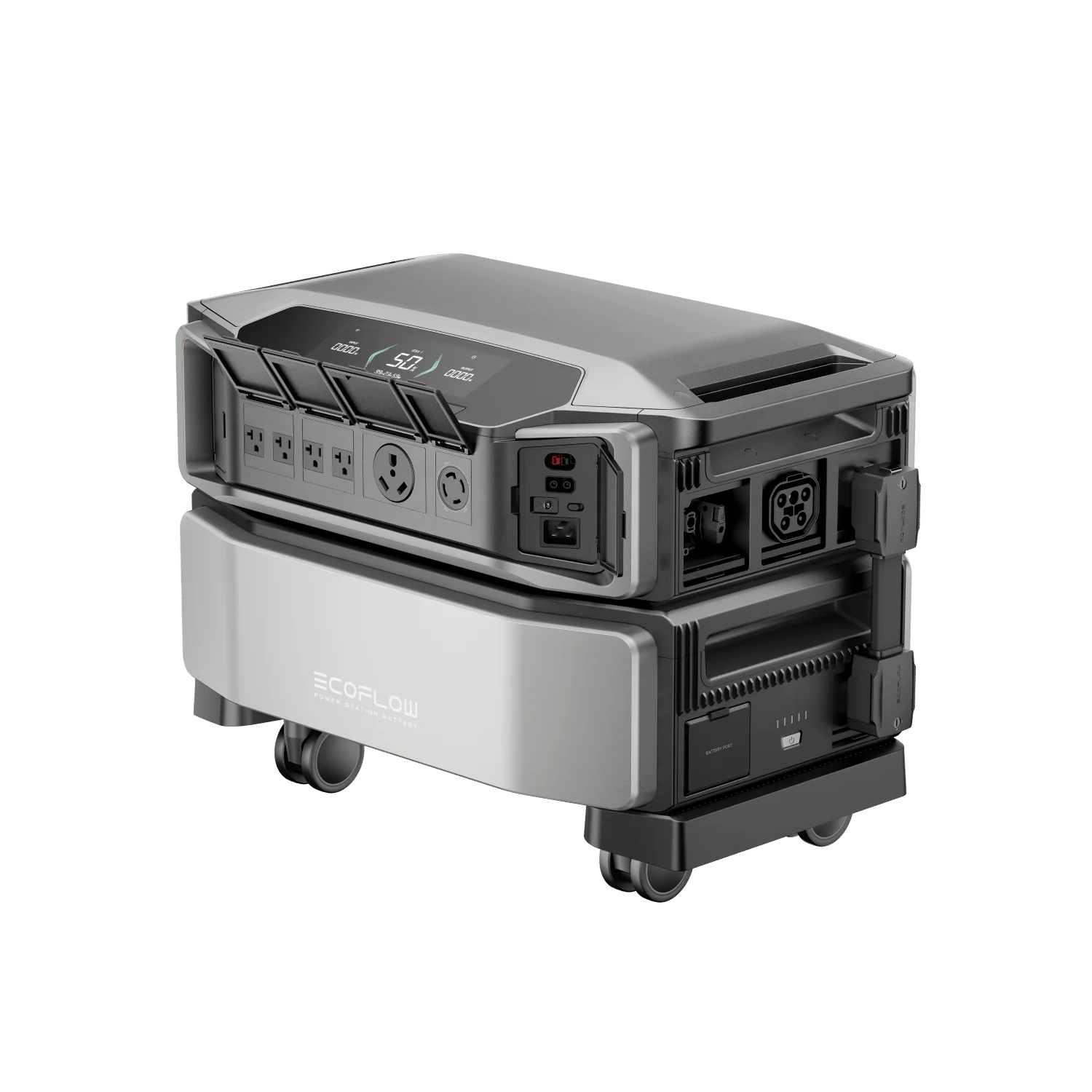
A power solution like the EcoFlow DELTA Pro Ultra for whole-home backup
Sanitation essentials such as toilet paper and garbage bags
Simple tools like manual can openers, a multi-use tool, and duct tape
In addition to these essentials, you should also keep these items in your car:
A windshield scraper, snow brush, and small shovel
Salt, sand, or kitty litter for tire traction
Jumper cables and a tow rope
Reflective triangles or flares
Extra winter clothing and thermal blankets
Water bottles and high-calorie snacks
How Do You Winterize Key Home Systems for Extreme Cold?
Winterizing your home for extreme cold is a multistep process. Work through all the steps on this list to ensure you don't miss anything.
Seal Drafts: Inspect all windows and doors, add weatherstripping to door frames, and caulk or expanding foam to baseboards, electrical outlets, and pipe penetrations.
Improve Insulation: Add insulation to the attic and consider insulating your hot water tank with a blanket kit. You can also insulate pipes with foam sleeves and use spray foam and basement rim joists.
Protect Pipes From Freezing: Let your faucets drip with a pencil-thin stream during extreme cold to prevent pressure buildup. Open the cabinet doors underneath the sinks to allow warm air to circulate through the pipes. Know how to access your main water shut-off if a pipe bursts.
What Safety Hazards Should You Prepare for During Snowstorms?
Snowstorms and ice storms bring in a whole slew of safety hazards. Ice dams can form from heat loss, and when they get too heavy, there's a risk of roof collapse. Remove snow and ice from a roof after heavy, wet snow, and clear the gutters before winter, so the melt can drain properly.
You should also prepare for the risk of downed power lines and prolonged outages by keeping a backup power source on hand and fully charged. A power outage can also cause indoor temperatures to drop.
Traditional generators carry the risk of carbon monoxide poisoning and fires. Never run them indoors, and install carbon monoxide detectors on every floor. To avoid this risk, use a battery-powered generator instead.
How Can You Keep Power Running During Winter Storm Outages?
Invest in a whole-home generator. Once installed, it will seamlessly switch over to backup power during outages, so there's no manual intervention required. It can prioritize critical loads and automatically shed non-essential loads.
If you don't have enough power for everything, start by prioritizing essential loads, such as your fridge and freezer, a furnace blower, safety lights, and phone chargers.
Use solar charging between storm bands to recharge your PPS, even in overcast conditions.
Protect lithium batteries by bringing portable power stations indoors.
.png)
What Should You Do if the Snowstorm Becomes a Prolonged Emergency?
If the snowstorm becomes a prolonged emergency, begin conserving your resources and communicate with family members or emergency services to determine next steps or seek help.
Monitor Storm Updates
If you have power, check Environment Canada and local weather stations for the latest storm updates and sign up for community alerts via text or email. If you don't have power, use a battery-powered weather radio so you're always in the loop.
Frequently Asked Questions
How Many Days of Supplies Should I Keep for a Winter Storm?
You should keep at least three days' worth of supplies, including food, water, and medication. If your area frequently experiences prolonged storms, increase this goal to a seven to 14-day supply.
What Is the Safest Way to Use a Space Heater During a Snowstorm?
Only use space heaters with a tip-over shut off and overheating protection. Place them on flat hard surfaces at least a meter from any furniture, walls, bedding, or curtains. Never use an extension cord; plug them directly into the wall outlet and turn them off when sleeping or leaving the room.
How Do I Keep My Pipes From Freezing if the Power Goes Out?
Turn on your faucets so cold water drips in a pencil-width stream to relieve pressure in your pipes. Open the cabinet doors beneath the sinks to allow warmer air to circulate around the pipes. Use backup power if available to maintain a minimum indoor temperature of 15ºC.
Can I Run a Generator in My Garage With the Door Open?
You should never run fuel generators in basements, garages, or enclosed spaces, even if doors and windows are open. Carbon monoxide can accumulate quickly. Generators should be placed at least 6 meters from the home and downwind of any vents, doors, or windows.
Ready to Stay Safe and Prepared During Severe Snowstorms?
Prepare for the severe snowstorms by combining multiple strategies. Gather the right supplies, winterize your home, invest in backup power, and always stay aware. Most winter emergencies are preventable with proper planning and the right equipment.
If you're looking for reliable whole-home backup, the EcoFlow DELTA Pro Series portable power stations can keep furnaces running, food preserved, and families warm during winter outages.