How Winter Power Outages Affect Restaurant Equipment in Canada
Canadian winters hit restaurant owners where it hurts most: their bottom line. When ice storms knock out power in Montreal or blizzards shut down grids in Calgary, commercial refrigerators stop running, POS systems go dark, and food spoils by the thousands of dollars. A typical 8-hour winter outage costs small restaurants $5,000 to $12,000 in lost inventory and revenue. Most Canadian restaurant owners still operate without backup power, hoping the next storm misses them. That gamble gets expensive fast.
How Winter Outages Damage Restaurant Equipment and Food Inventory
Power failures create immediate threats to restaurant operations, extending beyond inconvenience into serious financial territory.
Equipment Damage and Food Safety Risks
Commercial refrigerators maintain safe temperatures within strict ranges. When power cuts out, these units begin warming within 2 to 4 hours. Food safety regulations require discarding refrigerated foods held above 4°C for over 2 hours. A fully stocked walk-in cooler represents $3,000 to $8,000 in inventory, gone in half a workday.
Restaurant equipment itself suffers from sudden power cuts and voltage surges during restoration. Compressor motors in refrigeration units are particularly vulnerable, with replacement costs reaching $800 to $2,500 plus lost business during repairs.
Health inspectors take violations seriously. Consequences include:
Fines ranging from $500 to $5,000 per violation
Temporary closure orders until compliance
Permanent reputation damage affecting customer trust
Potential lawsuits if contaminated food causes illness
Business Interruption and Revenue Loss
Canadian restaurants lose 12 to 18 hours annually to winter weather outages. A single day of closure during busy winter periods means lost revenue from breakfast through dinner service, compounded by spoiled inventory that requires replacement.
The damage extends beyond immediate losses. Customers finding locked doors during storms do not just leave. They choose competitors next time and share their experience on social media. Delivery and takeout orders become impossible without POS systems (Point of Sale terminals that process payments and manage orders). Staff scheduled for shifts lose wages, potentially seeking more reliable employers. Regular customers break their dining habits, sometimes permanently.
Which Commercial Kitchen Equipment Needs Emergency Power Protection
Smart planning means protecting what matters most first. Not all equipment deserves equal backup power priority.
Refrigeration Systems
Commercial refrigerators and freezers top every emergency power list. Walk-in coolers, reach-in refrigerators, prep table coolers, and display cases all qualify as critical restaurant equipment Canada businesses cannot afford to lose.
The "4-hour rule" applies: refrigerated foods remain safe if temperatures stay below 4°C for under 4 hours. Modern commercial refrigeration draws 500 to 1500 watts per unit. A typical small restaurant operates 3 to 5 refrigeration units simultaneously, creating baseline power requirements of 1500 to 3000 watts.
Essential Operational Equipment
Beyond refrigeration, several systems keep restaurants functional during outages:
POS systems: Process payments and manage orders
Lighting systems: Ensure staff safety for workstations, exits, bathrooms
Ventilation systems: Required by health codes for cooking operations
Security systems: Protect equipment and inventory during dark hours
Backup Power Options for Restaurant Equipment in Canada
Choosing the right backup power solution depends on understanding how each option performs in real restaurant conditions. Two main technologies dominate the market, each with distinct operational characteristics.
Feature | Diesel Generators | Portable Power Stations |
Installation | Professional required ($3,000 to $8,000) | Plug and play, no electrician needed |
Indoor Use | Prohibited (carbon monoxide risk) | Safe for indoor placement |
Ongoing Costs | Fuel + monthly servicing | Electricity for recharging only |
Startup Time | 30 to 120 seconds delay | Instant power delivery |
The comparison reveals clear operational differences. Diesel generators offer unlimited runtime with fuel refills but require exterior placement, professional setup, and ongoing maintenance schedules. Their carbon monoxide emissions and noise levels (70 to 85 decibels) create compliance and customer experience challenges.
Portable power stations eliminate these complications while keeping restaurants operational during outages. Their silent, emission-free design allows indoor placement directly beside critical equipment.
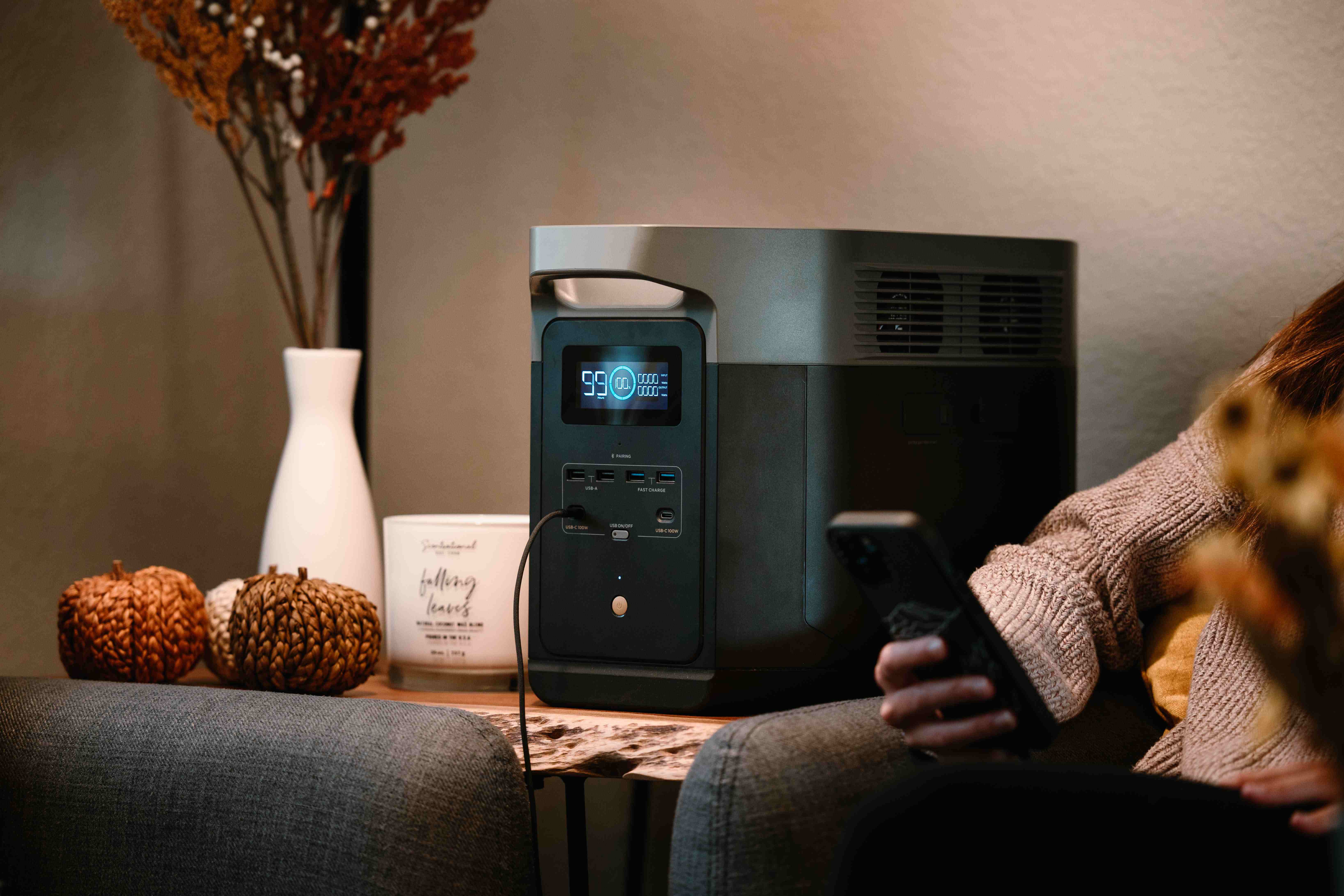
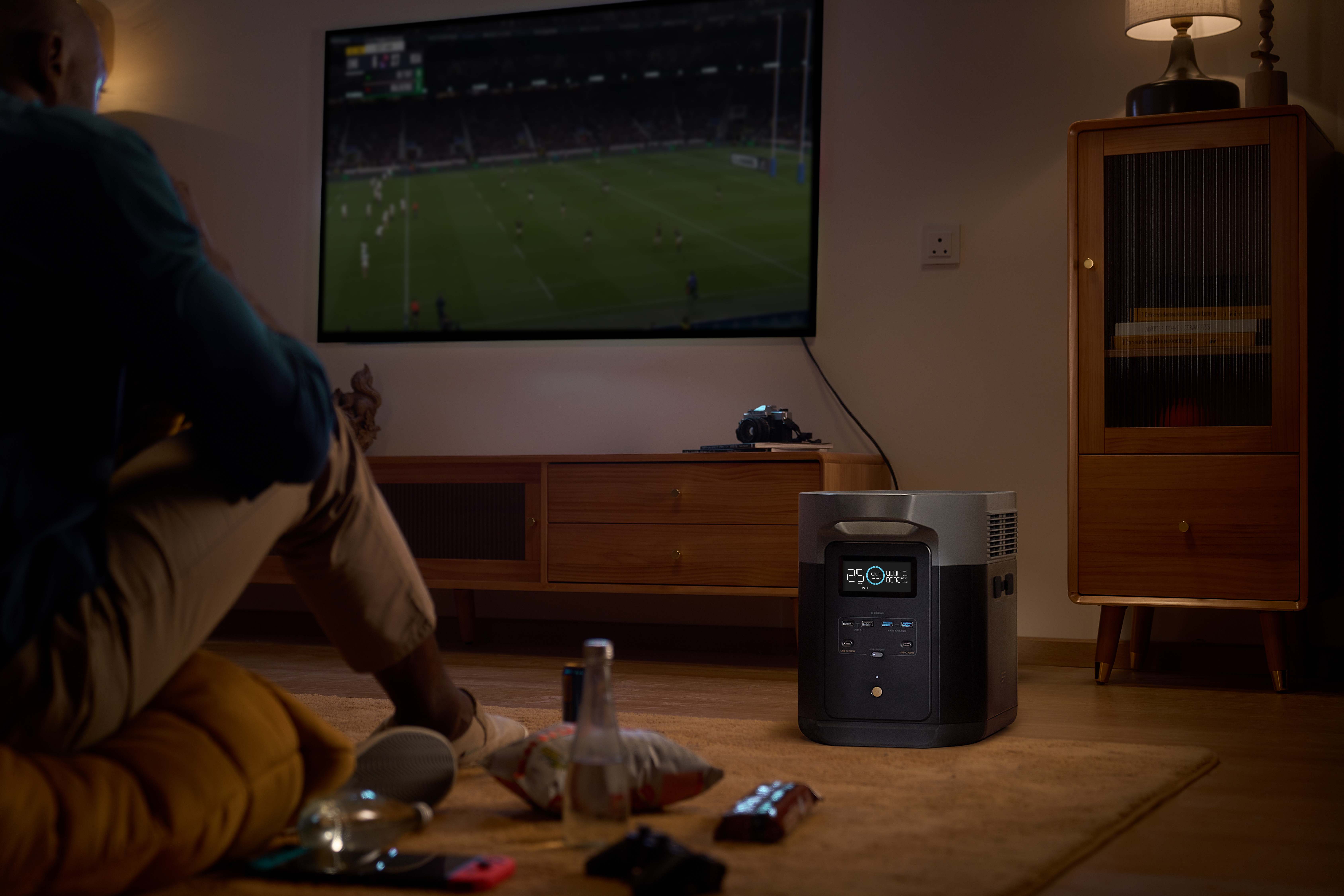
For Canadian restaurants, maintaining refrigeration, POS systems, lighting, and ventilation during power failures means the difference between minimal disruption and catastrophic losses. Quality portable stations deliver this protection without complexity. The EcoFlow DELTA 2 Max Portable Power Station addresses restaurant-specific needs with its X-Boost technology that handles equipment startup surges up to 3400W, critical when commercial refrigerators restart after power restoration. Its expandable capacity grows with your business, while the LFP battery withstands over 3,000 charge cycles, making it a reliable long-term investment for seasonal challenges Canadian restaurants face year after year.
Winter Emergency Plan for Commercial Kitchen Equipment Protection
Preparation separates restaurants that survive winter outages from those suffering major losses.
Creating Your Equipment Priority List
Identify which commercial kitchen equipment requires backup power first. Calculate combined wattage by checking equipment labels. Most display power ratings in watts or amps (multiply amps by 120 volts for watts).
Essential steps include:
Document shutdown and restart procedures
Create laminated instruction cards near electrical panels
Train 2 to 3 employees per shift on backup power operation
Run quarterly practice drills (15 minutes each)
Preventive Maintenance Before Winter Arrives
Schedule electrical inspections before November. Licensed electricians check loose connections, worn outlets, circuit breakers, and grounding systems for $200 to $500.
Test backup power systems monthly starting in October. Fully charge units, connect critical refrigerators, disconnect building power, and monitor runtime for 2 to 4 hours. Testing reveals capacity issues while you can still address them.
Optimize food inventory for winter. Restaurants maintaining 3 to 5 days of fresh ingredients risk less than those stocking two weeks of frozen inventory. Compile emergency contact lists including equipment suppliers, electricians, and refrigeration technicians accessible from smartphones.
What to Do During a Power Outage
When power fails, follow this sequence:
Report the outage to utility companies immediately
Connect backup power to critical refrigeration within 30 minutes
Avoid opening refrigerator doors (units hold temperatures 2 to 4 hours if unopened)
Log temperatures every 30 to 60 minutes for compliance documentation
Update website and social media about service status
When power returns, restart refrigeration first, wait 5 minutes, then add other systems gradually to avoid tripping breakers.
Take Action Before the Next Storm Hits
Winter outages cost Canadian restaurants millions annually in equipment damage, food waste, and lost revenue. The question is not whether your restaurant will face power failures but whether you will be protected when they happen. Portable backup power protects critical commercial kitchen equipment without generator complexity or ongoing maintenance costs. Calculate your power requirements this week, assess potential outage losses, and implement backup solutions now. Your next winter storm will not wait, and neither should your preparation.
FAQs
Q1: Will Backup Power Affect My Restaurant's Electrical Warranty or Building Code Compliance?
Portable stations of power do not affect your building's electrical setup in any way. Therefore, you can be guaranteed that using a portable station of power won't void your warranties, as well as cause you issues with building codes. On a side note, if you rent your property, you should check your lease. There are property managers who expect you to notify them of any device that consumes high amounts of power.
Q2: Can Winter Cold Damage My Portable Power Station If I Store It in an Unheated Area?
Lithium batteries in power stations perform poorly in freezing temperatures and can suffer permanent capacity loss if stored below freezing while charged. Store your backup unit in heated areas above freezing, even if that means keeping it in your kitchen or office rather than a storage shed. Before using a cold unit, let it warm to room temperature naturally. Never charge frozen batteries as this causes internal damage.
Q3: Can One Portable Power Station Run All My Critical Restaurant Equipment at Once?
This would depend on your total power needs. A good quality unit would usually be able to support necessary combinations of 2 to 3 commercial fridges, POS terminals, and lights all at once. The EcoFlow DELTA 2 Max Portable Power Station, for example, has a 2400W continuous power output with a 4800W surge of power that can support refrigerator compressor start-up requirements, as well as 15 output ports that support multiple devices connected at a time. If your restaurant requires additional support for your various necessary equipment, you can further increase your total backup support up to 6 kWh, which would consist of connecting extra battery units.
Q4: Should I Buy One Large Backup System or Multiple Smaller Units for My Restaurant?
Which to use depends on your immediate needs and plans for growing. The most intelligent way for restaurants would be with an expandable setup. A case in point would be that of EcoFlow DELTA 2 Max Portable Power Station, where you begin with 2kWh for critical fridge and POS support, then expand to 4kWh or 6kWh as your business expands with additional battery packs.