What is the Difference Between a Power Bank and a Wireless Charger?
These days, keeping your phone alive feels almost as important as keeping your car fueled, whether you’re rushing through downtown Toronto or hiking out near Lake Louise. When that low battery warning hits, most of us reach for one of two things: a power bank or a wireless charger. They both recharge your device, sure, but they work very differently and are meant for completely different situations. Knowing how they compare makes it way easier to pick the right one for how you actually live, whether you're usually at a desk, constantly on the go, or spending your weekends off grid. And since new charging tech comes out every year, understanding the basics helps you avoid buying something that won’t fit your routine. Think of this as your quick guide to choosing the right charger for real Canadian life.
What Is a Power Bank?
A power bank, often called an external battery or portable charger, is essentially a battery housed in a compact case with built-in circuitry that regulates power flow. It stores electrical energy so you can charge your devices on the go, completely independent of a wall outlet. Think of it as a portable reserve tank of electricity you can slip into your backpack for a cross country train ride or a long day of sightseeing. It’s the kind of thing you forget about until you desperately need it, which is exactly why so many Canadians keep one tucked into a purse, glove box, or jacket pocket. Whether you're out on a long workday or wandering around Whistler Village, a good power bank quietly keeps your tech alive without adding any hassle.
What Is a Wireless Charger?
A wireless charger, on the other hand, transfers energy to your device without needing a physical cable connection. It uses inductive charging based on the Qi standard, creating an electromagnetic field between a transmitting coil in the charger and a receiving coil inside your phone. You’ll usually find this technology built into flat charging pads for desks, nightstands, or kitchen counters. It’s the kind of setup that instantly feels cleaner, no tangled cords, no fumbling around in the dark to plug something in. Just place your phone down and it quietly tops up while you go about your day, making it perfect for the slow-and-steady charging routine most Canadians follow at home or at the office.
Key Differences Between a Wireless Charger and a Power Bank
Once you look past the basic definitions, the real differences between a power bank and a wireless charger become clear. They’re built for very different situations, and understanding how each one works helps you choose the right tool for your day to day life.
1. Function
Power Bank: Works as a portable energy reserve. You charge it beforehand, and it holds that power until you need it on the go.
Wireless Charger: Acts more like a power delivery method. It still needs to be plugged in to work, unless it’s built into a wireless power bank.
2. Power Source
Power Bank: Fully independent once charged. No outlet needed until it’s time to refill.
Wireless Charger: Always relies on a plugged-in power source to generate its charging field.
3. Portability
Power Bank: Built for mobility, great for camping in Banff, long transit days in Toronto, or travelling light through airports.
Wireless Charger: Typically stays put on a desk or nightstand, though some hybrid wireless power banks offer a middle ground.
4. Charging Method
Power Bank: Uses a wired connection, USB-A, USB-C, or lightning directly into your device.
Wireless Charger: Charges your phone through electromagnetic induction. Just set your phone down and walk away.
5. Compatibility
Power Bank: Works with almost anything, as long as you have the right cable. Phones, tablets, cameras, headphones, even some laptops.
Wireless Charger: Only works with devices that support Qi wireless charging, which is common but not universal.
6. Speed
Power Bank: Usually much faster. Some can push 65W, 100W, or more, which is enough to charge laptops or power-hungry tablets.
Wireless Charger: Slower by design. Most pads offer 7.5W to 15W, which is plenty for overnight charging but not ideal when you’re in a rush.
7. Primary Use
Power Bank: Best for charging on the move, handling multiple devices, and emergency top-ups when no outlet is in sight.
Wireless Charger: Perfect for convenience, clean, cable free charging setups at home or at the office, where speed isn’t the priority.
| Feature | Power Bank | Wireless Charger |
|---|---|---|
| Portability | High | Low / Medium |
| Needs Wall Outlet | No | Yes (except wireless power bank) |
| Charging Speed | Fast (up to 100W) | Slower (7.5–15W) |
| Best Use | Travel / Outdoors | Home / Office |
| Compatibility | Universal (with cable) | Only Qi-compatible devices |
Power Bank and a Wireless Charger: Which One Should You Choose?
Choosing between a power bank and a wireless charger really comes down to your routine, your gear, and where you usually run out of battery. Both are great tools, but they shine in very different situations.
For Travel and Outdoor Activities
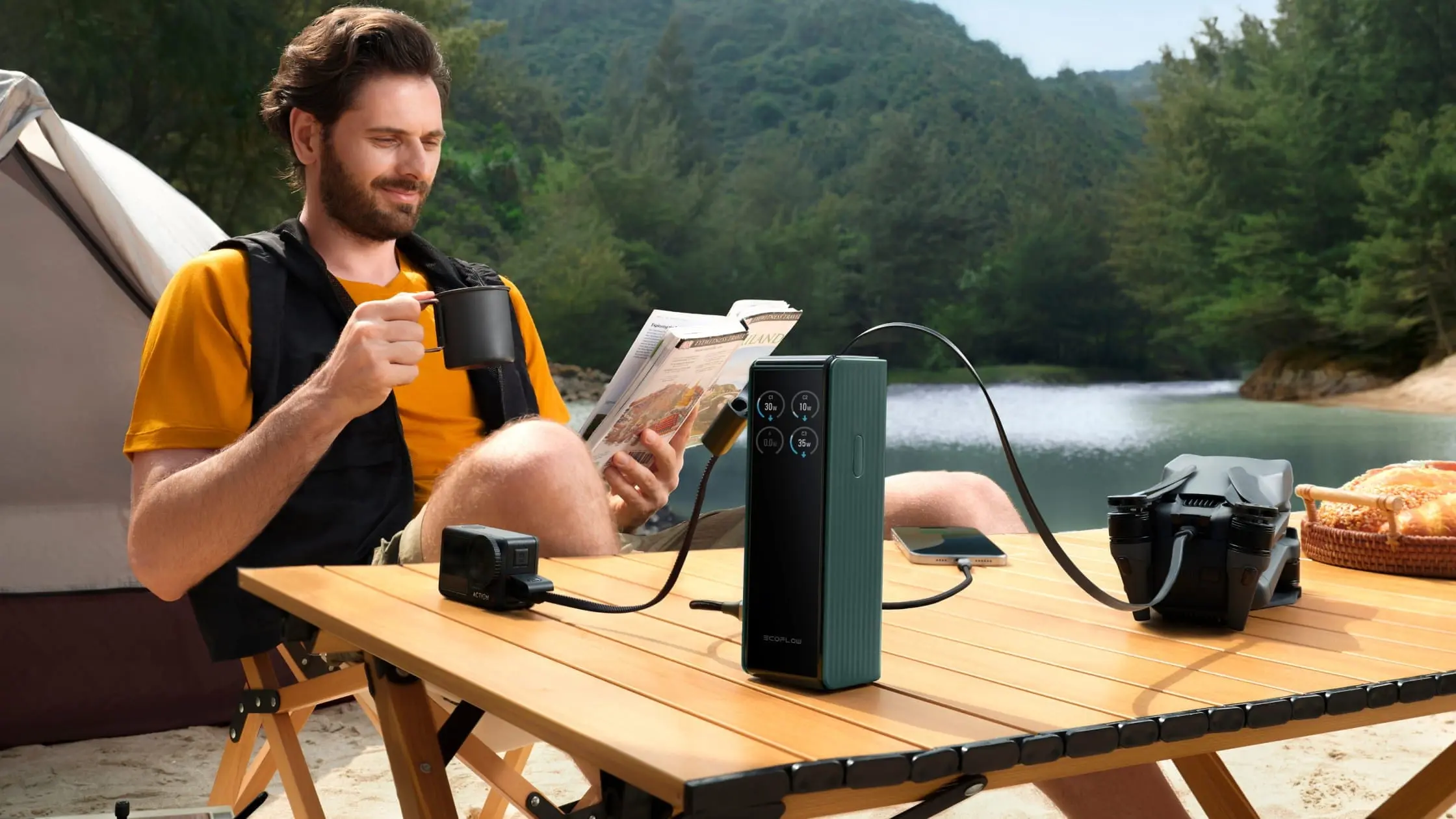
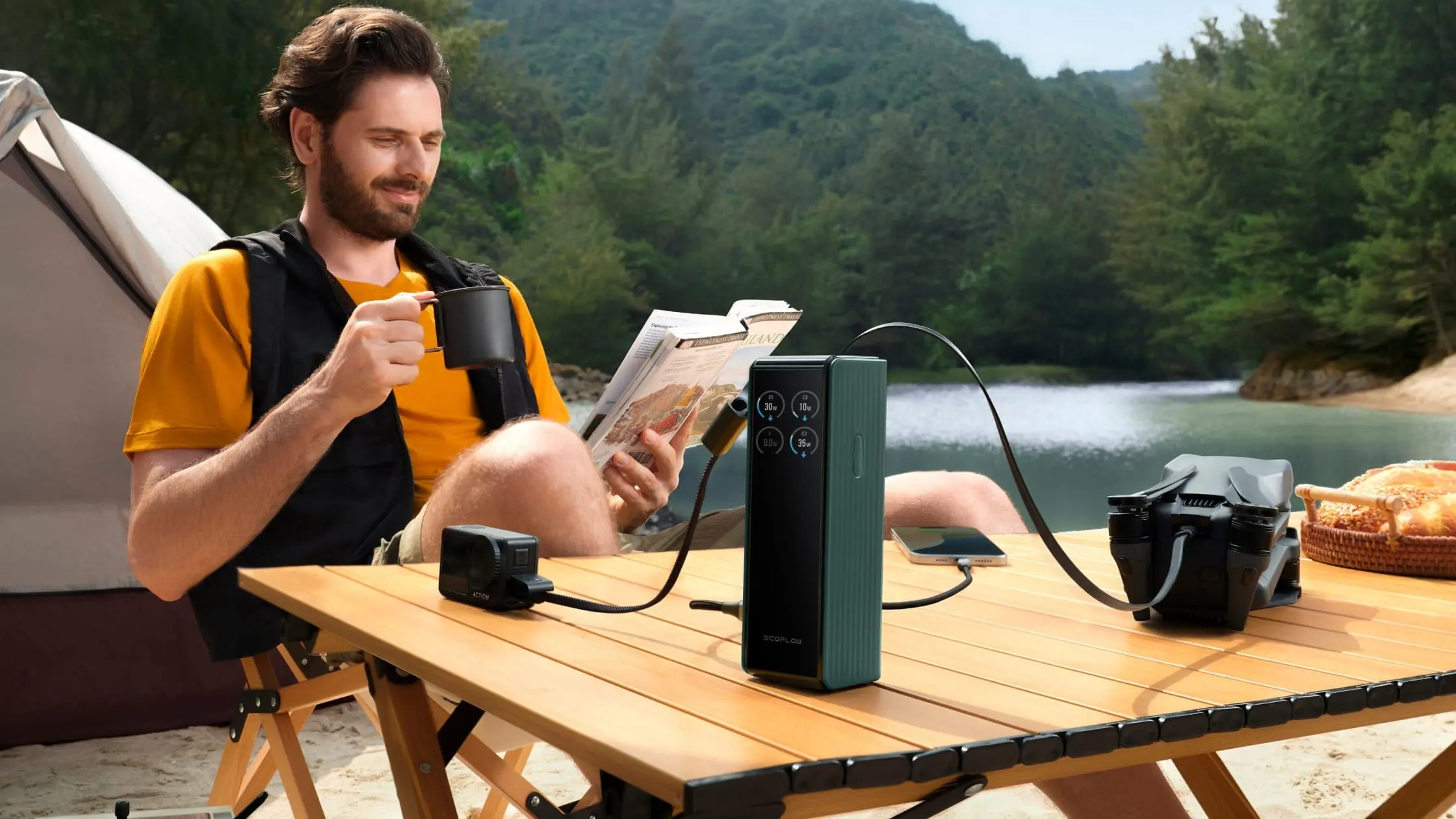
If you’re away from outlets, hiking around Lake Louise, driving across the Prairies, or stuck on a long flight, nothing beats a power bank. The portability and storage capacity give you reliable power when you’re hours from the nearest wall socket. It’s the kind of safety net that keeps your phone alive for maps, photos, and emergency calls.
For Home or Office Desk Use
A wireless charging pad makes the most sense when your phone has a regular “parking spot.” Whether it’s sitting on your desk in Montreal or on your nightstand in Ottawa, you just drop your phone on the pad and it quietly tops up while you work or unwind. It’s clean, simple, and cuts down on cable clutter.
For Multi-Device Charging
If you juggle several devices, say a laptop, tablet, earbuds, and phone, a high output power bank is the better choice. With multiple ports and fast charging, it acts like a portable outlet, letting you power everything at once without fighting over wall plugs.
For Minimalist and Cable-Free Setups
If you prefer a cleaner, cable free lifestyle, a magnetic wireless power bank hits the sweet spot. The compact EcoFlow RAPID Mag Power Bank (5,000mAh, 7.5W Magnetic Charging) snaps onto your phone and stays securely in place, making it perfect for commuting or hiking. It delivers wireless convenience while still being fully portable, no tangled cords in your jacket pocket.
For Emergency and Backup Power Needs
When the power cuts out, whether it's a windstorm rolling through the Maritimes or a sudden ice storm in southern Ontario, you need a backup you can trust. A high capacity portable power solution becomes more than a convenience; it becomes a safety essential. A dependable power bank keeps your phone, hotspot, or medical devices running when every wall outlet in the house is dead. For serious backup capability, the EcoFlow RAPID Power Bank (25,000mAh, 170W, with 100W built-in retractable cables) is a standout option. Its generous capacity and strong output give you a reliable cushion during emergencies, ensuring your most important devices stay powered until the lights come back on.
Combining Both for Maximum Flexibility
The smartest setup for most Canadians is owning both. Keep a wireless charger at home or at the office for everyday convenience, and rely on a good power bank for travel, outdoor adventures, and emergencies. Together, they cover 100% of your charging needs without compromise.
How to Choose the Best Wireless Charger and Power Bank for Your Needs
Choosing between a wireless charger and a power bank really comes down to understanding your own tech habits and where you typically need power the most. A little upfront consideration saves you from buying something that doesn’t quite fit your routine.
Assess Your Device Compatibility
Power Bank: Check the available ports, USB-C Power Delivery and USB-A Quick Charge are the most important, to make sure they support your phone or laptop’s fast charging standards.
Wireless Charger: Confirm whether your device supports the Qi standard, or if you need magnetic alignment like MagSafe. Not every phone works with every charger, so compatibility should be your first filter.
Determine Your Required Capacity and Output
Capacity dictates how much backup power you actually have. A 5,000mAh power bank is great for a quick boost during your morning TTC commute, while something like 25,000mAh is better suited for cottage weekends or long travel days. For both power banks and wireless chargers, pay attention to wattage. Wireless pads range around 7.5W-15W, while wired outputs can hit 45W, 65W, or even 100W, ideal for tablets and laptops.
Consider Portability and Convenience
If you’re someone who likes to travel light, a slim, pocket-friendly power bank is the obvious choice. On the other hand, if convenience is your priority and you’re tired of digging around for cables, a magnetic wireless charger brings that effortless “drop and charge” experience to your nightstand, desk, or car.
Decide Based on Typical Usage Scenarios
Think about where you spend most of your time. If you're constantly commuting, travelling, or exploring the trails in Algonquin Provincial Park, portability and higher capacity make a world of difference. If you mainly work from a desk in downtown Toronto or from a home office in Calgary, a stationary wireless pad might be more than enough.
Check Additional Features
Small details can elevate your experience: wireless pads with multiple charging coils allow easier placement, while power banks with built-in retractable cables eliminate the daily cable shuffle. Some models even include smart displays that show real time charging info, super handy when managing multiple devices.


Conclusion
Both the power bank and the wireless charger play an important role in keeping your devices topped up, but they shine in very different situations. A power bank gives you true freedom, portable, reliable power you can take anywhere, from a crowded GO train commute to a weekend road trip through the Rockies. A wireless charger, on the other hand, brings effortless convenience to your everyday routine, letting you drop your phone onto a pad at your desk or bedside without fishing around for a cord.
For many Canadians, the sweet spot is using both. A slim magnetic wireless power bank keeps your phone alive during a busy day in the city, while a high capacity unit steps in for longer adventures or unexpected outages. By understanding the strengths of each option, you can build a charging setup that fits your lifestyle and ensures your devices stay powered, whether you're at home, on the move, or heading out into the wide Canadian wilderness.
FAQ
Can a Wireless Charger Replace a Power Bank Completely?
No. A standard wireless charger must stay plugged into a wall outlet, which limits where and when you can use it. While a wireless power bank gives you the best of both worlds, a high capacity wired power bank still delivers faster charging, higher wattage, and enough power to handle laptops and multiple devices at once. When comparing wired and wireless power banks, wired models generally offer more reliable power delivery and faster charging speeds, especially for larger devices. Wireless power banks, on the other hand, offer the convenience of cable-free charging, but they may have slower charging speeds and lower power outputs.
Is Wireless Charging Slower Than Standard Power Banks?
Generally, yes. Wired charging, especially with modern Power Delivery (PD) outputs like 65W or 100W, is noticeably faster than typical wireless charging speeds of 7.5W or 15W. That said, newer technologies like Qi2 are closing the gap, offering much better efficiency than older wireless pads.
Are All Power Banks and Wireless Chargers Compatible with Every Device?
Not always. Power banks need the right cable and must support your device’s fast charging protocol (such as USB-C PD or Quick Charge) to reach maximum speed. Wireless chargers require your phone or accessory to support the Qi standard, and magnetic alignment features are usually specific to certain models, like MagSafe compatible phones.
What Are the Advantages of Using a Wireless Charger and a Power Bank Together?
The biggest benefit is flexibility. A wireless charger keeps your desk or nightstand clutter free and makes daily charging effortless, while a power bank ensures you have reliable energy when you’re travelling, commuting, or exploring the great outdoors. Together, they create a seamless charging setup that covers you in every situation.