Understanding "Ghost Power" (Phantom Load) in Canadian Households
Ghost power is the standby power that appliances and electronic devices consume even when they’re not being used.
While the energy of a single device may be small, when multiplied by 24 hours a day and 365 days a year, it really adds up.
In fact, in Canadian households, this silent energy drain can account for roughly between 5% and 10% (and in some cases more) of annual electricity consumption.
Learn common sources of phantom loads, how to calculate how much devices are drawing, and what you can do to reduce wasted energy.
What is Phantom Power and Why It Matters in Canada
"Ghost power," "phantom power," "vampire power," and "phantom loads" are all terms used to describe the electricity drawn from devices and appliances even when they’re not in use, like the clock on your microwave or a charger plugged in waiting to charge a phone.
The problem is, we don’t see the energy being wasted since we aren’t even using it.
But electronic devices left plugged in frequently draw power whether we use them or not.
This costs individual households hundreds of dollars each year and contributes hundreds of kilograms of avoidable CO₂ emissions, contributing to climate change and placing additional demand on the electrical grid.
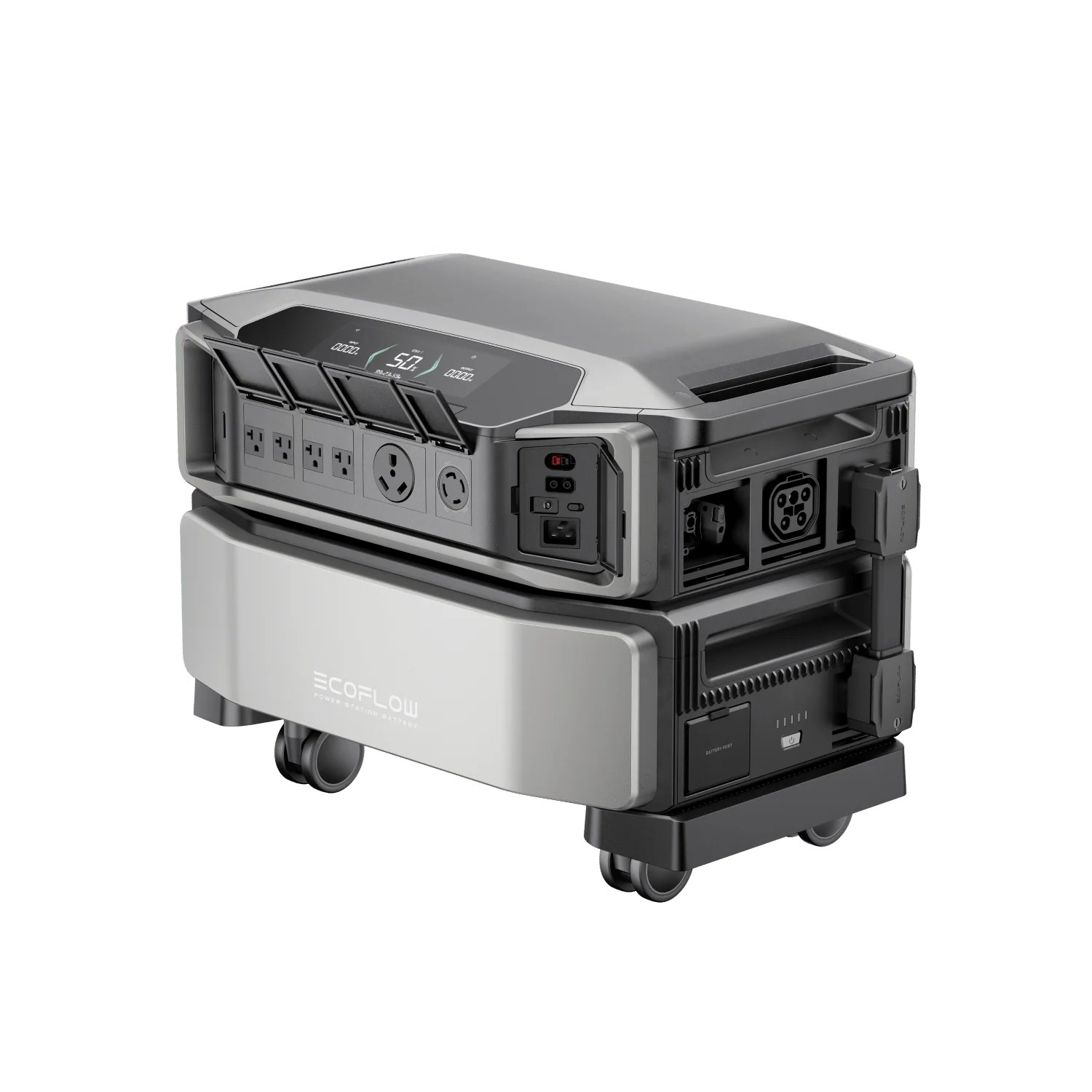
While reducing phantom load helps minimize wasted energy, broader solutions (such as battery storage systems like the EcoFlow DELTA Pro Ultra can further support energy management and improve resilience during outages.
Common Sources of Phantom Load
Here are the most common sources of ghost power:
Cell phone chargers
Computers
Smart TVs
Radios
Gaming consoles
Cable boxes
Wi-Fi routers
DVD players
Microwave clock displays
Ovens with clock displays
Smart washers, dryers, fridges, dishwashers, etc., which maintain Wi-Fi or Bluetooth connections
Measuring Phantom Load Magnitude
The most accurate way to calculate how much silent energy a device draws is using a smart plug (or the EcoFlow app that comes with your whole home backup power to monitor actual, real-time energy consumption.
Otherwise, if you can find the standby wattage on your appliance specs, you can multiply it by 24 hours to get watt-hours per day.
To find the value in kWh for calculating the cost (by multiplying kWh by your electricity rate per kWh), simply divide by 1000, as 1000 W=1 kW.
How Phantom Load Impacts Your Home Energy
Even though the ghost energy drawn from a single device at any given time is often small, over 24 hours a day, 365 days a year, as long as it remains plugged in. Now add up that ghost energy for all the devices in your home, and the drain is significant.
The phantom load in the average Canadian household accounts for anywhere from 5% to 10% of total electrical consumption.
If the average Canadian household uses about 11,000 to 12,000 kWh of electricity each year, phantom loads could account for roughly 550 to 1,200 kWh annually.
Why Reducing Phantom Load Matters
Reducing phantom loads is an important method to save energy, and saving energy means saving money.
If your phantom loads total around 1,000 kWh per year, at the average electricity rate in Canada ($0.17/kWh), that could cost roughly $170 annually — more than many households realize.
Furthermore, in terms of emissions, phantom loads cause roughly 1% of total global carbon dioxide emissions.
In Canada, reducing your ghost power can save tens to several hundreds of kilograms of carbon dioxide annually from a single household, depending on your province and electricity source.
The Modern Solution: Managing Phantom Load
In 2000, the IEA introduced the “1-Watt Initiative”, which seeks to reduce standby power to a single watt per device in all newly manufactured devices. This should already be reducing CO₂ emissions by millions of tonnes and saving consumers many millions of dollars every year.
However, we still have older appliances that use more than 1 watt in standby mode, but we also have more electronic devices and chargers than ever before.
Still, we can easily manage phantom loads by choosing power surge strips with timers to turn off TVs and entertainment while you work or turn everything off at night when you are sleeping.
Additionally, use smart plugs or apps to monitor your energy consumption, unplug devices that are seldom used, and choose more energy-efficient devices.
Frequently Asked Questions
How Much Phantom Power Does a House Use?
Phantom power (energy drawn from electronic devices and chargers in standby mode) typically accounts for approximately 5% to 10% of a household’s electricity use in Canada. Over the course of a year, this could equal roughly 1,000 kWh per year, costing anywhere from about $150 to $200, depending on local electricity rates.
What Uses the Most Electricity in a House in Canada?
Space heating is the single largest user of electricity in the home, accounting for about 63.6% of residential energy consumption, followed by water heating and household appliances.
What Is Phantom Power for Dummies?
Simply put, phantom power refers to how electronics draw electricity in standby mode even when they’re not being used. As long as they are plugged in, even if not turned on, they draw power.
Final Thoughts
Ghost power may be invisible, but its impact on household energy use and electricity bills is real, and once you know how real it is, it’s difficult to ignore.
From phone chargers to laptops, fridges to smart TVs, identifying the sources is the first step. Then determine how much they draw and find ways to reduce it, like unplugging rarely used devices or setting power strips on timers to disconnect the power when devices are not being used.
You’ll save money on your electricity bill and reduce your household carbon footprint.
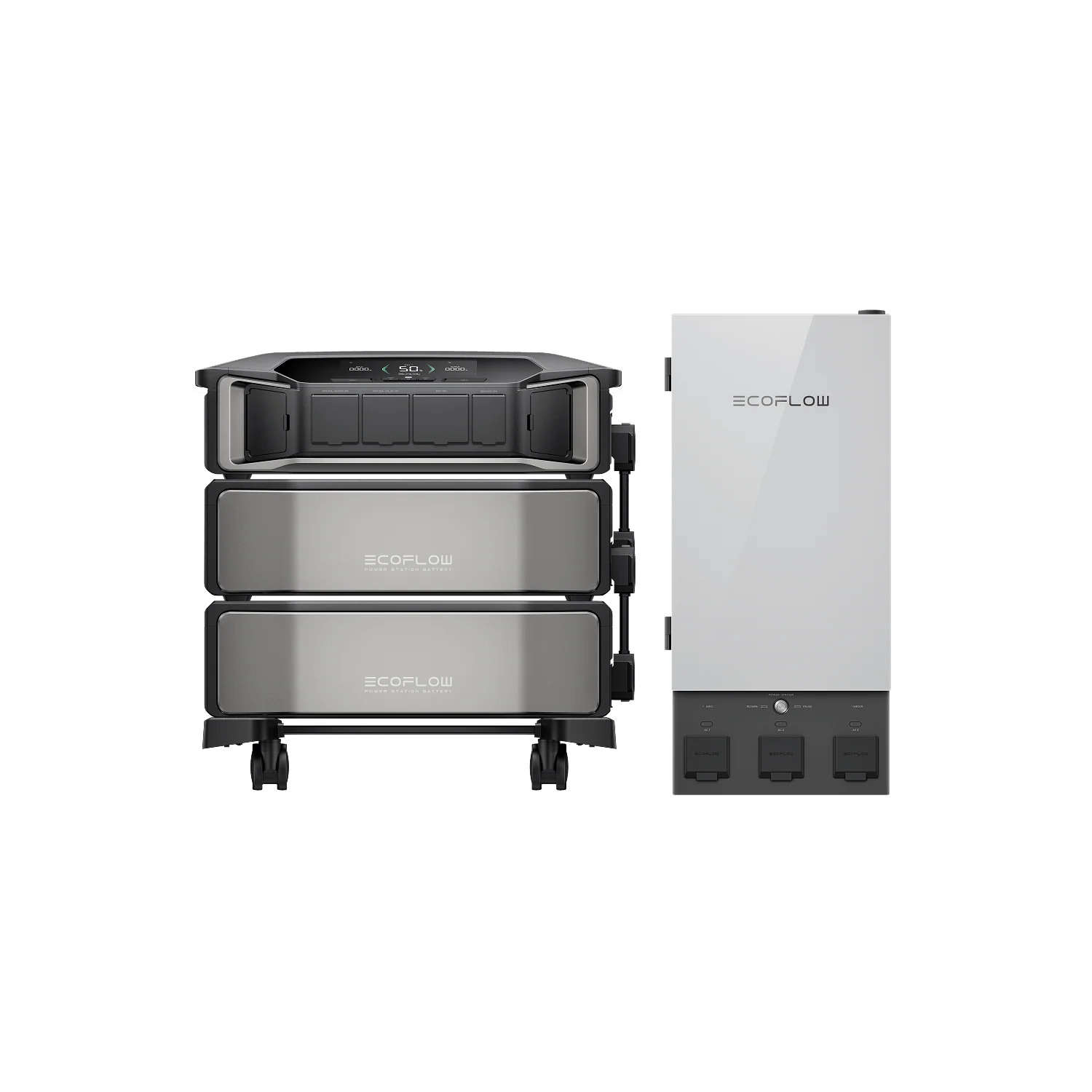
For households looking to better improve energy efficiency and resilience, battery storage systems, such as the EcoFlow DELTA Pro Ultra, can complement broader energy-saving strategies, especially when paired with solar to store and use energy more efficiently.