Heat Recovery Ventilators (HRVs): Why Every Modern Canadian Home Needs One
- Decode HRVs vs ERVs: Roles, Definitions, and Certifications
- Understand Why Tighter Building Envelopes Need Ventilation
- How HRVs and ERVs Keep Heat In While Introducing Fresh Air
- Compare HRV and ERV: Which Is Right for Your Climate, Home, and Lifestyle
- Integrating Portable Power Stations with a Smart Ventilation Plan
- Frequently Asked Questions
- Power Your Home Sustainably with EcoFlow’s Power Stations
In Canada’s frigid winters, keeping a home warm often comes at the cost of stale and stuffy air and rising energy bills. Traditional ventilation methods often struggle to balance comfort, efficiency, and indoor air quality, which leaves homeowners searching for smarter solutions.
A sensible solution can come in the form of heat recovery ventilators (HRVs). They’re innovative systems quietly transforming the way Canadian homes breathe. With energy efficiency and fresh air at their core, HRVs are becoming a cornerstone of modern and sustainable living.
Decode HRVs vs ERVs: Roles, Definitions, and Certifications
HRV stands for heat recovery ventilator, while ERV stands for energy recovery ventilator. Both are designed to improve indoor air quality by exchanging stale indoor air with fresh outdoor air, but they handle energy differently.
HRVs focus on transferring heat from outgoing air to incoming air and keep homes warm in winter and cool in summer. ERVs, on the other hand, transfer both heat and moisture. This helps maintain balanced humidity levels in your home.
Understand Why Tighter Building Envelopes Need Ventilation
Modern Canadian homes are built with tighter building envelopes to improve energy efficiency, thus sealing gaps that once allowed air to flow naturally. While this keeps heating and cooling costs down, it also reduces the home’s natural air exchange, which can lead to stuffy air, moisture buildup, and potential indoor air quality issues.
Controlled ventilation systems, like HRVs and ERVs, are essential for maintaining a healthy and comfortable environment. For homeowners who are exploring energy-efficient home improvements, adding proper ventilation is important.
How HRVs and ERVs Keep Heat In While Introducing Fresh Air
HRVs and ERVs work by recovering heat from outgoing indoor air and transferring it to the fresh air entering your home. In winter, warm air leaving the house passes through the system’s heat exchanger and warms the incoming cold air without mixing the two streams.
ERVs add another layer by also managing moisture transfer, thus maintaining balanced humidity. This process ensures a constant supply of fresh air while minimizing energy loss, which helps you make your house more energy efficient.
Compare HRV and ERV: Which Is Right for Your Climate, Home, and Lifestyle
Choosing between an HRV and an ERV requires considering your climate, home structure, and daily lifestyle. In Canada’s cold, dry winters, an HRV excels at retaining heat while continuously supplying fresh air, thus helping keep energy costs down. In regions with higher humidity, an ERV transfers heat and balances moisture, which reduces the risk of dampness, mould, and discomfort.
The design and airtightness of your home also matter. Newer and well-insulated homes with tight building envelopes benefit most from these systems, as natural air leakage is minimal. Meanwhile, households with larger families, frequent cooking, or multiple bathrooms may require higher ventilation rates to maintain optimal indoor air quality.
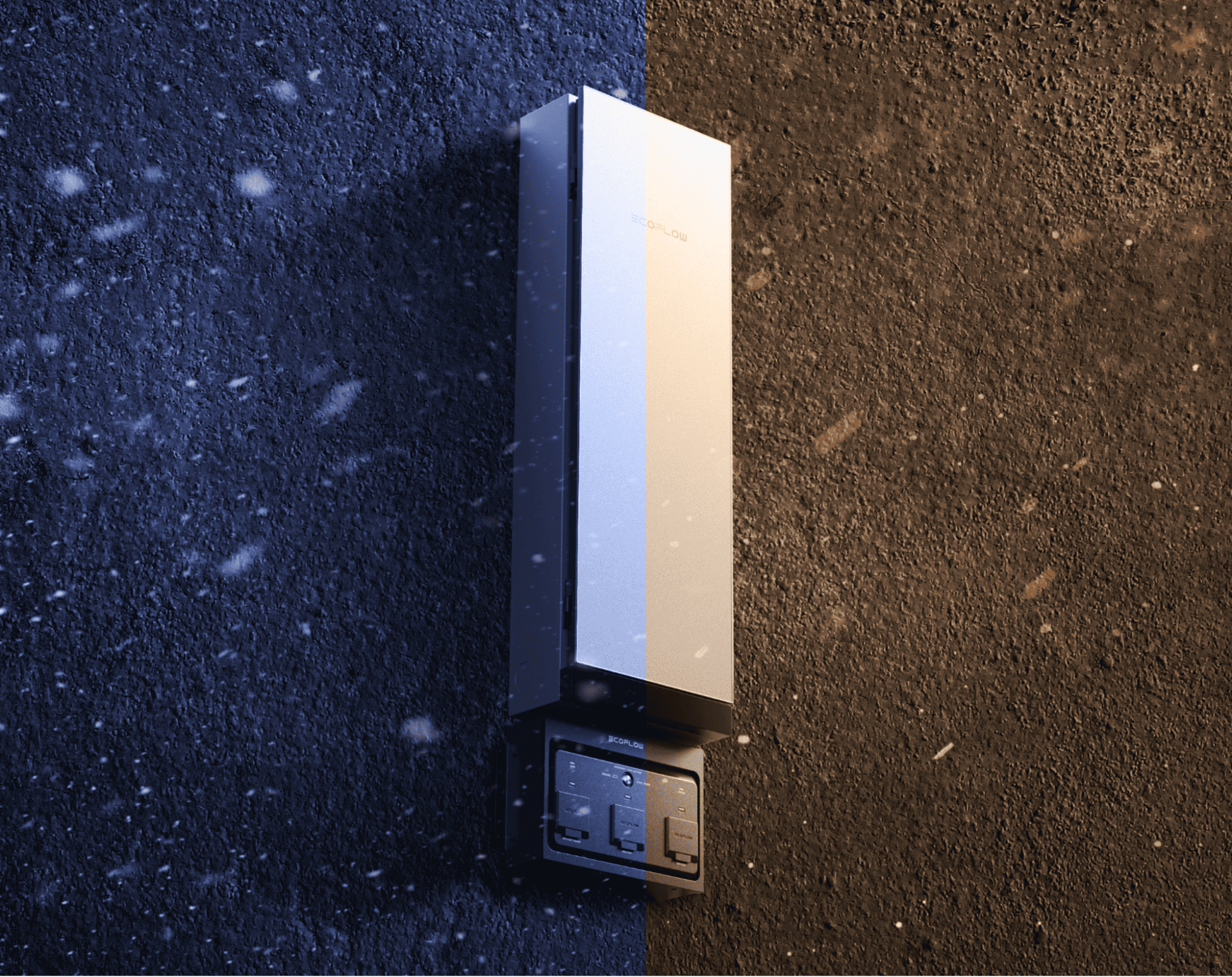
Lifestyle considerations extend to energy management and home infrastructure. Combining the right HRV or ERV with complementary systems, like a whole-home generator, ensures uninterrupted comfort, air quality, and efficiency even during extreme weather events.
Integrating Portable Power Stations with a Smart Ventilation Plan
Portable power stations can play a key role in maintaining a reliable and efficient home ventilation system. By providing backup power during outages or peak demand periods, these units ensure that HRVs and ERVs continue to operate and maintain indoor air quality and comfort without interruption.
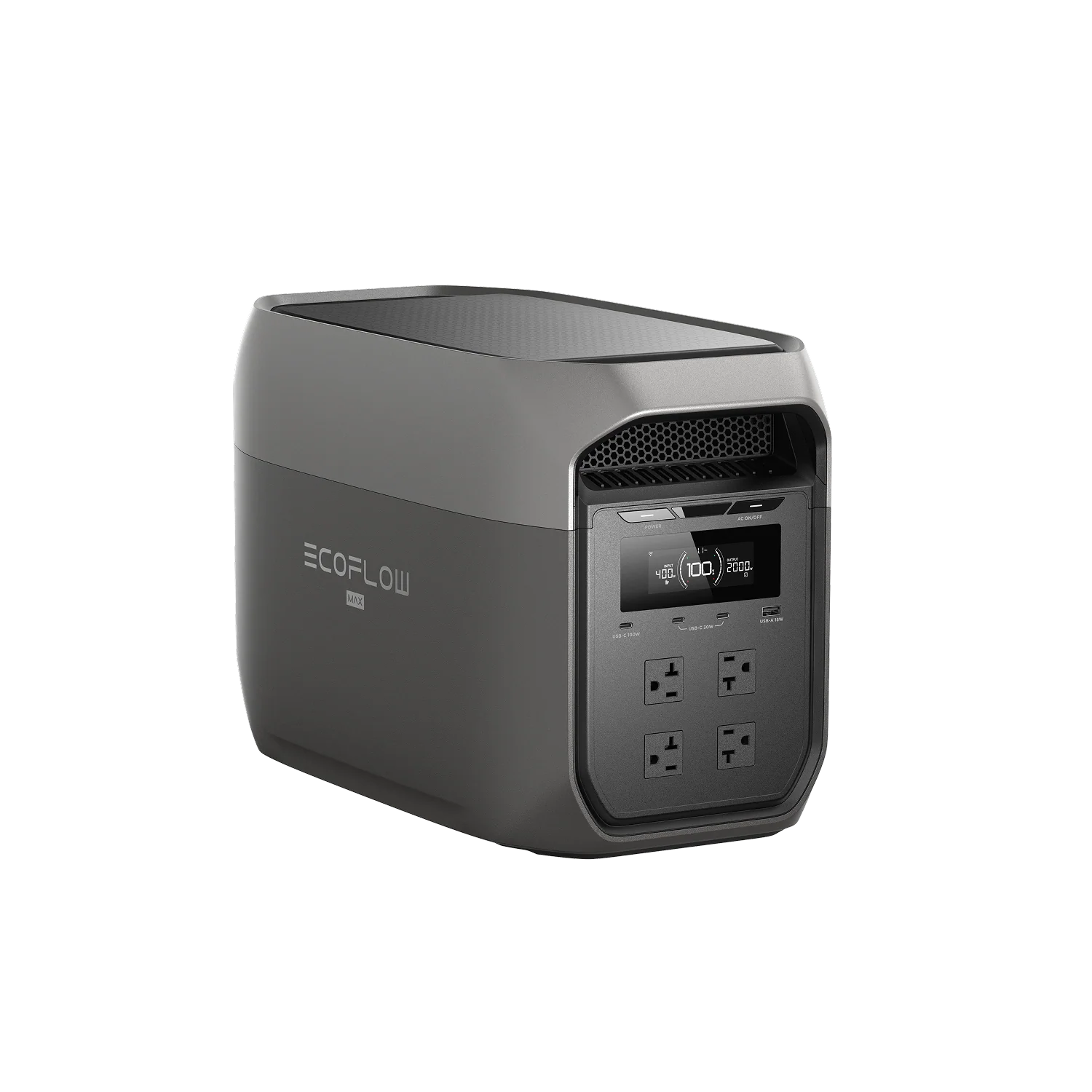
They also allow for better energy management and help homeowners balance electricity usage and reduce reliance on the grid. For those looking to combine reliability with efficiency, the EcoFlow DELTA 3 Max Series portable power station offers a powerful solution to support smart ventilation and overall home energy strategies.
Frequently Asked Questions
What Is a Heat Recovery Ventilation HRV System?
A heat recovery ventilation (HRV) system is a ventilation system that brings fresh outdoor air into a building while recovering heat from outgoing stale air, which can improve indoor air quality and energy efficiency. It helps maintain a consistent indoor temperature and reduces heating or cooling costs. HRVs are especially useful in well-insulated homes where natural airflow is limited.
What Is the Difference Between HRV and ERV in Canada?
In Canada, HRV (heat recovery ventilator) and ERV (energy recovery ventilator) both exchange indoor and outdoor air to improve ventilation. The key difference is that an HRV transfers only heat, while an ERV transfers both heat and moisture, and thus makes ERVs better for balancing humidity in homes. Choosing the right system depends on your climate and indoor humidity needs.
Is an HRV Worth the Money?
For many Canadians, an HRV is a worthwhile investment. It improves indoor air quality while recovering heat that may otherwise be lost, helping to reduce heating costs. HRVs deliver the most value in newer, well-insulated, airtight homes where natural ventilation is limited.
Power Your Home Sustainably with EcoFlow’s Power Stations
As Canadian homes become more airtight and energy efficient, maintaining healthy indoor air quality is no longer optional—it’s essential. Heat recovery ventilators (HRVs) and energy recovery ventilators (ERVs) solve this challenge by delivering continuous fresh air while minimizing heat and energy loss, which makes them a smart fit for modern and well-insulated homes. Choosing the right system depends on climate, humidity needs, and lifestyle, but the goal is the same: consistent comfort, lower energy bills, and healthier living spaces.
For homeowners looking to future-proof their energy strategy and support essential home systems sustainably, solutions like the EcoFlow DELTA Pro Ultra X offer a powerful but flexible way to keep your home running efficiently, no matter the weather.