How to Plan a Road Trip: A Step-by-Step Guide
- Step 1. Decide Where the Road Trip Starts and Ends
- Step 2. Build a Road Trip Route That Makes Sense
- Step 3. Decide How Far to Drive Each Day
- Step 4. Choose Overnight Stops and Book What Matters
- Step 5. Set a Realistic Road Trip Budget
- Step 6. Prepare Your Vehicle Before a Long Road Trip
- Step 7. Plan Food, Water, and Power for the Drive
- Step 8. Pack Road Trip Safety and Emergency Essentials
- Step 9. Prepare Navigation and Important Information Offline
- Step 10. Create a Flexible Day-by-Day Road Trip Itinerary
- How to Plan a Birthday Road Trip
- Final Road Trip Check Before You Leave
- Conclusion
- Frequently Asked Questions
A good road trip balances five things: the places you want to see, the days available, realistic daily driving distances, your budget, and a vehicle that is ready for the route. Miss one, and the trip can quickly turn into a driving marathon.
The 10 steps below explain how to plan a road trip that covers real ground without packing every hour. Vehicle checks come later, but preparation matters too. Transport Canada’s road trip planning guidance recommends checking conditions, knowing your vehicle, and carrying appropriate emergency supplies.
Power RV and Camping Gear with EcoFlow DELTA 3 Max Plus
Most steps apply to any vehicle or trip length. Step 7 is more specific: the EcoFlow DELTA 3 Max Plus and 800W Alternator Charger suit RV travel and vehicle-based camping, not drivers who only need to keep a phone charged.
Step 1. Decide Where the Road Trip Starts and Ends
The following four decisions should come before mapping road trips, because they set the boundaries for every route, stop, and driving day that follows:
Starting point and final destination.
Whether the journey is one-way or a round trip.
Total travel days available, including the return.
Main destinations worth shaping the route around.
Before adding stops, see how the total drive fits into the days you have. And if you are coming back by road, don't forget to allow for that drive too.
Step 2. Build a Road Trip Route That Makes Sense
How to plan a birthday road trip depends a lot on the route. Before you choose one, check these factors:
Route Factor | What To Check |
Total Distance | The full mileage, including the return leg |
Estimated Driving Time | Realistic hours rather than best-case mapping estimates |
Overnight Destinations | Towns spaced sensibly along the route |
Fuel or Charging Stops | Gaps between stations, which matter more for EVs |
Scenic Stops and Attractions | What is close to the route rather than a detour |
Road Conditions | Gravel sections, mountain passes and construction |
Toll Roads | Where they apply and how payment works |
Seasonal Closures | Highways and parks that shut outside summer |
Group attractions geographically rather than only by how much you want to see them. Sights close to each other can often fit into the same day, reducing unnecessary driving and backtracking. Check when each place opens and how long you are likely to stay.
Then download the route so you can still follow it if your signal drops. Our Cross-Canada road trip with portable solar guide gives an example of breaking a longer drive into separate legs.
Step 3. Decide How Far to Drive Each Day
Daily distance is where many itineraries fail. There is no universal number, so work from your own tolerance:
Set a driving limit you know you can repeat day after day.
Count meal, fuel, restroom, and sightseeing stops in the day’s timing.
Leave room for traffic, weather, and roadworks.
Resist filling every available hour with driving.
Learning how to prepare for a long road trip also means planning breaks before fatigue sets in. These road trip tips from Samantha Brown offer additional advice on pacing, stops, and planning the drive. A workable day might follow this shape:
Part Of The Day | What It Covers |
Morning Departure | An early start while roads are quiet and energy is high |
Main Driving Block | The longest continuous stretch of the day |
Meal and Rest Stop | A proper break away from the vehicle |
Attraction or Scenic Stop | The reason this route was chosen over a faster one |
Second Driving Block | A shorter leg, since fatigue builds through the afternoon |
Arrival and Overnight Stay | Arriving with daylight left to find the accommodation |
Treat this as a framework rather than a fixed schedule, since comfortable driving times vary by traveler, route, traffic, and conditions.
Step 4. Choose Overnight Stops and Book What Matters
Overnight stops should fall where the driving naturally ends, not simply where the nicest hotel happens to be. As you work out how to plan a road trip, look for overnight stays along the way so you are not adding extra driving:
Pick locations that sit on or close to the route.
Compare hotels, motels, campgrounds, and RV sites for each stop.
Check parking before booking, particularly downtown or when towing a trailer.
Reserve early for long weekends, summer travel, and popular parks.
Confirm whether major attractions require advance tickets or permits.
This road trip planning guide goes into more detail on routes, places to stay, and costs. Reserve the important overnight stops first but keep a few nights open if your plans change. One or two open evenings give you room to linger somewhere worthwhile or stop early when conditions change.
Step 5. Set a Realistic Road Trip Budget
These seven categories cover most road trip expenses. When deciding how to plan a road trip, estimate each one separately rather than relying on a single total:
Cost Category | How to Estimate It |
Fuel or EV Charging | Route distance divided by your vehicle's real efficiency |
Accommodation | Nightly rate multiplied by nights, with peak-season markup |
Food and Drinks | A daily figure per traveler, split between groceries and meals out |
Attractions and Activities | Entry fees and permits for everything on the route |
Parking and Tolls | City parking rates and any toll highways you cross |
Vehicle Preparation | Servicing, tires and anything the pre-trip check turns |
Emergency Fund | A contingency held back rather than allocated |
Fuel deserves a calculation rather than a guess. Estimate the fuel required from your route distance and vehicle consumption, then multiply it by a realistic price per liter.
For unexpected costs, it helps to have some cash set aside. See the Government of Canada’s emergency fund guide for more on this.
Step 6. Prepare Your Vehicle Before a Long Road Trip
If you are figuring out how to prepare for a long road trip, give the vehicle a proper check before you go. Start with these 5 things:
Tire tread and pressure, including the spare.
Fluid levels and any scheduled maintenance that is due.
Spare tire or tire-repair kit, along with the tools needed to use it.
Exterior lights, wipers, and washer fluid.
Insurance, registration, and roadside-assistance details kept accessible.
Do these checks a few days before the trip, so there is time to fix anything that comes up. This road trip planning guide has more tips on getting ready. With a rental car, take photos when you pick it up. Also find out who to call if the car breaks down.
Step 7. Plan Food, Water, and Power for the Drive
Long stretches between services make food, water, and power an important part of how to plan a road trip, particularly when camping or traveling through remote areas.
Keep drinking water within easy reach.
Pack simple snacks for stretches with limited services.
Use a cooler for food that needs to stay cold.
Plan charging for phones, navigation, cameras, and headphones.
Consider greater power capacity for RV travel, camping, or off-grid stops.
A standard 12V vehicle outlet may be enough for basic device charging. Add RV appliances, camping equipment, or extended time without hookups, however, and a portable power station becomes more practical. Our guide to portable power stations in Canada explains the available charging options.
EcoFlow DELTA 3 Max Plus with the 800W Alternator Charger
For travelers with higher electrical demands, the EcoFlow DELTA 3 Max Plus provides 2,048Wh of capacity and 3,000W of output, making it suitable for powering compatible camping and RV equipment. Actual runtime depends on the wattage and duration of each load.
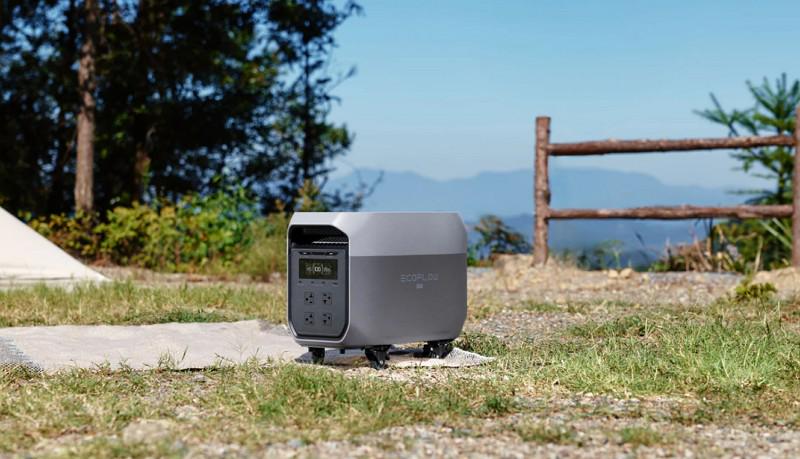
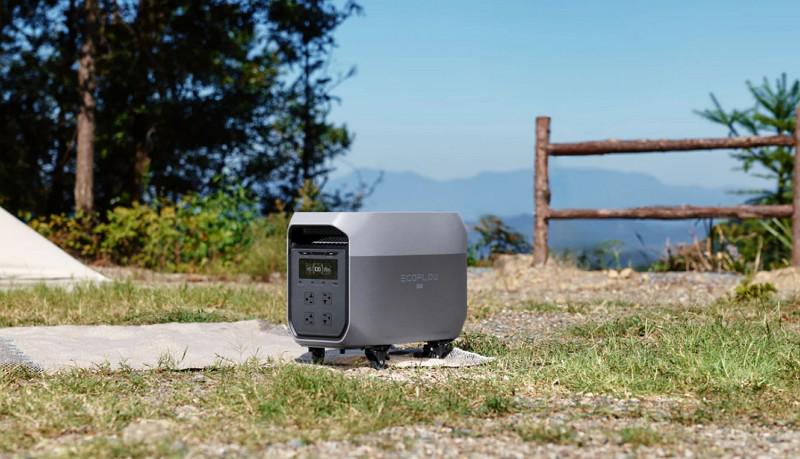
Pairing it with the EcoFlow 800W Alternator Charger allows the power station to recharge while the vehicle is running. It can deliver up to 800W, compared with about 100W from a typical cigarette-lighter connection.
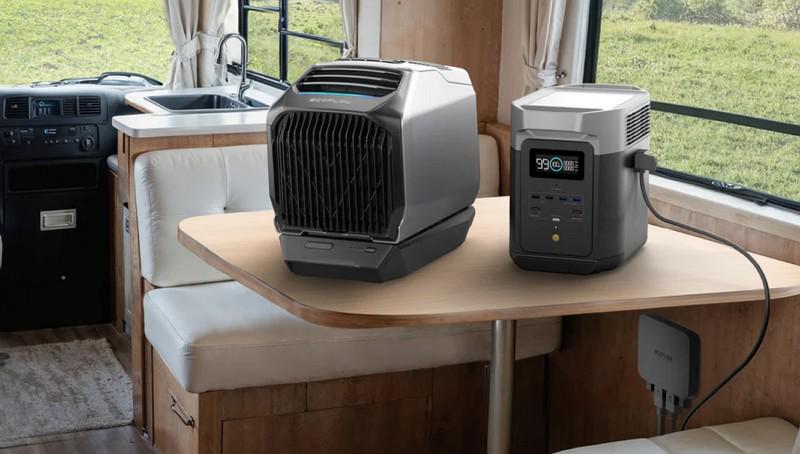
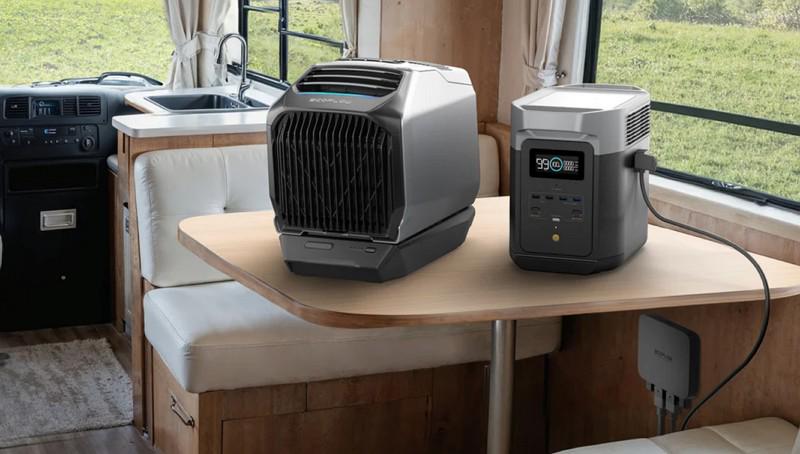
Key Specs
Up to 800W charging while driving.
At maximum output, about 1kWh can be added in roughly 1.3 hours.
Supports charging, battery maintenance, and reverse-charging modes.
Designed for compatible 12V and 24V vehicle electrical systems.
Actual charging power depends on the surplus available from the vehicle's alternator, so not every vehicle will reach 800W. EcoFlow also recommends professional installation where appropriate. For trips that combine driving with solar charging, see our guide to using a portable solar generator for a road trip.
Step 8. Pack Road Trip Safety and Emergency Essentials
Breakdowns can happen where cell coverage is limited, so emergency supplies belong on the checklist regardless of the vehicle's age. When deciding how to plan a road trip, prepare the safety kit for the route, season, and people traveling:
First-aid kit stocked for everyone traveling.
Flashlight or headlamp with working batteries.
Jumper cables or a portable jump starter.
Tire-changing tools or a repair kit you know how to use.
Reflective triangles or other roadside warning devices.
Backup battery for phones.
Essential medication kept accessible in the cabin.
Pack for the road you will actually be driving. In winter, that may mean adding a blanket, shovel, and something for traction. Heading somewhere remote? Carry extra food and water too. See our road trip essentials guide for what else to bring.
Step 9. Prepare Navigation and Important Information Offline
How to prepare for a road trip also means being ready to lose cell service. On some remote Canadian roads, that can happen, so save these before you leave:
Download offline maps for the full route, not just the destination.
Save accommodation addresses and booking references locally.
Store attraction reservations and tickets offline.
Keep emergency and roadside-assistance numbers somewhere accessible.
Carry a paper map or printed route for remote travel.
Check the route again the day before departure for road conditions, closures, construction, and weather that could affect the drive. Transport Canada recommends checking weather before traveling and using provincial or territorial traveller-information services for current road conditions. You can also check official Environment and Climate Change Canada weather alerts before setting out.
Step 10. Create a Flexible Day-by-Day Road Trip Itinerary
For how to plan a road trip, pull everything into a single flexible table, at roughly the level of detail shown below:
Day | Start | Destination | Driving | Main stop | Overnight | Notes |
1 | Toronto | Sudbury | About 4h | Georgian Bay lookout | Sudbury hotel | Book ahead in summer |
2 | Sudbury | Sault Ste. Marie | About 3.5h | Science North | Waterfront motel | Fuel before leaving |
3 | Sault Ste. Marie | Wawa | About 3h | Lake Superior shoreline | Campground | Limited services north |
Structure is the goal rather than a timetable. Fix the overnight stops and the one thing you want to see each day, then leave the hours between them open. That is where the good parts happen.
How to Plan a Birthday Road Trip
When deciding how to plan a birthday road trip, the celebration matters more than the distance covered.
Choose the destination around what the birthday person enjoys.
Build in one main experience rather than several competing ones.
Pick a memorable meal or a special overnight stay.
Keep driving light on the celebration day itself.
Prepare music, snacks, decorations, or a small in-car surprise.
Resist the urge to add destinations. An itinerary crammed with driving leaves nobody rested enough to enjoy the celebration, and one well-chosen experience beats three rushed ones.
Final Road Trip Check Before You Leave
Once you know how to plan a road trip, work down this final checklist on the evening before you set off:
Look up the weather and road conditions along the full route.
Confirm every accommodation booking you have made.
Review the route, and the fuel or charging stops along it.
Fill the tank or bring the vehicle to a full charge.
Download offline maps covering the whole journey.
Charge phones, cameras and any power equipment.
Go through the emergency kit and replace anything used.
Load food and water where you can reach them while driving.
Check that licence, insurance and registration are in the vehicle.
Send the route and your rough timings to someone at home.
Conclusion
A successful trip starts with how to plan a road trip around realistic routes, daily distances, budgets, bookings, vehicle checks, and offline navigation. Leave enough flexibility for unexpected changes along the way. For RV, camping, or off-grid journeys, EcoFlow provides portable power solutions to keep essential devices charged.
Frequently Asked Questions
1. How far in advance should you start planning a road trip?
Four to six weeks suits most trips, allowing time for servicing and for booking accommodation before it fills. Long weekends and popular national parks deserve two to three months, since campgrounds and permits go early. A weekend drive needs only a few days.
2. Is it cheaper to take a road trip or fly?
Driving usually wins for groups and loses for solo travellers over long distances. Fuel and accommodation stay roughly flat however many share the vehicle, while airfares multiply per passenger. Compare total cost including parking, tolls and extra nights rather than fuel alone.
3. How often should you stop during a long road trip?
A break every two hours or so is the common guidance, and it matters more than the exact interval. Stop before you feel tired rather than after, since alertness declines well before drivers notice. Longer meal breaks away from the vehicle restore concentration better than brief fuel stops.
4. What is the best day of the week to start a road trip?
Leaving early on a weekday morning usually means the lightest traffic and the best accommodation availability. Friday afternoons and long-weekend Saturdays are the worst departure slots in most Canadian corridors. Where the schedule allows, an early Tuesday or Wednesday start avoids both problems.
5. How do you plan a road trip when traveling with children?
Shorten the daily driving and stop more often than you would alone. Aim for breaks with somewhere to run rather than a fuel forecourt and time long legs around naps. Pack entertainment and snacks within reach of the back seats.