Emergency Preparedness Week Canada 2026: Stay Powered, Stay Safe
Emergencies can happen anywhere at any time. From coast to coast, Canadians experience winter storms, spring floods, summer wildfires, and other emergencies. That’s why this year’s Emergency Preparedness Week theme focuses on “Be Prepared. Know Your Risks.”
This message is intended to encourage Canadians to understand the common risks in their area and take practical steps to prepare.
This article explains the common emergencies we may face, the importance of reliable power during emergencies, and how to assemble an emergency supply kit.
Why Emergency Preparedness Matters Across Canada
Emergency Preparedness Week (EP Week) is a national initiative to educate Canadians about emergencies and help them prepare to protect their homes, families, and communities during the next emergency.
This year, EP Week will be held from May 3 to 9, 2026, and the theme is “Be Prepared. Know Your Risks."
Your particular risks will depend partly on where you live, such as hurricanes in the Atlantic provinces and earthquakes in British Columbia.
Learning your risks, preparing your emergency supply kit, and practicing a family emergency plan appropriate for those risks is essential to keep your home and family safe, whether you’re preparing for emergencies in cities or well off the beaten path.
The Importance of Reliable Power During Emergencies
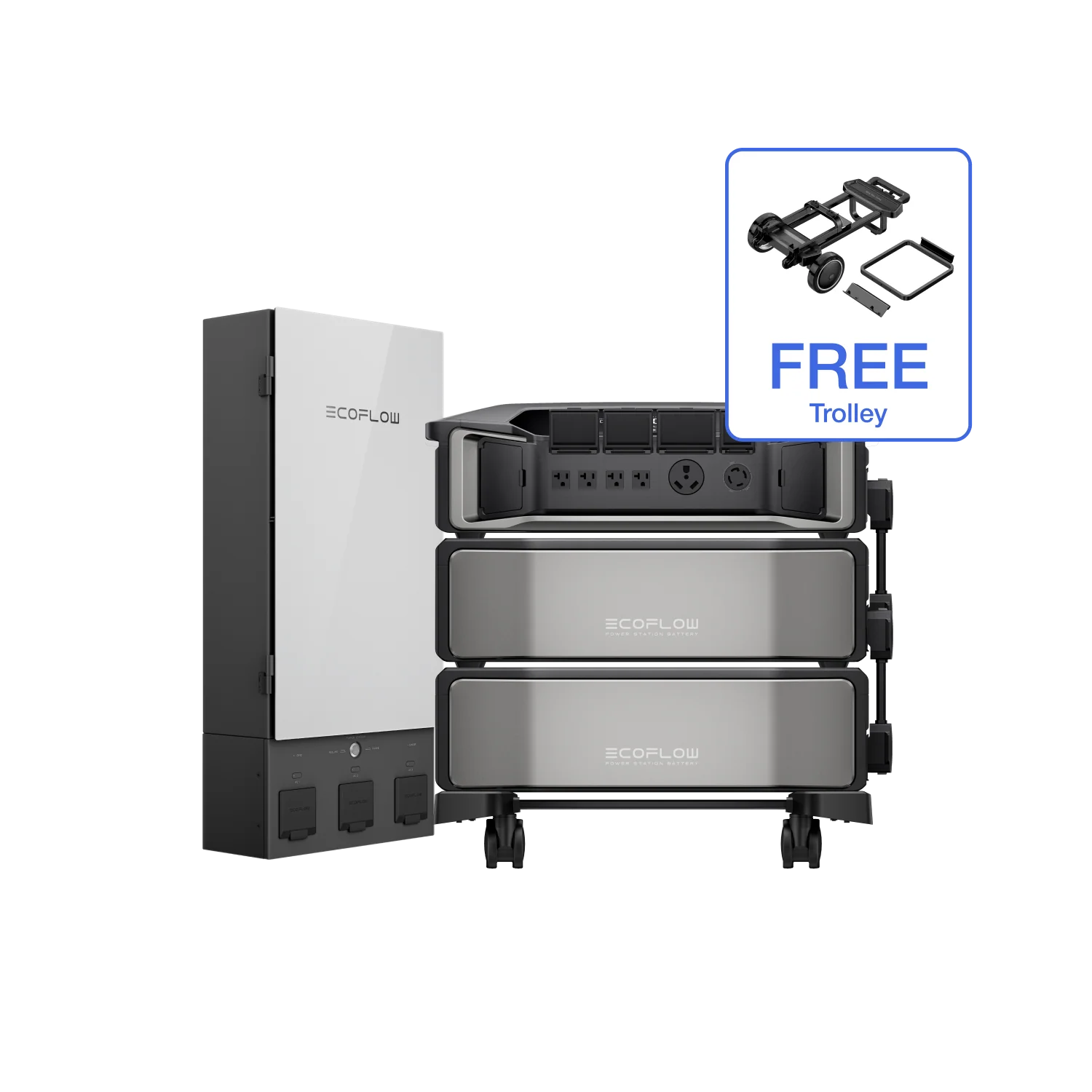
Emergencies like storms and wildfires often result in power outages, which is why having whole-home backup power — such as the EcoFlow DELTA Pro 3 for portable backup during outages or the EcoFlow DELTA Pro Ultra for larger, home-wide coverage — is strongly recommended.
Backup power is essential to stay connected so we can monitor emergency alerts and ensure phones, lights, and medical equipment like ventilators or CPAP machines keep working.
It also ensures your food doesn’t spoil in your refrigerator or freezer. Plus, it can be used to run electric heat during winter storm power outages or to run air conditioners during summer heat waves to keep your home and family safe.
12 Common Emergencies Canadians Should Prepare For
There are numerous types of emergencies, and the ones you should prepare for depend partly on your location. Some emergencies, such as heat waves and winter storms, may happen anywhere, while others, like hurricanes and earthquakes, are more region-specific.
Here are the most common types of emergencies to prepare for:
Earthquakes (especially in British Columbia)
Floods
Household fires
Heat waves
Hurricanes (Atlantic provinces)
Landslides
Power outages (which often accompany other emergencies)
Thunderstorms
Tornadoes (especially in the prairies, Ontario, and Quebec)
Tsunamis (Pacific and Atlantic coastal regions, meteotsunamis on the Great Lakes)
Wildfires
Winter storms
Since many of these can occur with little warning and cause extensive damage, preparation is the best way to mitigate risks.
Assembling an Emergency Supply Kit
After we have identified our potential risks, we need to gather our supplies for Emergency Preparedness Week.
First, take stock of what you already have, and then make a list of what you need.
Then, identify hazards in and around your home, such as flammable materials next to the house, cracks in your foundation, or loose lawn furniture that could be blown around and cause damage in high winds.
Finally, for your home insurance, take a photographic inventory of your home to document potential losses.
Next, ensure you have the following basic emergency supplies, kept in a bin or backpack that you can easily grab and go if you need to evacuate:
Complete first aid kit
Nonperishable food for each person (and pets) for at least 3 days
4 L (1 gallon) of water per person (and pets) per day for at least 3 days
Any necessary medications
LED flashlights and lanterns (rechargeable)
Warm clothes and blankets for all family members
Emergency radio
Emergency whistle
Indoor-safe, battery-operated backup power system
Finally, create a family emergency plan including who to contact, where to go, and what to do in different emergencies.
EP Week is the perfect time to practice your plan every year and adapt it if your household changes.
Preparing for Power Outages
Since power outages often accompany winter storms, heat waves, wildfires, and other emergencies, being self-sufficient is critical to ensure you can keep your essential appliances running.
In some parts of Canada, especially remote areas, we’re more likely to experience extended power outages that last more than 24 hours, which could be risky during a winter storm without heat.
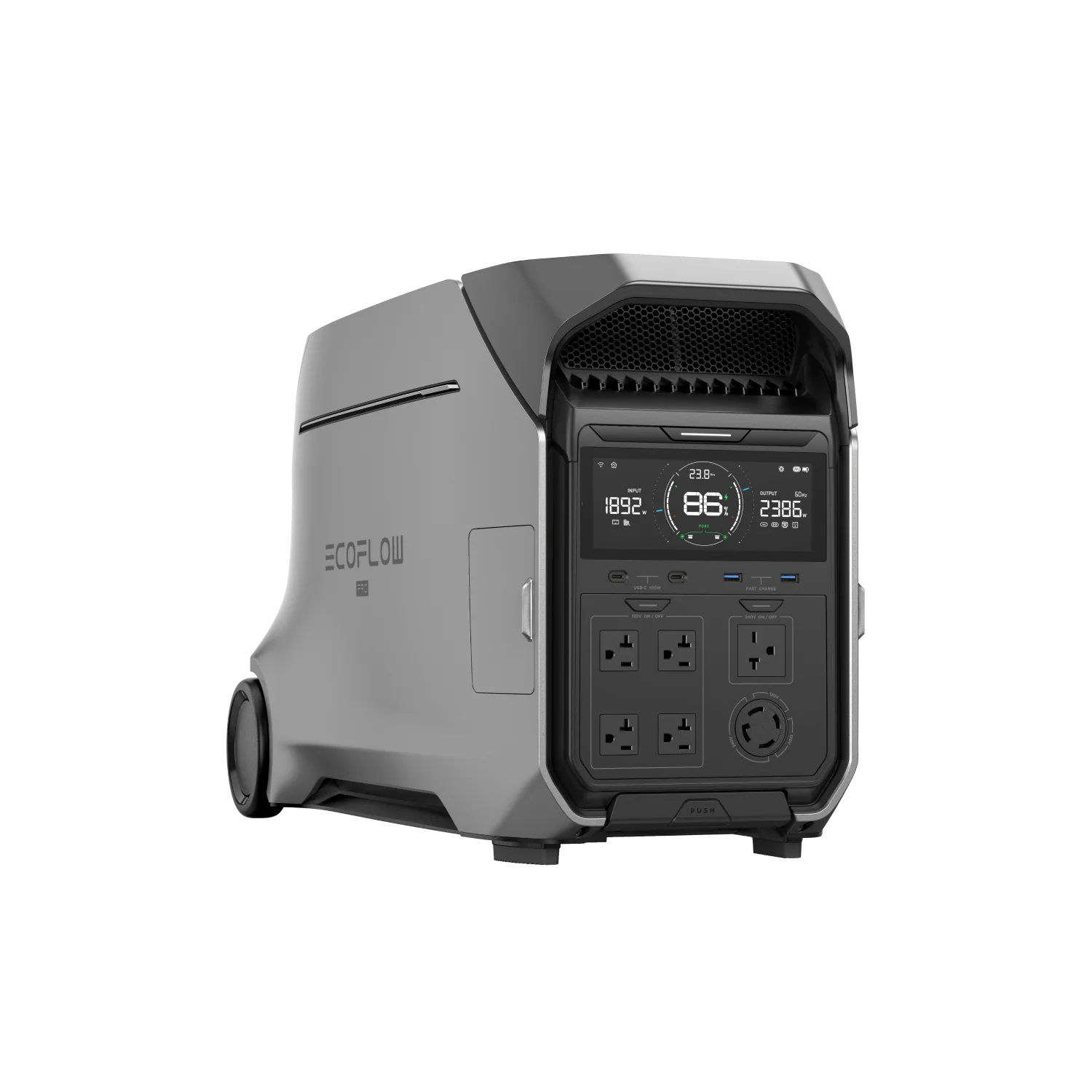
The safest backup power is a battery-operated system like the EcoFlow DELTA Pro 3, as it doesn’t produce any emissions. This makes it safe to use indoors (when used as directed) without the risk of dangerous air pollutants like particulate matter, carbon monoxide, and other pollutants that come from gas generators.
It also operates at just above a whisper, so you can even use it in your bedroom at night.
Additionally, with 4000 W of output and the ability to run 120 V/240 V appliances, you can power most essential household appliances. If you need more energy, it’s easily expandable with additional batteries up to 48 kWh.
Frequently Asked Questions
When is Emergency Preparedness Week?
This year, Emergency Preparedness Week is from May 3 to 9, 2026, and this year’s theme is “Be Prepared. Know Your Risks.” The goal is to understand the emergency risks unique to your area and how to prepare for them.
What Emergencies Are Most Common in Canada?
The most common emergencies in Canada are winter storms, flooding, wildfires, and extended power outages lasting over 24 hours. However, additional emergencies include tornadoes, hurricanes, earthquakes, landslides, and tsunamis.
Final Thoughts
Emergency Preparedness Week is an annual reminder that a little prep can make a big difference during the next emergency.
By understanding the risks unique to your area, assembling an emergency supply kit, and creating a solid family plan that you practice each year, you can respond quickly and more effectively when a disaster strikes.
Reliable backup power from an indoor-safe battery backup system like the EcoFlow DELTA Pro 3 is equally essential since Canadian emergencies are often accompanied by outages that could last for days and disrupt access to heating, lighting, and critical devices.
But with the right preparation and reliable power, families everywhere can face emergencies with safety and comfort.