El Niño vs. La Niña: How to Prepare for Severe Weather in Canada
- What Are El Niño and La Niña?
- How El Niño and La Niña Affect Global Weather
- How El Niño and La Niña Impact Canada Specifically
- How Often Do They Occur and Can We Predict Them?
- Powering Through the Storm: How Canadians Can Stay Prepared
- Checklist: What to Include in a Basic Emergency Power Kit
- Conclusion
- FAQ
From ice storms in Quebec to wildfire seasons in British Columbia, extreme weather is a recurring feature of life across Canada. These events are influenced by global climate systems originating far beyond North America.
As summer approaches, Canada shifts from winter hazards to heatwaves and wildfire risk—both shaped by large-scale ocean patterns such as El Niño and La Niña, part of the El Niño–Southern Oscillation (ENSO) cycle.
In this guide, we’ll look at how El Niño and La Niña shape weather across Canada and how to prepare when these phases shift.
What Are El Niño and La Niña?
The El Niño–Southern Oscillation (ENSO) is a climate pattern driven by changes in sea surface temperatures in the equatorial Pacific. It plays a major role in shaping global wind and pressure systems.
Depending on whether the ocean waters are warmer (El Niño) or cooler (La Niña) than average, the system shifts between two phases that influence weather patterns worldwide, including Canada.
Understanding the El Niño Phenomenon (The Warm Phase)
El Niño is the warm phase of the ENSO cycle. It happens when the usual Pacific trade winds weaken, allowing warm surface water to drift eastward across the equatorial Pacific.
As this warm water spreads across the Pacific, it shifts the Pacific jet stream further south, trapping storm tracks over the southern U.S. and leaving much of Canada under the influence of milder Pacific air. For many parts of Canada, El Niño tends to increase the likelihood of a milder winter and below-average snowfall. However, for ski enthusiasts hoping for deep powder conditions, it’s rarely the news they want to hear.
Understanding the La Niña Phenomenon (The Cool Phase)
La Niña is the opposite phase, when Pacific trade winds strengthen instead of weaken. This pushes warm water west toward Asia and allows colder deep water to rise along the eastern Pacific near South America.
As a result, a large area of the eastern Pacific becomes cooler than normal. In North America, La Niña often alters the jet stream pattern in a way that allows colder Arctic air to move farther south into Canada. The result is often colder winters, heavier snow, and more frequent winter storms in many regions.
How El Niño and La Niña Affect Global Weather
Changes in Pacific ocean temperatures can influence weather patterns far beyond the region.
Temperature and precipitation changes worldwide
When ENSO shifts, it changes how heat is distributed around the globe and disrupts normal seasonal patterns. El Niño typically brings heavy rain to parts of South America and the southern U.S., while regions like Australia, Indonesia, and Southeast Asia turn much drier. La Niña flips the pattern — wet regions become drier, dry regions get wetter, and areas that rarely see fires can suddenly face serious wildfire risk.
Impacts on hurricanes and jet streams
These ocean temperature changes also have a direct impact on wind patterns and storm behavior. During El Niño, stronger wind shear over the Atlantic tends to weaken hurricanes before they make landfall, while tropical storm activity increases in the Pacific. La Niña does the opposite — weaker wind shear in the Atlantic creates more favorable conditions for hurricanes to form and intensify, sometimes tracking toward North America’s east coast.
Effects on global agriculture and water supply
Unstable storm patterns can also affect food and water systems. El Niño-related droughts can damage crops in regions like Australia and South Africa, driving up global food prices. La Niña, on the other hand, often brings excessive rainfall, flooding farmland across parts of Asia and disrupting both harvests and clean water supplies.
How El Niño and La Niña Impact Canada Specifically
While these patterns originate at the equator, Canada is often strongly affected by their atmospheric impacts. Canada’s large geography means that changes in the Pacific jet stream can affect seasonal weather patterns across the country as warm southern air collides with freezing Arctic fronts.
Regional Breakdown: El Niño vs. La Niña Effects Across Provinces
Because Canada spans six time zones, the consequences of El Niño and La Niña are felt differently depending on where you live in Canada.
British Columbia: Ski Droughts vs. Heavy Rain and Floods
During El Niño, BC residents often face noticeably warmer winters with reduced mountain snowpack, leaving ski resorts struggling. La Niña, on the other hand, often brings wetter conditions that increase the likelihood of atmospheric river events, coastal flooding, and landslides, followed in some years by colder mid-winter conditions and above-average snowfall in mountain regions.
Ontario & Quebec: Mild Winters vs. Severe Ice Storm Risks
Winters are often milder than average during El Niño. However, when La Niña becomes dominant, it creates a volatile storm track where freezing Arctic air collides with moist southern air masses, increasing the risk of winter storms that may include freezing rain and ice accumulation.
Prairie Provinces: Warmer Fluctuations vs. Extreme Cold and Grid Strain
The Prairies experience remarkable temperature swings under El Niño, enjoying breaks from their traditional deep-freeze. In contrast, La Niña often increases the likelihood of Arctic air outbreaks and extended cold spells, sometimes bringing temperatures below -40°C in the coldest parts of the Prairies. These conditions can significantly increase heating demand and place additional strain on the power grid. During severe cold snaps, ice buildup, equipment failures, and surging electricity demand can occasionally contribute to localized power outages. In those situations, a solar generator can help keep emergency lights, communication devices, and critical furnace fans running until utility service is restored.
Atlantic Canada
El Niño can sometimes shift winter storm tracks farther offshore, leaving the Atlantic provinces with a mix of milder and slushier winter conditions. La Niña can create conditions that favor stronger coastal storms and heavier precipitation, increasing the risk of winter blizzards, high winds, and coastal erosion from storm surges.
| Region | El Niño (Warm Phase) | La Niña (Cool Phase) |
|---|---|---|
| British Columbia | Mild winters, low mountain snow | Heavy rain, atmospheric rivers, floods |
| Ontario & Quebec | Unusually warm, minimal snow | Volatile storms, high ice storm risk |
| Prairie Provinces | Warmer temperature swings | Arctic air outbreaks, deep freezes |
| Atlantic Canada | Mild, slushy, storms push offshore | Higher blizzard risk, coastal storm surges |
How Often Do They Occur and Can We Predict Them?
Because ENSO has such a big impact on daily weather, predicting its timing is a key focus for meteorologists and emergency planners in Canada. While weather systems are never fully predictable, modern monitoring systems have made it much easier to track these shifts in advance. This predictive data plays a major role in shaping timely Canadian weather warnings when storms approach.
How Scientists Monitor Pacific Ocean Temperatures (The ENSO Index)
Scientists use networks of ocean buoys, satellites, and underwater sensors to continuously measure sea surface temperatures across the tropical Pacific. This data feeds into the Oceanic Niño Index (ONI), which tracks how much temperatures deviate from normal over a three-month period. Based on that, scientists can identify whether conditions are leaning toward El Niño, La Niña, or neutral.
Early Warning Systems and Seasonal Outlooks in Canada
Environment and Climate Change Canada uses this global data to issue seasonal outlooks months ahead. These forecasts help governments, utilities, and the agricultural sector prepare for potential risks, whether that’s a colder, snow-heavy winter or a hotter, higher wildfire-risk summer.
Why Long-Range Weather Forecasts Are Not Always 100% Accurate
Even with powerful supercomputers, long-term weather prediction remains complex. ENSO is only one of several climate drivers, and patterns like the Arctic Oscillation or sudden stratospheric warming can weaken or override its effects. That’s why seasonal forecasts are useful for trends, but not for exact timing.
Powering Through the Storm: How Canadians Can Stay Prepared
Knowing the science is useful, but what really matters is how you use it to protect your home. Investing in home power preparedness against Canada weather threats helps ensure your family stays comfortable when the grid fails.
Why Winter Extremes Often Cause Power Outages in Canada
When severe weather rolls in, the power grid is always on the front line. Heavy wet snow, ice buildup, and strong winds can snap tree branches and knock down transmission lines, leaving thousands of Canadian homes in the dark. In those situations, utility crews often get delayed by dangerous road conditions, leaving families to figure out how to keep the lights on and the house warm entirely on their own.
Portable Power Stations for Emergency Backup (Short-term Relief)
In summer, power outages are often caused by sudden severe storms, including intense thunderstorms in Ontario and Quebec, tornadoes across the Prairies, and weakened tropical systems affecting Atlantic Canada. These fast-moving weather events can knock down power lines in minutes, leaving whole neighborhoods in a blackout for hours or even a full day. When these short but disruptive outages strike, a reliable portable power station can provide valuable backup power.
It keeps the basics running when the grid goes down. You can charge phones, power the Wi‑Fi, run emergency lights, or keep a small fan going.
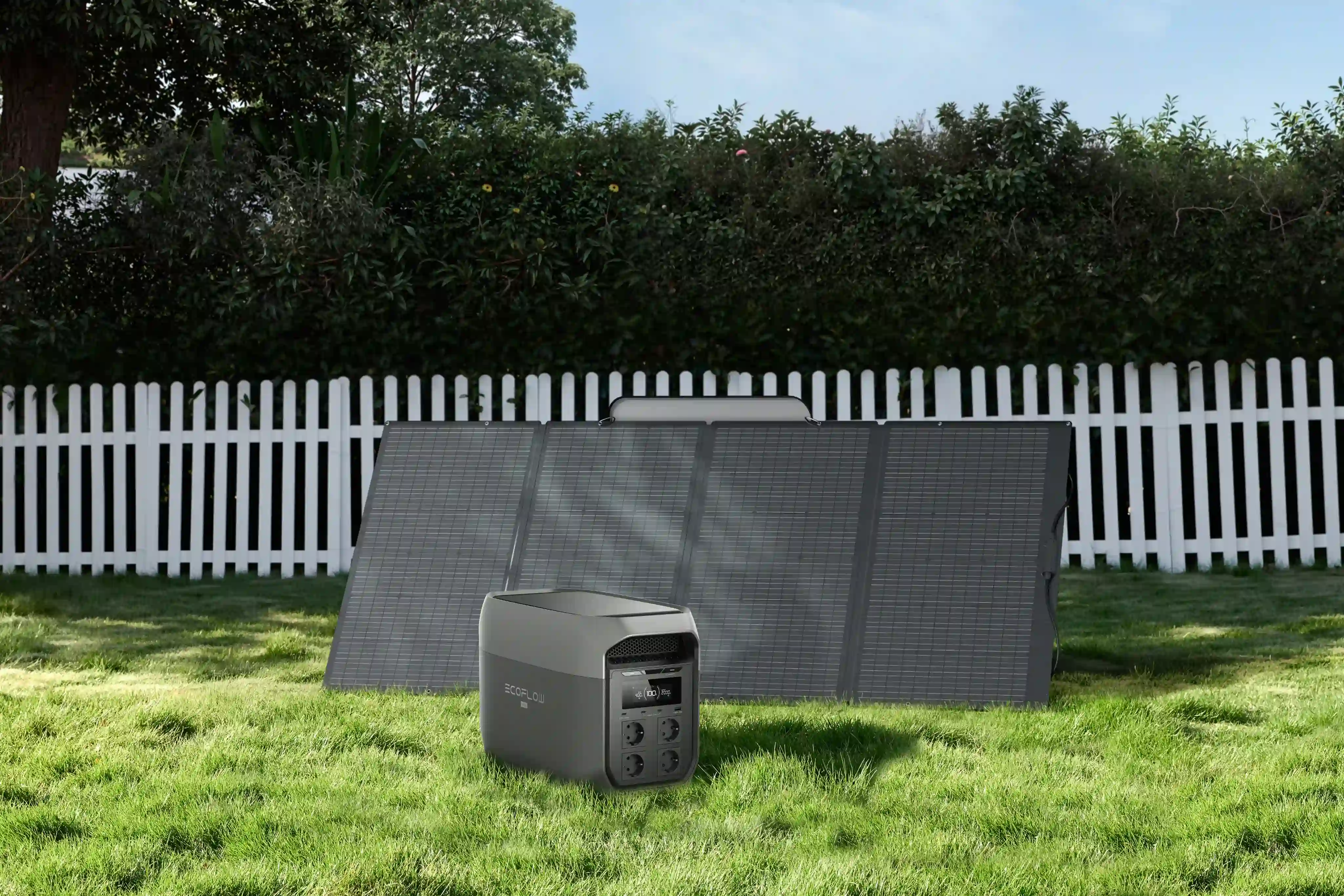
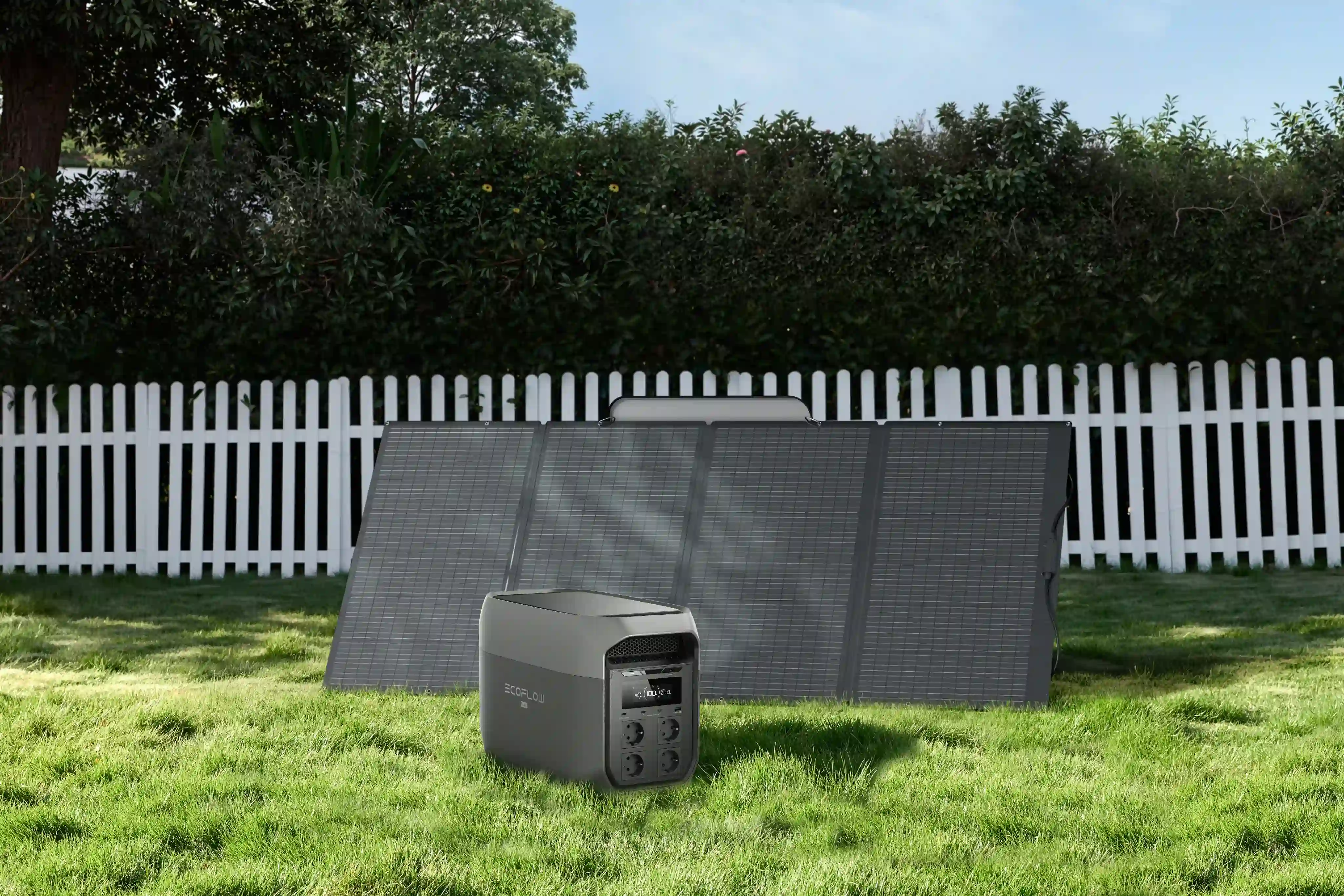
The EcoFlow DELTA 3 Max (2048Wh) + 400W Solar Panel works well for these sudden outages. One advantage is that it can be recharged using solar panels, which is useful during extended outages. On a long, sunny Canadian summer day, you can extend its runtime with that 400W solar panel and keep your essential gear running even when the grid stays down for hours. It provides enough capacity to keep your fans oscillating, the garage fridge humming, and the coffee maker running when the neighborhood goes dark.
Home Battery Backup Systems for Extended Grid Failures (Long-term Security)
When severe weather turns into a bigger climate event, like fast moving wildfires in BC or widespread grid damage from derechos, outages can stretch for days or even weeks. Heatwaves just make things worse. This leads to dangerous indoor temperatures, spoiled food, and operational risks for essential medical equipment that needs power.
At that point, a portable power station may no longer be sufficient. You need a whole home backup system to keep critical things running over the long haul.
The EcoFlow DELTA Pro Ultra Whole-Home Backup Power is built for that level of demand. It handles heavy household loads like full size fridges, networking gear, water pumps, and even central AC or high output fans during extreme heat.
With decent solar input, you can leverage renewable solar energy to continuously replenish your system using Canada's summer sun. Compared to gas generators, it runs quietly and doesn’t require fuel. That works for urban homes and rural properties alike. With severe weather becoming the new normal in Canada, having a heavy-duty backup power is becoming an important part of household preparedness.
Checklist: What to Include in a Basic Emergency Power Kit
Building a reliable emergency kit doesn't have to be overwhelming. By gathering a few essential items before severe weather arrives, you can ensure your family stays safe and connected during any unexpected outage.
Backup Power Source: A high-quality portable power station or home battery system (like the EcoFlow DELTA series).
Recharging Accessories: Portable solar panels and heavy-duty, weather-resistant extension cords.
Illumination: Energy-efficient LED lanterns, headlamps, and extra rechargeable batteries (avoid candles to prevent fire hazards).
Communication Devices: A crank-powered or battery-operated weather radio to receive local emergency broadcasts without cellular networks.
Device Accessories: Multi-tip charging cables for smartphones, tablets, and essential medical equipment.
Climate Comfort: Portable USB-powered fans for summer heat waves, and heavy thermal blankets for winter freezes.
Conclusion
Whether the coming season brings the warm dry patterns of El Niño or the freezing, unpredictable storms of La Niña, severe weather is still a fact of life in Canada. We can't change what happens in the Pacific Ocean or stop a summer thunderstorm from taking out the local grid. But we can control how we prepare our homes. Learn the regional trends, add smart and reliable backup power to your household, and you'll be ready to weather the impact of prolonged outages with a lot less stress.
FAQ
Is El Niño Bad for Canadian Winters?
Not necessarily, but it often brings milder winters to many parts of Canada, with less snowfall in some regions. Skiers might miss the snowpack, but commuters often appreciate less shovelling and warmer temperatures. However, reduced winter precipitation can increase drought concerns for agriculture and water supplies later in the year.
Will La Niña Make Canada Colder?
Yes. La Niña typically brings colder weather to western and central Canada. It often alters the jet stream pattern in a way that allows Arctic air to spill south into the Prairies and British Columbia, increasing the likelihood of prolonged cold spells.
Which Provinces Are Most Affected by El Niño?
B.C., Alberta, Saskatchewan, and Manitoba usually see the biggest temperature jumps. Ontario and Quebec also feel it, with milder winters and fewer heavy snowfalls.
Does El Niño Cause More Flooding in Canada?
Not usually. In many parts of Canada, El Niño is associated with warmer and sometimes drier conditions, which can reduce some seasonal flood risks. However, flooding can still occur due to heavy rainfall, rapid snowmelt, or regional weather systems.