Canmore Hiking Trails: The Ultimate Guide for Canadian Adventurers (2026)
If you ask anyone living in the Bow Valley, they’ll tell you the same thing: Banff is for the postcards, but Canmore is for the hikers. Sitting right on the edge of the national park, it’s got that raw, limestone-and-grit feel that you just don’t get when you’re fighting for a parking spot at Lake Louise. Whether you’re a “weekend warrior” driving up from Calgary for a quick vertical fix or a visitor chasing those jagged Alberta skylines, Canmore is the real deal.
In this guide, we’re looking at the trails that actually matter in 2026, from family strolls to the “stairmaster” climbs that’ll turn your quads to jelly. Plus, we’ll talk about the gear you actually need to survive the “Canmore Wind” and how to keep your tech alive when you’re way off the grid. The point is, the Rockies don’t care about your plans, so being prepared is the only way to ensure your adventure doesn’t end in a call to Search and Rescue.
Best Canmore Hiking Trails for All Skill Levels
Choosing a trail in the Bow Valley requires you to balance your fitness against how much of a view you’re actually chasing. Canmore’s geography doesn’t really do “flat”, you’re either meandering through a valley or embarking on a “stairmaster” climb that’ll turn your quads to jelly.
Easy Trails for Beginners and Families
If you’re looking for a relaxed morning or have kids with you, these spots offer high quality scenery without a soul-crushing elevation gain.
Grassi Lakes Trail: This is a classic for a reason. You can take the “Upper” path for a steady stroll or the “Lower” interpretive route if you want to get closer to the waterfall. The twin lakes at the top are ridiculously blue.
Policeman’s Creek Boardwalk: You don’t even have to leave the town center for this. It’s flat, accessible, and seeing the Three Sisters reflected in the water is a perfect way to start a morning.
Moderate Trails for Weekend Hikers
For those ready to actually break a sweat, this is one of the iconic summits that define the local skyline.
Ha Ling Peak: Likely the most famous hike in town. Since the massive trail refurbishments, the path is well defined, but it’s still a steady, steep grind all the way to the saddle.
Advanced Trails for Experienced Adventurers
If you’re comfortable with heights and don’t mind a bit of a scramble, these peaks offer solitude and a serious physical challenge.
Mount Lady Macdonald: This one is a leg burner. You’ll pass the old teahouse platform, now just a foundation, before hitting the narrow, exposed ridge. By the way: the ridge walk to the actual summit is not for the faint of heart. If the wind is howling, there’s no shame in calling it at the platform. The view from there is already a 10/10.
East End of Rundle (EEOR): Sitting right across the road from Ha Ling, EEOR feels a bit more “wild.” It’s steeper, has way more loose rock (scree), and the wind at the top can be absolutely piercing. Looking down at Whiteman’s Pond makes every shaky step worth it.
Quick Comparison of Popular Canmore Hiking Trails
| Trail Name | Difficulty | Distance (Round Trip) | Elevation Gain | Estimated Time |
|---|---|---|---|---|
| Grassi Lakes | Easy | 4.3 km | 230 m | 1.5 - 2 Hours |
| Ha Ling Peak | Moderate | 7.8 km - 8 km | 740 m | 3 - 4 Hours |
| EEOR | Challenging | 5.6 km | 870m - 900m | 4 - 5 Hours |
| Lady Macdonald | Advanced | 10.9 km | 1,200m - 1,300m | 5 - 7 Hours |
Local Hiking Tips Only Locals Know
While a map shows you the distance and elevation, it doesn’t mention the unwritten rules of the Bow Valley. To make sure your 2026 trip feels more like a local trek and less like a struggle, you need to know how the mountains actually behave.
The 8 AM Golden Rule
If you’re eyeing Ha Ling or Grassi Lakes on a Saturday, get to the trailhead before 8 AM. By 10, the lots are a mess and the “conga line” of hikers ruins the vibe. Plus, beating the rush means you get the best light for photos. If you’re heading out with a group, bringing along gifts for hikers and outdoor enthusiasts—such as a protein snack box—is a great way to fuel your partners for the early morning miles ahead.
Beat the Rush on Weekdays
If you can swing a Tuesday or Wednesday morning, do it. The trails are dead quiet, which gives you a way better shot at seeing wildlife from a distance without a crowd scaring them off.
The "Canmore Wind" Factor
Don’t let a sunny morning in town fool you. Once you break the treeline on peaks like EEOR, the wind can be brutal. It funnels through the valley and can drop the temperature significantly, even in July. To what is worth: always pack a windbreaker or a light puffer, or you’ll be shivering at the summit.
Surviving Spray Lakes Road
Most of the good trailheads are off the Smith-Dorrien (Spray Lakes Road). This is a gravel beast that can be incredibly dusty and “washboard” rough. It’s notorious for eating windshields, so give the car in front of you plenty of space. Also, make sure your spare tire is actually aired up before you head out.
Navigate Like a Pro
It’s easy to lose the path on the scree slopes of EEOR. Download your maps on AllTrails before you leave town. Cell service vanishes the second you hit the gravel, and having that offline GPS is the best way to stay on track. Keeping your devices charged with a portable power station ensures you never lose access to your digital maps in the backcountry.
The Ultimate Adventure Gear Checklist
In the Rockies, the weather is basically a coin toss. You can start a hike in a sunny 20°C and be getting pelted by a localized snowstorm twenty minutes later. Being “mountain-ready” is the only way to go. Here’s the key: you need to be self-sufficient so you don’t end up as a local news headline. What it comes down to is having the right gear for when the sky turns gray. It is not just a suggestion; staying prepared keeps you out of trouble when a storm rolls in off the peaks.
Hiking Essentials: Boots, Layers, and Bear Spray
For the essentials, you need to ditch the gym runners and get into some real, broken-in hiking boots with actual ankle support for the loose scree. Another thing to remember is the “no cotton” rule. Once cotton gets wet from sweat or a sudden Kananaskis rain, it stays cold and heavy. Stick to moisture-wicking layers and a solid waterproof shell. Most importantly, never hit a Canmore trail without bear spray. Keep it in a holster on your chest or belt, not buried at the bottom of your bag where it’s totally useless during a surprise encounter.
Off-Grid Power for Your Rocky Mountain Basecamp
The real Alberta experience starts where the pavement ends, especially along the Smith-Dorrien where cell service goes to die. If you’re setting up a basecamp at a trailhead or a no-hookup campsite, you’re on your own for power.
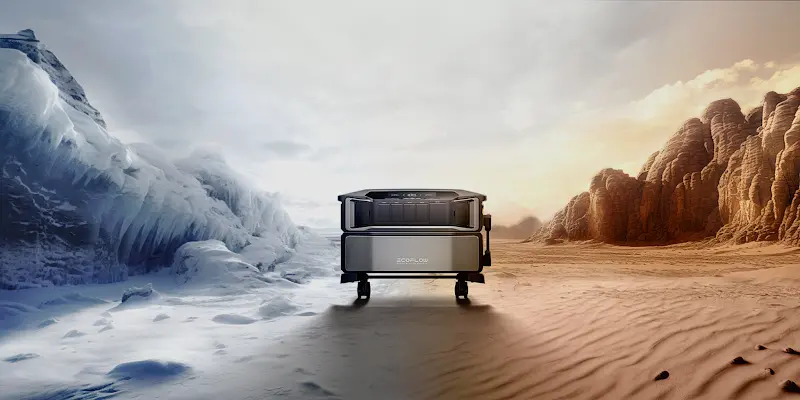
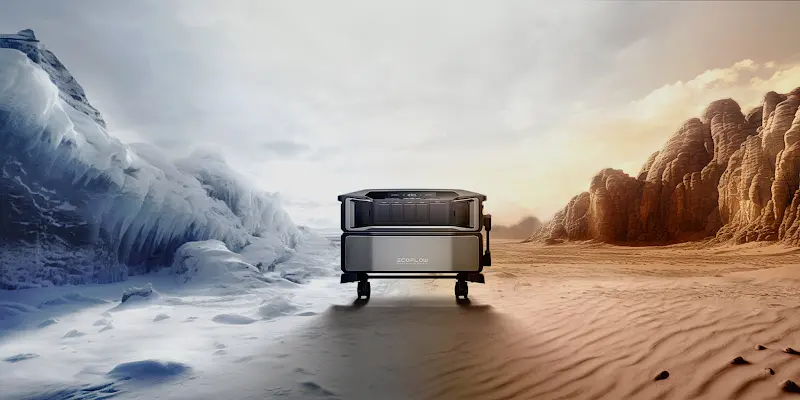
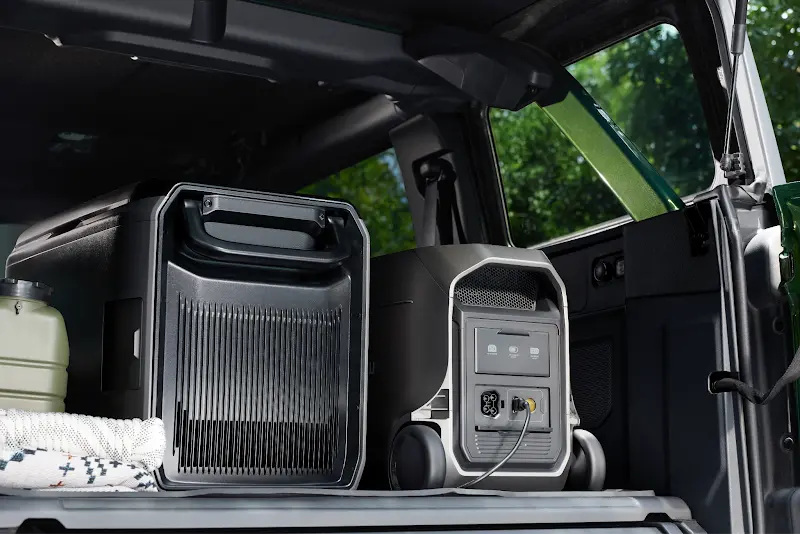
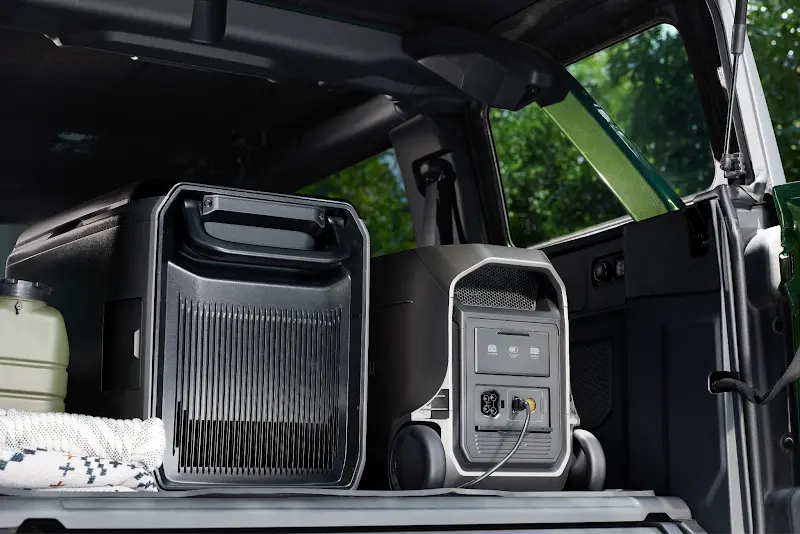
A lot of us are now tossing an EcoFlow DELTA 3 Ultra Plus Portable Power Station (3072Wh) into the back of the SUV. It’s compact enough to slide in next to your cooler, but it’s got the legs to run a portable fridge or an electric blanket when the mountain air gets a bite to it at night. While you’re grinding up the switchbacks on Ha Ling, it stays at camp keeping your gear ready.
If you’re planning a longer multi-day mission or some deep-country exploration, the EcoFlow DELTA Pro Ultra Whole-Home Backup Power is the heavy lifter. It’s got enough “grunt” to run high draw induction cooktops or charge up a fleet of drones for that summit footage. Pair it with a couple of portable solar panels, and you’ve got a full blown off grid hub. In a climate as wild as Alberta’s, having that reliable power is a necessity for keeping your GPS and emergency comms alive when the weather turns south. Here’s the key: your gear should work as hard as you do. What it comes down to is being prepared for the mountain’s worst so you can actually enjoy its best.
Planning Your Trip: Permits, Safety, and Best Times
A successful hike around Canmore takes a bit of homework before you actually leave the house. Between the seasonal shifts and the local rules, you don’t want to be the one getting a ticket on your windshield or stuck in a snowbank in June.
Kananaskis Conservation Pass
Because Canmore and the surrounding Spray Valley provide direct access to Kananaskis Country and Bow Valley Provincial Park areas, a Kananaskis Conservation Pass is required when parking in these designated regions. You can grab these online for the day or the year, and they scan your plates electronically, so don’t think you can just “forget” it. The revenue actually goes back into the trails and facilities we use, which is a fair trade for keeping the area in good shape.
Seasonal Guide
June - Early July: Don’t let the green grass in Calgary fool you. There’s still plenty of lingering snow up high. If you’re hitting Ha Ling or EEOR, bring your crampons or ice cleats.
July - August: This is peak season. The trails are clear and the sun is out, but you’ll be sharing the summit with a lot of other people.
September - October: This is “Larch Season.” The valleys turn a brilliant gold and the air gets that sharp, crisp bite. Personally, I think it’s the best time to be in the mountains, but the weather can flip to winter overnight. If you’re looking to expand your autumn bucket list beyond the Bow Valley, check out the list of the top hiking trails in Canada for more inspiration.
Bear & Wildlife Safety
The reality of hiking around Canmore is that you’re essentially walking through a massive grizzly and black bear highway. It’s their backyard, not ours. One of the best ways to avoid a surprise encounter is to stay loud. You’ll hear locals yelling “Yo Bear!” every few minutes, it’s a bit of a Bow Valley tradition, and it’s way more effective than those little bear bells that just sound like a dinner triangle to a cougar.
Always try to hike in a group if you can, and for heaven’s sake, keep your food locked down. Even an empty granola bar wrapper in your pocket can be enough to pique a bear’s interest. If you do spot a bear or a cougar, the rule is to give them at least 100 metres of space. That’s basically the length of a football field. What it comes down to is being predictable and respectful. If they know you’re there, they’ll usually just go about their business, and you can get back to yours.
Respect the Wild: Leave No Trace
The ecosystem in the Bow Valley is fragile, and keeping it that way means being basically invisible. It goes beyond not littering; it means packing out everything you carry in. That includes “natural” scraps like apple cores or orange peels. These take forever to break down in the thin mountain air and, more importantly, they draw bears and cougars right to the trail’s edge. On top of that: stick to the designated paths. Trampling alpine plants for a “perfect” photo can ruin the ground for years. What it comes down to is being a guest who leaves the room exactly as they found it. If we all play by these rules, the Rockies stay wild for the next crew of hikers.
Conclusion
Canmore offers a world class trail system that captures the raw, unpolished beauty of the Canadian Rockies. It’s got a certain grit you just don’t find in the more tourist heavy spots. By choosing a trail that actually matches your fitness level, respecting the local wildlife, and making sure your “basecamp” is powered by reliable tech like EcoFlow, you’re set for a mountain experience you won’t forget. The mountains don’t care about your plans. What it comes down to is being prepared for the weather to flip in twenty minutes. If you respect the peaks and stay humble, you’ll get the views you came for.
FAQs
1. Is it safe to walk in Canmore?
Generally, yes. Whether you’re on the paved town trails or hitting the scree slopes, it’s safe as long as you stay bear-aware and don’t ignore the weather.
2. Do I need bear spray in Canmore?
100%. Don’t be the person on the trail without it. It’s a local requirement for anyone who wants to make it back to town for a post-hike pint.
3. Is there cell service on Canmore trails?
It’s extremely spotty. Once you head up the Smith-Dorrien or hit the high peaks, expect zero bars. Always download your maps for offline use before you leave the house.
4. Can we fly a drone in Canmore?
Usually, no. Most spots around Canmore have strict restrictions, and it’s a total “no-go” in the National Parks. Check the bylaws first or you’ll be staring at a massive fine.
5. Do I need a pass to hike in Canmore?
Yes. You need a Kananaskis Conservation Pass for any vehicle parked at the trailheads. They scan plates electronically now, so don’t risk the ticket.