3 Ways to Celebrate Easter Weekend in South Africa: From Customs to Sustainable Travel
Imagine a four-day national heartbeat where million-strong pilgrimages to Moria meet the rugged thrill of off-grid escapes. In South Africa, discovering how to celebrate Easter day is far more than a religious rite; it is a profound "sacred convergence" that weaves together diverse cultural legacies, iconic tastes like Cape Malay pickled fish, and an unshakeable devotion to the great outdoors. From these religious events to family braais that utilise modern power solutions, this guide outlines how to combine long-standing traditions with practical ways to stay comfortable during the holiday.
1. Experience Easter Traditions and the Four-Day Long Weekend
From Good Friday to Family Day Celebrations
Easter in South Africa is marked by a four-day-long weekend that brings together religious observance, family time, and community traditions. It is a period when people slow down, attend services, travel, cook, and spend time with loved ones.
Good Friday: Observed as a sombre day of reflection and prayer, marking the crucifixion of Christ. Many attend extended church services, often held throughout the day.
Holy Saturday: Often spent preparing for Sunday, with time set aside for cooking, shopping, and getting home ready.
Easter Sunday: The centre of the celebration, marked by church services, shared family meals, and Easter egg hunts for children.
Family Day (Easter Monday): Known as Family Day, this public holiday encourages people to spend time with loved ones, travel, or enjoy the outdoors.
Experience Diverse Easter Traditions Across Communities
Easter brings together a wide range of religious and cultural traditions across different communities.
The ZCC Pilgrimage: Large numbers of congregants from the Zion Christian Church travel to Moria in Limpopo. This gathering is one of the largest religious events on the African continent.
Mariamman Festivals: Within parts of the Hindu community, particularly in regions like Mount Edgecombe, this period coincides with vibrant festivals rooted in local historical traditions.
Traditional Observances: Some practitioners of African Traditional Religion utilise the long weekend for specific rituals and ceremonies focused on ancestral remembrance and cultural continuity.
2. Savour Iconic Easter Flavours
Easter in South Africa is as much about the table as it is about the traditions around it. From the scent of spiced buns on Good Friday to the shared meal of Sunday lunch or a relaxed braai, food brings the long weekend into focus and gives families a familiar way to celebrate together.
The Sacred Duo of Hot Cross Buns And Pickled Fish
No South African Easter table feels complete without these two classics. They are linked to different cultural influences, yet both have become part of the country’s shared holiday rhythm.
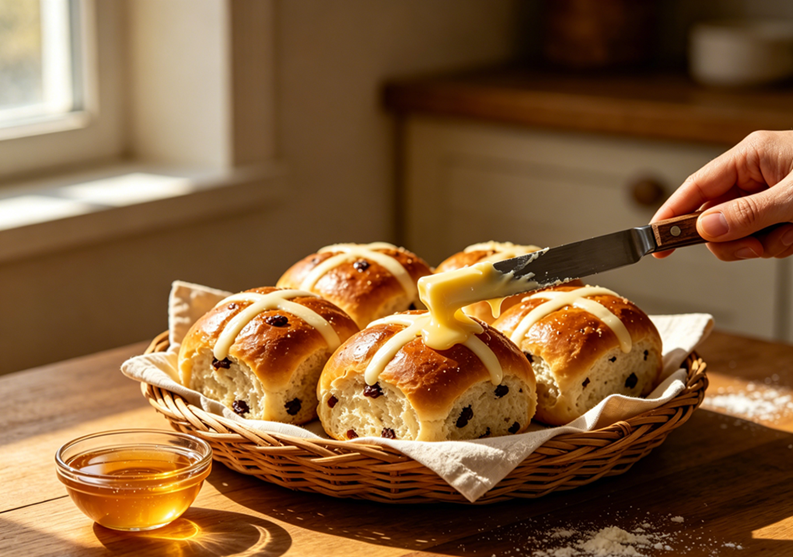
Hot Cross Buns
One of the most recognisable Easter foods in the country. Traditionally served on Good Friday, they are sweet, spiced, and often eaten warm with butter. While the classic version remains popular, many bakeries and home cooks now add their own twist, from chocolate chips to richer spice blends that make the buns feel more indulgent and seasonal.
Pickled Fish (Ingelegde Vis)
Carries a strong Cape Malay influence and remains deeply associated with Easter in many households, particularly in Cape Town. The dish is usually prepared in advance so the flavours can develop properly, which makes it especially practical for a busy holiday weekend. Its balance of vinegar, curry spices, and gentle sweetness gives it a distinct place on the Easter table, and for many families it is simply part of the season.
Build A Sunday Roast Or Braai That Feels Unmistakably South African
While Good Friday may centre on symbolic foods, Easter Sunday is often about gathering the family for a larger meal. In South Africa, that meal can take two familiar forms: a traditional roast or a braai, each shaped by local tastes and shared habits.
The Sunday Roast
A traditional Easter lunch usually centred on oven-roasted lamb or pork, served with mint sauce and classic local side dishes such as butternut, pumpkin, and creamed spinach. It brings a more formal holiday feel to the day while still keeping the meal familiar and comforting.
The Braai
A more relaxed approach to Easter Sunday. It is usually built around boerewors, lamb chops, sosaties, chicken pieces, or steak grilled over coals, often served with side dishes like potato salad, chakalaka, mielie pap, and fresh bread.
Add More Local Flavour To The Easter Table
South African Easter meals often feel more special when the side dishes and small touches reflect local produce and the way each family likes to gather around the table.
Seasonal vegetables: Use autumn staples such as butternut, pumpkin, green beans, or sweetcorn to bring colour and balance to the meal.
Cold dishes: Keep a few lighter options on hand, including salads, pickles, and fresh bread, especially when the afternoon is still warm.
Sweet and savoury balance: Mix richer main dishes with lighter sides so the table feels varied across the whole long weekend.
Family favourites: Leave room for classics such as milk tart, koeksisters, or a simple fruit salad to finish the meal on a familiar note.
This blend of British, Cape Malay, European, and local influences is part of what gives Easter its character. The dishes may vary from one home to another, but the feeling stays the same: a generous meal, a full table, and a holiday that is best shared.
Preparation Tips
Make Ahead Planning: Prepare pickled fish one to two days in advance so the flavours have time to settle and the dish is ready to serve with less pressure on the day.
Gentle Reheating: Warm hot cross buns briefly in the oven before serving to bring back their softness and lift the spice aroma.
Meal Flow: Pair hot mains such as roast meat or braai items with cool sides like salads and bread so the meal stays comfortable over a longer gathering.
Braai Timing: Chop vegetables, mix marinades, and organise side dishes before guests arrive so the focus stays on cooking and serving, not last-minute preparation.
Local Ingredients: Choose seasonal produce such as butternut, pumpkin, or green beans to keep the menu fresh and in step with autumn.
3. Plan Sustainable Easter Activities for the Whole Family
Organise Eco-Friendly Egg Hunts in the Great Outdoors
Celebrate the holiday while practising environmental stewardship.
Sustainable supplies: Use biodegradable eggs, recycled paper clues, or small seed packets instead of plastic toys, so the activity feels fun without adding unnecessary waste.
Local outdoor spaces: Set the hunt in a community park, a family garden, or a safe open space near the coast, keeping the route simple for younger children and easy to enjoy for the whole family.
Solar-powered touches: Mark the trail with small solar lights or lanterns if the hunt runs into the late afternoon, which works especially well during autumn evenings.
Experience-based rewards: Offer a family picnic at a local nature reserve, a beach outing, or a countryside day trip as the final prize, giving children a memory that lasts longer than a plastic toy.
Reusable basics: Bring woven baskets, refillable water bottles, and cloth bags for collecting clues or treats, making the activity practical and easy to repeat every year.
Create Legacy Traditions Through Environmental Stewardship
Many families already spend Easter around food, nature, and time outdoors, so it is easy to turn the holiday into something that also teaches children how to care for the environment.
Zero waste picnics: Pack reusable cutlery, washable containers, and locally sourced seasonal foods such as fruit, bread, vetkoek, or fresh salads to keep the outing simple and low waste.
Nature-inspired crafts: Use fallen leaves, twigs, paper, and other safe natural materials to make Easter decorations or small keepsakes, especially for children who enjoy hands-on activities.
Solar learning projects: Build simple solar-powered toys or small science experiments with children to make renewable energy feel practical and interesting.
Local planting ideas: Grow herbs, flowers, or indigenous plants at home after Easter, which gives the holiday a lasting connection to South African gardens and climate.
Community-minded habits: Include a short clean-up after a picnic, beach visit, or park outing so children learn that enjoying shared spaces also means helping protect them.
Keep Your Easter Activities Powered the Smart Way
Whether you are heading out for a family picnic, a beach day, or a weekend camp, a portable power station helps keep the essentials running without interrupting the holiday. From charging phones and cameras to powering lights or a small coffee maker, it gives you a simple way to stay comfortable off-grid.
The EcoFlow RIVER 3 Portable Power Station is an ideal starter unit for those who prioritise portability without sacrificing performance. Its compact design makes it easy to carry for a beach day, picnic, or short stay, while still powering essentials like phones, cameras and lights. The quiet operation also fits naturally into outdoor settings, keeping your campsite calm and uninterrupted.
For families with more appliances, the EcoFlow RIVER 2 Max Portable Power Station provides the extra capacity needed for longer gatherings. It can comfortably run essentials like a mini fridge, a portable wifi, and small kitchen appliances, making it suitable for longer outdoor gatherings or campsite meals. The fast charging feature is especially practical for last-minute trips, allowing you to get ready quickly without long waiting times.
Conclusion
Learning how to celebrate Easter day in South Africa means finding the perfect balance between honouring historical traditions and embracing modern, sustainable innovations. From the sombre reflections of Good Friday to the joyful family braais of Family Day, the holiday is a testament to the country's resilience and unity. By integrating clean energy solutions and eco-friendly practices, we ensure that these cherished rituals can be passed down for generations to come, preserving both our cultural heritage and the natural beauty of our land.
FAQs
What are common Easter greetings?
“Happy Easter” or “Happy Easter weekend” remains the most widely used greeting in both formal and casual settings.
“Wishing you a blessed Easter” is common in religious or community contexts, especially in churches or official messages.
“May this Easter bring you peace, joy, and hope” reflects the spiritual meaning of the resurrection and is frequently used in public or church communications.
Family-style greetings such as “Enjoy the long weekend with your loved ones” are also typical, as Easter is closely linked to travel and family gatherings.
What is the best way to keep food fresh during an outdoor Easter celebration?
The best way to keep food fresh during an outdoor Easter celebration is to maintain a stable cold temperature from packing to serving. Use a well-insulated cooler or a portable fridge with enough ice packs to keep perishable items like meat, dairy, and prepared dishes properly chilled. Keep the cooler in the shade and avoid opening it too often, so the temperature stays consistent and food remains safe to eat.
What are the must-have items for an Easter camping trip in South Africa?
Your essential camping equipment list should include a sturdy, weather-resistant tent, insulating sleeping bags, and reliable lighting gear like headlamps. For a modern twist, add a portable power station to keep your devices charged and a portable stove to ensure you can still enjoy your favourite Easter treats while off-grid.