UK Winter Camping Gear Made Simple: Pack Smart, Stay Warm
There’s something special about loading up the car for a winter escape. The roads are quiet, the air feels crisp, and sometimes you get lucky with a bit of snow. Cold-season camping can be magical, but staying warm and safe takes a little planning. That’s where the right winter camping gear comes in. This guide walks you through the essentials, so you can enjoy your trip without worrying about the cold.
Essential Winter Camping Equipment Checklist
Winter camping feels a lot easier when you’re warm, dry, and not wrestling with kit in the dark. This best winter camping gear list works whether you’re backpacking or loading up the boot with car camping essentials for a cosy weekend away.
Shelter: a stable, weatherproof base
Shelter sits at the heart of your essential winter camping gear, guarding you from wind, damp conditions, and the cold that comes in after sunset.
Tent
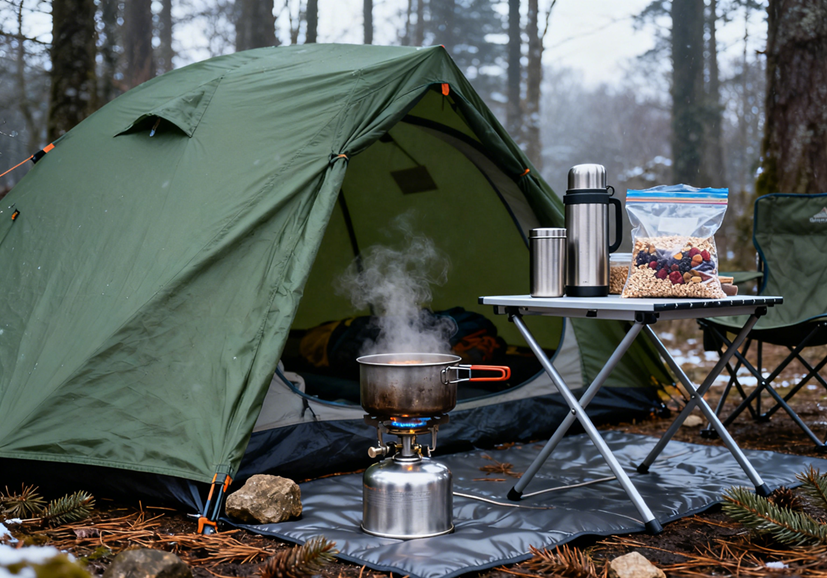
Pick a 3–4-season tent with a solid pole structure and a full-coverage flysheet. It handles winter wind and rain far better than a lightweight summer model.
Look for a flysheet with a hydrostatic head around 3000mm or higher, and an even sturdier groundsheet, to stay dry on wet ground.
A tent with less mesh and more solid inner panels helps block draughts.
Guylines and Pegs
Pack extra guylines for stormy nights.
Carry a mix of Y-shaped pegs and longer pegs for frozen or loose soil.
Footprint or Groundsheet
A footprint protects the tent floor and adds a small layer of insulation from cold, damp ground.
Sleep system: staying warm all night
Your sleeping bag and mat work as a team. If one falls short, you’ll feel it fast.
Sleeping bag
As a core piece of camping gear for winter, choose a sleeping bag with a comfort rating lower than your coldest expected temperature. Many campers go 5–10°C below the forecast low to stay safe.
Down bags are warm and pack small, while synthetic bags handle damp conditions better.
A liner adds a touch of warmth and keeps the bag cleaner on longer trips.
Sleeping mat(s)
A lot of heat is lost to the ground, so a good mat is critical. A mat’s R-value shows how well it resists heat loss. Higher numbers mean better insulation.
For proper winter use, aim for a combined R-value of around 5+ by using a high-R mat or layering two mats. R-values add together when you stack pads.
A simple closed-cell foam mat under an inflatable is cheap insurance and gives you a backup if the inflatable fails.
Other sleep extras
A pillow (or a dry bag filled with spare clothes) for comfort.
A dry bag to protect your sleeping bag when travelling.
A stuff sack that’s easy to open with cold hands.
Clothing and footwear: layer for damp cold
UK winter usually sits just above freezing, mixed with wind, rain, and the odd icy snap. A layering system works best as outdoor winter camping gear.
Base layers
Wear synthetic or merino wool tops and leggings.
Avoid cotton. It stays damp and makes you cold.
Mid layers
A fleece or light synthetic jacket for walking.
A warmer insulated jacket (down or synthetic) for camp and rest breaks.
Outer layers
A waterproof jacket with a good hood.
Waterproof trousers you can pull on over boots.
Sealed seams and decent breathability make a big difference in rain.
Hands, head, and neck
Carry two pairs of gloves: one lighter pair for moving, one warmer pair for camp and wet conditions.
A warm hat that covers your ears.
A buff or neck gaiter to trap heat and cut the wind.
Footwear
Waterproof boots with good grip, roomy enough for thicker socks.
Warm hiking socks, plus a dry pair just for sleeping.
Gaiters if you expect boggy ground or snow.
If you plan to head into proper winter mountains, you’ll need extra kit such as crampons, an ice axe, and goggles. Low-level camping usually doesn’t require these.
Cooking, hydration, and food
You burn more energy in the cold, and hot food does a lot for morale.
Stove and fuel
Bring a stove that works in cold conditions. Standard gas can struggle when it’s freezing, so consider winter gas blends, an inverted-canister stove, or a liquid-fuel stove for very low temperatures.
Carry extra fuel, as boiling takes longer in the cold.
Add a windscreen, lighter, and waterproof matches or a backup spark.
Cook kit
Lightweight, insulated pots, pans, and mugs that retain heat and reduce fuel usage.
A tight lid helps everything cook faster.
Titanium works well if you want to keep weight low and mainly boil water. Aluminium heats more evenly and is great for everyday camp meals.
A durable spoon or spork and a simple chopping knife.
Water and hydration
Wide-mouth bottles freeze less easily and are easier to fill with hot water.
Keep bottles inside your tent or sleeping bag in cold snaps.
If you use a water filter, protect it from freezing. Some filters can break if ice forms inside them.
Food
Choose simple, high-calorie meals you can cook easily with gloves on.
Bring extra snacks like nuts, chocolate, cheese, or flapjacks for quick energy.
Lighting, navigation, and safety
Winter days are short. You’ll spend more time in the dark, so lighting and safety kit matter.
Lighting
A headtorch is a must-have. It provides hands-free lighting, making tasks like cooking, setting up camp, and checking maps much easier.
Pack spare batteries and a small backup torch.
Navigation and comms
Carry a map (OS or Harvey) for your area.
A compass and basic skills to use it.
Your phone in a waterproof pouch and a power bank.
A GPS can help in low visibility but shouldn’t replace map-and-compass skills.
Safety and emergency gear
A simple first-aid kit and any personal medication.
A foil survival bag or small bivvy for emergencies.
A whistle and tiny backup torch for signalling.
A lightweight group shelter if you’re travelling with others.
Portable power solutions
Winter camping eats through batteries fast. Cold weather drains phones, head torches, GPS units, and cameras far quicker than in summer. A reliable portable power station (and, if you want to recharge off-grid, a solar panel) earns a solid place on your winter camping gear list.
A portable power station is basically a big, rechargeable battery with multiple outputs. Add a solar panel and you’ve got a “solar generator”, a quiet, fume-free way to top it up during the day.
With one of these, you can keep your electronics alive in cold weather and even power a 12V cool box, heated blanket, kettle, or other low-wattage cooking kit. Here are two best portable power stations for camping worth checking out:
EcoFlow TRAIL Series DC Portable Power Station
Want reliable power without carrying a heavy brick around? The EcoFlow TRAIL Series DC Portable Power Station is perfect to add to your ultralight winter camping gear list.
These units focus on DC-only output, which is more efficient for charging the things you actually bring camping: phones, lights, tablets, cameras, small 12V gear, and laptops.
The TRAIL 200 DC is the smallest in the range and suits short winter trips where you want to travel light.
It offers:
Capacity: 192Wh (about six standard 10,000mAh power banks).
Max DC output: 220W total.
Ports: 2 × USB-A (12W each) and 2 × USB-C (one up to 140W, one 100W, both in/out)
Weight: about 1.83 kg.
Battery: LiFePO₄ (LFP).
What that means in practice:
You can keep phones, head torches, GPS, lanterns, and camera batteries going through a winter weekend quite comfortably.
The 140W USB-C port can fast-charge a modern laptop or quickly refill the power station from a suitable USB-C charger.
The size and weight make sense if you’re walking to your pitch or want to keep your kit minimal for wild camping.
The TRAIL 300 DC steps things up with more energy (288Wh), more power (300W total), and extra ports, but still stays compact. The extra capacity gives you more margin for cold-weather use: longer nights, more lights, and repeated phone or GPS charging.
The 300W output and 12V car outlet open up options like running a 12V cool box, pump, or small router alongside your usual USB devices. You can recharge via USB-C, car, or a small solar panel, which is handy if you stay in one place for several days and want to top up during daylight.
EcoFlow DELTA 2 Portable Power Station + 220W Portable Solar Panel
If you want something that can act more like an off-grid system for winter camping, the EcoFlow DELTA 2 Portable Power Station + 220W Portable Solar Panel bundle is a different beast.
The DELTA 2 itself offers:
1,024Wh base capacity, so it suits longer trips, group camps, or running more power-hungry kit. You can also expand it to 2–3kWh using extra batteries for larger setups at home or in a camper.
4 AC outlets (up to 1,800W total, 2,700W surge), enough to power most small mains appliances, from a laptop charger and induction hob on low settings to an electric cool box, small fan heater, or electric blanket.
A mix of USB-A, fast-charge USB-A, USB-C, a 12.6V car port, and DC5521 outputs, so you can plug in pretty much everything on site without extra adapters.
Up to 500W solar input and fast AC charging up to 1,200W, so you can recharge quickly from a hook-up, a generator, your home socket, or solar.
App control over Wi-Fi/Bluetooth, so you can check remaining run time and adjust settings from inside your sleeping bag.
The bundled 220W portable solar panel adds:
A 220W front panel plus a 175W rear side for ambient light can capture up to 28% more solar energy and charge your portable power station faster.
High efficiency (around 25%), which is useful on short winter days.
IP68 dust and water resistance, so you can leave it out in less-than-perfect weather without stressing about a few flakes of snow or a shower.
Small comforts that make a big difference
These aren’t essential, but they often turn a cold night into a good one.
A seat pad or spare foam mat so you’re not sitting on cold ground.
A light, stable camp chair helps you stay warm and relaxed.
A compact folding table keeps your stove, food, and small items off the ground, making cooking safer and easier when the temperature dips.
Lanterns or string lights that create a cozy and inviting campsite atmosphere.
Dry bags or bin bags to keep clothing and electronics safe from moisture.
A basic repair kit with tape, cord, cable ties, and a small multi-tool.
Hand or foot warmers if you tend to feel the cold.
Bring sunglasses, sunscreen, and an SPF lip balm. Snow reflects sunlight strongly, especially at higher altitudes, which can lead to quicker sunburn.
Expert Tips for an Unforgettable Winter Camping Experience
A good winter camping trip is all about comfort, safety, and simple routines that make cold weather living easier. These tips help you settle in, stay warm, and enjoy the quieter side of the outdoors.
Choose your campsite with care
Winter rewards good judgement. Look for a pitch that’s sheltered from the wind but not in a dip where cold air gathers overnight. Avoid pitching under dead branches and check the ground for ice, flooding, or soft mud.
If snow is on the ground, stamp down a firm platform before putting up the tent; it gives you a flatter, warmer base to sleep on.
Master a reliable setup routine
In winter, speed and order matter. Pitch the tent first, then get your sleeping system sorted before you lose daylight. Keep essentials—head torch, warm layers, gloves—somewhere easy to reach. It also helps to pack and unpack in the same way each time so you’re not rummaging around with cold hands.
Layer smart, not heavy
You don’t need huge, bulky clothing to stay warm. Think in layers. Start with a moisture-wicking base layer, add a fleece or lightweight insulated jacket, then finish with a waterproof shell. Swap layers as you move or rest. If you start sweating, slow down or remove a layer. Damp clothes make you cold fast, especially when you stop moving.
Keep warm the right way
Warmth is easier to maintain than to regain. Put on extra layers before you feel chilled. Slip into dry socks before bed. Use a hot water bottle in your sleeping bag if temperatures drop. Eat a warm meal in the evening; your body generates heat more easily when it’s fuelled.
Think safety first
Winter is beautiful, but it’s less forgiving. Share your route with someone at home. Carry a backup light, spare batteries, and a power bank. Check the weather often. If wind or snow becomes more severe than expected, move to a safer spot or head back.
Look after your gear in the cold
Cold weather affects equipment. Store your stove fuel upright, keep your phone and batteries inside your jacket, and protect your water filter from freezing. Shake ice off the tent in the morning so it doesn’t melt inside when you pack it away. If snow is falling, clear it off periodically to prevent extra weight on the tent.
Stay on top of hydration and food
It’s easy to forget about drinking water when it’s cold, but dehydration hits harder in winter. Sip little and often. Bring foods that are high in energy and easy to cook with gloves on. Instant noodles, couscous, pasta, curry pouches, and quick oats all work well. Snack often to maintain heat and energy through the day.
Leave room for enjoyment
The best winter trips balance preparation with simple pleasures. Make a hot drink, watch the stars, enjoy the quiet of the campsite, or take a short walk at dusk. Cold-weather camping is slower and calmer by nature. Lean into that rhythm and you’ll get some of the most memorable nights you’ll ever spend outdoors.
Conclusion
Winter camping in the UK can feel calm, bright, and rewarding when you bring the right winter camping gear and plan for the cold. With solid shelter, a warm sleep setup, smart layers, and a few pieces of reliable power and safety equipment, you can enjoy crisp mornings and quiet nights without discomfort. Take your time choosing gear that suits your style of camping, stay flexible with the weather, and keep things simple at camp. With a bit of preparation, winter becomes one of the best seasons to get outside and enjoy the wild.
FAQs
How to stay warm in tent winter camping?
To stay warm in your tent, focus on insulation, staying dry, and managing heat loss. Use a high-quality sleeping mat to prevent the cold ground from draining warmth and pair it with a sleeping bag rated for expected temperatures, plus a liner for extra comfort.
Change into dry base layers before bed and wear warm socks and a hat. Eat a hot meal to fuel your body and ventilate the tent slightly to reduce condensation. A portable power station can run heated blankets on a low setting and keep essential devices charged so you’re not fumbling in the cold with dead torches.
What are the 10 camping essentials?
A simple 10-essentials camping checklist includes:
Tent/shelter, sleeping bag, and insulated sleeping mat
Suitable clothing layers including waterproofs
Navigation tools (map, compass, GPS)
Head torch with spare batteries
First aid kit
Food and high-energy snacks
Water bottles or hydration system
Stove and fuel for hot drinks and meals
Power bank or a portable power station to keep devices charged
Multi-tool or basic repair kit
How many layers for winter camping?
Most people do well with three to four layers on their upper body for winter camping: a moisture-wicking base layer next to the skin, one or two insulating mid layers (like fleece or a synthetic/down jacket), and a waterproof, windproof outer shell.
On your legs, aim for a thermal base layer plus walking trousers, with waterproof over trousers when it’s wet or very cold. Avoid cotton; choose merino wool or synthetic fabrics that wick sweat and dry quickly. In milder UK winter conditions, you might drop a mid-layer while walking, then add it again when you stop moving. Don’t forget insulated gloves, socks, and a hat.