Shell Island Camping Guide: Best Spots, Tips & Essentials
Shell Island camping is a popular option for people who want open space and simple rules while camping in the UK. Shell Island sits on the coast of North Wales. It provides a large area where campers choose their own place to stay. There are no marked pitches. Campers set up based on their own needs instead of fixed campsite layouts. Many people choose camping on Shell Island, North Wales, because it suits different camping styles. Some visitors arrive with tents. Others come with camper vans or cars. Families often look for space and easy beach access. Solo campers and couples prefer the quiet setting. With basic planning and suitable equipment, Shell Island offers a flexible camping option for short trips and longer stays.
Finding the Best Spots on Shell Island
With no numbered pitches, finding the "best" spot depends on your priorities. Here are the top-rated zones to consider when selecting your camping sites on Shell Island:
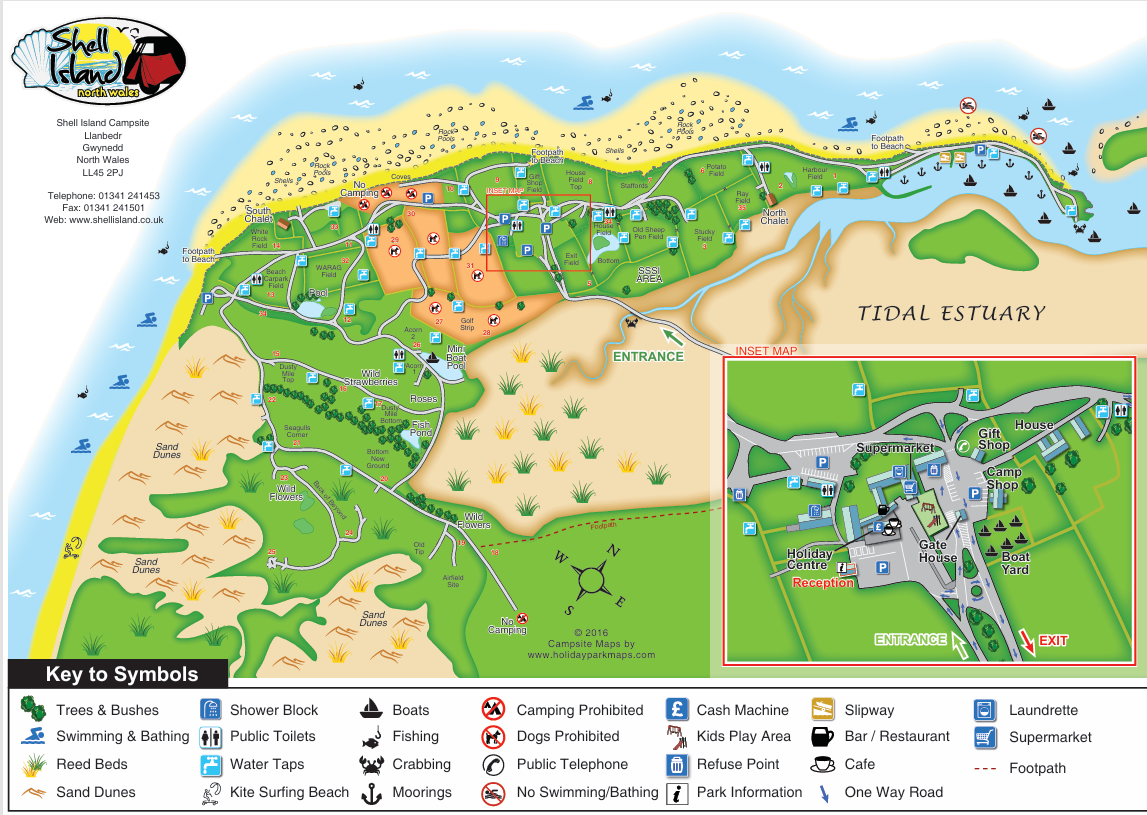
The Dune Edge (Best for Shelter): Nestling your tent against the landward side of the dunes provides a natural windbreak against Irish Sea gusts. This is a favorite area for those who enjoy Shell Island camping but want to stay protected from the coastal breeze.
The Estuary Side (Best for Views): The eastern side offers stunning views of the Snowdonia mountain range and calmer sunrises. Many visitors choose these camping sites on Shell Island for the peaceful atmosphere and the morning light over the mountains.
The South End (Best for Seclusion): If you want to avoid the crowds, head as far south as possible. These are the quietest areas for camping on Shell Island, offering total tranquillity and more distance from neighboring tents.
Near the Leisure Complex (Best for Families): If you have young children, pitching within a short walk of the supermarket and shower blocks is highly recommended. These are the most convenient camping sites on Shell Island for families who need quick access to facilities.
Master the Tide: Your Gateway to the Island
Finding the perfect spot is only half the battle; getting onto the island requires syncing with nature’s clock. Because the site is connected to the mainland by a tidal causeway, your arrival and departure for Shell Island Wales camping are entirely dictated by the sea.
Check the Tides Before You Travel: Access is via a causeway that is submerged twice a day. You must plan your journey around the Official Shell Island Tide Timetable to avoid being stranded on the wrong side.
Navigate with a Map: Once you’ve crossed safely, the sheer scale of the 300-acre site can be overwhelming. Use the Official Shell Island Site Map to help orient yourself and locate the facilities before you start scouting for your ideal Shell Island camping spot. This is particularly important for first-time visitors to ensure a smooth start to their Shell Island Wales camping adventure.
Shell Island Camping Essentials List
Shell Island stretches across open coastal land with minimal structure. Campers move between grass, sand and exposed areas during their stay. Weather and ground conditions shift throughout the day. Equipment choice affects comfort and efficiency from the first setup to the final night. The essentials below cover items most campers need for a smoother camping experience.
1. Reliable shelter for exposed locations
Wind moves freely across the island. Choose a tent with a low profile and a strong frame. Use extra guy lines when pitching. Sand-friendly pegs work better on softer ground. This setup improves stability during overnight wind shifts.
2. Ground setup that handles moisture and sand
Moisture rises from the grass after sunset. Sand moves easily during the day. A durable groundsheet protects sleeping areas. Raised sleeping mats improve insulation. These items help maintain comfort over several nights.
3. Simple cooking setup with food and water planning
Cooking equipment should stay compact and stable. Wind affects open flames. Bring food that stores well and cooks quickly. Carry enough water for drinking and basic cleaning. This reduces unnecessary movement across the site.
4. Essentials for flexible vehicle-based camping
Car campers often change position based on wind or ground conditions. Pack gear that stores easily and moves quickly. Basic car camping essentials support flexible setups without overloading one area. This approach works well across large open sections of the island.
5. Prepare for an independent outdoor environment
The island feels open and lightly managed. Many campers treat the experience like Wild Camping. Secure equipment properly. Keep personal items organised. Avoid relying on nearby support. This mindset suits the setting and reduces avoidable problems.
6. Portable power for everyday use
Daily camping routines often depend on electricity. Campers use power for kettles, cooking equipment, and small campsite tools. The EcoFlow RIVER 2 Pro Portable Power Station delivers steady output in a compact size. It suits mobile setups where gear needs to stay light and simple. Many campers choose it as the best portable power station for camping when portability and practical output matter most.
Practical Tips for Shell Island Camping
Good planning improves comfort and reduces problems during your stay. Shell Island camping offers open space and flexible pitching but limited fixed services. Campers make most decisions on their own once they arrive. These tips focus on practical actions that suit the UK Shell Island camping conditions.
1. Check the area before setting up
Arrive with enough daylight to assess your surroundings. Do not unload equipment straight away. Walk on the nearby ground and test firmness with your foot. Some areas look solid but change after rain. Watch the wind direction and look for a light shelter near the dunes. This reduces the need to move later.
2. Check the Tide Timetable Before You Travel
Access is via a tidal causeway that is completely submerged twice a day. To avoid being stranded, always check the official tide times for Llanbedr before you set off. Plan your arrival and departure around these windows to ensure you can cross the causeway safely and without delays.
3. Keep vehicle setups simple and adjustable
Car campers and van users benefit from flexible layouts. Avoid placing all equipment in one fixed position. Store items so they can be packed quickly if needed. Practical camper van gadgets help keep space organised and easy to manage throughout the stay.
4. Plan lighting and evening routines in advance
Darkness falls quickly near the coast. Set up lights before sunset. Keep torches and headlamps within reach. Arrange seating and walking paths early to avoid trips at night. This small step improves safety and comfort across large camping areas.
5. Secure loose items before nightfall
Coastal wind often increases after dark. Check tent lines and awnings in the evening. Move lightweight items into sheltered areas. Close storage boxes fully. These actions reduce disturbance during the night and protect equipment.
6. Use dependable power for longer stays
Campers staying several nights often need steady electricity for lighting, phone charging, and small appliances. A reliable portable power station supports these needs throughout the trip. The EcoFlow DELTA 3 Max Plus Portable Power Station (2048Wh) suits family groups and camper van users who want consistent off-grid power during their stay.
Conclusion
Choosing the right location and packing the right gear makes a big difference for Shell Island camping. Planning for shelter, ground conditions, daily routines, and equipment helps you stay comfortable and organised. By preparing carefully, you can enjoy the open spaces, views, and freedom that Shell Island offers without unnecessary stress.
FAQs
How much does it cost to camp at Shell Island?
Camping prices at Shell Island are charged per person, per night.
Adults: £12.50 in low season and £14.00 in high season.
Children (3–15): £6.25 in low season and £7.00 per night in high season; children under 3 stay free.
Over-60s: £12.00 (low season) and £14.00 (high season), valid April, May and September, Sunday to Thursday only, excluding Bank Holidays, school holidays and special events.
Dogs: an additional £2.75 per night.
What facilities are on Shell Island?
Shell Island offers a range of on-site facilities including a supermarket, camp shop, snack bar and Tavern bar, launderette, children’s play park, games room and recycling points. There are toilets and showers available, as well as dog-friendly amenities.
Does Shell Island campsite have an electric hookup?
No, the campsite itself does not provide electric hook-ups for pitches. There are some plug points in shower/toilet areas and charging services at the shop for devices (for a fee), but there are no dedicated electric hook-ups for tents or motorhomes on site.
Are fires or barbecues allowed?
Open fires are not permitted on Shell Island. Use portable stoves or approved camping grills for cooking. Always place your stove on flat, clear ground away from tents or dry grass. Keep water or a fire extinguisher nearby in case of emergencies. Following these rules protects your camp, other campers, and the surrounding environment. Safe cooking practices make the experience enjoyable without risking accidents or damage.