Wild Camping Peak District: Best Camping Spots and Power Tips
- What Is Wild Camping in the Peak District?
- Best Wild Camping Spots in the Peak District
- Important Things to Pack for Wild Camping
- Common Challenges During Wild Camping
- Cooking and boiling water in remote areas
- Portable Power Solutions for Wild Camping in the Peak District
- Tips for Responsible Wild Camping in the Peak District
- Conclusion
- FAQs
What Is Wild Camping in the Peak District?
Wild camping has grown more popular in recent years amongst outdoor enthusiasts who want to travel more flexibly and in a natural way. While traditional camping sites remain popular, many campers opt for more off-the-beaten-path locations, where the natural environment and quiet surroundings are valued, and the beauty of the natural landscape is appreciated. Searches for wild camping Peak District and off-grid camping sites continue to increase in the United Kingdom, as more people are interested in traveling outdoors. To cover their power needs, people need to have portable energy storage solutions while visiting wild camping in the Peak District.
Why wild camping is popular in the UK
One of the key factors behind the rise of peak district wild camping is travellers' desire to experience travel at an affordable price. More campers appreciate the opportunity to visit relatively wild areas with no tourist facilities or campsite schedules.
Wild camping is popular with those who are looking for:
peaceful outdoor experiences
outdoor adventures and hiking
digital detox opportunities
flexible weekend trips
low-cost outdoor accommodation
The Peak District is one of the most popular outdoor destinations in the UK for hiking, with its valleys being just as popular, and the wide range of camping environments for beginners and seasoned campers.
Can you wild camp in the Peak District?
Many first time campers ask can you wild camp in the Peak District? Wild camping in most parts of England is not legal and only allowed on landowner's consent. Responsible outdoor practices may allow for discreet overnight camping in some instances in remote areas.
Campers should always:
Arrive late and leave early
Stay away from gatherings and loud noises
Respect farmland and private property
leave no litter or waste behind
Do not burn fires in confined spaces
These rules and local guidance may be subject to change. Campers are advised to ensure they always consult the current land and access conditions and regulations in the locality before making a trip plan.
Difference between wild camping and nearly wild camping
There's also a rise in near-wild camping Peak District experiences. Nearby wild camping generally involves small private campsites with little facilities and a more natural environment, while traditional wild camping involves a remote and unofficial campsite.
Key differences include:
Wild Camping | Nearly Wild Camping |
Remote and unofficial locations | Small managed camping areas |
Very limited facilities | Basic toilets or water access |
Greater focus on self-sufficiency | Slightly more beginner-friendly |
Often requires careful discretion | Usually legally permitted |
For beginners, nearly wild camping can provide a safer introduction to outdoor camping before attempting more remote off-grid experiences.
Best Wild Camping Spots in the Peak District
Whether you prefer a serene valley setting or an open moorland, the Peak District has a camping spot to suit every taste, even for those who enjoy sightseeing and viewing sunrises from the beauty of the hills. From idyllic campsites for novices to the more offbeat ones for those wanting to find a more secluded and off-the-grid experience, there's a great choice of wild camping spots for the Peak District's visitors to enjoy all year round.
Best places to wild camp Peak District
The best spots for wild camping within the Peak District may include hiking spots far from the beaten path, open spaces, and areas with less human activity. The following are popular areas with experienced walkers and outdoor enthusiasts: Kinder Scout, Bleaklow and Upper Derwent Valley.
Campers tend to search for sites with:
Away from tourist traffic
Relatively level ground to put tents up on.
Nearby hiking trails
Availability of water supplies
Stunning vistas of the sunrise and sunset
Selecting quieter spots helps minimise the impact on the environment and ensures a more relaxing outdoor encounter.
Popular Peak District wild camping spots
A number of peak district wild camping spots have become particularly popular due to their natural beauty and accessibility. Edale, Mam Tor and Stanage Edge are popular trailheads for walkers and campers in the summer.
These places are in demand for having:
dramatic landscapes
hiking opportunities
photography locations
beginner-friendly access routes
memorable overnight camping experiences
However, the popular areas can get busy on weekends and holidays, and campers usually like to be in these areas early or at less crowded alternative nearby locations.
Quiet and scenic areas for beginners
First-time campers may find areas with lower altitude and less noise easier and safer to camp on than off-the-beaten-path or hilltop areas. It might be best for beginners looking for wild camping in the Peak District to go to locations with shorter hikes and more predictable weather.
The ideal beginner camping sites will have:
easy hiking access
sheltered terrain
safer weather conditions
nearby parking areas
less contact with strong winds
Many new campers also opt for nearly wild camping sites first, before progressing to full off-grid overnight camping experiences.
Peak District wild camping spots map considerations
Before choosing a Peak District wild camping spots map, take into account the landscape, weather vulnerability, land access guidelines and hiking options.
Campers should check before planning a route:
The rise of the ground and its steepness.
weather forecasts
water availability
roads and villages near the location
mobile signal coverage
protected land restrictions
Offline maps and GPS devices can also enhance the safety of navigation on longer camping trips when using the Peak District in more remote areas.
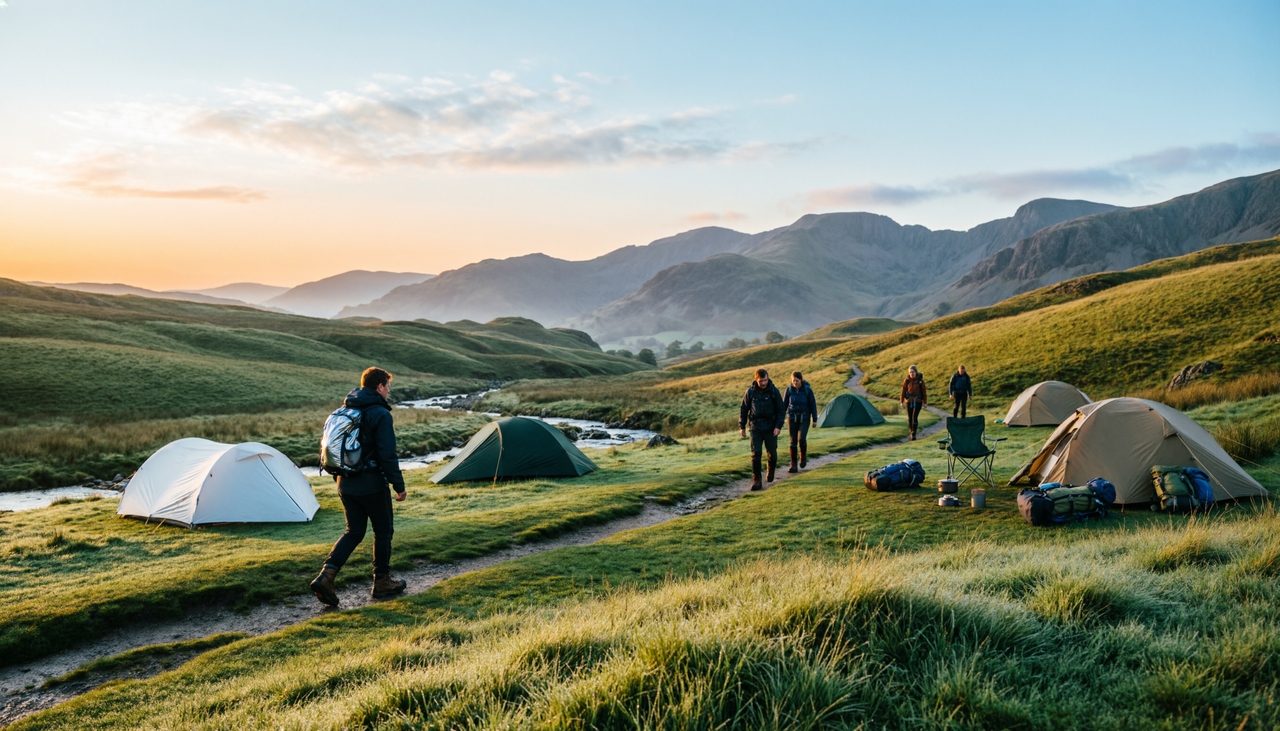
Important Things to Pack for Wild Camping
One of the most crucial aspects of a good outdoor trip is to prepare properly. Many times the area of the Peak District where one camps is quite remote and amenities are limited; campers should use only equipment that is reliable in providing shelter, cooking, navigation and power needs during the trip.
A well-prepared campsite can make campers more comfortable and better equipped to stay safe when the weather changes and for extended off-grid trips.
Essential shelter and sleeping equipment
Shelter is the key to a successful Peak District wild camp experience. The Peak District weather conditions can vary rapidly, particularly when higher up, so it's important to have lightweight, yet sturdy camping gear.
Typically, it consists of items that are important for shelter and sleeping.
waterproof tents
sleeping bags that are appropriate for cold weather conditions
insulated sleeping mats
compact camping pillows
weather-resistant backpacks
Lightweight equipment also allows for an easier hike and easier transport of equipment for longer outdoor excursions.
Cooking and food preparation gear
Campers can cook hot foods and beverages without switching to buildings using simple cooking equipment. Compact cooking systems that are lightweight and easy to carry are often a favourite option for people planning to camp in the wild on a trip to the Peak District.
You might need the following useful food preparation equipment:
Portable stoves
Camping cookware
Reusable utensils.
Small food storage containers.
A lot of the campers bring portable kettles or heating devices that can be used to brew coffee, tea or instant meals in the cooler evenings.
Portable electricity for modern camping needs
Modern campers often carry multiple electronic devices during outdoor trips, including phones, cameras, drones, GPS systems, and portable cooking appliances. As a result, portable electricity has become increasingly important for wild camping Peak District adventures.
Reliable portable power can assist campers in:
charge phones and cameras
power camping lights
run small cooking appliances
support GPS navigation devices
improve safety during emergencies
Many outdoor travellers now use portable power stations to maintain reliable electricity access while camping in remote areas without traditional power sources.
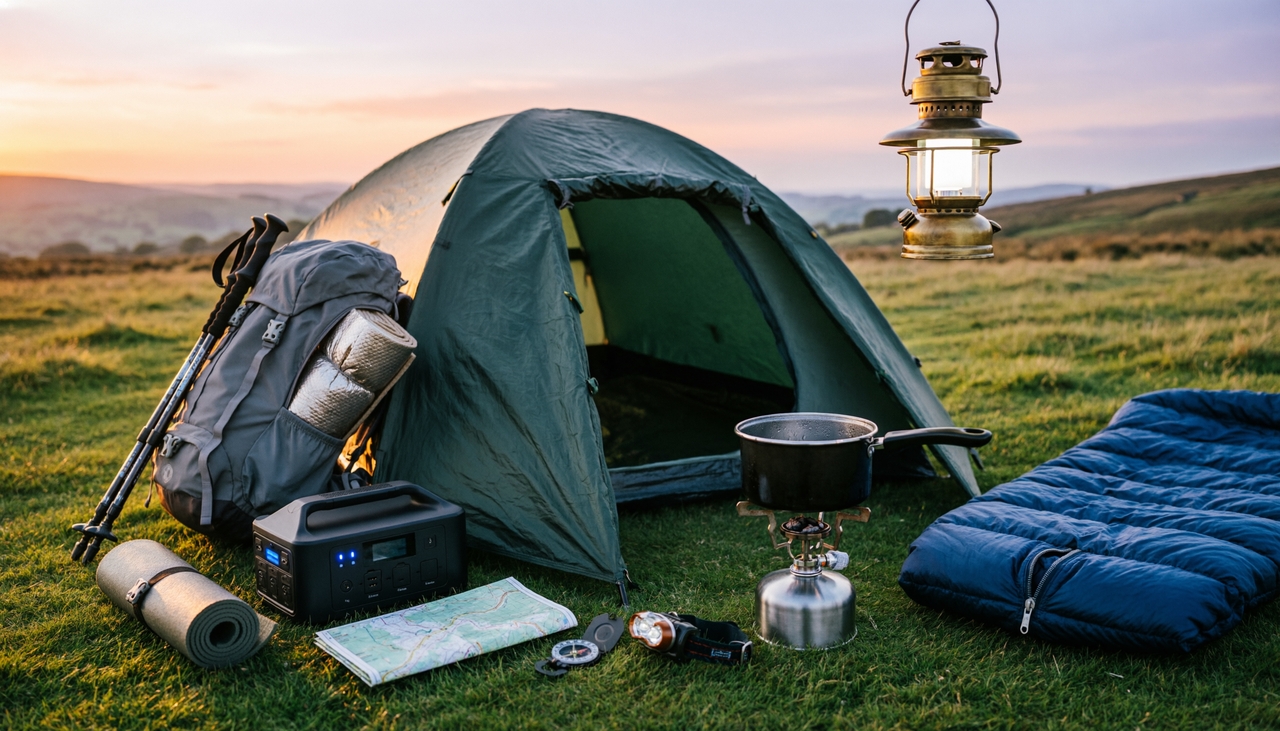
Common Challenges During Wild Camping
Many campers find that wild camping in peak district sites has its practical difficulties as well as its freedom and adventure. The facilities at remote sites can be limited, the weather unpredictable and there is no direct access to electricity or modern conveniences.
Planning ahead for these challenges can make campers feel safer, more comfortable and better outfitted on longer outdoor trips.
Limited access to electricity outdoors
One of the greatest difficulties during peak district wild camping trips is the lack of reliable electricity. When you're camping outdoors, far from the city, you typically won't find charging stations or powered facilities.
For campers with the following items, it becomes a challenge:
smartphones
cameras
GPS devices
portable lights
cooking appliances
Having no backup power source can be a problem if devices run out of battery during emergencies, particularly over multiple-day camping trips.
Charging phones, cameras, and GPS devices
Life in today's camp is increasingly reliant on electronics for communication, navigation and safety. A lot of campers use GPS systems and mobile phones for hiking in remote wild camping areas in the Peak District.
But when you're using the device continuously, battery life can quickly be depleted, especially if:
Using maps to navigate.
video or photos
checking weather updates
Keep emergency communication applications running.
Portable charging solutions are thus an essential element of today's off-grid camping preparations.
Cooking and boiling water in remote areas
Cooking hot food and drinking outside the house is also a challenge on wild camp Peak District trips. Many campers find traditional gas stoves satisfactory. However, extended camping trips may need extra energy for cooking appliances or water heating systems if you use a gas-powered one.
Electricity is frequently required at camp for:
portable kettles
cooking equipment
camping lights
mini coolers
emergency heating devices
Off-grid cooking can be safer and more convenient using reliable outdoor power systems in cooler weather.
Managing power safely during longer trips
Longer camping trips often have to involve several devices that are managed simultaneously. Outdoor explorers in the Peak District demand reliable power sources that are safe, mobile and convenient to use in the great outdoors.
When power management is not done well, it can result in:
drained batteries
device overheating
limited emergency communication
interrupted navigation access
With the reliance on technology for outdoor travel, the demand for portable power stations is growing amongst campers to enhance safety and comfort while on the road.
Portable Power Solutions for Wild Camping in the Peak District
With so many people heading to more remote camping sites, portable power has become an important component of outdoor readiness. Campers these days bring not just cell phones and lighting gear, but cooking tools, cameras, drones and navigation for the trip and they need constant charging.
Portable power stations are a safer and more convenient solution for those planning outdoor activities like wild camping in the Peak District, and need to manage electricity without depending on campsite electricity hookups or vehicle charging alone. The EcoFlow DELTA series is developed specifically for flexible outdoor mobility and provide portable power solutions when you're on-the-go, camping, hiking, and in off-grid locations.
Why portable power stations are useful for wild camping
Portable power stations provide electricity in remote areas where power isn't available. On the days of their peak district wild camping trips, they can help to keep both you and your family safe and comfortable along the way.
Portable power systems are often used in the following applications:
Convenience storage for charging phones/cameras
powering camping lights
running portable kettles
supporting GPS devices
using small outdoor equipment
Portable power stations are quieter, cleaner and better for outdoor settings with a natural focus.
EcoFlow DELTA 3 for lightweight camping and outdoor travel
EcoFlow DELTA 3 is a convenient solution for campers who need lightweight and portable electricity power for shorter outing or weekend camping. It's small enough to be easily carried around yet still crank out power for important camping gear.
This configuration is optimum for:
charging smartphones and tablets
controlling LED camping lights
running small cooking appliances
charging drones and cameras
supporting GPS navigation equipment
With its convenience in portability and daily outdoor power requirements, DELTA 3 is the perfect choice for campers staying at the best places to wild camp Peak District sites.
EcoFlow DELTA 3 Max for extended off-grid camping setups
The EcoFlow DELTA 3 Max has more power and battery capacity for extended camping trips and increased outdoor electricity needs. It is especially helpful when campers bring more than one device, or have extended stays in the Peak District wild camping spots.
The DELTA 3 Max will support:
portable electric kettles
mini coolers and cooking equipment
camera charging stations
drones and laptops
emergency lighting systems
It has an expandable energy storage system, and a robust AC output, making it suitable for more in-depth off-grid camping applications where power can be critical.
Building a safer and more comfortable off-grid camping setup
Modern off-grid camping has surpassed the basic survival gear. Nowadays, many campers are concerned with making a safer, more efficient and more comfortable outdoor setting for longer trips.
Portable power systems can help to enhance the following:
device reliability
outdoor safety
cooking convenience
nighttime visibility
emergency communication access
Portable power stations such as EcoFlow's DELTA series are useful for boosting an outdoor experience in Peak District areas, particularly in remote locations where wild camping is allowed.
Tips for Responsible Wild Camping in the Peak District
Choose low-impact camping locations carefully
Campers should choose quiet and low-impact sites off the main hiking trails, away from farmland and private land, when planning trips in the Peak District, where they wish to go wild. This not only helps to minimize environmental impact but also ensures a safer and more comfortable overnight camping experience.
Follow Leave No Trace outdoor practices
Sustainable Peak District wild camping begins with protecting the natural environment on the journey. Responsible campers should ensure that waste materials are always carried away and that no harm is done to vegetation, noise is kept to a minimum, and camp sites are left the same way they were discovered so as to maintain the landscape for future campers.
Prepare properly for changing weather conditions
The weather in the Peak District can turn rapidly during a wild camping trip and particularly in high ground where strong winds and rain can occur. Waterproof clothing, insulated sleeping gear, backup navigation and emergency gear keep campers safer when weather conditions are unpredictable outdoors.
Use reliable navigation and communication equipment
The mobile signal coverage and terrain of many of the places Peak District walkers visit for their wild camping may be difficult. Offline maps, GPS devices, fully charged cell phones and portable power stations will increase navigation safety and allow for continued emergency communications on extended off-grid camping trips.
Respect local communities, wildlife, and landowners
Wild campers should always camp quietly and not disturb wildlife, livestock or neighbours. Small, quiet camp sites and arriving and departing at a reasonable time help keep outdoor travellers and land owners in good relations.
Conclusion
Wild camping in the Peak District is a special opportunity to enjoy the natural beauty of the region in an unusual way, with increased freedom and flexibility and closer to the natural world. Peaceful valleys and scenic hiking trails, to remote off-grid camping experiences, the area still continues to draw nature enthusiasts looking for adventure and quiet escapes.
But it's not just about what you pack and bring, being a responsible traveller and having reliable equipment is also part of the equation in order to be a successful wild camper in the Peak District. Modern camping essentials like powering lights and other electrical devices safely outside the tent have made portable electricity a necessity, in addition to shelter, navigation and cookware.
Portable power stations like the EcoFlow DELTA 3 and EcoFlow DELTA 3 Max ensure a consistent power supply for lighting, communication, navigation, and outdoor appliances, whether for a short or long camping getaway. Travellers can boost their safety, comfort and sustainability when camping in the Peak District, with good planning and responsible practices.
FAQs
Is wild camping allowed in the Peak District?
People wondering if you can wild camp in the Peak District should be aware that much of the land is privately owned. In most of England, wild camping is not legally allowed without the landowner's permission. When campers behave respectfully and responsibly, and Leave No Trace practices are followed, however, some remote areas may allow for camping overnight without being obvious. Campers are encouraged to always refer to the local guidance when planning a trip.
What equipment is essential for wild camping?
The typical setup for safe wild camping involves:
tents, sleeping bags, sleeping gear
portable cooking gear
Lamps and wayfinding aids.
emergency supplies
convenient transfer of electric power from one location to another
A lot of campers who venture to remote locations in the Peak District also have power stations on hand to charge phones, GPS devices, and camping lights when off-grid.
Can portable power stations run camping appliances?
Absolutely, portable power stations can power many of the typical outdoor appliances you will use during your Peak District wild camping trips. They can power camping lights, portable kettles, mini coolers, drones, cameras, and smaller cooking equipment, depending on the power of the battery and output. In addition to being portable, portable power systems also generate less electricity noise and pollution.
Why are portable power stations useful for off-grid camping?
Portable power stations enable campers to have a high level of access to electricity when travelling around the wild camp Peak District sites without a power point. One of the most effective uses of them is to charge phones, power GPS systems, light up buildings, and for emergency communications. When it comes to longer off-grid adventures, portable power can be the key to better outdoor safety and convenience.