Washing Machine Energy Rating: How To Save Energy And Cut Bills
- What is a washing machine energy rating?
- How to read a washing machine's energy label
- How the washing machine rating is calculated
- Why washing machine energy ratings matter for UK households
- How to choose the right washing machine based on energy rating
- Tips to use washing machines more efficiently
- Conclusion
- FAQs
Choosing an energy-efficient washing machine is one of the easiest ways to cut household electricity bills, but true savings don't stop at appliances alone. When efficient washers are paired with solar batteries, homes can store cheaper or self-generated power and use it exactly when needed. Understanding washing machine energy ratings is the first step toward building a smarter, lower-cost home energy system.
What is a washing machine energy rating?
A washing machine's energy rating indicates how efficiently it uses electricity and water during operation. In the UK, appliances are rated from A to G, with A being the most efficient and G the least. Modern labels also provide detailed information, including annual energy consumption, water usage, and noise levels. Higher-rated machines consume less power per cycle, helping reduce household electricity bills. Understanding these ratings allows consumers to compare models and choose the most cost-effective and environmentally friendly washing machine for their needs.
Energy efficiency class (A–G) explained
Energy Class | Efficiency Level | What It Means in Practice |
A | Highest efficiency | Uses the least electricity per wash. Best for lowering energy bills and reducing environmental impact over time. |
B | Very high efficiency | Slightly higher energy use than A-rated models, but still highly cost-effective for most households. |
C | Good efficiency | Balanced option with moderate energy consumption and typically lower upfront cost. |
D | Average efficiency | Uses noticeably more energy per cycle; suitable if purchase price is the main concern. |
E | Below average efficiency | Higher electricity usage leads to increased running costs over time. |
F | Low efficiency | Inefficient compared to modern standards; may significantly increase energy bills. |
G | Lowest efficiency | Uses the most energy per cycle and is generally the least economical and eco-friendly choice. |
How to read a washing machine's energy label
A washing machine energy rating label shows how efficiently a machine uses electricity and water. It displays the energy efficiency class (A–G), estimated annual electricity consumption in kWh, and water usage per cycle. Spin-drying efficiency, noise levels, and load capacity are also included. By understanding these details, you can compare models and choose the most cost-effective and environmentally friendly washing machine for your home.
Label Information | What It Shows | How to Use It When Choosing |
Energy Efficiency Class (A–G) | Overall energy efficiency rating, with A being the most efficient | Prioritize A–B rated models to reduce long-term electricity costs |
Annual Energy Consumption (kWh) | Estimated electricity use over a year (or per 100 cycles on newer labels) | Lower kWh means lower yearly energy bills |
Water Consumption (litres/cycle) | Average amount of water used per wash | Helps control water bills and environmental impact |
Load Capacity (kg) | The maximum laundry weight the machine can wash efficiently | Choose a capacity that matches your household size to avoid wasted energy |
Spin-Drying Efficiency | How effectively water is removed during the spin cycle | Better spin efficiency shortens drying time and saves energy if using a dryer |
Noise Level (dB) | Sound level during the spin cycle | Important for flats, open-plan homes, or nighttime washing |
Noise Class (A–D) | Relative noise performance compared to other machines | Makes it easier to identify quieter models at a glance |
How the washing machine rating is calculated
A washing machine's energy rating is based on standardised tests measuring electricity use over 100 wash cycles using the "Eco 40‑60" programme. This simulates typical household washing, and lower kWh consumption results in a higher efficiency rating from A to G.
Other factors like water use, spin-drying efficiency, and noise levels appear on the label for guidance, but only energy use determines the rating. This system helps consumers compare models easily and choose the best energy rating for washing machines to save money and reduce environmental impact.
Why washing machine energy ratings matter for UK households
An energy rating for a washing machine helps UK consumers understand how much electricity and water a machine uses, making it easier to compare models and predict running costs before buying. Higher‑rated machines often use significantly less energy per cycle, which can cut household electricity bills and overall laundry costs over time. Efficient washers also reduce water use and lower CO₂ emissions, contributing to both financial savings and environmental benefits for households. Nationwide energy and water savings from efficient appliances can be substantial, helping families spend less and support sustainable living.
How higher-rated washing machines save money over time
High‑rated washing machines are designed to use less electricity per wash cycle, meaning their lower energy consumption directly reduces your utility bills. Pairing these efficient machines with a smart solar storage system lets you store daytime solar or cheaper off‑peak power and use it when needed, further cutting grid reliance and costs. Solutions like EcoFlow STREAM make this process simple, efficient, and tailored to high‑demand homes.
For high-energy homes without solar panels: 450W rigid solar panel + STREAM AC Pro + STREAM Ultra
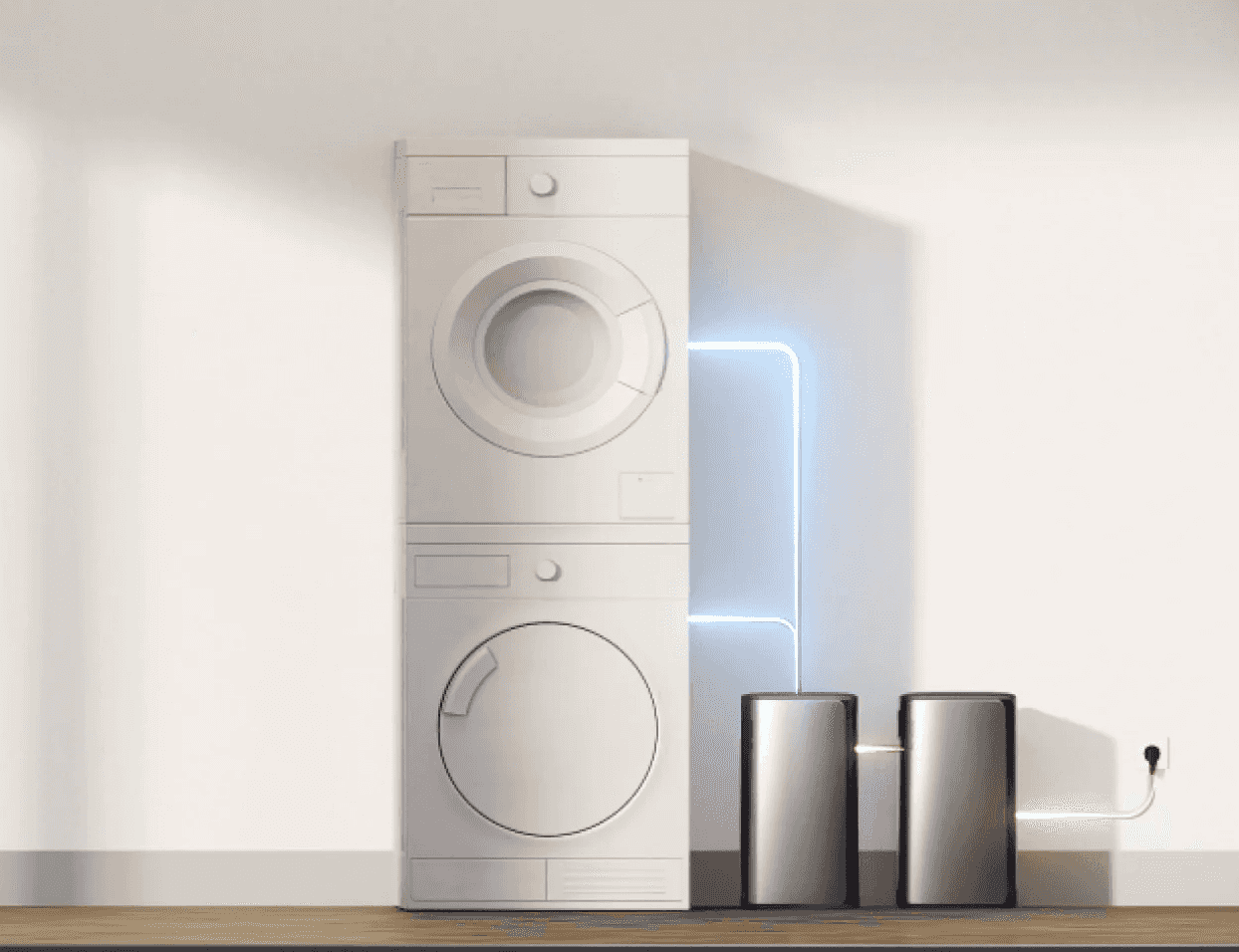
Significantly reduce your electricity bills with our integrated 450W rigid solar panel + STREAM AC Pro + STREAM Ultra home solar storage system. You can generate and store clean solar energy to power your most energy-intensive appliances, such as high-powered washing machines, without the need for expensive grid power.
The system boasts a total storage capacity of up to 3.84 kWh and a peak output of up to 2300W, easily handling everyday laundry and all essential household appliances, even running multiple high-powered appliances simultaneously.
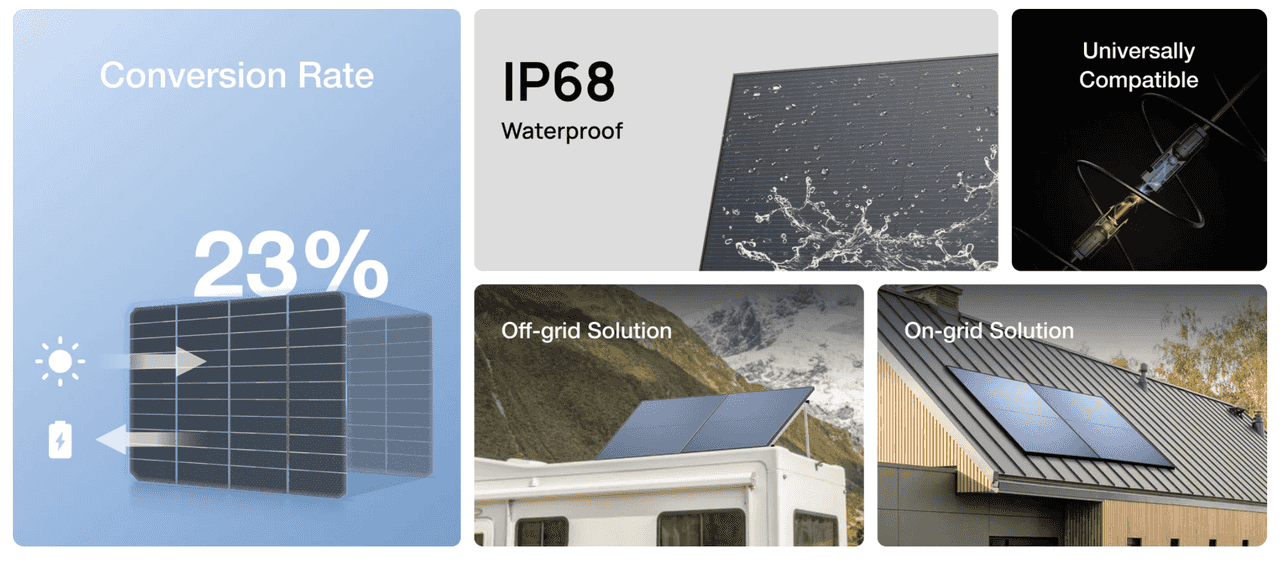
This 450W rigid solar panel is designed for UK homes with limited rooftop/installation space, delivering higher power per square meter to maximize energy output even in small areas. Its weather-resistant design ensures longevity in the UK's variable climate.
With an industry-leading 23% conversion efficiency, it captures more usable energy even on cloudy days, increasing storage capacity and achieving long-term energy savings. Take control of your home's energy, easily power large appliances, and start saving energy today – no complicated installations or confusing controls required.
All energy usage is managed through EcoFlow's OASIS Home Energy Management System, which automatically prioritises solar charging and stored energy during high-price periods. This ensures washing cycles are powered by cheaper or self-generated electricity whenever possible, helping households cut bills consistently.
For high-energy homes with existing solar panels: STREAM Ultra + AC Pro
For homes that already have solar panels installed, the STREAM Ultra + AC Pro combination focuses on using that solar power more intelligently to maximise savings. Excess energy generated during the day is stored rather than exported, then used later when electricity prices are highest.
STREAM Ultra acts as the core energy hub of your home, capturing and storing excess solar energy for everyday use. It ensures that essential appliances like washing machines can be powered by stored solar energy during the evening or peak electricity prices, reducing reliance on the grid.
STREAM AC Pro expands storage capacity and output power, making the system more capable of handling higher household electricity demands. Combined, they provide a total storage capacity of 3.84 kWh and up to 2300 W of output power, allowing you to easily run a full laundry cycle and other appliances using stored solar energy instead of expensive grid electricity.
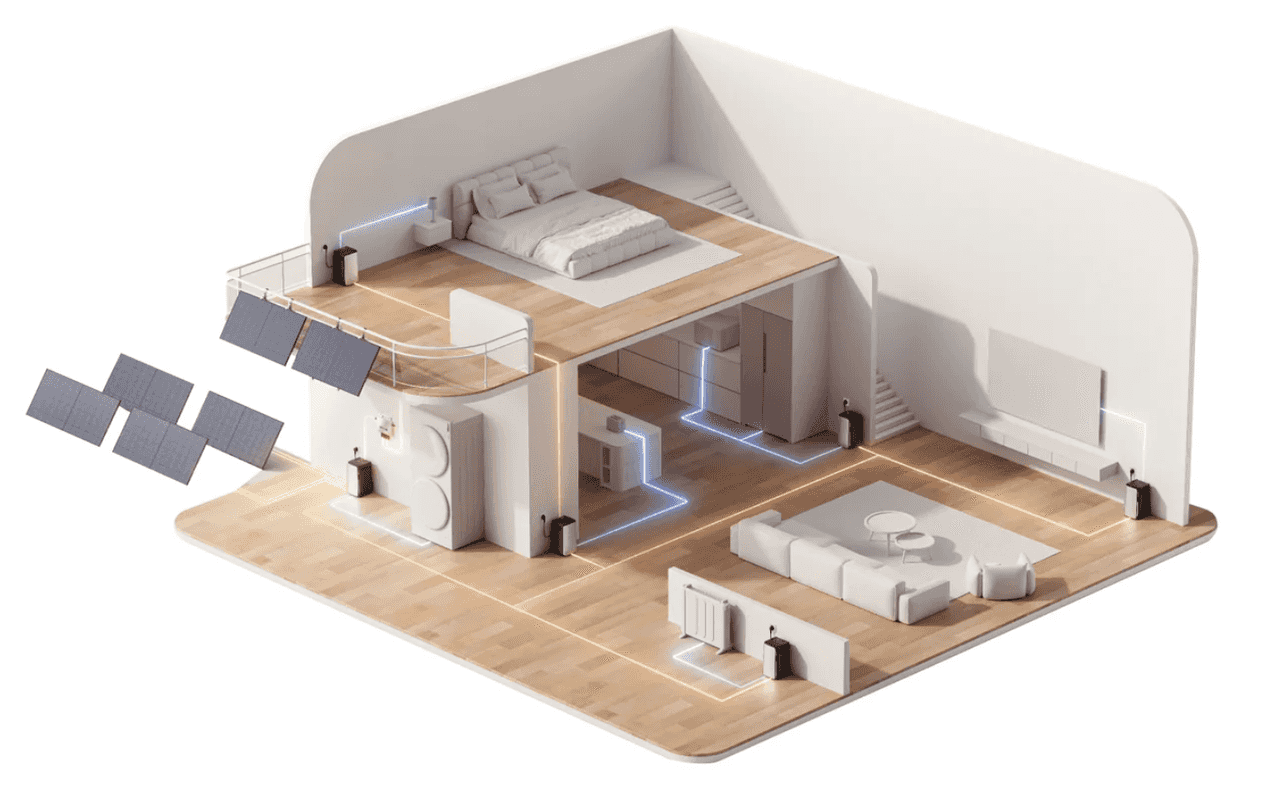
All charging and discharging is managed through EcoFlow's OASIS app, which monitors electricity prices, solar generation, and home energy use. The system automatically stores energy when it is cheapest and releases it when costs are highest, ensuring washing cycles and other daily appliance use are powered in the most cost-effective way possible. This reduces long-term energy bills while moving households closer to energy independence.
How to choose the right washing machine based on energy rating
Selecting a washing machine with the right energy rating can save money and reduce environmental impact over time. Focusing on key factors ensures you get a machine that is both efficient and practical for your household.
Prioritise the energy rating first
Always start by checking energy ratings on washing machines. Machines rated A or higher consume less electricity per cycle, helping you save on energy bills while reducing carbon emissions.
Consider load size
Choose a machine with a capacity that matches your household's needs. Oversized machines waste energy and water, while undersized models may require multiple cycles to complete your laundry.
Check water efficiency
Look for models that use water efficiently, as water heating contributes to most of a washing machine's energy use. Efficient water use reduces bills and supports environmental sustainability.
Look for smart features
Smart technology, such as eco-modes, load sensing, and app controls, optimises energy consumption and makes laundry routines more efficient. These features can lower electricity use without sacrificing performance.
Compare long-term cost
Consider not just the purchase price but also running costs over the machine's lifespan. High-rated appliances may cost more upfront but save money over time through reduced electricity and water use.
Read real-world reviews
User and expert reviews provide insight into actual energy consumption and performance. They help you identify the best energy rating for washing machines that deliver reliable savings in everyday use.
Tips to use washing machines more efficiently
Using your washing machine efficiently can significantly reduce energy consumption, lower electricity bills, and extend the life of your appliance. Small adjustments to daily habits make a big difference. Follow the tips below to get the most from your machine.
Always run full loads to save energy and water
Running the washing machine with a full load ensures that energy and water are used efficiently. Half-filled cycles waste electricity and water per kilogram of laundry. Full loads help reduce the number of cycles needed, saving both money and resources.
Use cold washes whenever possible
Heating water accounts for most of a washing machine's energy use. Choosing cold or low-temperature washes for lightly soiled clothes can drastically cut electricity consumption while still cleaning effectively. Modern detergents work well even in cold water.
Avoid standby consumption; unplug after use or use smart plugs
Many machines draw power even when turned off, but still plugged in. Unplugging the appliance or using a smart plug to cut standby power prevents unnecessary energy use and reduces your electricity bills over time.
Maintain the machine: clean filters, descale, check seals
Regular maintenance keeps your washing machine operating efficiently. Cleaning filters, descaling, and checking door seals ensures water flows correctly and the motor doesn't overwork, lowering energy use and preventing costly repairs.
Schedule washing when solar or off-peak energy is available
If you have a home storage system like EcoFlow STREAM, running the washing machine when solar energy is abundant or during off-peak electricity hours maximizes efficiency. This reduces reliance on grid electricity and helps you save significantly on energy costs.
Conclusion
Understanding washing machine energy ratings is essential for UK households to save on electricity bills, reduce environmental impact, and make informed appliance choices. Choosing high-rated machines, running full loads, and using cold washes are simple yet effective ways to improve efficiency.
For even greater energy savings, pairing efficient washing machines with smart home storage solutions like EcoFlow STREAM Ultra and STREAM AC Pro allows you to store solar or off-peak electricity and power appliances more efficiently. These systems maximise the benefits of energy-efficient appliances, cut grid reliance, and help create a sustainable, cost-effective home energy setup.
FAQs
What is a good energy rating for a washing machine?
A good energy efficiency rating for washing machines is A or higher under the current UK label system. Higher-rated machines use less electricity and water per cycle, saving money on bills and reducing environmental impact. Choosing appliances with strong ratings ensures long-term efficiency and reliability.
What is the best energy rating, A or G?
The best energy rating for washing machines is A, indicating the highest efficiency and lowest energy consumption. Machines rated G use significantly more electricity and water, leading to higher running costs. Selecting an A-rated model ensures better performance and long-term savings.
What does AAA mean on a washing machine?
The AAA rating on a washing machine indicates top-level efficiency across three key areas: washing performance, spin-drying efficiency, and energy use. Machines with an AAA rating are designed to deliver clean laundry while consuming minimal power and water, making them excellent choices for energy-conscious households.