How Long Do Washing Machines Last? Lifespan, Costs, and Warning Signals
- Are modern washing machines built to last only 5 years?
- Average lifespan by washing machine type
- What actually affects a washing machine's lifespan?
- How smart energy solutions can lower your electricity bills
- How to make your washing machine last longer?
- Warning signs your washing machine is about to fail
- Buying a new washing machine? Here's what really matters
- Conclusion
- FAQs
Every household relies on a washing machine, yet few of us consider its energy impact or lifespan until it starts making strange noises or refuses to spin. Understanding how long washing machines last can help you avoid sudden laundry disruptions, unexpected repair bills, and unnecessary energy costs. When paired with a home solar battery, modern washing machines can even run efficiently using stored solar energy, reducing electricity bills while keeping your laundry routine uninterrupted.
In this article, we'll explore the average lifespan of different types of washing machines, the costs of repairs and replacements, and the warning signs that your appliance might be nearing the end of its life. Read on to ensure your laundry routine stays smooth, your investment lasts as long as possible, and your home energy use stays efficient.
Are modern washing machines built to last only 5 years?
Modern washing machines are being designed to become more efficient and offer extra features, but that does not mean they will only last five years. With proper care and maintenance, most models also last 8 to 12 years. Lack of repairs or inadequate usage can lead to the sense that they are less durable. Choosing the right brand and doing some basic maintenance can vastly extend your machine's life.
Average lifespan by washing machine type
Washing machines last for different amounts of time based on their design, how often you use them, and how well you take care of them. Knowing how long washing machines last in the UK can help you plan and avoid surprise expenses. Here's a simple comparison of how long each type usually lasts:
Washing Machine Type | Average Lifespan | Notes on Durability |
|---|---|---|
Top-loading (traditional) | 10–12 years | Simple design, fewer repairs needed |
Front-loading | 8–12 years | Efficient but may require more maintenance |
High-efficiency (HE) | 10–14 years | Built for longevity with proper care |
Compact/Portable | 5–8 years | Smaller motors wear faster under heavy use |
What actually affects a washing machine's lifespan?
The lifespan of a washing machine isn't fixed. It depends on several everyday factors. How often you use it, the way you load clothes, and even the water in your home can all make a big difference. Understanding these factors can help you get the most years out of your machine.
Usage frequency and load size
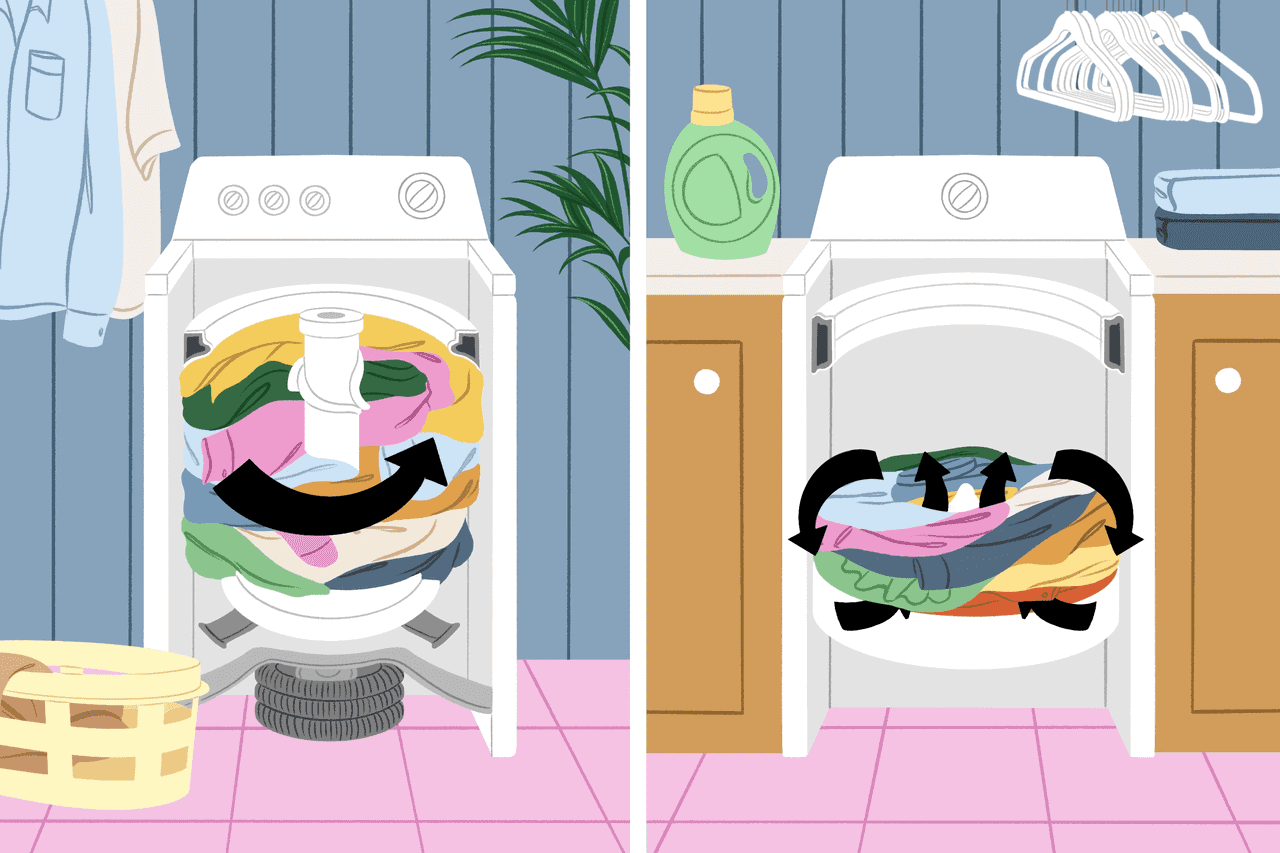
If you use your washing machine several times a day, it will wear out faster than if you use it less often. Putting too many clothes in at once can also strain the motor and bearings, causing breakdowns. Sticking to the recommended load size helps your machine last longer.
Build quality and brand reliability
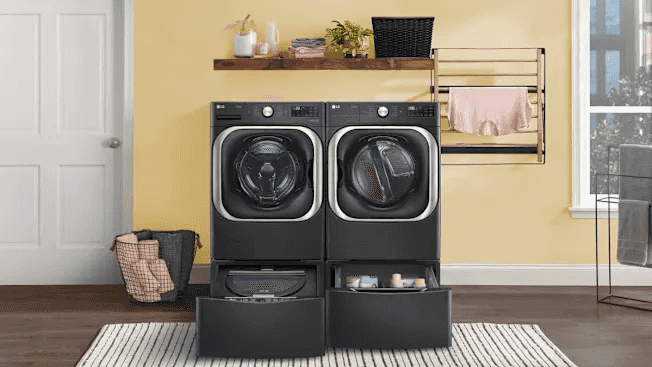
Good washing machines from reputable brands last longer as they use good parts and are built well. Less expensive versions may not have as high an initial price, but they often require repairs and replacement parts sooner. Checking reviews and brand reputation can assist you in selecting a durable machine.
Water quality and detergent use
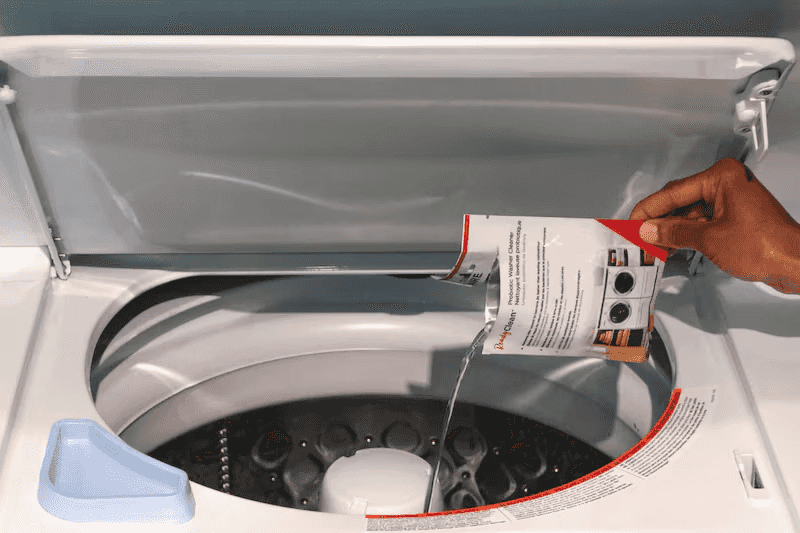
Hard water can leave minerals in your washing machine's pipes, drum, and heating parts, making it less efficient. Using too much detergent can also leave residue behind that damages the machine over time. Using the right detergent and cleaning the drum now and then keeps your washer working well.
Power stability and energy supply
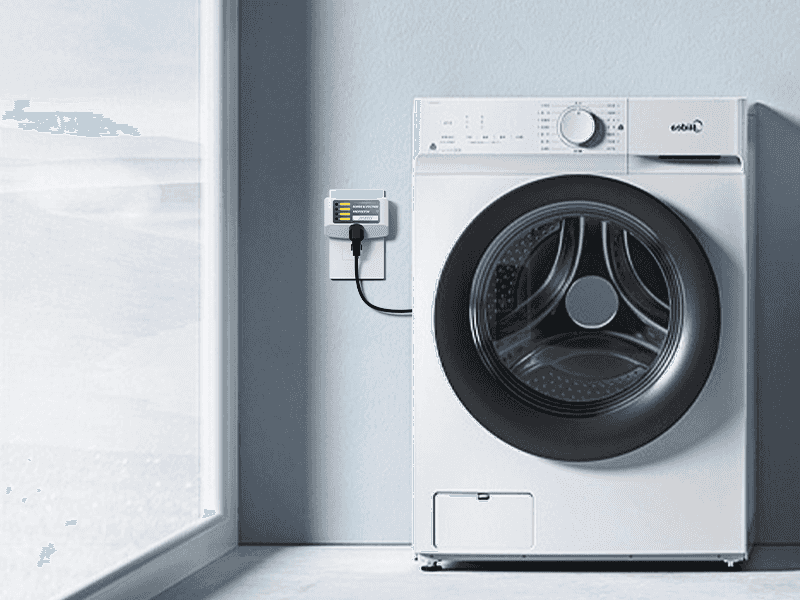
Voltage and power surges can harm the motor and electronics of your washing machine. Avoiding expensive repairs is as simple as using a surge protector or stabilizer. Stabilizing your power supply helps your machine run in peak condition for years.
How smart energy solutions can lower your electricity bills
You can lower your electricity bills and keep your washing machine running well by using smart energy solutions. Solar-powered storage systems give you steady, clean energy for big appliances, helping prevent power surges and saving money. The EcoFlow STREAM series has options that work well in modern homes and help you save energy over time.
450W Rigid Solar Panel + STREAM Ultra X
The 450W Rigid Solar Panel + STREAM Ultra X delivers a complete home solar solution, perfect for powering high-demand appliances like washing machines, refrigerators, and other smart devices. With a 2,000 W solar input, 4 MPPT channels, and Low-Light Cells, the system captures more solar energy throughout the day, even in cloudy conditions or early mornings and evenings.
A single STREAM Ultra X unit provides 1,200 W AC output, while connecting multiple units allows up to 2,300 W, easily handling peak energy moments when running multiple appliances. Its expandable battery capacity from 3.84 kWh to 23 kWh ensures energy coverage both day and night, storing surplus solar power so your washing machine can run reliably even after sunset or during overcast days.
Durability and safety are built in, with a 15-year lifespan and LFP battery cells capable of 6,000 cycles at 70% capacity, giving long-term reliability and protecting appliances from unstable power. The system also supports third-party devices using Tiber, Matter, and Shelly protocols, enabling seamless integration with smart home setups. This combination of high output, scalable storage, advanced solar capture, and smart compatibility makes it a practical, cost-saving choice for modern homes.
STREAM Ultra
The EcoFlow STREAM Ultra is a hybrid home solar storage system designed to reduce electricity costs while providing stable power for high-demand appliances like washing machines. Its dual-mode 2,800 W solar input and 4 MPPT channels efficiently capture solar energy, storing surplus electricity in the battery for use anytime—day or night.
Each unit delivers 1,200 W AC output, with auto-boost up to 2,300 W when paired, allowing you to run high-wattage appliances without overloading your home circuit. The system integrates seamlessly with EcoFlow's OASIS Home Energy Management System, enabling AI-driven optimisation, real-time monitoring via the mobile app, and improved energy self-consumption for greater savings and enhanced energy resilience.
STREAM Ultra also features advanced low-light technology to capture energy even on cloudy days, 6000 deep cycles, ensuring long-term reliability. This consistent, clean power supply not only helps lower bills but also extends the life of appliances like your washing machine, making it a smart, energy-efficient investment for modern homes.
How to make your washing machine last longer?
Knowing how long washing machines last in UK homes helps you plan and save on repairs or replacements. Simple habits can make your machine last much longer. Using the below-listed practical tips keeps your washer working well for years:
Avoid overloading the machine
Filling the drum with too many clothes puts extra strain on the motor and bearings. Overloading can lead to poor washing and might damage the machine's parts. Always use the recommended load size to keep your washer running smoothly.
Clean and maintain it regularly
Cleaning out the drum, filters, and detergent drawer regularly prevents dirt, mold, and limescale from building up. Be sure to inspect hoses and seals for wear or leaks, too. Running this check every few weeks may help you avoid larger issues down the line and extend your computer's lifespan.
Use the right detergent and wash settings
Using too much or the wrong kind of detergent can leave residue that clogs up the drum and pipes. Selecting the appropriate wash settings for each kind of fabric minimizes wear. Following the manufacturer's guidelines helps keep clothing clean and protects the machine.
Ensure proper installation and stable power
A washing machine must be level and installed on a solid surface to avoid vibrations. Power surges or unstable electricity can damage the motor and electronics. Using a surge protector and keeping the machine on stable power helps it last longer and operate efficiently.
Warning signs your washing machine is about to fail
Washing machines usually give you warning signs before they break down. Looking at these early signs can help you avoid expensive repairs or sudden replacements. Noticing problems early lets you fix them before your machine stops working.
Frequent breakdowns and rising repair costs
If you are constantly getting your washing machine repaired, it may be nearing the end of its life. If there are continuing issues with the motor, pump, or electronics, it usually indicates major wear, and failure is likely imminent. At a certain point, it is often cheaper to replace the machine than to keep patching and repairing.
Excessive noise or strong vibrations
Loud banging, grinding, or shaking during cycles often indicates worn bearings, loose parts, or an unbalanced drum. Ignoring these sounds can lead to further damage and higher repair costs. Early attention and minor repairs can prevent more serious mechanical failures later.
Poor cleaning performance
Clothes coming out dirty, stained, or with detergent residue may mean the drum, pump, or pipes are blocked or worn. Reduced spin efficiency can also affect washing results and increase drying time. Consistently poor cleaning performance is a clear sign your machine may soon fail.
Increasing energy or water consumption
A sudden rise in electricity or water bills can indicate the machine is working harder than normal due to worn parts. Inefficient cycles waste resources, increasing operational costs unnecessarily. Tracking usage patterns carefully helps identify problems before complete failure occurs.
Buying a new washing machine? Here's what really matters
Buying a new washing machine is a big decision, especially if you want it to last and save money. Choosing the right features and understanding energy use can prevent future issues. Focusing on capacity, efficiency, and smart options ensures you get the best value for your home.
Choosing the right capacity for your household
Select a machine that matches your family size and laundry habits. Too small a drum means multiple loads, while too large a drum wastes water and energy. Picking the right capacity keeps washing efficient and reduces wear on the machine.
Checking energy efficiency ratings
High-efficiency washing machines use less electricity and water, so your bills go down over time. Look for top-rated models with A+++ or similar ratings. Energy-efficient machines also tend to last longer because they run more smoothly and put less strain on their parts.
Evaluating smart features and durability
Smart washing machines have features like automatic detergent dosing and cycle optimization. Check reviews to see how well they're built and how reliable they are, so you can avoid frequent repairs. Durable machines with smart features save you time and money on maintenance.
Ensuring compatibility with energy-saving setups
If you have solar panels, batteries, or other green energy systems, make sure your washing machine is compatible. This prevents overloads and helps you get the most from your renewable energy. Machines made for these setups can lower your bills and help the environment.
Conclusion
Knowing how long washing machines last gives you peace of mind and helps you plan for the future. Regular care, careful usage, and attention to early warning signs can prevent unexpected breakdowns. A little effort in maintenance saves money, time, and stress in the long run. With the right habits, your washing machine can stay reliable for many years.
Using smart energy solutions like the EcoFlow STREAM series can further protect your washing machine while reducing electricity bills. These systems provide stable, clean power, preventing damage from surges and fluctuations. By integrating EcoFlow products into your home, you ensure your appliance runs efficiently and lasts longer. Investing in them is a smart step toward both savings and appliance longevity.
FAQs
Is it worth fixing a 5-year-old washing machine?
If repairs are minor and cost less than half the price of a new machine, it's usually worth fixing. Frequent issues or major component failures may make replacement more sensible. Consider the machine's age, repair costs, and reliability before deciding.
How often should you replace your washing machine?
Most washing machines last 8–12 years with proper care. Replacement is needed sooner if it shows frequent breakdowns, poor cleaning, or rising energy use. Regular maintenance can extend the time between replacements.
What brand of washing machine will last the longest?
Well-known brands with a reputation for reliability and durable parts tend to last longer. Reading reviews and checking warranty coverage helps identify dependable options. Investing in quality upfront often saves money on repairs later.