Electricity Price Forecast UK: Trends, Predictions, and Costs to 2030
- Electricity price forecast UK: what to expect in 2026
- Long-term electricity price forecast UK (2026–2030)
- Electricity demand and price forecasting explained
- Are electricity prices expected to rise or fall?
- Beyond forecasts: how to protect yourself from rising energy prices
- How solar energy reduces exposure to price increases
- EcoFlow STREAM Ultra and Ultra X for long-term energy savings
- Recommended STREAM setups for UK homes
- 5 practical ways to reduce energy costs regardless of price forecasts
- Conclusion
- FAQs
Knowing the electricity price forecast UK can help you plan your energy usage and budget for your home. Electricity prices are likely to continue to fluctuate in the near future as energy markets, government policies, and renewable energy usage continue to evolve.
Having an accurate electricity price forecast means that a homeowner can better plan for what it will cost them and can plan accordingly to use less electricity or even look for a more efficient solution, such as solar energy. Keeping yourself informed will help you make proactive decisions that will save you money and minimize your reliance on changing electricity rates.
Electricity price forecast UK: what to expect in 2026
The electricity price forecast for the UK in 2026 indicates that prices are likely to remain volatile, yet with less drastic rises than in previous years. Other factors, including the price of wholesale energy, inflation and price caps, will remain important in determining residential electricity prices.
Governments can prevent large increases, but the cost of overall activity will most likely be greater than before. It is therefore important that households are aware of trends and that they plan accordingly, with a realistic electricity price forecast. Many households are now exploring home solar battery systems to reduce their reliance on electricity and avoid heavy bills.
Gas and electric prices forecast for UK households
UK gas and electric prices forecasting suggests that households could experience moderate changes, instead of dramatic rises, in 2026. Electricity prices are likely to rise at elevated levels, reflecting this high energy sensitivity, particularly for gas prices, which are likely to stabilise.
For normal households, this translates to:
Monthly bills can change based on demand throughout the season.
Price caps will help to limit extreme price increases, but will not remove price fluctuations
There are energy-saving habits to be developed, which will be a significant factor in cost control.
When planning for electricity expenses, it is important for households to be aware of the potential fluctuations in prices. Knowing this electricity price forecast UK can help households plan for potential price changes and avoid unexpected increases in electricity bills.
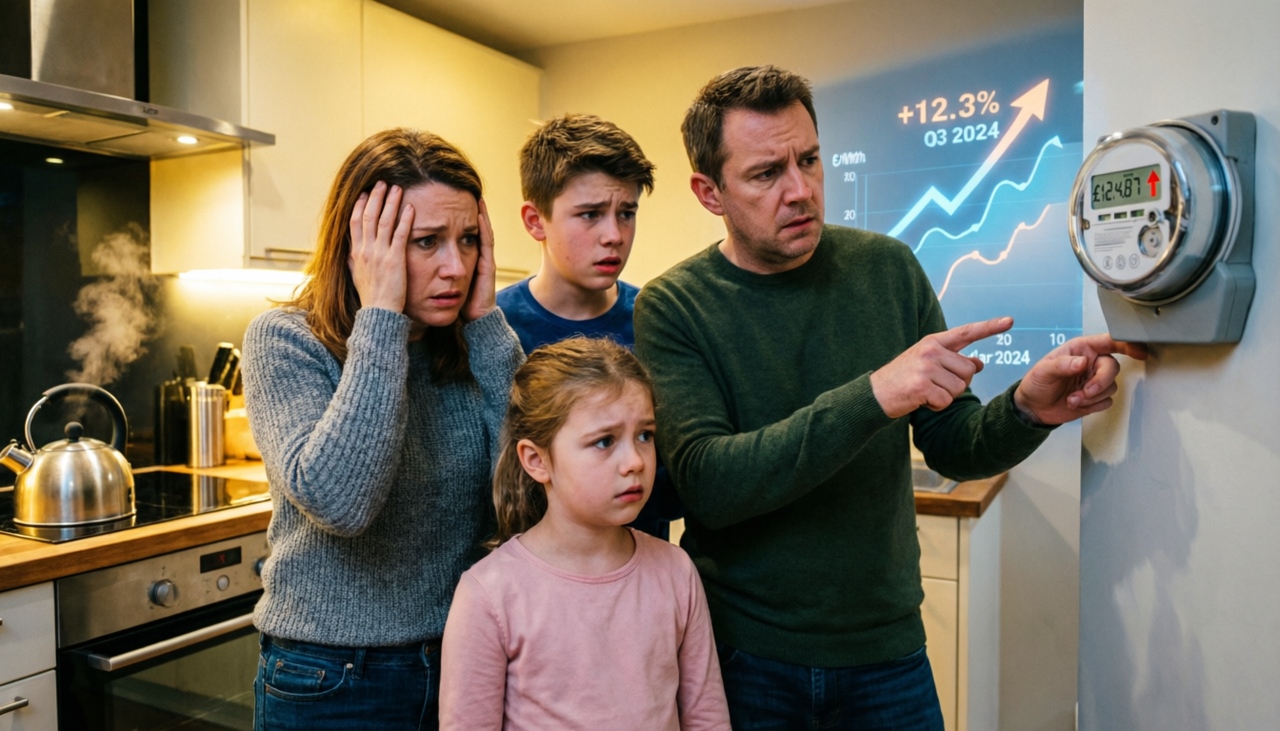
EIA residential electricity price forecast 2026 insights
The EIA residential electricity price forecast 2026 can also give us some ideas on the trend of energy prices in the rest of the world. The EIA's analysis of supplies, demand and fuel prices provides a more comprehensive view of electricity pricing trends; however, it does not focus on the U.S. market.
Key takeaways include:
The demand for electricity will keep increasing steadily.
The uptake of renewable energy can help to moderate long-term price fluctuations.
There will be some short-term changes based on the costs of fuel and infrastructure
These insights are supportive of the overall electricity price forecast, as stability is expected to increase, but price variability is expected to continue for residents.
Long-term electricity price forecast UK (2026–2030)
If you are looking for the long term, the electricity price forecast for the UK indicates that costs will continue to be high, though prices will be stable as renewable energy generation grows. However, structural issues such as investment in infrastructure and upgrading the grid will still play a role in costs, which may become less extreme.
That is what it will take for families to budget their energy costs for the long-term and not to hope for a return to pre-2020 prices. Having a clear idea of the electricity price forecast UK over the next few years will aid in making better energy consumption and saving choices.
UK electricity price forecast 2030
The UK electricity price forecast 2030 indicates that the market could get more balanced as the renewable energy supply continues to grow in the UK. Solar and wind power will decrease the reliance on fossil fuels and minimise exposure to sudden changes in the wholesale market.
Infrastructure investment, grid modernisation, and the ongoing increase in electricity demand, however, will continue to have a significant impact on energy costs and will likely remain a major concern for households. As a result, there is growing interest among UK homeowners in achieving long-term energy independence and storage solutions, such as solar PV and thermal systems, to manage their electricity bills with greater clarity and control amid future market volatility.
Key factors shaping long-term electricity price forecast
There are a number of factors that affect the long term electricity price forecast, and it is important to understand the factors that affect future electricity prices. These factors influence prices over time, either increasing, staying the same or decreasing.
Key factors include:
The use of renewable energy and government incentives for renewable energy.
global fuel prices, particularly gas,
Population growth and urbanization, as well as changing consumer preferences for goods and services, are driving electricity demand growth via increasing demand from residential and industrial users.
Energy policies and environmental regulations.
These drivers can be interpreted by households to understand the electricity price forecast UK and help to prepare for future electricity price changes.
Electricity demand and price forecasting explained
To fully understand an electricity price forecast, it’s important to look at how demand and supply interact. Electricity prices are not set prices—they vary according to demand and supply.
The electricity demand and price forecasting process is used to forecast the future cost of electricity and to more efficiently distribute electricity.
How demand impacts electricity pricing
The value of demand elasticity is crucial when considering the effect of demand on electricity pricing.
Electricity demand has a significant impact on the electricity price forecast UK. Winter and peak hours are two occasions when prices are likely to be higher because of the pressure on the grid.
Key impacts include:
A rise in electricity demand results in a higher wholesale price of electricity.
High-demand times lead to higher energy costs
Low demand periods can help to anchor or bring prices down.
Households can use knowledge of demand patterns to adapt their use and cut down on the electricity bill in line with the general electricity price forecast.
Business gas and electricity prices forecast trends
Business gas and electricity prices forecast is often a reflection of the broader market price trends, which also impact residential consumers. Businesses generally use more energy, and their price predictions could give some idea of the total demand and supply situation for energy.
Recent trends show:
Companies are increasingly making investments in energy efficiency and renewable energy.
Price volatility can impact both the commercial and residential markets.
Facing unpredictable costs, long-term contracts are being adopted for managing those costs.
The trends highlight the significance of keeping an eye on the electricity price forecast UK, as shifts in the business realm can often produce overall market moves.
Are electricity prices expected to rise or fall?
The primary concern of many households is the increase or decrease in electricity expenses. The electricity price forecast for today shows a mixed picture – in the short run, prices may level out, but not much lower in the long run.
Although renewable energy can help shape future costs, continued demand and investments in infrastructure will continue to impact pricing.
Why forecasts are not always accurate
Even the most comprehensive electricity price forecast UK can't ensure accurate forecasts. The energy market is subject to numerous factors which are unpredictable and can alter the energy pricing pattern in the blink of an eye.
Common sources of forecast uncertainty are:
The sudden changes in world fuel supply or geopolitical events.
Water quality impacts energy production and demand
Policy changes or regulatory changes
Energy generation, technological developments.
All these factors mean that it's prudent to regard any long-term electricity price forecast as a guide rather than a sure thing, and to have a flexible approach to your energy planning.
Beyond forecasts: how to protect yourself from rising energy prices
All electricity price forecasts UK suggest that prices will remain volatile, but the very best forecasts can't help lower your bills. Whether it is short-term fluctuations or the long-term electricity price forecast UK, households are now more vulnerable to increases in electricity costs due to shifts in demand, ups and downs in global fuel prices, and infrastructure changes.
When you are searching for a UK electricity price forecast 2030, there's one constant factor: If you're entirely dependent on the grid, your energy bills will continue to be unpredictable.
The better way is not only forecasting prices, but managing the use of energy and when to use it. Together with home battery storage systems, solar power can help UK homes break free from supplier price structures and create a more stable, cost-effective energy system for the future.

How solar energy reduces exposure to price increases
The impact of solar energy on the way households interact with electricity prices. You don't buy all your electricity at varying market costs; you make electricity in the day, only to store the electricity that isn't used for the following day.
This will directly limit the impact of any rising tariffs included in an electricity price forecast or business gas and electricity prices forecast. If you want to use the electricity grid during peak hours (when it's most expensive), you can use the electricity your solar panels have stored.
This transformation over time brings two key advantages:
Greater assurance of supply costs and predictability
More power over energy spending in the short and long term
As far as electricity demand and price forecasting is concerned, this takes a significant amount of your consumption out of the price equation.
EcoFlow STREAM Ultra and Ultra X for long-term energy savings
The EcoFlow STREAM home battery system is built to empower individuals and families to step beyond consumerism and become energy controllers. These systems capture and store solar power, and they can intelligently use it during the day to make solar electricity costs predictable and manageable over the long term.
EcoFlow STREAM Ultra X Home Solar Battery
The EcoFlow STREAM Ultra X Home Solar Battery is designed for homes seeking to level out their energy expenses amid climbing prices over the long haul. Its adaptable capacity and energy-saving features make it perfect for regular use, particularly in areas with fluctuating sunlight conditions such as the UK.
EcoFlow STREAM Ultra / Pro / Max Home Solar Battery
The EcoFlow STREAM Ultra / Pro / Max Home Solar Battery range offers scalable energy storage solutions for households with higher energy demands or those looking for more in-depth long-term savings. These systems are engineered for heavy loads and heavy daily use, and can be used by families who are looking to achieve a significant change in the amount of grid energy they rely upon.
Recommended STREAM setups for UK homes
The right system for you will depend on the amount of energy you use in your home and the level of protection you are seeking against rising energy costs.
For small and medium-sized homes:
STREAM Ultra X ensures you are reliably saving energy every day and decreasing the stress on the grid during peak hours.
For growing homes:
STREAM Ultra / Pro / Max systems have higher capacity and output options to maximize the amount of electricity you can move to solar.
For the long run cost protection:
Scalable configurations mean that your system grows with your energy demands, allowing you to future-proof your system from any long-term electricity price forecasts that point to trends.
You can shift from energy price reactivity to energy future control by optimizing your system with energy usage.
5 practical ways to reduce energy costs regardless of price forecasts
Monitor usage with an electricity price forecast mindset
If you're aware of the electricity prices forecast, you can be proactive when it comes to your energy consumption. Keeping an eye on when and how you are using electricity will help tell if there is wasted electricity and how. A simple monitoring system with apps or smart meters makes a world of difference. This awareness eventually translates into sustainable cost savings.
Shift energy use based on demand patterns
If you know more about how and when electricity can be used, and what its price is going to be, then you can react to that knowledge. Using appliances during off-peak hours, e.g. during the night, decreases peak demand. This can prevent you from paying more during peak demand periods. Timing can make a difference – even a few minutes can save dollars per month.
Improve home energy efficiency
Saving energy is one of the best cost control measures identified in the gas and electric prices forecast. Replace old appliances with energy-saving ones, insulate and upgrade lighting to LED. These actions reduce overall energy use while maintaining comfort levels. Even when the price of the items is low, efficiency improves, and this saves money in the long run.
Compare tariffs and suppliers regularly
Investing in the electricity price forecast UK can be a smart decision, as it enables you to make informed choices about switching tariffs at the optimal moment. Some suppliers may provide more favourable rates in other market situations. You want to regularly check your plan to make sure that you're not paying too much. Flexibility is key to adjusting to fluctuating energy costs.
Reduce reliance on the grid with solar solutions
The best way to prevent costs from increasing in any long-term electricity price forecast is to produce your own electricity. When integrated with battery storage, solar panels diminish the amount of electricity purchased. This way, you are not exposed to price fluctuations and tariff hikes. It also offers you more leverage in managing your long-term energy costs.
Conclusion
The electricity price forecast UK indicates that prices can level off over the next few years, but won't be reduced substantially. Temporary changes and overall trends until 2030 will keep affecting energy prices due to demand, international markets and investments in infrastructure. This means that households need to go beyond just keeping track of forecasts and begin to manage their energy consumption.
EcoFlow STREAM is one solution that is easy to use for doing just that. Whether it's for storing and utilizing your own electricity, cutting down on electricity consumption from the grid, or safeguarding yourself against future electricity price rises, you can choose from a variety of options like EcoFlow STREAM Ultra X Home Solar Battery or EcoFlow STREAM Ultra/Pro/Max Home Solar Battery.
FAQs
What is the electricity price forecast UK for 2026?
The price prediction for electricity in the UK for 2026 indicates that prices will remain stable in comparison with past years, but they will yet remain above the old average prices. It is important for households to anticipate moderate changes rather than large increases.
Wholesale energy prices will persist in affecting electricity pricing.
Government price caps will help to prevent extreme price increases.
Seasonal demand can still cause short-term bill variations
The overall electricity price forecast UK suggests that energy conditions for most households will remain relatively high but stable.
Will electricity prices in the UK ever go back to previous low levels?
Although renewable energy is helping stabilise the market, most experts believe UK electricity prices are unlikely to return to the very low levels seen years ago. The price continues to be influenced by escalating infrastructure costs, growing electricity demand and long-term investment in the energy grid.
With the future price of energy unknown, many households are now considering investing in solar energy generation and battery storage systems to make electricity prices more predictable in the long term and to better control their energy use.
Why are gas and electric prices forecast to change?
There are several dynamic factors that affect energy markets, hence the gas and electric prices forecast changes. This includes the supply situation, world demand and policy impacts on prices.
Energy markets and the price of electricity are directly affected by changes in global gas supply
Energy demand can rise or fall depending on weather conditions.
Prices are affected by government policies and environmental regulations.
Due to these factors, the electricity price forecast is continually changing and needs to be actively managed.
How accurate are electricity price forecasts?
An electricity price forecast UK provides guidance based on current market trends, supply conditions, and energy demand patterns, but forecasts can still change over time. They are useful for planning, but they cannot guarantee future pricing exactly.
For this reason, many UK households are focusing less on predicting prices and more on reducing dependence on the grid altogether through solar generation and energy storage solutions that provide more predictable long-term electricity costs.