Best 10 Hiking Trails in the Philippines for Every Adventurer
More than its powdery white beaches and turquoise waters, the Philippines is home to some of the best hiking trails in Southeast Asia, offering routes for every kind of adventurer.
In this guide, we’ll dive into 10 of the best hiking trails in the Philippines for both seasoned trekkers and casual weekend hikers, along with essential hiking gear tips for an enjoyable hiking trip.
Best Hiking Trails in the Philippines for Every Level
The Ultimate Bucket List (Top 3 Peaks)
With over 7,000 islands, the country offers a wide variety of hiking routes—from beginner-friendly day hikes near Manila to demanding multi-day expeditions in Mindanao. Here are the top 3 hiking trails you can’t miss.
Mount Pulag (Luzon)
Standing at an elevation of 2,928 meters, Mount Pulag is famous for its surreal “sea of clouds” at sunrise, pine forests, and star-lit skies. A hike through changing vegetation zones adds richness to the experience. And hikers will always enjoy hiking through the lush hiking trails of this mountain.
Mount Apo (Mindanao)
At 2,954 meters, Mount Apo is the tallest mountain in the Philippines and a bucket-list climb for serious hikers. This multi-day trek features mossy forests, sulfur vents, boulder trails, crater lakes, and unique wildlife. A guide and a reliable power supply, such as a portable power station, are required, as it is an off-grid, extended stay in the forest.
Mount Kitanglad (Dulang-Dulang Peak, Mindanao)
Located in Bukidnon (Mindanao) and elevated 2,938 meters above sea level, this mountain is not only a biodiversity hotspot, but also offers a challenging yet rewarding climb through virgin jungles. Part of a rugged mountain range, a 3-day trek among Mount Kitanglad hiking routes is often preferable.
Easy Hiking Trails for Beginners
If you’re new to hiking or looking for an easy weekend climb, these beginner-friendly trails offer scenic views without extreme difficulty.
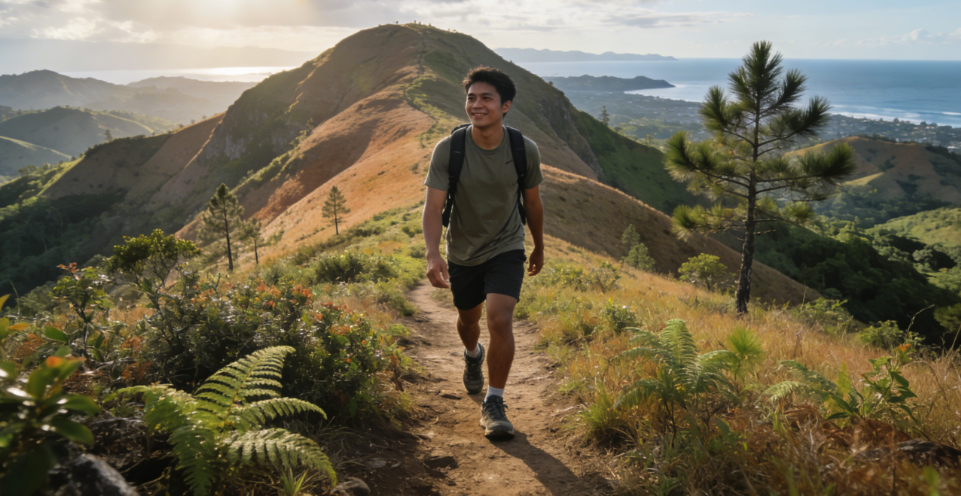
Mt. Batulao (Batangas)
A beginner-friendly mountain, Mt. Batulao has rolling slopes and stunning ridges that are picture-perfect and ideal for an easy climb. It takes about 2–3 hours from Manila via bus to Nasugbu, then a tricycle to the jump-off. The budget estimate is ₱800–₱1,200, including bus fare, guide, and food.
Mt. Maculot (Batangas)
Famous for the “Rockies” viewpoint overlooking Taal Lake, this mountain provides iconic natural scenery for beginners. Just a 3–4 hours round trip to the Rockies, a bus takes you to Cuenca, Batangas, and tricycles bring you to the jump-off. This hiking place is steep in some parts but overall manageable.
Moderate Hiking Trails for Intermediate Hikers
For intermediates in the hiking sport, mountains with more challenging hiking trails are preferable. The following trails offer longer distances, elevation gain, and more varied terrain.
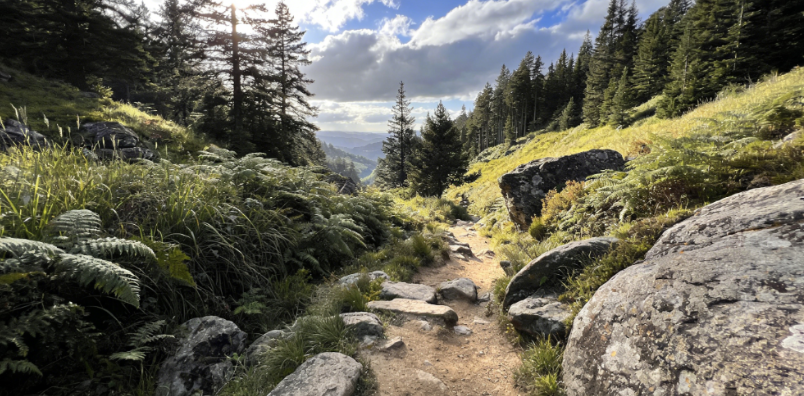
Mount Tapyas (Coron, Palawan)
Boasting breathtaking views, Mount Tapyas is an excellent choice for those looking to combine sightseeing with a solid workout. The best times to climb these hiking routes are in the early morning or late afternoon, when you can catch the best mountain views. It is a moderately easy climb for hiking enthusiasts.
Mount Ulap (Benguet)
Often called the “Artista Trail,” Mount Ulap offers pine forests, grassland ridges, and cool mountain air. The trail is well-marked and suitable for beginners transitioning into intermediate hikes. Preparation is key due to changing weather conditions.
Challenging Hiking Trails for Advanced Hikers
These best hiking places are suited for experienced hikers with strong endurance, navigation skills, and proper gear.
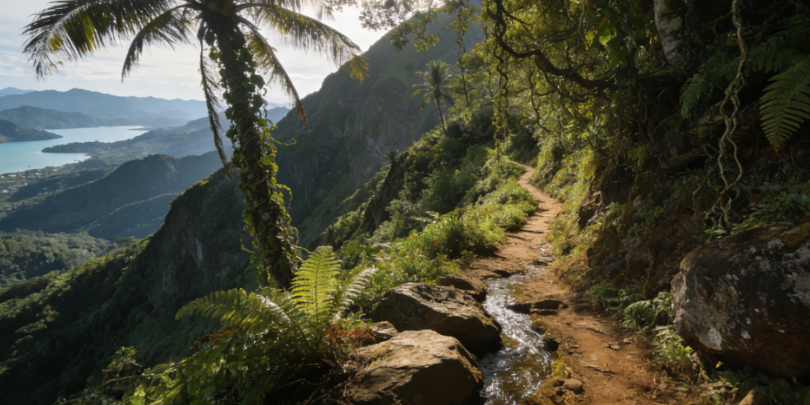
Mt. Dulang-Dulang – Mt. Kitanglad Traverse (Bukidnon)
The second-highest mountain in the Philippines and rated 8/9 in difficulty, this traverse passes through dense mossy forests and remote terrain. It’s a multi-day climb that rewards hikers with untouched landscapes and rich biodiversity. If you’re worried about running out of power in the middle of nowhere, pick one of the best portable power stations for your long exploration.
Mt. Halcon (Oriental Mindoro)
This mountain features the treacherous Knife Edge trail, which is a rocky ridge that challenges both the physical and mental capacity of even the most seasoned trekkers. It has a difficulty level of 9/9, the highest level possible. Hikers must pay close attention to the twists and turns of this hiking trail to ensure maximum security.
Mt. Mantalingajan (Palawan)
Rising majestically at 2,086 meters above sea level, Mount Mantalingajan stands as the highest peak in Palawan. The mountain boasts a variety of challenging hiking trails, which have earned it the moniker “Mountain of God”. Its summit offers a panoramic view of the surrounding landscape, making it a desired destination for seasoned hikers.
Hiking Essentials for Safe, Enjoyable Hiking Trips
Hiking in the Philippines means dealing with tropical heat, sudden rain, and varied terrain. Having the right essentials improves your comfort and keeps you safe. Below are key items you need before hitting the Philippines’ best hiking trails.
Backpack Rain Cover
Sudden downpours are common in the Philippines, even during the dry season. A backpack rain cover helps keep your clothes, food, electronics, and emergency gear dry while hiking through humid forests or rain-soaked trails. Choose the right size to ensure full coverage without adding unnecessary bulk.
Flashlight or Headlamp
A flashlight or headlamp is essential for early-morning starts, late descents, or unexpected delays on the trail. Headlamps are especially practical as they free up your hands when navigating uneven terrain, river crossings, or steep sections common in the Philippine mountains.
Proper Hiking Footwear
Reliable hiking footwear provides traction, stability, and ankle support on rocky, muddy, or slippery hiking trails. In the Philippines’ tropical climate, breathable yet durable shoes help prevent blisters and fatigue while handling steep ascents and wet ground conditions.
Portable Power Stations
Every Philippine hiker knows how quickly a trip can turn uncomfortable, or even risky, once your devices lose power. Between the tropical heat, long daylight hours, and limited access to electricity on remote trails, staying charged means safety, reliable navigation, and enjoyment.
A reliable power station like the EcoFlow TRAIL 300 DC Portable Power Station can keep your phones, GPS devices, portable fans, speakers, action cameras, and drones running. It’s specifically designed with hiking in mind—compact, lightweight, and easy to carry by hand, over the shoulder, or inside a backpack. Even better, it supports solar charging and car charging, so topping up power between trail days is fast and stress-free.
If your hike involves group activities, longer stays, or higher-power gear, such as car refrigerators, cooking equipment, or shared charging needs, the EcoFlow DELTA 3 1000 Air Portable Power Station makes more sense. It provides more energy while remaining portable enough for outdoor use. With fast solar recharging and a rugged build designed for up to 10 years of use, it’s well-suited for extended hiking trips and demanding conditions.
Conclusion
From beginner-friendly peaks in Batangas to challenging mountain ranges in Mindanao, the Philippines offers hiking trails for every type of adventurer. With proper planning, the right gear, and a trail suited to your skill level, hiking in the Philippines can be both safe and deeply rewarding.
Pack your Trail 300 DC portable power station and hit the best hiking trails the Philippines has to offer.
FAQs
How can I find the best hiking trails near me?
There are a multitude of methods to find the best hiking trails near you, including using specialized apps and websites, tapping into local knowledge, and checking official sources. Staff in local outdoor stores often share trail suggestions and current conditions, which can be helpful for newcomers to the hiking sport.
What are the basic skills in hiking?
Basic hiking skills include proper trip planning, physical preparation, and knowing how to use your gear correctly. Understanding weather patterns, hiking route difficulty, and navigation basics is especially important in the Philippines, where conditions can change quickly. Building endurance, staying hydrated, and practicing Leave No Trace principles also help ensure a safe and responsible hiking experience.
How many types of hiking are there in the Philippines?
In the Philippines, hiking is most commonly grouped into three main types by difficulty level based on local mountaineering practice:
Beginner or Minor Hikes: short, easy trails that can often be completed in a day.
Intermediate or Major Hikes: longer routes with varied terrain that may take a full day or multiple days.
Advanced or Major Challenging Hikes: long, technical climbs requiring strong fitness and multi-day planning.